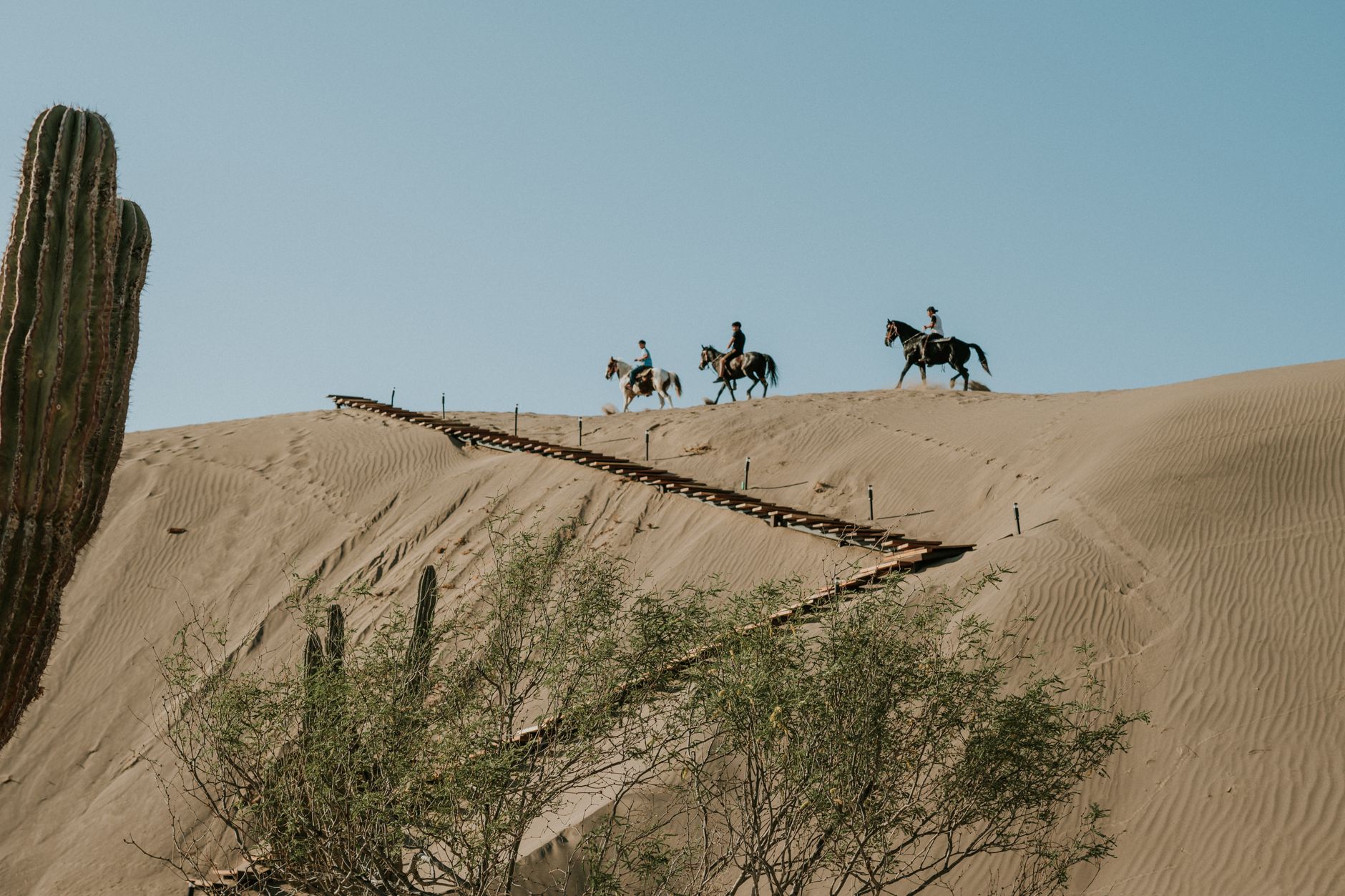
From Concrete Jungle to Crimson Dunes: Your Untouched Desert Escape Awaits
I remember my first desert expedition like it was yesterday. Months of staring at spreadsheets, navigating crowded subways, and inhaling exhaust fumes had left me utterly depleted. My soul craved space, silence, and something profoundly real. So, I booked a flight, packed a small bag, and found myself in the heart of a vast, silent wilderness. That first night, under a canopy of stars so bright they felt like a personal revelation, I realized something profound: the desert isn't just a landscape; it's a reset button for the soul, especially for us city dwellers.
But here's the thing: many of the world's most breathtaking desert destinations are quickly gaining traction. What was once a serene, off-the-beaten-path adventure is rapidly becoming a mainstream bucket list item. That's why I'm here, writing this blog post for you, the discerning traveler who yearns for authenticity, for the quiet beauty, for the experience before the crowds descend. This isn't just about going to a desert; it's about discovering the untouched corners, the experiences that still feel like a secret, and embracing the wild before it's tamed by mass tourism.
So, if your inner adventurer is whispering for a profound escape, a digital detox, and a chance to reconnect with the raw, elemental beauty of our planet, then read on. Your pre-mainstream desert expedition starts now.
Why the Desert, Why Now? The Allure of the Untamed
For those of us accustomed to the relentless pace of city life, the desert offers an intoxicating contrast. It's a place where time slows down, where the horizon stretches endlessly, and where the only soundtrack is the whisper of the wind. This isn't just a vacation; it's a transformative experience.
- Digital Detox by Default: In many remote desert regions, cell service is patchy at best, non-existent at worst. This isn't a drawback; it's a gift. Forced to unplug, you'll find yourself truly present, engaged with your surroundings and the people you're with.
- Stargazing Beyond Belief: Away from urban light pollution, the desert sky explodes with a brilliance you've likely never witnessed. Lying on a dune, watching the Milky Way arc overhead, is a humbling, unforgettable experience.
- Profound Silence & Solitude: The silence of the desert is therapeutic. It allows for introspection, clarity, and a deep sense of peace that's impossible to find amidst city clamor.
- Connection with Nature & Culture: Desert expeditions often bring you closer to unique ecosystems and ancient cultures – from nomadic Bedouin tribes to resilient desert flora and fauna. It's a chance to learn, understand, and appreciate.
- The "Before Mainstream" Imperative: As travel trends shift, many once-hidden gems are becoming popular. Visiting these places now allows for a more authentic, less commercialized interaction with the landscape and its people. You'll experience the raw beauty before infrastructure changes it forever.
Unveiling the Untamed: Top Desert Destinations You Haven't Heard Of (Yet)
While places like the Sahara and Arabian Desert are well-known, specific regions within them, and entirely different deserts, still offer that elusive, untouched feel. Here are a few to ignite your wanderlust:
1. The Empty Quarter (Rub' al Khali), Oman
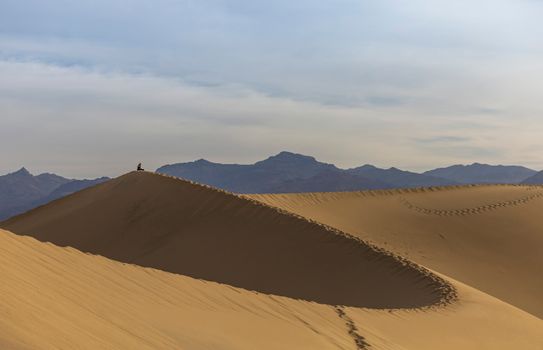
Forget Dubai's glitz. Head deeper into Oman's vast Empty Quarter, the largest contiguous sand desert in the world. This is where true silence reigns, where dunes rise like colossal waves, and where the horizon seems to stretch into infinity. My own journey here was punctuated by moments of pure awe – driving over towering dunes, sharing chai with a local guide, and feeling like I was the only person on Earth.
- Why it's pre-mainstream: While parts of Oman are gaining popularity, venturing deep into the Rub' al Khali is still an exclusive, challenging, and incredibly rewarding experience. It's not for the faint of heart, requiring experienced guides and robust 4x4s.
- What to expect: Multi-day expeditions (3-5 days recommended) with experienced Omani guides. You'll camp under the stars, learn about Bedouin traditions, and witness unparalleled sunrises and sunsets. No permanent camps here – just mobile, authentic setups.
- Cost: Expect to pay anywhere from $500 - $1000+ per person per day for an all-inclusive, guided multi-day expedition, depending on the level of luxury and duration. This includes vehicle, guide, food, and camping gear.
- Tripsora Tip: Focus on local operators like "Empty Quarter Adventures" or "Oman Desert Trips" for authentic experiences.
2. Wadi Rum's Lesser-Traveled Canyons, Jordan
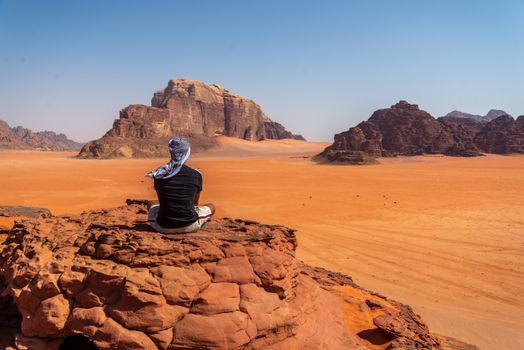
Wadi Rum, Jordan, is famous, yes. But beyond the main tourist routes, there are vast, silent stretches of desert, hidden canyons, and ancient inscriptions waiting to be discovered. I spent a week with a local Bedouin family, exploring areas that felt truly untouched, far from the well-trodden paths. We hiked through narrow canyons where ancient Nabataean carvings still adorned the rock walls, and slept in caves that had sheltered nomads for centuries.
- Why it's pre-mainstream: While the main visitor center and popular sites are busy, venturing deeper into the protected area with a local Bedouin guide opens up a world of solitude. It requires more commitment than a day trip.
- What to expect: Guided hikes, camel treks, and 4x4 tours into remote areas. You can opt for traditional Bedouin camps (some quite basic, offering a truly authentic experience) or more comfortable glamping options in secluded spots. Focus on multi-day treks away from the main road.
- Cost: A 2-3 day guided tour with an overnight stay in a traditional camp can range from $150 - $400 per person, depending on inclusions and comfort level.
- Tripsora Tip: Ask your guide specifically about routes that avoid the main tourist areas and explore lesser-known canyons like Khazali Canyon (beyond the popular accessible part) or areas towards the Saudi border.
3. Thar Desert, Rajasthan, India (Authentic Village Stays)
Forget the bustling cities of Rajasthan. The Thar Desert offers a different kind of Indian experience. While Jaisalmer is a popular gateway, the real magic lies in connecting with local communities in smaller villages. My experience involved staying in a mud hut, learning to cook local dishes, and joining a camel caravan that traversed ancient trade routes, far from any paved road. The colors, the music, the hospitality – it was India, but stripped down to its beautiful, raw essence.
- Why it's pre-mainstream: Many tourists do day trips or short camel safaris from Jaisalmer. The "before mainstream" experience involves multi-day treks, staying in authentic village homestays, or setting up mobile camps far from tourist hubs.
- What to expect: Camel safaris (from a few hours to several days), village visits, cultural interactions, traditional Rajasthani food, and stargazing. The focus here is on cultural immersion as much as desert landscapes.
- Cost: A multi-day camel safari with village stays can range from $70 - $200 per person per day, depending on the operator and level of comfort.
- Tripsora Tip: Look for eco-tourism initiatives or local guides who emphasize sustainable tourism and genuine community engagement, such as those operating out of smaller towns like Osian or Khuri.
4. The Atacama Desert's High Altiplano, Chile (Beyond San Pedro de Atacama)
San Pedro de Atacama is a hub, but the true wonders of the Atacama lie in its vast, high-altitude altiplano. This is a land of surreal landscapes: steaming geysers at dawn, vividly colored lagoons teeming with flamingos, and ancient villages clinging to life at 4,000 meters (13,000 feet). My most memorable moment was witnessing the El Tatio geysers erupting as the sun rose, the steam catching the golden light, followed by a dip in a natural hot spring – all before the main tour buses arrived.
- Why it's pre-mainstream: While popular, many visitors stick to well-known spots around San Pedro. Venturing further afield, especially on multi-day 4x4 expeditions into the altiplano towards Bolivia, offers a more rugged, less crowded experience.
- What to expect: High-altitude desert landscapes, geysers, hot springs, salt flats, and unique wildlife (flamingos, vicuñas). Expeditions often involve early starts to catch sunrise at specific locations. Acclimatization to altitude is crucial.
- Cost: Day trips from San Pedro range from $50 - $150. For multi-day, more remote expeditions (e.g., crossing into Bolivia via Uyuni), expect $300 - $600+ for 3-4 days, excluding flights.
- Tripsora Tip: Consider a cross-border trip to the Bolivian Salar de Uyuni from San Pedro for an epic, truly remote journey, often including stays in basic but charming salt hotels.
5. AlUla, Saudi Arabia (A Glimpse into the Future of Desert Tourism)
AlUla is rapidly developing, but it still feels like a secret waiting to be fully discovered by the world. This ancient oasis city is home to Hegra, Saudi Arabia's first UNESCO World Heritage site, with monumental tombs carved into sandstone cliffs by the Nabataeans (like Petra, but with far fewer crowds... for now!). My visit felt like stepping onto another planet, combining ancient history with stunning desert geology and burgeoning luxury experiences.
- Why it's pre-mainstream: While Saudi Arabia is opening up, AlUla is still relatively new on the international tourism radar. You're getting in on the ground floor of what will undoubtedly become a major destination.
- What to expect: Ancient history (Hegra, Dadan, Jabal Ikmah), stunning rock formations, luxury desert resorts (like Habitas AlUla or Banyan Tree), stargazing, and adventure activities (ziplining, hiking).
- Cost: Entry to heritage sites is often included in tour packages. Luxury accommodations can start from $400 - $1000+ per night. Guided tours and experiences vary widely but budget around $100 - $300 per day for activities.
- Tripsora Tip: Book well in advance, especially for peak season, as capacity is still limited. Combine cultural tours with adventurous hikes into the less-explored canyons.
Crafting Your Oasis: Types of Expeditions & What to Expect
Desert expeditions aren't one-size-fits-all. Your choice depends on your comfort level, budget, and desired adventure:
- Luxury Glamping: For those who want the desert experience without sacrificing comfort. Think opulent tents with real beds, en-suite bathrooms, gourmet meals, and dedicated service. Perfect for a romantic escape or a pampered digital detox.
- Authentic Bedouin/Nomadic Stays: Immerse yourself in local culture. These are often simpler, traditional camps or homestays, offering basic amenities but unparalleled cultural exchange, storytelling around the fire, and traditional meals. This is where the heart of the desert beats.
- Guided 4x4 Expeditions: The most common way to cover vast distances. You'll have an experienced driver and guide, often camping in different spots each night. Ideal for reaching truly remote areas.
- Camel Treks: For the slow traveler. Multi-day camel treks allow you to experience the desert at a traditional pace, feeling the rhythm of the caravan. It's physically demanding but deeply rewarding.
- Hiking/Trekking Expeditions: For the active adventurer. Explore canyons, climb dunes, and discover hidden oases on foot. Often combined with 4x4 support for gear.
- Photography & Stargazing Tours: Specialized trips focusing on capturing the desert's beauty, often with expert guides on astrophotography.
The Art of Desert Living: Essential Gear & Sustainable Practices
Preparing for a desert expedition requires smart packing and a commitment to responsible travel.
Essential Gear:
- Hydration is Key: Reusable water bottle(s) and a hydration pack. You'll drink more than you think.
- Sun Protection: Wide-brimmed hat, sunglasses (polarized recommended), high SPF sunscreen, lip balm with SPF, light long-sleeved shirts and pants (breathable fabrics like linen or quick-dry synthetics).
- Footwear: Comfortable, broken-in hiking boots or sturdy walking shoes for treks. Sandals for camp.
- Layers: Evenings and mornings can be surprisingly cold, especially in high-altitude deserts. Pack fleece, a light jacket, and thermal base layers.
- Headlamp/Flashlight: Essential for navigating camp at night.
- First-Aid Kit: Blister pads, pain relievers, antiseptic wipes, any personal medications.
- Power Bank: For charging devices where electricity is scarce.
- Camera Gear: Don't forget extra batteries and memory cards for those incredible landscapes and night skies!
- Small Backpack: For day hikes.
- Scarf/Shemagh: Versatile for sun protection, dust, or warmth.
Sustainable Practices:
- Leave No Trace: Pack out everything you pack in. This includes all trash, food scraps, and even human waste in some sensitive areas.
- Respect Wildlife: Observe from a distance, never feed animals, and avoid disturbing their habitats.
- Conserve Water: Water is precious in the desert. Be mindful of your usage.
- Support Local Communities: Choose local guides, operators, and accommodations. Buy handicrafts directly from artisans.
- Respect Local Culture: Dress modestly, especially when visiting villages. Ask permission before taking photos of people. Learn a few basic phrases of the local language.
- Choose Responsible Operators: Inquire about their environmental policies and how they benefit local communities.
Beyond the Dunes: Unique Desert Experiences
Your desert adventure isn't just about the scenery; it's about the moments:
- Stargazing Parties: Many camps offer telescopes or guided stargazing sessions. Lie back and let the universe unfold above you.
- Sandboarding/Dune Bashing: For an adrenaline rush, try sliding down massive dunes on a board or experiencing the thrill of a skilled driver navigating challenging terrain.
- Traditional Meals & Tea Ceremonies: Share meals cooked over an open fire, often with delicious local spices. The ritual of sharing mint tea is a cornerstone of desert hospitality.
- Exploring Ancient Ruins: Many deserts are dotted with historical sites, from petroglyphs to ancient cities.
- Wildlife Spotting: Keep an eye out for resilient desert creatures – foxes, gazelles, various bird species, and unique reptiles.
- Sunrise & Sunset Rituals: Wake early for the magical light of dawn over the dunes, and savor the fiery spectacle of sunset. These moments of quiet contemplation are often the most profound.
Budgeting Your Escape: Costs & How to Plan
Desert expeditions vary wildly in cost, from budget-friendly to ultra-luxury.
- Budget (DIY/Basic): For the truly adventurous, some regions allow self-driving with proper permits and preparation. Or, opt for very basic local guesthouses and shared tours. Expect $50 - $150 per day, excluding international flights.
- Mid-Range (Guided/Comfortable): This is where most unique "pre-mainstream" experiences fall. You'll typically have a private guide or small group tour, comfortable but not opulent camps, and good food. Expect $200 - $500 per person per day.
- Luxury (Exclusive/Glamping): Private guides, high-end accommodations, gourmet meals, and personalized itineraries. Expect $600 - $1500+ per person per day.
Planning Your Trip:
- Research & Timing: Choose your destination based on your interests and the best time of year (avoid extreme summer heat).
- Find a Reputable Operator: This is crucial. Look for local companies with excellent reviews that prioritize safety, sustainability, and authentic experiences. Ask about their guides' experience and language skills.
- Book Flights & Visas: Don't forget these essentials!
- Get Travel Insurance: Always. The desert can be unpredictable.
- Pack Smart: Refer to the gear list above.
- Prepare Physically: Some expeditions involve hiking or camel trekking. A reasonable level of fitness will enhance your experience.
- Embrace the Unexpected: The desert teaches patience and adaptability. Things might not always go exactly to plan, and that's part of the adventure!
The Desert's Whisper: Your Call to Adventure
The desert holds a unique power to strip away the superfluous, leaving you with what truly matters. It's a place of profound beauty, challenging landscapes, and unforgettable encounters. For city dwellers, it offers a necessary antidote to the concrete jungle – a chance to breathe, to wonder, and to reconnect with a wilder part of yourself.
These pre-mainstream expeditions offer a window into an untouched world, an opportunity to experience authentic adventure before it transforms. Don't wait until these hidden gems are on every influencer's feed. Go now. Feel the sand beneath your feet, gaze at the endless stars, and let the silence of the dunes wash over you.
Are you ready to trade the city lights for a celestial show? Share this guide with your adventurous friends, start planning your escape, and tell us in the comments: Which untouched desert calls to your soul?
---