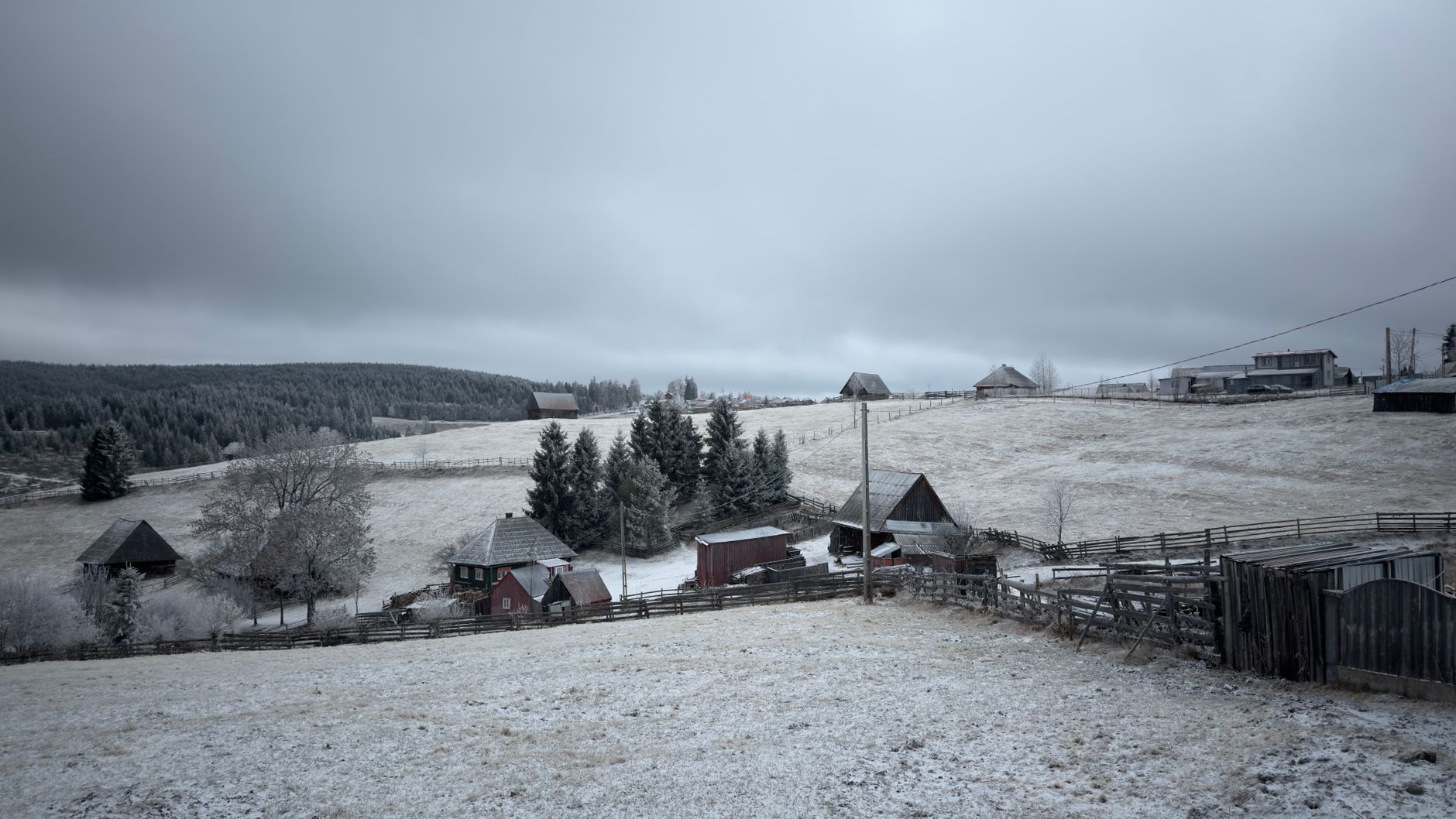
The Scent of Winter's Bounty: My First Foray into Harvest-Your-Own Farm Stays
I stepped off the train, and the air hit me – crisp, clean, and carrying the faint, earthy perfume of damp soil and woodsmoke. It was late November, and the usual winter chill was softened by a gentle sun. Gone was the city's cacophony, replaced by the distant bleating of sheep and the rustle of dry leaves underfoot. This wasn't just a getaway; it was an invitation to reconnect, to get my hands dirty, and to taste the very essence of the season. I’d heard whispers of a new wave of farm stays, ones that offered more than just a picturesque backdrop – they offered the chance to actively participate in the creation of your own meals. This winter, I was diving headfirst into the world of harvest-your-own farm adventures, and let me tell you, it’s a game-changer.
Embracing the Winter Harvest: Why Now is the Time
Forget the notion that farm stays are solely a summer affair. Winter offers a unique charm, a quiet beauty that’s profoundly grounding. While the vibrant greens of summer might be subdued, winter reveals the skeletal elegance of the land, the hardy resilience of nature, and the comforting warmth of hearth and home. This season is about root vegetables, hearty greens that have weathered the frost, and the slow, deliberate rhythms of the earth. It’s a time for introspection, for savoring simple pleasures, and for understanding where our food truly comes from.
Why are these experiences trending now?
- The Rise of Conscious Travel: More than ever, travelers are seeking authentic, meaningful experiences. They want to understand the provenance of their food and reduce their environmental footprint.
- The "Slow Food" Movement: A global resurgence in appreciating local, seasonal, and ethically produced food fuels the demand for hands-on culinary adventures.
- Digital Detox & Reconnection: In an increasingly digital world, the desire to disconnect from screens and reconnect with nature and oneself is powerful.
- The Allure of the "Real": Authenticity is gold. The raw, unvarnished reality of farm life, with its hard work and its immense rewards, is incredibly appealing.
My Top Picks: Where the Earth Offers Its Winter Gifts
These aren't just any farm stays; these are destinations where the land actively invites you to be a part of its bounty. I’ve scoured the globe (well, virtually, and with a few very fortunate personal visits!) to bring you the most captivating and rewarding harvest-your-own winter experiences.
1. The Tuscan Hearth: Root Vegetables & Rustic Revelations
Imagine rolling hills, cypress trees silhouetted against a pale winter sky, and the scent of woodsmoke mingling with roasting garlic. Tuscany in winter is a dream. Many agriturismos here transform their offerings for the cooler months, focusing on the robust flavors of the earth.
The Experience:
My days at an agriturismo nestled near the Chianti region were a lesson in winter's bounty. Mornings began with a guided walk through the vegetable gardens. Forget delicate lettuces; we were digging for earthy carrots, sweet parsnips, and knobbly celeriac. The farmer, a man whose hands bore the story of decades spent in the soil, showed me how to identify the ripest kale and chard that had actually been sweetened by a touch of frost. We’d then head to the communal kitchen, where these harvested treasures, along with eggs from happy, free-roaming hens, would be transformed into hearty soups, rustic pasta sauces, and savory tarts.
Pro-Tip:
Many Tuscan agriturismos offer pasta-making classes using freshly harvested ingredients. Look for those that emphasize traditional methods – the kneading is as therapeutic as the eating!
Insider Lingo:
Don't be surprised if you're asked to help "pulire le verdure" (clean the vegetables) before cooking. It's part of the authentic experience!
2. The Alpine Pantry: Foraging & Fireside Feasts
In the shadow of majestic peaks, winter farm stays take on a different, more rugged charm. Here, the harvest is less about sprawling fields and more about what the resilient mountain flora and fauna provide.
The Experience:
I found myself at a family-run mountain farm in the French Alps. The air was sharp, invigorating, and carried the piney scent of the surrounding forests. Our "harvest" involved guided foraging expeditions with a local expert. We learned to identify edible mushrooms that had miraculously survived the early frosts, gathered wild herbs like thyme and rosemary clinging to rocky outcrops, and even discovered late-season berries that offered a tart burst of flavor. Back at the farm, we’d help prepare meals centered around these foraged finds, often combined with the farm's own artisanal cheeses, cured meats, and hearty grains. Evenings were spent by a roaring fire, sharing stories and indulging in stews that simmered for hours, their flavors deepened by the day’s wild treasures.
Pro-Tip:
Always go foraging with a local guide. They possess invaluable knowledge of what's safe and in season, and can point out the best spots you'd never find alone.
Insider Lingo:
Ask about "la chasse" (the hunt) if the farm also produces its own game. It's a deeply ingrained part of alpine culinary tradition.
3. The Coastal Croft: Sea Greens & Salty Air
For those who crave the bracing air of the sea, winter farm stays on the coast offer a unique and invigorating experience. The land here is often hardy, shaped by the elements, and the harvest reflects this resilience.
The Experience:
My adventure took me to a small croft on the rugged coast of Scotland. This wasn't your typical manicured farm. It was wild, windswept, and utterly captivating. The primary "harvest" here involved seaweed foraging along the shoreline. Under the guidance of the croft owner, a woman with an encyclopedic knowledge of the ocean's larder, we learned to identify and gather different types of edible seaweed – dulse, sea lettuce, and kelp. These nutrient-rich treasures were then incorporated into our meals, adding a distinct umami depth to everything from hearty broths to savory baked goods. We also helped tend to the hardy hardy root vegetables that survived the coastal winds and collected fresh eggs from hens that seemed unfazed by the bracing sea spray.
Pro-Tip:
Pack waterproofs and sturdy boots! Coastal foraging is an experience that embraces the elements.
Insider Lingo:
You might hear talk of "black gold" – referring to the nutrient-rich seaweed. It's a testament to its value in their diet and economy.
4. The Orchard's Embrace: Preserves & Pears
While many orchards lie dormant in winter, some farm stays offer unique opportunities to engage with the fruits of the season, particularly those that have been preserved or are late-season varieties.
The Experience:
I discovered a charming farm in the Loire Valley of France, known for its apple and pear orchards. While the trees were bare, the focus shifted to the art of preservation. We participated in jam-making sessions, using the last of the season's apples and pears, often combined with spices like cinnamon and star anise. We learned to make fruit preserves, compotes, and even apple cider vinegar. The farm also cultivated hearty winter greens and root vegetables, which we’d harvest from their protected gardens for our meals. The satisfaction of slicing into a piece of toast and spreading it with jam you helped create, using fruit harvested just weeks before, is unparalleled.
Pro-Tip:
Look for farms that offer workshops on preserving techniques. It’s a skill that allows you to take a piece of the harvest home with you, in a different form!
Insider Lingo:
The French often refer to their preserved fruits as "la confiture." Understanding these terms adds a layer of authenticity to your culinary explorations.
5. The Biodynamic Haven: Soil to Soul
For the truly dedicated, biodynamic farms offer an immersive experience that goes beyond simply harvesting. It’s about understanding the holistic ecosystem of the farm and your place within it.
The Experience:
My journey led me to a biodynamic farm in the rolling hills of Vermont. The philosophy here is about working with nature’s rhythms, not against them. Winter on a biodynamic farm is a time of tending to the soil, preparing for spring, and harvesting what the earth has stored. We spent our days in the greenhouse, tending to winter-hardy greens like spinach and mâche, and in the root cellar, selecting potatoes, beets, and carrots that had been carefully stored. We also participated in composting and soil enrichment activities, learning how the farm regenerates itself. The meals were a testament to this philosophy – simple, nourishing, and bursting with the pure, unadulterated flavor of ingredients grown with deep respect for the land.
Pro-Tip:
Ask about the farm's specific biodynamic preparations. Understanding these unique soil amendments can offer fascinating insights into their farming practices.
Insider Lingo:
You might hear about "preparations" – these are specific mixtures used to vitalize the soil and compost. It's a unique aspect of biodynamic farming.
Quick Facts: Planning Your Harvest Adventure
| Feature | Estimated Cost ($USD) | Best Time to Visit | How to Get There |
| :---------------------- | :-------------------- | :----------------- | :----------------------------------------------------------------------------------------------------------- |
| Tuscan Agriturismo | $150 - $300 per night | Oct - Feb | Fly into Florence (FLR) or Pisa (PSA), then rent a car or take a train to a nearby town and arrange transfer. |
| Alpine Mountain Farm | $120 - $250 per night | Dec - Mar | Fly into Geneva (GVA) or Zurich (ZRH), then take a train and local bus/taxi to the specific region. |
| Scottish Coastal Croft | $100 - $200 per night | Nov - Feb | Fly into Edinburgh (EDI) or Glasgow (GLA), then rent a car for a scenic drive (or take a train/ferry). |
| Loire Valley Orchard | $130 - $280 per night | Nov - Jan | Fly into Paris (CDG) or Nantes (NTE), then take a train to a regional town and arrange a farm transfer. |
| Vermont Biodynamic Farm | $140 - $260 per night | Nov - Mar | Fly into Burlington (BTV) or Albany (ALB), then rent a car for a picturesque drive. |
Note:
Costs are estimates and can vary based on the specific farm, accommodation level, and season. Always check directly with the farm for the most accurate pricing and availability.
The True Taste of Connection
Leaving a harvest-your-own farm stay is different. You don't just leave with souvenirs; you leave with a deeper understanding of the food on your plate, a newfound appreciation for the labor that goes into it, and a tangible sense of connection to the earth. The taste of a carrot pulled from the soil by your own hands, or the warmth of a jam made from fruit you helped pick, lingers long after the last bite. This winter, step away from the ordinary and embrace the extraordinary. Your taste buds, your soul, and your Instagram feed will thank you.