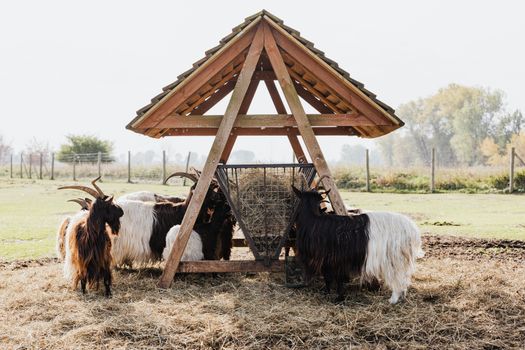
The Hook: A Symphony of Sun and Soil
I stepped off the rickety train, the scent of damp earth and something sweet – honeysuckle, perhaps? – immediately washing over me. The air, thick with the promise of a warm day, hummed with the distant buzz of bees and the gentle bleating of sheep. This wasn't the sterile, manicured beauty of a resort; this was raw, vibrant life. My destination? A small, family-run farm nestled in the rolling hills of Tuscany, a place I’d discovered through a whispered recommendation from a travel advisor who’d promised an experience far richer than any postcard could capture. This, my friends, is the magic of agricultural tourism, and it’s a movement more vital and rewarding than ever.
Beyond the Brochure: Why Agricultural Tourism is the Future
In a world increasingly saturated with mass tourism, there’s a growing hunger for authenticity. We crave connection, not just consumption. Agricultural tourism, often referred to as agriturismo or farm stays, answers that call. It's more than just a holiday; it's an immersive journey into the heart of where our food comes from, a chance to support the very backbone of our food systems: small, independent farmers.
Travel advisors, the unsung heroes of discerning travelers, are increasingly championing this niche. Why? Because they see the profound impact it has – not just on the travelers, but on the communities they visit. They understand that by choosing a farm stay, you're not just booking a bed; you're investing in sustainable practices, preserving rural landscapes, and fostering genuine human connection.
The Ethical Imperative: Feeding the Farmer, Nourishing the Soul
The statistics are stark. Small farms, the custodians of biodiversity and traditional farming methods, are under immense pressure. Globalized markets and large-scale agriculture often leave them struggling to compete. Agricultural tourism offers a lifeline. By paying for accommodation, meals, and activities directly on the farm, you are providing a vital revenue stream that allows these farmers to thrive, not just survive.
Pro-Tip:
Look for farms that are certified organic or follow sustainable farming practices. Many will proudly display their certifications or be happy to discuss their methods with you. This ensures your travel dollars are truly making a positive environmental impact.
The Sensory Feast: More Than Just a Meal
Forget bland buffet breakfasts. Agricultural tourism is a full-blown sensory experience. Imagine waking to the aroma of freshly baked bread, still warm from the wood-fired oven, or the earthy scent of tilled soil after a morning rain. Picture yourself plucking sun-ripened strawberries directly from the vine, their sweetness bursting in your mouth. Hear the contented clucking of hens as you collect warm eggs for your breakfast.
This isn't just about eating; it's about understanding the journey of your food. Many farm stays offer cooking classes where you can learn to prepare traditional dishes using ingredients harvested that very morning. Others provide hands-on opportunities to participate in farm activities, from milking cows to harvesting olives.
Insider Lingo:
When you're offered "cucina povera" (peasant cooking), don't mistake it for simple. It's a testament to the ingenuity of using seasonal, local ingredients to create incredibly flavorful and satisfying dishes.
Curated Journeys: Travel Advisor Picks for Unforgettable Farm Stays
To give you a taste of what’s possible, I’ve gathered insights from some of the most reputable travel advisors specializing in sustainable and experiential travel. They’ve shared their top recommendations, focusing on farms that offer genuine immersion and support for local communities.
1. The Tuscan Vineyard Escape: Where Wine Meets Wanderlust
Location:
Chianti Region, Tuscany, Italy
Why Travel Advisors Love It:
Tuscany is synonymous with rolling vineyards and rustic charm, but many advisors steer clients towards smaller, family-run wineries that offer agriturismo experiences. These aren't just places to taste wine; they are living, breathing estates where you can learn about viticulture from the vintner themselves.
The Experience:
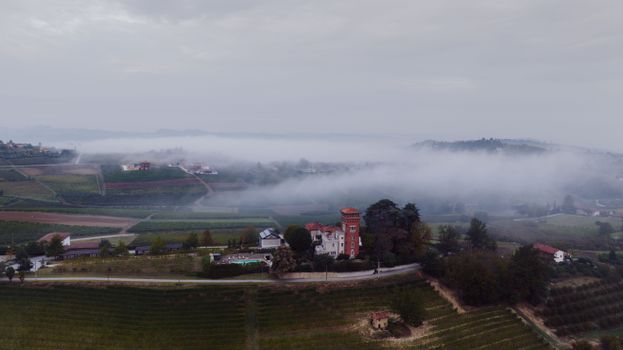
Imagine waking up in a beautifully restored stone farmhouse, the morning mist still clinging to the vines. Spend your days exploring the vineyards, learning about organic winemaking processes, and participating in olive oil tastings. Evenings are for savoring multi-course meals prepared with ingredients from the farm and the surrounding region, paired with the estate’s own award-winning wines.
Pro-Tip:
Book a private vineyard tour and tasting. Many small producers offer more intimate and educational experiences than larger, commercial operations. Ask about their family history and the story behind their unique terroir.
Quick Facts:
* Estimated Cost ($$): €150-€300 per night (includes breakfast, often dinner)
* Best Time to Visit: Spring (April-May) for blooming wildflowers and mild weather; Autumn (September-October) for harvest season and vibrant foliage.
* How to Get There: Fly into Florence Airport (FLR). Rent a car for the most flexibility, or take a train to Siena or Florence and arrange for a transfer.
2. The Lavender Fields of Provence: Aromatic Bliss and Artisanal Delights
Location:
Luberon Valley, Provence, France
Why Travel Advisors Love It:
Provence is iconic, but advisors highlight farms that offer more than just pretty views. They seek out those that actively engage visitors in the scent-filled world of lavender cultivation and artisanal production.
The Experience:
Picture yourself surrounded by endless fields of vibrant purple lavender, the air thick with its calming fragrance. Stay in a charming farmhouse or a restored shepherd's hut. Participate in lavender harvesting (seasonal), learn to make lavender-infused soaps or essential oils, and indulge in local Provençal cuisine featuring herbs and produce from the farm. Don't miss the local markets for artisanal cheeses, olive oils, and other regional specialties.
Insider Lingo:
Seek out farms that also produce honey or goat cheese. The synergy between these products and lavender is a true taste of Provence.
Pro-Tip:
Visit during the lavender blooming season (late June to early August) for the most spectacular visual and olfactory experience. Arrive early in the morning to capture the best light and avoid crowds.
Quick Facts:
* Estimated Cost ($$): €120-€250 per night
* Best Time to Visit: Late June to early August for peak lavender bloom.
* How to Get There: Fly into Marseille Provence Airport (MRS) or Nice Côte d'Azur Airport (NCE). Renting a car is highly recommended for exploring the scenic routes.
3. The Costa Rican Coffee Plantation: From Bean to Brew in Paradise
Location:
Central Valley, Costa Rica
Why Travel Advisors Love It:
Costa Rica is a pioneer in eco-tourism, and advisors are drawn to coffee plantations that prioritize sustainability and offer deep dives into the coffee-making process. These farms often double as wildlife havens.
The Experience:
Wake to the sounds of the rainforest and the rich aroma of roasting coffee beans. Stay in eco-lodges nestled within the plantation. Embark on guided tours to learn about the entire coffee lifecycle, from planting and harvesting to washing, drying, and roasting. You’ll witness firsthand the dedication to shade-grown coffee, which supports biodiversity and provides habitat for numerous bird species. Enjoy farm-to-cup coffee tastings and delicious meals featuring fresh, local ingredients.
Pro-Tip:
Choose a plantation that actively participates in conservation efforts. Many will have information about their reforestation projects or their commitment to protecting local wildlife.
Quick Facts:
* Estimated Cost ($$): $100-$200 per night (often includes tours and meals)
* Best Time to Visit: The dry season (December to April) offers sunny days perfect for exploring, but the "green season" (May to November) is lush and less crowded.
* How to Get There: Fly into Juan Santamaría International Airport (SJO) near San José. Many plantations are accessible via pre-arranged transfers or short taxi rides.
4. The Irish Farmhouse Stay: Rolling Hills and Hearty Hospitality
Location:
County Kerry, Ireland
Why Travel Advisors Love It:
Irish farm stays offer a unique blend of breathtaking natural beauty and genuine, warm hospitality. Advisors recommend them for travelers seeking an authentic connection with rural Irish life and culture.
The Experience:
Imagine staying in a cozy farmhouse, perhaps with a turf fire crackling in the hearth. Spend your days exploring the dramatic coastal landscapes, hiking through emerald green fields, or visiting local craft workshops. Many farm stays offer opportunities to learn about sheep farming, participate in traditional Irish cooking, or simply enjoy a pint with the locals in a nearby village pub. The emphasis here is on conversation, connection, and the simple joys of country living.
Insider Lingo:
Don't be surprised if you're invited for "tea" – this often means a full spread of sandwiches, scones, and cakes!
Pro-Tip:
Engage with your hosts! They are the best source of information about local hidden gems, traditional music sessions, and the history of the area.
Quick Facts:
* Estimated Cost ($$): £80-£150 per night (often includes a hearty Irish breakfast)
* Best Time to Visit: Summer (June-August) for the best chance of good weather, but the dramatic beauty of autumn and winter also holds its own charm.
* How to Get There: Fly into Shannon Airport (SNN) or Cork Airport (ORK). Renting a car is essential for exploring the countryside.
5. The New Zealand Outback Adventure: Sheep Shearing and Starry Skies
Location:
South Island, New Zealand
Why Travel Advisors Love It:
For the adventurous traveler, New Zealand's remote sheep stations offer an unparalleled experience of wide-open spaces, agricultural heritage, and incredible stargazing. Advisors recommend these for those seeking a truly off-the-beaten-path adventure.
The Experience:
Step into a working sheep farm in the vast, rugged landscapes of the South Island. Participate in sheep shearing demonstrations, learn about the challenges and rewards of life on the land, and enjoy hearty, home-cooked meals. Many stations also offer activities like horseback riding across the expansive paddies, exploring pristine rivers, or simply marveling at the incredibly clear night sky, far from any light pollution.
Pro-Tip:
Many of these stations are quite remote. Be prepared for limited internet and cell service – embrace the digital detox!
Quick Facts:
* Estimated Cost ($$): NZ$150-NZ$300 per night (often includes meals and activities)
* Best Time to Visit: Summer (December-February) for the warmest weather, but shoulder seasons (spring and autumn) offer fewer crowds and stunning scenery.
* How to Get There: Fly into Christchurch (CHC) or Queenstown (ZQN). A rental car is crucial, and be prepared for some driving on unsealed roads.
Planning Your Agricultural Adventure: What to Expect
Agricultural tourism is about embracing the unexpected and appreciating the real. It's a chance to slow down, connect with nature, and understand the dedication that goes into producing the food we eat.
The Budget Breakdown: Value Beyond the Price Tag
While costs can vary significantly based on the destination and the level of luxury offered, agricultural tourism often provides excellent value. You're not just paying for accommodation; you're paying for an experience, for fresh, often organic, food, and for the privilege of supporting a small business.
Estimated Costs:
* Budget-Friendly: $70-$120 per night (basic farm stays, shared facilities, self-catering options)
* Mid-Range: $120-$250 per night (comfortable rooms, included breakfast, some activities)
* Luxury: $250+ per night (boutique farm accommodations, gourmet meals, private tours, high-end amenities)
Pro-Tip:
Many farms offer package deals that include accommodation, meals, and activities, which can offer significant savings.
Logistics: Navigating Your Way to the Farm
Getting There:
* Flights: The first step is usually flying into the nearest major airport.
* Car Rental: For most rural destinations, a rental car is highly recommended. It offers the freedom to explore at your own pace and reach more remote farms.
* Transfers: Some farms, particularly in more isolated areas, may offer airport or local train station transfers.
* Public Transport: While possible in some regions, it can be challenging to rely solely on public transport for accessing smaller farms.
Best Time to Visit:
This is highly dependent on the region and the specific farm activities.
* Harvest Seasons: If you're interested in participating in harvests (grapes, olives, fruits), plan accordingly.
* Blooming Seasons: For flower farms (lavender, sunflowers), timing is crucial.
* Weather: Consider the climate and what kind of weather you prefer for outdoor activities.
The Takeaway: Cultivating a Deeper Connection
Agricultural tourism is more than just a trend; it’s a conscious choice to travel with purpose. It’s about savoring the authentic, supporting the local, and returning home with stories that resonate far beyond the usual vacation snapshots.
So, the next time you’re dreaming of a getaway, consider stepping off the beaten path and onto a farm. Consult with a trusted travel advisor who specializes in this rewarding niche, and prepare to be nourished – body, soul, and spirit. You'll be supporting small farmers, discovering hidden gems, and experiencing travel in its most genuine form.