The Snap of a Snap Pea: Why We’re Trading Spas for Soil
I stepped off the regional train in Monemvasia, and the first thing that hit me wasn't the salt of the Aegean, but the intoxicating, peppery scent of crushed wild oregano. My hands were clean—too clean—but that was about to change. By sunset, I was knee-deep in a grove of Koroneiki olive trees, learning the rhythmic "thwack" of the harvest pole. That evening, the oil I had helped press hours earlier was drizzled over a sourdough loaf still warm from the outdoor stone oven. It didn't just taste like bread; it tasted like the afternoon sun and the effort of my own two hands.
This is the year of the harvest-centric escape. Travelers are exhausted by the digital veneer of modern life. We don’t want a Michelin-starred meal served on a white tablecloth anymore; we want the dirt-streaked carrot, the warm egg from the coop, and the story of the soil.
Here are the definitive farm stays where you harvest your meals emerging this year.
---
1. The Peloponnesian Pioneer: Kinsterna Hotel, Greece
The Vibe: Byzantine opulence meets rugged agricultural grit.
Located on a slope overlooking the rock of Monemvasia, Kinsterna isn't just a hotel; it’s a living, breathing estate that dates back to the 13th century. The architecture is a masterclass in restoration—think thick stone walls, vaulted ceilings, and a central cistern that still feeds the gardens.
The Harvest Experience:
This isn't a "watch the farmer" situation. You’ll be handed a basket and led into the ancient vineyards to pick Malvasia grapes or into the groves for the olive harvest (October–January). The real magic happens in the "Magireio," where you’ll take your gathered herbs and vegetables to learn the art of pitarouda (traditional vegetable pies).
- Pro-Tip: Ask for the "Secret Garden" breakfast. It’s a private table set deep within the citrus groves where you pick your own oranges for juice.
- Insider Detail: Look for the specific cultivar of "Kinsterna" grapes—they’ve successfully revived an extinct local variety that you can only taste here.
---
2. The High-Desert Harvest: Los Poblanos, New Mexico, USA
The Vibe: Lavender-scented serenity with a side of Rio Grande grit.
Designed by the legendary John Gaw Meem, this historic inn is the crown jewel of American agritourism. While many come for the lavender fields, the "emerging" draw this year is their expanded Field-to-Fork residency program.
The Harvest Experience:
Join the resident farmers at 7:30 AM to harvest heirloom "Chimayo" chiles and "Bolita" beans—crops that have been grown in this valley for centuries. You’ll spend the afternoon in the farm kitchen learning how to roast chiles over an open flame, a process that fills the air with a smoky, addictive aroma.
- Pro-Tip: The "North Field" has the best light for photos at 5 PM, but the "South Field" is where the rarest heirloom tomatoes are tucked away.
- Budget Note: It’s pricey ($400+), but the value is in the access to the agricultural specialists who treat you like an apprentice, not a guest.
---
3. The Zen of the Rice Paddy: Satoyama Jujo, Japan
The Vibe: Minimalist luxury in the heart of "Snow Country" (Niigata).
Satoyama Jujo is a 150-year-old kominka (traditional farmhouse) reimagined as a design-forward retreat. The focus here is on Jujo (ten stories)—the ten different experiences of the local mountain culture.
The Harvest Experience:
Niigata produces the best Koshihikari rice in Japan. During the autumn harvest, guests don traditional rubber boots and head into the terraced paddies. You’ll learn the "Haza-ki" method—hanging the rice stalks on wooden frames to dry naturally in the wind. The taste of "New Rice" (Shinmai) that you’ve harvested yourself, cooked over a charcoal irori hearth, is a culinary epiphany.
- Pro-Tip: Visit in late September for the rice harvest, or May for "Sansai" (wild mountain vegetable) foraging.
- Insider Detail: The water used to cook the rice comes from a private mountain spring located behind the blue shed on the property’s north edge. It has a specific mineral content that makes the rice glisten.
---
4. The Cape Dutch Masterpiece: Babylonstoren, South Africa
The Vibe: A 300-hectare garden of Eden with a chic, whitewashed aesthetic.
Babylonstoren is arguably the world’s most famous farm stay, but its new "Harvest Sessions" for 2024 have moved it from "look but don't touch" to "get your hands dirty."
The Harvest Experience:
Every guest is encouraged to join the gardeners at 8 AM. You might be thinning plum trees, harvesting prickly pears, or gathering blood oranges. The estate’s "Babel" restaurant operates on a strict "pick-to-plate" timeline—often less than an hour elapses between the garden and your fork.
- Pro-Tip: The "Healing Garden" is the best place to harvest herbs for a custom tea blend. Don't miss the balsamic vinegar cellar for a tasting of their 12-year-old reserve.
- How to get there: A 45-minute drive from Cape Town into the heart of the Franschhoek wine valley.
---
5. The Truffle Hunter’s Dream: Fattoria Poggio Alloro, Italy
The Vibe: Family-run, unpretentious, and unapologetically Tuscan.
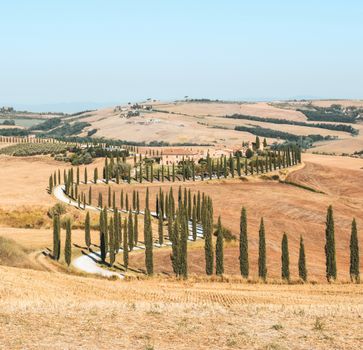
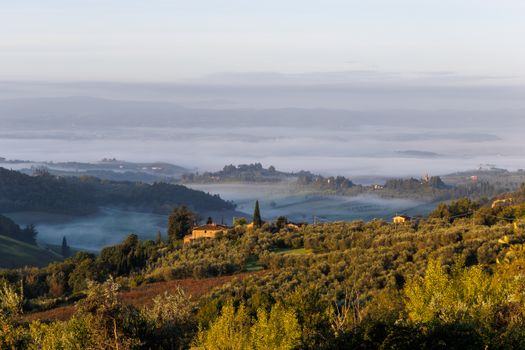
While Tuscany is full of "agriturismos," Poggio Alloro is the real deal. It’s a working organic farm where the Fioroni family still eats lunch together every day at a long wooden table.
The Harvest Experience:
This is the place for the "Underground Harvest." In the autumn, you can join the family and their trained dogs to hunt for white truffles in the damp earth of the San Gimignano hills. You’ll also help harvest the saffron—the "red gold" of the region—which must be picked at dawn before the flowers open.
- Pro-Tip: Skip the weekend crowds. Tuesday mornings are when the family does the heavy harvesting, and they’re more likely to let you help with the Chianina cattle.
- Insider Language: Ask about the "Vernaccia" fermentation process. They use a low-intervention method that results in a straw-colored wine with a distinct almond finish.
---
6. The Boreal Bounty: Fogo Island Inn, Canada
The Vibe: High-concept architecture on the edge of the North Atlantic.
Fogo Island isn't a "farm" in the traditional sense, but it is a masterclass in foraging-to-table logistics. On this rocky island off the coast of Newfoundland, "harvesting" means working with the seven seasons.
The Harvest Experience:
In the "Berry Season" (late summer/fall), you’ll head out onto the barrens with local "community hosts" to harvest partridgeberries, bakeapples, and marshberries. These aren't just snacks; they are the backbone of the island’s winter pantry. You’ll return to the Inn to learn traditional jam-making and preservation techniques.
- Pro-Tip: Pack a windbreaker. Even in summer, the North Atlantic breeze is sharp.
- Authenticity Check: The furniture in your room was likely built in the woodshop just down the road—ask for a tour of the "Punt Premises" to see the local boat-building heritage.
---
7. The Alentejo Cork Escape: São Lourenço do Barrocal, Portugal
The Vibe: Rustic-chic on a 2,000-year-old farming estate.
This estate has stayed in the same family for over 200 years. It’s a landscape of ancient holm oaks, olive groves, and megalithic monuments.
The Harvest Experience:
The "emerging" draw here is the Regenerative Viticulture workshop. Guests participate in the "green harvest," thinning the vines to ensure the highest quality grapes. You’ll also gather wild asparagus and golden thistles from the meadows, which the chef will then use to create a traditional açorda (bread soup).
- Pro-Tip: The night sky here is a "Starlight Tourism Destination." Plan your harvest during a new moon for the best stargazing in Europe.
- Quick Fact: The estate produces its own "Galega" olive oil—it’s incredibly smooth with a fruity, slightly spicy finish.
---
Quick Facts: Logistics & Budget
| Location | Best Time to Visit | Estimated Cost (Per Night) | Primary Harvest |
| :--- | :--- | :--- | :--- |
| Kinsterna, Greece | Oct - Jan (Olives) | $250 - $600 | Olives, Grapes, Citrus |
| Los Poblanos, USA | Aug - Sept (Chiles) | $400 - $750 | Lavender, Chiles, Honey |
| Satoyama Jujo, Japan | Late Sept (Rice) | $500 - $900 | Rice, Mountain Herbs |
| Babylonstoren, SA | Feb - March (Grapes) | $600 - $1,200 | Fruit, Vegetables, Wine |
| Poggio Alloro, Italy | Oct - Nov (Truffles) | $150 - $300 | Truffles, Saffron, Wine |
| Fogo Island, Canada | Aug - Oct (Berries) | $1,800+ (All-incl.) | Berries, Mushrooms, Fish |
| Barrocal, Portugal | Sept (Wine) | $450 - $800 | Grapes, Olives, Asparagus |
---
The Dirty Truth: Why You Should Go Now
We are witnessing a shift in the travel landscape. The "Instagrammable" infinity pool is being replaced by the "Instructional" vegetable patch. These farm stays offer something a luxury hotel can't: a sense of agency. There is a profound psychological shift that happens when you stop being a consumer and start being a producer.
When you harvest your own meal, you aren't just eating; you're participating in a cycle that has existed long before WiFi and will exist long after. So, pack your boots, leave the white linen at home, and get ready to work for your dinner. It will be the best meal you’ve ever had.
---