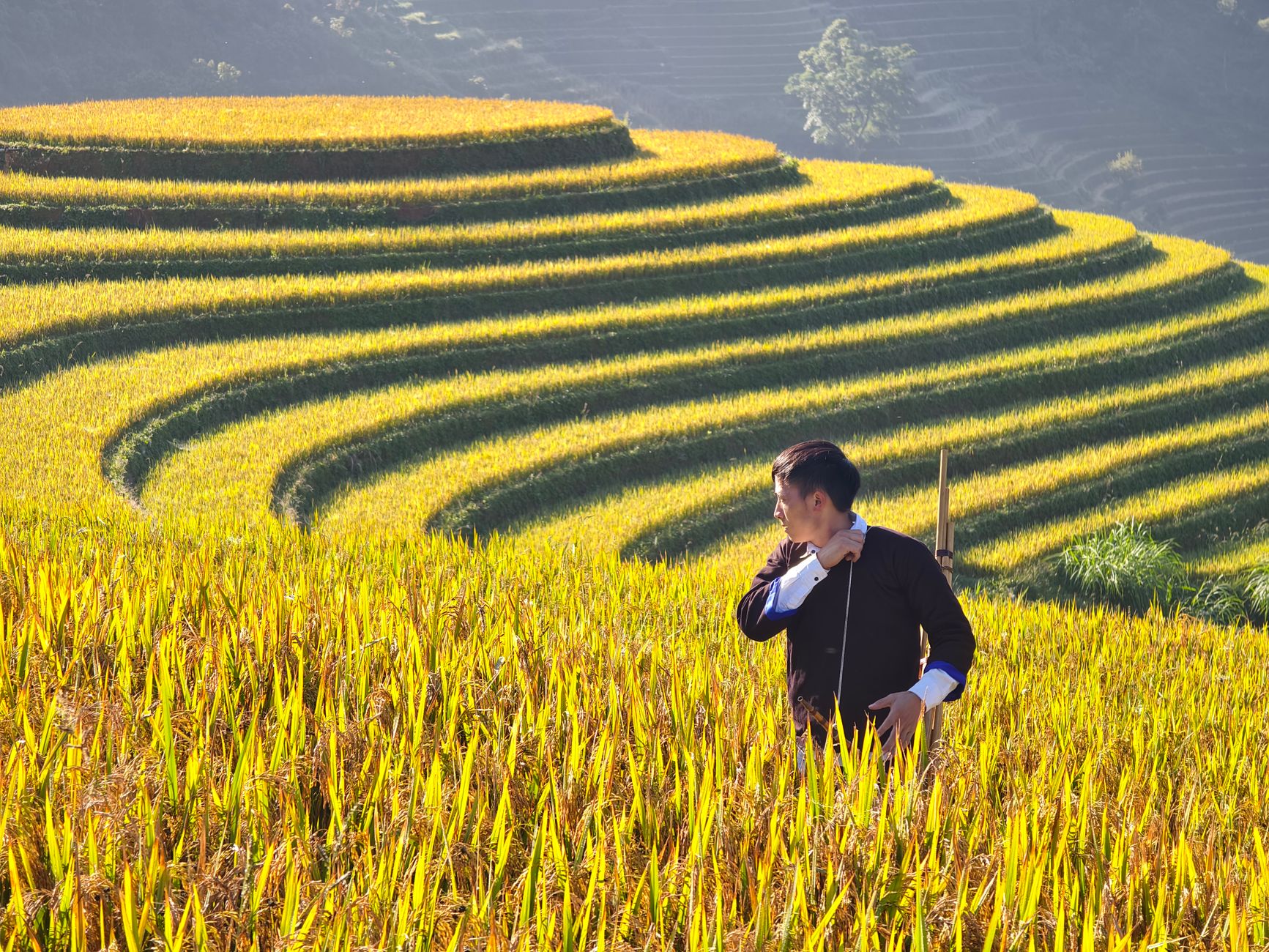
Remember that feeling when you scroll through Instagram in autumn? Every feed is a symphony of perfectly arranged pumpkin spice lattes, immaculate plaid scarves, and pristine apple orchards where not a single leaf is out of place. It’s beautiful, yes, but sometimes, a little… sterile. It makes you wonder if anyone actually does anything beyond posing for the perfect shot.
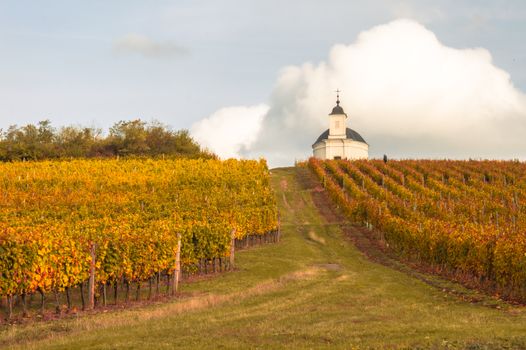
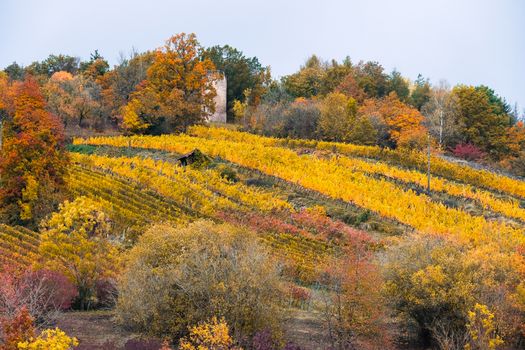
I used to be that person, meticulously planning my fall outfits for the 'gram, only to feel a nagging emptiness after the photo was taken. My turning point came a few years ago in a small Italian vineyard. My travel buddy, Marco, a man who believes life is best lived with dirt under your fingernails, convinced me to join a local grape stomping festival. I arrived in my cute fall dress, ready for a picturesque experience. What I got was sticky, purple-stained feet, a belly-aching laugh, and a genuine connection to the earth that a thousand filters couldn't replicate. My dress was ruined, but my soul felt utterly renewed.
That day sparked a revelation: the real magic of autumn isn't in the perfectly curated, but in the wonderfully messy, authentic experiences that connect you directly to the land and its bounty. These are the autumn harvests where you get your hands dirty, learn something new, and taste the true flavor of the season. These are the adventures that Instagram influencers often gloss over, perhaps because they don't always make for a perfectly clean shot, but they make for an utterly unforgettable story.
So, put away your pristine white sneakers, grab your grubbies, and prepare to dive into the real, raw beauty of autumn. Here are some incredible harvest experiences that will fill your senses, feed your soul, and give you stories worth far more than any double-tap.
---
1. The Grape Stomp: Where Bare Feet Meet Bountiful Grapes
Forget the elegant wine tastings for a moment and imagine yourself knee-deep (well, ankle-deep) in a vat of ripe grapes, feeling the squish between your toes, and laughing as you contribute to the oldest form of winemaking. This isn't just a quirky photo op; it's a sensory explosion, a connection to ancient traditions, and an incredibly fun way to appreciate the journey of grape to glass.
My first grape stomping experience, as I mentioned, was in Tuscany, at a small, family-run agriturismo called Agriturismo Diacceroni near Volterra. It wasn't advertised on any major tour site; I found it through a local recommendation. For about €80 per person, we got a tour of their organic vineyards, a delicious farm-to-table lunch with their own wine and olive oil, and then the main event: the stomping. They provided rubber boots, but everyone quickly shed them for the true experience. The feeling of the grapes bursting underfoot, the sweet, earthy smell, and the communal cheers as the juice flowed – it was pure, unadulterated joy. We even got to help with the initial fermentation process!
Where to find it:
While Italy (Tuscany, Piedmont) is famous, you can also find grape stomping festivals and experiences in France (Bordeaux, Burgundy), Spain (La Rioja), Portugal (Douro Valley), and even in emerging wine regions in California (Napa, Sonoma, Lodi) and Australia. Look for smaller, family-owned vineyards or agriturismos that focus on traditional methods.
When to go:
Late August through October, depending on the region and grape varietal.
Practical Tips:
* Wear old clothes: Seriously, you will get purple. And sticky.
* Bring a towel and a change of clothes: You'll want to clean up afterwards.
* Embrace the mess: The more you lean into it, the more fun you'll have.
* Ask about the process: Many places will explain the science and tradition behind it.
* Cost: Experiences can range from €50 to €150, often including a meal or tasting.
---
2. Cranberry Bogs: Wading Through a Crimson Sea
If you've only ever seen cranberries in a can, prepare to have your mind blown. The cranberry harvest is one of the most visually stunning and unique agricultural experiences you can have. Picture vast fields flooded with water, then thousands upon thousands of bright red cranberries floating on the surface, ready to be gathered. It's like stepping into a vibrant, living painting, but one where you're invited to literally jump in.
My visit to a cranberry bog in Carver, Massachusetts, at Edaville Family Theme Park (which also hosts bog tours during harvest season) was unforgettable. They offer tours, and during harvest, some farms allow visitors to don waders and step into the flooded bogs. For around $40-$60, I got to wear chest waders and wade into the sea of floating cranberries. The water was chilly, but the sight of the crimson carpet stretching to the horizon was breathtaking. You get a real sense of the effort and ingenuity involved in harvesting these tart little berries. It's messy, cold, and utterly exhilarating. You'll likely get a few cranberries stuck to your hair, but trust me, it’s worth it.
Where to find it:
Primarily in North America – Massachusetts, Wisconsin, New Jersey, Oregon, Washington, and British Columbia are major cranberry-producing regions.
When to go:
Late September to late October.
Practical Tips:
* Dress warmly: Even if the air is mild, the water can be quite cold.
* Wear layers: You'll be active, so you might warm up quickly.
* Rent or bring waders: Essential for stepping into the bog. Many tours provide them.
* Protect your electronics: Water-resistant phone cases are a must if you want photos.
* Book in advance: These tours are incredibly popular during harvest season.
* Cost: Tours typically range from $20-$75, with "wading in" experiences on the higher end.
---
3. Olive Picking: The Meditative Rhythm of the Mediterranean
There's something deeply grounding about olive picking. It's less about high-octane excitement and more about a meditative rhythm, a connection to ancient landscapes, and the promise of liquid gold. Imagine spending a crisp autumn day under the Mediterranean sun, gently coaxing olives from their branches, knowing that soon they'll be pressed into fresh, peppery olive oil.
I spent a week at an agriturismo in Puglia, Italy, called Masseria Moroseta, which offers olive harvest experiences as part of their stay in October and November. For a few hours each morning, alongside local farmers, I learned to use hand rakes to comb olives from the trees onto large nets spread beneath. The work was repetitive but incredibly satisfying, and the scent of the crushed leaves and ripe olives was intoxicating. The best part? At the end of the day, we'd gather the olives, and later in the week, witness them being pressed into vibrant, emerald-green extra virgin olive oil, which we then got to taste with fresh bread. It was a revelation of flavor and effort.
Where to find it:
Italy (Tuscany, Puglia, Sicily), Greece (Crete, Peloponnese), Spain (Andalusia), Portugal, Croatia (Istria), and California (Napa Valley, Paso Robles). Many agriturismos or smaller olive farms offer harvest experiences or "olive oil holidays."
When to go:
October to November, depending on the region and desired ripeness.
Practical Tips:
* Wear comfortable, sturdy shoes: You'll be on your feet and potentially on uneven ground.
* Bring gloves: To protect your hands from branches and sap.
* Look for "agriturismo" stays: Many offer immersive experiences.
* Ask about the pressing process: Understanding how the oil is made enhances the experience.
* Cost: Often included in a multi-day agriturismo stay, or a day workshop might be €100-€300.
---
4. Heirloom Apple Picking & Cider Pressing: Beyond the Red Delicious
Apple picking is a classic autumn activity, but let's be honest, many commercial orchards feel a bit like amusement parks. To truly connect with the apple harvest, seek out smaller, family-owned farms that specialize in heirloom varieties and offer hands-on cider pressing. This is where you discover apples you've never heard of, taste flavors that defy description, and witness the magic of fresh cider being made before your eyes.
My most memorable apple harvest wasn't about finding the perfect Gala. It was at Kiyokawa Family Orchards in Parkdale, Oregon, nestled in the Hood River Valley. They grow over 100 varieties of apples, many of them heirlooms. Instead of just picking, I joined a small workshop (about $25) where we learned about different apple types, how to identify them, and then participated in a small-scale cider pressing using an old-fashioned hand-crank press. The scent of freshly crushed apples was incredible, and the cider tasted nothing like store-bought – crisp, sweet, and tangy, with tiny bits of pulp. It was a true celebration of the apple's diversity.
Where to find it:
Upstate New York, Vermont, New Hampshire, Michigan, Pacific Northwest (Oregon, Washington), Normandy (France), and parts of the UK. Look for farms that advertise "heirloom varieties," "heritage orchards," or "cider pressing demonstrations."
When to go:
September to October.
Practical Tips:
* Go beyond the big names: Seek out smaller farms for unique varieties and experiences.
* Ask about cider pressing: Many smaller farms will have demonstrations or even allow participation.
* Bring your own bags/baskets: Often encouraged and more eco-friendly.
* Taste before you pick: Many farms offer samples of different varieties.
* Cost: Picking is usually charged by the pound, typically $1-$3 per pound. Workshops may be extra.
---
5. Mushroom Foraging: The Forest's Hidden Treasures
This is where the adventure truly begins. Mushroom foraging isn't just about finding food; it's about connecting with the forest, learning its secrets, and developing a keen eye for the hidden wonders beneath the canopy. But a crucial caveat: NEVER forage without an expert guide. The difference between a delicious meal and a dangerous mistake can be subtle.
My introduction to foraging was in the Black Forest region of Germany, near Freiburg. I hired a local guide, Thomas (found via the local tourism office, cost about €120 for a half-day private tour), who had been foraging since childhood. We set out early, armed with baskets and small knives. Thomas taught me how to identify edible varieties like porcini and chanterelles, distinguishing them from their poisonous lookalikes. It was like a treasure hunt, but with real stakes! The thrill of spotting a perfect porcini hidden beneath fallen leaves was immense. We spent hours walking, learning about the ecosystem, and by the end, our baskets were full. That evening, a local restaurant cooked up our findings – the freshest, most flavorful mushrooms I'd ever tasted.
Where to find it:
Pacific Northwest (USA), European forests (Black Forest, Scandinavia, parts of Italy and France), Appalachian Mountains. Look for specialized foraging tours or workshops.
When to go:
Late summer through late autumn, depending on the region and mushroom varieties.
Practical Tips:
* ALWAYS go with an experienced, certified guide: This cannot be stressed enough.
* Wear sturdy, waterproof hiking boots: You'll be off the beaten path.
* Dress in layers: Forest temperatures can fluctuate.
* Bring a wicker basket and a small, sharp knife: For harvesting and allowing spores to disperse.
* Learn basic identification: Even with a guide, it's fascinating to learn.
* Cost: Guided tours can range from $50-$200 per person, depending on duration and group size.
---
6. Truffle Hunting: The Scent of Luxury (and Mud)
If mushroom foraging is the forest's treasure hunt, truffle hunting is its most exclusive, aromatic quest. This isn't just about finding a delicacy; it's about witnessing the incredible partnership between human and dog, exploring ancient woods, and experiencing a taste of true culinary luxury that's earned through mud and early mornings.
My truffle hunting adventure took me to the rolling hills of Piedmont, Italy, near Alba – the capital of the white truffle. I booked a tour through Tartufo & Friends (around €250 for a private hunt and tasting), which connected me with a local trifolao (truffle hunter) named Giovanni and his Lagotto Romagnolo dog, Luna. We met at dawn, before the morning mist had fully lifted, and set off into a dense forest. Watching Luna work, sniffing the ground with intense focus, then digging frantically when she caught a scent, was mesmerizing. Giovanni gently extracted the fragrant white truffle she unearthed, and the earthy, musky aroma was intoxicating. We found three precious white truffles that morning! The experience concluded with a breakfast of eggs shaved with fresh truffles – an unforgettable, sensory feast.
Where to find it:
Italy (Piedmont, Umbria, Marche), France (Périgord, Provence), Croatia (Istria), Spain. White truffles are typically found from October to December, black truffles from November to March.
When to go:
Autumn and winter, specific months depend on the truffle variety.
Practical Tips:
* Book well in advance: Especially for white truffle season, spots fill up quickly.
* Wear old, sturdy clothes and waterproof boots: You'll be walking through forests, often in damp conditions.
* Prepare for an early start: Truffle dogs work best in the cool, quiet hours of the morning.
* Be patient and respectful: This is a delicate process, and the dogs are the real stars.
* Ask about a tasting afterwards: Many hunts include a meal or tasting to enjoy your findings.
* Cost: This is a premium experience, ranging from €150-€500+ for a hunt and tasting, depending on the region and exclusivity.
---
Embrace the Unfiltered Autumn
The autumn harvests I've shared are more than just activities; they are invitations to connect – with nature, with tradition, with the origins of our food, and with ourselves. They are moments of genuine wonder, often accompanied by dirt, sweat, and the kind of uncontrollable laughter that only comes from stepping out of your comfort zone.
These are the experiences that influencers might not feature prominently because they require more than a pretty filter. They demand presence, participation, and a willingness to get a little (or a lot) messy. But believe me, the memories you'll make, the flavors you'll savor, and the stories you'll gather will be far more enriching than any perfectly posed picture.
So, this autumn, dare to go beyond the curated feed. Seek out the real, the raw, and the wonderfully authentic. Which harvest adventure will you chase first?
Share your messy, marvelous autumn harvest adventures with us using #TripsoraHarvest and inspire others to ditch the filters for genuine connection!
---