The Hook:
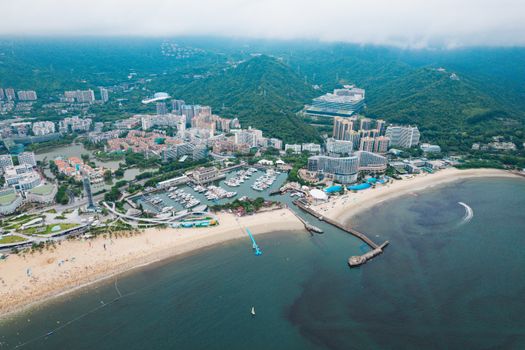
I stepped off the overnight ferry, the salty air still clinging to my skin, and the scent of roasting spices – cardamom, star anise, and something wonderfully unfamiliar – hit me like a warm hug. The dawn was just breaking, painting the sky in hues of rose and apricot, and the gentle murmur of a city waking up was a symphony of exotic languages and the distant clatter of market stalls being set up. This wasn't just another sunrise; it was an invitation, a whisper of secrets waiting to be discovered in a place that promised more than just a postcard view. I was in Batumi, Georgia, a city buzzing with a unique energy, a testament to the innovative approach of economic zones that are redefining how we travel.
The Rise of the Privileged Tourist Zone
For years, economic zones were the domain of businesses, hubs of trade and innovation often hidden from the casual traveler. But something has shifted. Savvy governments and forward-thinking developers are realizing the immense potential of leveraging these specialized areas to attract tourism, offering tangible benefits to visitors that go far beyond typical tourist traps. This spring, a select few of these economic zones are stepping into the spotlight, offering a compelling blend of affordability, exclusivity, and unparalleled cultural immersion. They are the new frontier for the discerning traveler, the ones who crave authenticity and value.
1. Batumi, Georgia: The Black Sea's Emerging Gem
My first taste of this new wave of tourism was in Batumi, Georgia. Known for its stunning coastline and vibrant nightlife, Batumi is also designated as a "Free Industrial Zone" (FIZ). While the primary focus is trade, the ripple effect for tourists is significant.
- What's the Privilege? Beyond the general allure of Georgia's visa-free policy for many nationalities, Batumi's FIZ status often translates to more competitive pricing for goods and services. Think duty-free shopping that feels less like a sterile airport experience and more like discovering local treasures.
- Insider Scoop: While not strictly 'tourist privileges,' the infrastructure development spurred by the FIZ means modern amenities and efficient services are readily available. I found the public transport to be surprisingly efficient, and the hotel rates, even for beachfront properties, were refreshingly reasonable compared to other Black Sea destinations. The burgeoning culinary scene, fueled by local produce and a growing entrepreneurial spirit, is a direct benefit.
- Pro-Tip: For an authentic taste, skip the main tourist strips and head to the Old Town’s smaller eateries. Look for places filled with locals – that’s where you’ll find the best Khachapuri and Adjarian cuisine. Visit the Botanical Garden at sunrise for breathtaking views with minimal crowds.
2. Ras Al Khaimah, UAE: Beyond the Glitter
The United Arab Emirates is synonymous with luxury, but Ras Al Khaimah (RAK) is carving out its own unique niche, often overlooked in favor of its glitzier neighbors. RAK is actively developing itself as a hub for tourism and business, with specific incentives that benefit visitors.
- What's the Privilege? While not a traditional FIZ, Ras Al Khaimah has implemented significant tourism development initiatives, including special packages and streamlined visa processes for certain nationalities, aiming to boost visitor numbers. The emirate is also known for its competitive pricing on luxury experiences, making that desert safari or spa retreat more accessible.
- Authentic Experience: RAK offers a more grounded UAE experience. I spent an unforgettable afternoon exploring the Jebel Jais Flight, the world's longest zipline, feeling the raw thrill against a backdrop of rugged mountains. The ancient Dhayah Fort offers panoramic views and a glimpse into the region's history, far from the crowds of Dubai.
- Pro-Tip: Rent a 4x4 and explore the Wadi Showka for incredible hiking and natural pools. Look for 'Experience RAK' promotions online – they often bundle activities and accommodation for significant savings. The Thursday night souk in the Old Town is a must-visit for local crafts and street food.
Quick Facts: Ras Al Khaimah
| Category | Details | Estimated Cost ($) |
| :-------------- | :--------------------------------------- | :----------------- |
| Best Time | October - April (Pleasant weather) | N/A |
| How to Get | Fly into Dubai International Airport (DXB) and take a 45-minute drive or shuttle. | $50 - $100 (transport) |
| Accommodation | Wide range from budget hotels to luxury resorts. | $70 - $300+ per night |
| Activities | Ziplining, desert safaris, historical sites, water sports. | $50 - $200+ per activity |
3. Zanzibar, Tanzania: Spice, Sun, and Savings
This semi-autonomous archipelago off the coast of Tanzania is a jewel of the Indian Ocean, steeped in history and natural beauty. While a well-established tourist destination, its unique economic status and ongoing development create opportunities for savvy travelers.
- What's the Privilege? Zanzibar has a special economic status that, while primarily aimed at trade and investment, contributes to competitive pricing in certain sectors. More importantly for tourists, the island is a hub for diving and eco-tourism, with numerous operators offering packages that represent excellent value. The recent focus on sustainable tourism also means many lodges and tour operators are offering attractive off-season or shoulder-season deals.
- Sensory Delight: The air in Stone Town is thick with the intoxicating aroma of cloves, cinnamon, and vanilla – the legacy of its spice trade past. Wandering through its labyrinthine alleys, I felt transported back in time, the weathered coral stone buildings whispering tales of sultans and explorers. The turquoise waters teem with marine life, and a snorkeling trip to Mnemba Atoll is an absolute must.
- Insider's Gem: Don't miss a spice tour! It's not just about smelling spices; it's about understanding their medicinal properties and culinary uses. For a truly local experience, take a dhow cruise at sunset from Nungwi beach.
- Pro-Tip: Stay in smaller, locally-owned guesthouses in Stone Town for a more authentic and budget-friendly experience. Negotiate prices for taxis and souvenirs (politely, of course!).
Quick Facts: Zanzibar
| Category | Details | Estimated Cost ($) |
| :-------------- | :--------------------------------------- | :----------------- |
| Best Time | June - October (Dry season), December - February (Hot, dry) | N/A |
| How to Get | Fly into Abeid Amani Karume International Airport (ZNZ). | $600 - $1200+ (flights, depending on origin) |
| Accommodation | Beach bungalows, Stone Town guesthouses, luxury resorts. | $50 - $500+ per night |
| Activities | Spice tours, snorkeling, diving, historical tours, beach relaxation. | $30 - $150+ per activity |
4. Penang, Malaysia: A UNESCO World Heritage Feast
Penang, particularly its capital George Town, is a UNESCO World Heritage Site renowned for its vibrant street art, colonial architecture, and, most famously, its incredible food scene. While not a formal 'economic zone with tourist privileges' in the traditional sense, its designation and the Malaysian government's focus on tourism development translate into significant advantages for visitors.
- What's the Privilege? The sheer affordability of world-class food and accommodation in Penang is its primary 'privilege.' The government actively promotes Penang as a cultural and culinary destination, leading to well-maintained infrastructure and a generally welcoming environment for tourists. The ease of getting around and the abundance of free or low-cost activities contribute to its budget-friendly appeal.
- A Feast for the Senses: George Town is a living museum. I spent hours getting lost in its streets, discovering hidden temples, quirky cafes, and the iconic street art that adorns almost every wall. The air is a constant hum of activity, punctuated by the sizzle of woks and the calls of hawkers selling everything from Char Kway Teow to Nasi Lemak.
- Culinary Capital: Penang is often called the food capital of Malaysia, and for good reason. The fusion of Malay, Chinese, and Indian influences has created a truly unique and delicious cuisine. Don't leave without trying the Assam Laksa, a tangy and spicy fish noodle soup, or the Rojak, a fruit and vegetable salad with a sweet and savory peanut dressing.
- Pro-Tip: Join a guided street art walking tour to discover the best pieces and learn about their stories. For food, embrace the hawker stalls – they offer the most authentic and affordable meals. Visit the Kek Lok Si Temple early in the morning to avoid the crowds and enjoy the serene atmosphere.
Quick Facts: Penang
| Category | Details | Estimated Cost ($) |
| :-------------- | :--------------------------------------- | :----------------- |
| Best Time | December - February (Dry and cooler) | N/A |
| How to Get | Fly into Penang International Airport (PEN). | $700 - $1500+ (flights) |
| Accommodation | Boutique hotels in heritage buildings, guesthouses, modern hotels. | $40 - $200+ per night |
| Activities | Street art hunting, food tours, temple visits, cultural walks. | $10 - $50+ per activity |
5. The Azores, Portugal: Volcanic Wonders and Untamed Beauty
This autonomous region of Portugal, an archipelago in the mid-Atlantic, is a paradise for nature lovers and adventure seekers. While not a 'zone' in the industrial sense, its unique status as an outermost region of the EU and its government's commitment to sustainable tourism offer distinct advantages.
- What's the Privilege? The Azores benefit from EU funding and policies that support sustainable development and tourism. This translates into well-maintained natural parks, excellent hiking trails, and a strong emphasis on eco-friendly tourism operators, often with competitive pricing for activities like whale watching and canyoning. The relative remoteness also means fewer crowds and a more authentic experience.
- A Symphony of Green and Blue: Stepping onto São Miguel, the largest island, felt like entering another world. Lush, emerald green landscapes dotted with vibrant blue hydrangeas met dramatic volcanic craters and steaming hot springs. The air is clean and crisp, carrying the scent of the sea and damp earth. Hiking around the Sete Cidades caldera, with its twin lakes of blue and green, was an experience I won't soon forget.
- Adventure Awaits: Whether it's whale watching off the coast of Pico, canyoning down waterfalls on São Miguel, or soaking in the natural thermal pools of Furnas, the Azores offer adrenaline-pumping activities at reasonable prices.
- Pro-Tip: Rent a car to explore the islands at your own pace. Book whale watching tours with reputable companies that prioritize ethical practices. Don't miss trying the local Cozido das Furnas – a stew cooked underground by volcanic heat!
Quick Facts: The Azores
| Category | Details | Estimated Cost ($) |
| :-------------- | :--------------------------------------- | :----------------- |
| Best Time | May - September (Warmer, more stable weather) | N/A |
| How to Get | Fly into Ponta Delgada (PDL) on São Miguel, or other island airports. | $500 - $1000+ (flights) |
| Accommodation | Guesthouses, rural tourism houses (Quintas), hotels. | $60 - $250+ per night |
| Activities | Whale watching, hiking, canyoning, hot springs, scenic drives. | $40 - $150+ per activity |
Why This Spring is the Time to Go
This spring, these economic zones and regions with special tourist initiatives are hitting their stride. They offer a compelling alternative to overcrowded, over-hyped destinations. You'll find:
- Unbeatable Value: From tax-free shopping opportunities to more affordable accommodation and activities, your travel budget stretches further.
- Unique Experiences: These zones are often pioneers in niche tourism, offering activities and cultural encounters you won't find elsewhere.
- Fewer Crowds: By tapping into these less-obvious destinations, you can enjoy a more relaxed and authentic travel experience.
- Authenticity: These places are not solely designed for tourists. You’re experiencing them as they are, with all their local charm and character.
Planning Your Privileged Adventure
Navigating these unique destinations requires a bit of insider knowledge, but the rewards are immense. Start by researching the specific incentives or special status of the zone you're interested in. Look for official tourism websites, government trade portals, and reputable travel blogs (like Tripsora!) for the latest information on deals and requirements. Booking in advance, especially for popular activities, is always a good idea.
The world of travel is constantly evolving, and these economic zones with special tourist privileges are at the forefront of this exciting shift. This spring, step off the beaten path and discover a new way to explore – a way that's smarter, more rewarding, and incredibly adventurous.
---