Banned Sips Abroad: How Forbidden Drinks Transformed My Travels Forever
Growing up, the concept of alcohol was a whispered secret, a forbidden fruit, a distant, almost mythical entity. In my home country, even a single drop was off-limits, a strict prohibition that shaped my entire upbringing. I knew it existed, of course, from movies and hushed conversations, but it felt as remote as a distant galaxy. The idea of tasting it, let alone understanding its cultural significance, was simply unimaginable.
Then, I started traveling. And with each stamp in my passport, a new world unfurled, not just of landscapes and languages, but of flavors, aromas, and social rituals I’d never encountered. What began as a cautious curiosity quickly blossomed into a profound journey of discovery, particularly around the very drinks that were so vehemently 'banned' back home. These weren't just beverages; they were keys to understanding different societies, breaking down my own preconceived notions, and ultimately, changing my life forever.
Join me, fellow wanderlusters, as I recount some of the most impactful, eye-opening sips that shattered my world and rebuilt it with a richer, more vibrant palette.
The First Spark: A Pint of Guinness in Dublin – More Than Just a Stout
My first solo trip took me to Dublin, Ireland. The air buzzed with a vibrant energy, a stark contrast to the quiet reverence I was accustomed to. I remember stepping into a cozy pub, "The Brazen Head," Ireland's oldest pub, founded in 1198. The scent of roasted barley and hops hung heavy, a warm, inviting aroma I’d never experienced. My heart pounded a little faster than usual. This was it. The moment I would break a lifelong taboo.
I ordered a pint of Guinness. The bartender, a jovial man with a twinkle in his eye, placed the dark, creamy liquid before me. It looked like liquid velvet, topped with a thick, white head. My first sip was tentative, a small act of rebellion. The taste was astonishing – rich, malty, with notes of coffee and chocolate, yet surprisingly smooth and not bitter. It wasn't the harsh, burning liquid I'd imagined. It was complex, comforting, and utterly delicious.
But it wasn't just the taste. It was the atmosphere. Around me, people laughed, sang, and shared stories. The Guinness wasn't just a drink; it was a social lubricant, a symbol of camaraderie, a thread woven into the very fabric of Irish culture. I sat there for hours, nursing my pint, listening to traditional music, and feeling an unprecedented sense of belonging. It was a revelation: alcohol wasn't inherently evil; it was a part of human connection, history, and celebration. That evening, I didn't just taste beer; I tasted freedom and community.
Practical Tip:
Don't just drink a Guinness; experience it. Find a traditional Irish pub, preferably with live music. Take your time, let it settle, and savor each sip. Engage with the locals – they'll often have the best stories and recommendations. Prices for a pint typically range from €5-€7.
The Art of the Grape: A Tuscan Vineyard and the Soul of Wine
My journey continued, leading me to the rolling hills of Tuscany, Italy. Here, wine wasn't just a drink; it was an ancient art form, a legacy passed down through generations. I booked a tour at a small, family-run vineyard called "Fattoria di Maiano" near Fiesole, just outside Florence. The sun kissed the grapevines, and the air was sweet with the scent of fermenting fruit.
Our guide, a passionate vintner named Marco, explained the intricate process of winemaking, from soil to bottle. He spoke of terroir, vintage, and the soul of the grape with such reverence, it was impossible not to be captivated. Then came the tasting. We sampled several wines, from a crisp Vernaccia to a robust Chianti Classico. Each had its own story, its own personality.
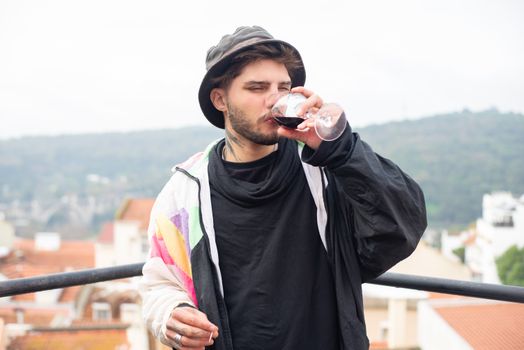
I remember my first taste of their Sangiovese. It was a deep ruby red, smelling of cherries and earthy spice. On the palate, it was dry, with a pleasant acidity and a long, lingering finish. It was elegant, sophisticated, and deeply rooted in its land. I learned to swirl the glass, to observe the 'legs,' to appreciate the subtle nuances of flavor. It wasn't about getting a buzz; it was about sensory exploration, history, and understanding the meticulous craft behind each bottle. This experience taught me patience, appreciation for the natural world, and the joy of slow, mindful consumption. It challenged my initial simplistic understanding of 'alcohol' and introduced me to a world of refined pleasure.
Practical Tip:
When visiting a wine region, opt for smaller, family-run vineyards. They often offer more personal tours and insights. Don't be afraid to ask questions. Learn about food pairings – a good wine enhances a meal beautifully. Vineyard tours often cost €20-€50, sometimes including a light lunch.
The Green Fairy's Embrace: Absinthe in Prague – A Journey into History
Prague, with its gothic spires and cobblestone streets, felt like stepping into a fairytale. It was here that I encountered a drink steeped in legend and controversy: Absinthe. Banned for nearly a century in many parts of the world due to its supposed hallucinogenic properties, it was the ultimate 'forbidden' drink. My curiosity was piqued.
I found a small, atmospheric bar called "Absintherie" in the Old Town. The bartender, sensing my intrigue, guided me through the traditional preparation: a sugar cube placed on a slotted spoon, water slowly dripped over it, turning the clear green liquid into a milky, opalescent swirl – the "louche." The aroma was intense, a potent mix of anise, wormwood, and other botanicals.
My first sip was surprisingly smooth, followed by a powerful, complex herbal flavor that lingered. It wasn't hallucinogenic, but it did produce a unique clarity of mind, a gentle buzz that felt more like heightened awareness than intoxication. We talked about its history, its association with artists and writers like Van Gogh and Hemingway, and how its reputation was largely exaggerated.
This experience taught me about the power of myth, the dangers of misinformation, and the importance of experiencing things firsthand before forming opinions. It was a journey into a drink's past, a cultural artifact that had been unfairly demonized. It was a reminder that fear often stems from misunderstanding, and true discovery requires an open mind.
Practical Tip:
If trying Absinthe, do so at a reputable bar with knowledgeable staff who can guide you through the traditional preparation. Never drink it neat; always dilute it with water. A glass of Absinthe can cost anywhere from 150-300 CZK (€6-€12).
The Tropical Elixir: Pisco Sour in Lima – A Taste of Peruvian Pride
My adventures took a vibrant turn in Lima, Peru. The culinary scene here is legendary, and at its heart beats the Pisco Sour. This wasn't just a drink I'd never encountered; it was a national symbol, a source of immense pride for Peruvians.
I was at "Maido," one of Lima's top restaurants, known for its Nikkei cuisine. Before our meal, I ordered a Pisco Sour. It arrived in a classic coupe glass, a frothy, pale yellow concoction topped with a few dashes of Angostura bitters. The aroma was citrusy and slightly sweet.
The first sip was electrifying: a perfect balance of tart lime, sweet simple syrup, the distinct grape brandy flavor of Pisco, and the silky texture of egg white. It was refreshing, sophisticated, and utterly unique. My server explained the fierce debate between Peru and Chile over its origin, emphasizing the Peruvian claim with a proud smile.
This drink wasn't just a cocktail; it was a conversation starter, a cultural touchstone. It taught me about national identity, the passion people hold for their heritage, and how food and drink can embody a country's spirit. It showed me that 'banned' drinks in my homeland were celebrated traditions elsewhere, connecting people to their roots and to each other. I felt a profound respect for this liquid heritage.
Practical Tip:
Look for a Pisco Sour made with fresh lime juice and good quality Pisco. Many high-end restaurants and dedicated Pisco bars will offer the best versions. Don't be shy about asking about the different types of Pisco. Expect to pay 25-45 soles (€6-€11) in a nice establishment.
The Spirit of the Samurai: Sake in Kyoto – A Ritual of Refinement
Japan, a land of ancient traditions and meticulous craftsmanship, introduced me to Sake. Like wine in Italy, Sake in Japan is more than just an alcoholic beverage; it's deeply ingrained in religious ceremonies, social gatherings, and everyday life.
In Kyoto, I visited a traditional izakaya – a casual Japanese pub – called "Gion Hatanaka." The hostess, in a beautiful kimono, helped me choose from an extensive menu of sake. I opted for a Junmai Daiginjo, a premium sake known for its delicate flavor. It was served chilled in a small, elegant ceramic cup.
The first sip was unlike anything I'd ever tasted. It was clean, crisp, with subtle fruity and floral notes, and a surprisingly smooth finish. It wasn't strong or harsh; it was refined, almost ethereal. We paired it with small plates of sashimi and tempura, and the sake perfectly complemented the delicate flavors of the food.
This experience was a lesson in mindfulness and appreciation for subtlety. It wasn't about the quantity, but the quality, the ritual, and the harmonious pairing with food. It taught me that 'drinking' could be an act of quiet contemplation, a way to enhance a meal and connect with a rich cultural heritage. It completely redefined my understanding of what an alcoholic drink could be – not just a means to an end, but an end in itself, a testament to artistry and tradition.
Practical Tip:
Don't be intimidated by the variety of sake. Start with a Junmai or Ginjo grade, which are usually well-balanced. Ask the staff for recommendations based on your preferences. Sake can be served warm or cold, depending on the type. A small carafe (tokkuri) can range from 800-2000 JPY (€5-€12) depending on quality.
The Bespoke Elixir: A Crafted Cocktail in a New York Speakeasy – Personalizing Pleasure
My journey full circle brought me to the vibrant, innovative cocktail scene of New York City. Here, behind an unassuming door in the Lower East Side, I found "Attaboy," a speakeasy where there's no menu. Instead, you tell the bartender your preferences, and they craft a unique drink just for you.
I explained my journey, my background, and my newfound appreciation for complex flavors. The bartender, a true artist, listened intently. He then went to work, shaking, stirring, and muddling with precision. He presented me with a stunning creation: a deep amber liquid in a chilled coupe, garnished with an orange peel. It smelled of aged spirits, subtle spices, and a hint of citrus.
The taste was extraordinary – a perfectly balanced symphony of sweet, bitter, and aromatic notes, with a smooth, warming finish. It was a drink that felt tailor-made for me, a culmination of all my sensory discoveries. It was an experience of personalized luxury, an ode to creativity and skill.
This final 'banned' drink experience was perhaps the most profound. It showed me that beyond cultural traditions and historical significance, there was also boundless innovation and personal expression. It wasn't about defying a ban anymore; it was about celebrating the endless possibilities of flavor, artistry, and human ingenuity. It was a testament to how far I had come, from a place of prohibition to a world of boundless choices and refined appreciation.
Practical Tip:
Seek out speakeasies or craft cocktail bars in major cities. Don't be afraid to engage with the bartender and describe what you like. These experiences are often pricier, but worth it for the quality and artistry. Cocktails typically range from $18-$25 in high-end establishments.
Beyond the Sip: What These Forbidden Drinks Taught Me
These experiences were about so much more than just tasting alcohol. They were about:
- Cultural Immersion: Each drink was a gateway to understanding a country's history, social customs, and national identity.
- Challenging Preconceptions: They shattered my ingrained beliefs about what 'alcohol' was, replacing fear with fascination and judgment with appreciation.
- Sensory Awakening: I learned to truly taste, smell, and appreciate the nuances of flavor, transforming drinking from a simple act into a mindful experience.
- Human Connection: Sharing a drink became a universal language, fostering camaraderie and understanding across cultural divides.
- Personal Growth: Stepping outside my comfort zone and embracing the unknown led to an incredible expansion of my worldview and a deeper understanding of myself.
My home country's laws might have forbidden these liquids, but the world offered them as gifts – gifts of culture, history, and personal liberation. They didn't just change my palate; they changed my perspective, my empathy, and my entire approach to travel and life.
Your Turn: Embrace the Unknown!
If there's something 'forbidden' or simply unfamiliar in your own cultural context, I urge you to explore it responsibly and respectfully when you travel. Whether it's a specific food, a social custom, or yes, even a drink, these experiences are often where the deepest learning and most profound personal growth occur.
What 'banned' or unusual drinks have you discovered on your travels? What stories do they tell? Share your experiences in the comments below – I'd love to hear them! Let's inspire each other to keep exploring, keep tasting, and keep growing.
---