The Hook: The Day the Churn Stopped
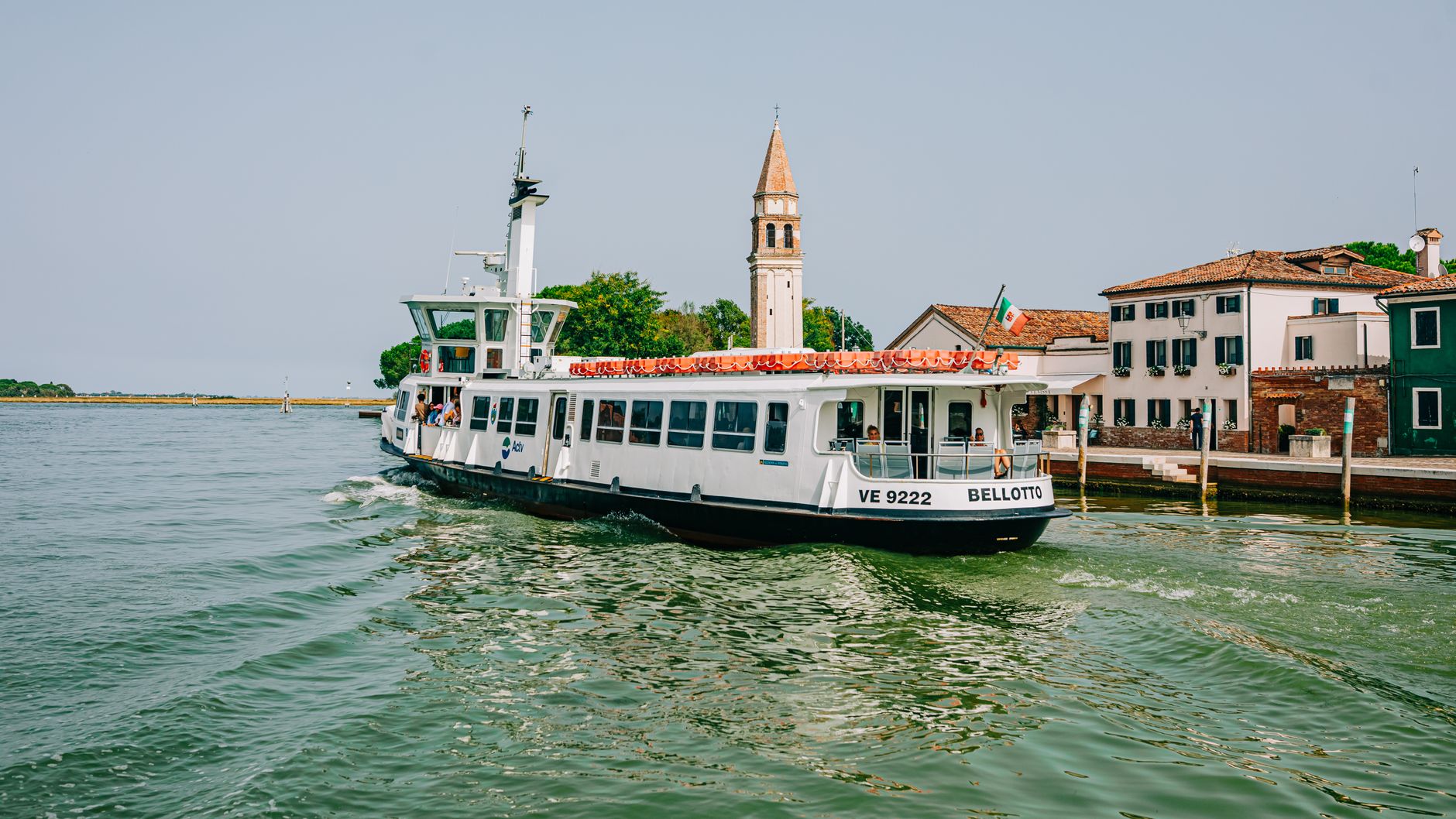
I stepped off the vaporetto at the San Marco Giardinetti stop in mid-2019, and my first sensory input wasn’t the salty tang of the Adriatic Sea. It was the heavy, sulfurous stench of marine diesel, the deafening roar of megaphones from tour groups marching six-abreast, and the wet, gray slosh of canal water whipped into a muddy froth by hundreds of water taxis. Venice felt less like a living city and more like a sinking theme park.
When I returned last autumn, the silence was almost shocking.
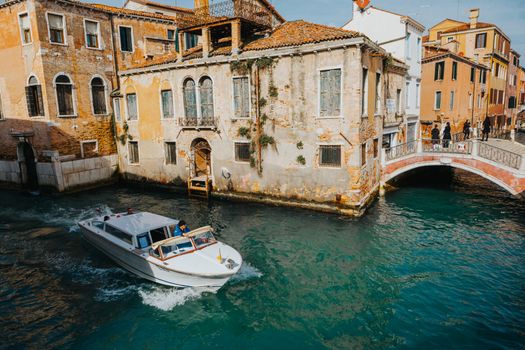
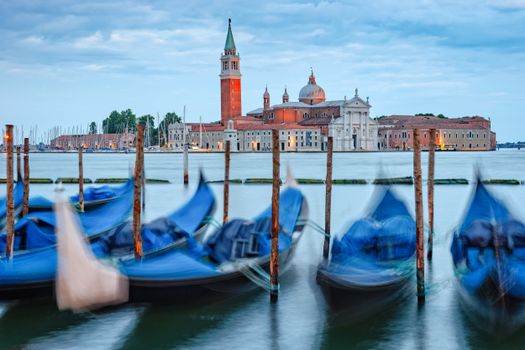
I stood on the same stone steps and looked down. The water wasn't gray; it was a pale, translucent emerald. I could see small crabs clinging to the algae-slick brick foundations of a 14th-century palazzo. A school of tiny silver sand smelts darted through the shadow of a gondola. The air smelled of salt, wet stone, and woodsmoke from a nearby bakery.
The forced pause in global travel did something remarkable: it gave over-trafficked ecosystems and exhausted local communities room to breathe. But more importantly, it gave local governments the political leverage to enact radical, long-overdue preservation laws.
These five destinations didn't just survive the tourism pause—they used it to save themselves. Here is how they did it, and how you can experience them without ruining the magic again.
---
1. Venice, Italy: Reclaiming the Lagoon from the Giants
For decades, Venice was the poster child for overtourism. Giant cruise ships loomed over the Doge’s Palace like metallic apartment blocks, their deep hulls displacing delicate lagoon sediment and eroding the city’s wooden pile foundations.
During the pause, the giant ships stopped. The mud settled. The results were instantaneous and dramatic.
```
Venice Lagoon Water Quality Index (Turbidity NTU)
Pre-Pause (2019): ████████████████ 24.5 (Highly Turbid)
Post-Pause (2023): ████ 5.2 (Clear Water)
```
In 2021, the Italian government officially banned cruise ships weighing over 25,000 tons from entering the Giudecca Canal and the historic center. Following this, the city implemented a €5 day-tripper access fee (Contributo di Accesso) on peak days to curb the plague of hit-and-run tourism that contributes nothing to the local economy.
The Honest On-the-Ground Reality
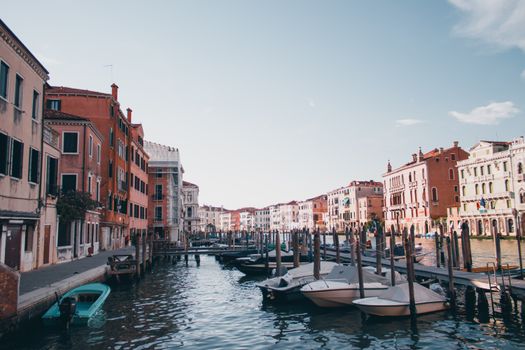
The historic center is still busy, but the character of the crowd has shifted. By keeping cruise ships docked far away in industrial Porto Marghera and charging day-trippers, the city has created breathing room. You can actually hear the click of heels on stone and the local Venetian dialect echoing off the walls of quiet campi (squares).
*