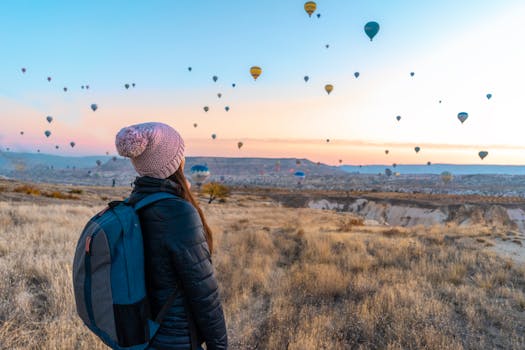
A growing number of destinations manage visitor numbers through permanent caps, permit requirements or timed entry. These measures are usually introduced to protect fragile ecosystems, historic structures, local infrastructure or the quality of life of residents. For travelers, they can change how a trip is planned, because access may depend on booking well in advance, following specific rules or accepting that some dates or times are unavailable. This guide explains why visitor limits exist, how common systems work and how to plan a visit that respects them without losing the experience you came for.
Why visitor limits exist
The reasons for caps vary. Natural sites may be affected by trampling, erosion, wildlife disturbance or pressure on water and waste systems. Historic buildings can suffer from wear and humidity changes caused by large crowds. Some island and mountain destinations have limited transport capacity, meaning that visitor numbers can overwhelm roads, ferries or accommodation.
Local communities also benefit from limits. Residents may face higher housing costs, congestion and reduced access to public spaces when tourism grows rapidly. Managing numbers can protect daily life as well as the environment and heritage. Authorities usually publish the reasons for their rules, which can help travelers understand the purpose behind them.
Common types of management systems
Visitor management takes several forms. Some places operate a daily cap on the number of people allowed in, which can be reached early in the day or in peak periods. Others use timed entry, where a visitor reserves a specific time slot. Permit systems may require applications for certain routes, camping areas or protected zones, sometimes with limits on group size.
Other destinations use advance registration, licensing for guides, or fees that vary by season or activity. Rules can differ between parts of the same site, so read the official guidance for each area you plan to visit. Systems can also change, so check current information before making arrangements.
Planning around permits and timed entry
Start with official sources. Use the website of the relevant park, museum, government body or local authority, since third-party websites may not reflect the latest rules. Note booking windows, which can open weeks or months ahead, and set reminders if you need to act quickly.
Build flexibility into your itinerary. If your first preferred date is unavailable, consider alternative days or times, and avoid making non-refundable bookings that depend on a single entry slot. Carry proof of your reservation, such as a printed or digital ticket, and arrive at the start of your time window with some margin for queues and security checks.
Respecting the rules on site
On site, follow the instructions of staff and signage closely. Stay on marked paths, keep to permitted areas and avoid touching or climbing on features that are sensitive. Do not feed wildlife, and keep a safe distance from animals.
Consider the cumulative effect of your presence. Even when a site is within its cap, visitors can concentrate in popular spots at the same time. Visiting early or late in the day, or choosing less crowded areas, can improve both your experience and the site's condition.
Alternatives and timing
If a popular destination is fully booked, consider nearby alternatives that offer similar landscapes or heritage without the same pressure. Off-peak seasons can also provide a calmer visit, although weather and services may vary, and some attractions may have reduced hours.
Travel planning is easier when you allow extra time. Build a buffer into your schedule so that a missed reservation or a change in rules does not derail the whole trip. Local tour operators that hold the relevant permits can sometimes handle bookings more smoothly, but check that they are authorized.
Practical tips
- Check official websites for current caps, permit rules and booking windows.
- Set reminders for when reservations open, since popular slots can fill quickly.
- Keep proof of your entry ticket or permit on your phone and in print.
- Plan alternative dates or nearby destinations in case your first choice is full.
- Follow site rules on paths, wildlife and protected areas at all times.
- Use licensed guides where required and confirm their credentials.
Common mistakes to avoid
One frequent error is assuming that a site is open to visitors on any day it is listed as open. Many caps apply to specific entry windows, so a ticket for the morning may not allow access in the afternoon. Another mistake is buying a permit for one zone and assuming it covers neighbouring areas, which is often not the case. Travelers also sometimes treat a reservation as optional until they reach the entrance, only to discover that the confirmation was never sent or that identification must match the name on the booking. Planning for a group larger than the permit allows can lead to refusal at the gate, even when everyone else in the party has prepared carefully. Finally, some visitors read an older guide, assume the rules are unchanged and find that the system has been revised since the guide was written.
Who this suits and who it does not
Capped destinations tend to suit travelers who enjoy planning, are comfortable committing to fixed times and value quieter surroundings. They may be less suitable for people who prefer spontaneous days, families with very young children who tire quickly, or anyone whose schedule can change at short notice. Some visitors feel that a single timed experience is worth the effort of planning, while others prefer a looser itinerary with more open-ended stops. Neither approach is wrong. Matching the system to your temperament and to the people you travel with usually makes the visit more enjoyable, and it can help to decide early which parts of the trip are fixed and which can flex.
Frequently asked questions
Can I visit a capped site without booking in advance?
It depends on the site. Some reserve a portion of places for walk-in visitors, but many fill their daily limits well ahead, so it is safer to assume a reservation is needed unless official information says otherwise.
Do caps mean the site is closed to most visitors?
Usually not. Caps are typically set to balance access with protection, so the site normally remains open within its limits, and the rules may be adjusted over time as conditions change.
Are the rules the same everywhere?
No. Each place sets its own requirements, so the rules for one site cannot be assumed for another, even when the sites are in the same country or region.
Visitor caps and permit systems can feel inconvenient, but they exist to keep special places worth visiting for the long term. Plan early, verify the rules with official sources and treat the restrictions as part of the experience. A well-managed visit benefits the destination, the community and the traveler alike.