The Rebirth of Travel: Destinations That Survived the Pandemic Better Than Ever in August 2026
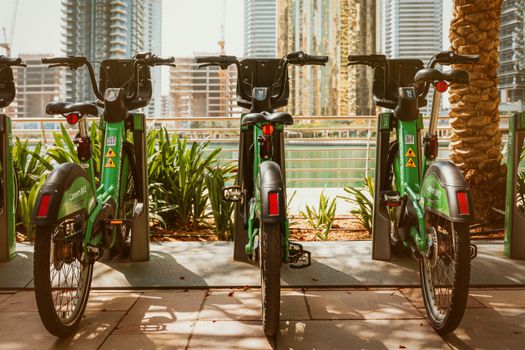
I stepped off the train at Ljubljana’s central station, and the first thing that hit me wasn't diesel exhaust or sulfur—it was the sharp, resinous perfume of blooming lime trees and the crisp undertone of damp limestone from the Ljubljanica River. No idling taxicabs. No roar of combustion engines. Just the low hum of electric shuttles, the rhythmic clicking of bicycle hubs, and the clinking of wine glasses along paved embankments where motor vehicles were banned years ago.
Back in 2020, critics warned that global tourism might take a decade to recover. They were half-right. The old model—hyper-crowded buses dumping thousands of tourists at fragile monuments—died. In its place, an elite group of cities took a radical gamble: they used the pause to overhaul their infrastructure, restrict mega-cruises, empower hyper-local artisans, and embrace strict sustainability metrics.
Now, in August 2026, these locations aren't merely back. They are thriving, refined, and unequivocally better than they were before the world stood still. Here are the six destinations that survived the pandemic better than ever, setting the new gold standard for global exploration.
---
1. Ljubljana, Slovenia: The Car-Free Eco-Pioneer
While other European capitals rushed to reopen their roads, Ljubljana double-downed on its Vision 2020+ ecological initiative. The entire historical city center is now an impenetrable pedestrian sanctuary spanning nearly 12 hectares.
```
[ Ljubljana Green Zone ]
Pedestrian Core ──> Electric Shuttles ("Kavalir")
Zero-Waste Cafes ──> Sourced within 30km
River Corridor ──> Electric Riverboats Only
```
The August 2026 Vibe
August in Ljubljana feels like a outdoor salon. The riverbanks are lined with pop-up library loungers, craft micro-breweries serving wild-fermented sour beers, and open-air classical recitals under the shadow of the Medieval Ljubljana Castle.
What Changed for the Better
* Zero-Waste Dining: City regulations now mandate that 80% of ingredients served within the historic core are sourced within a 30-kilometer radius.
* Seamless Micro-Mobility: The BicikeLJ share network expanded past the outer ring roads, allowing visitors to cross the city effortlessly on dedicated solar-paved cycle paths.
> Pro-Tip: Skip the crowded dragon bridge photo op at noon. Head to the Trubarjeva Cesta district at 7:30 AM. Order a pour-over prepared with beans from a Slovenian micro-roaster at Stow, then grab a hot, flaky burek stuffed with aged pumpkin seeds and local curd cheese from the small window behind the blue door on Resljeva Street.
---
2. Kyoto, Japan: Smart Tech Meets Ancient Serenity
Kyoto was once the poster child for overtourism. Buses choked the narrow alleys of Gion, and crowds made visiting iconic wooden temples feel like navigating an airport security line during a holiday weekend. The pause allowed city officials to execute a massive, tech-driven operational pivot.
```
[ Old Kyoto: Mass Crowds ] ──> [ 2026 Kyoto: AI Micro-Capacities ]
• Tour Bus Gridlock • Real-Time Crowd Sensors
• Uncontrolled Temple Access • Morning/Night Staggered Tickets
• Overtourism Displacement • Heritage Artisan Protection
```
The August 2026 Vibe
August heat in Kyoto is legendary, but the city has adapted brilliantly. Night-time temple illumination programs now run through midnight, letting travelers explore mossy rock gardens under cool, star-lit skies without heat exhaustion or suffocating crowds.
What Changed for the Better
* AI Crowd Mitigation: Kyoto launched a predictive congestion app integrated with city transit. It alerts travelers in real time when popular sites like Fushimi Inari hit 50% capacity, offering instant discounted transit passes to lesser-known gems like Oharano Shrine.
* Machiya Preservation: Strict building laws halted the construction of bland glass-box hotels. Instead, hundreds of historic wooden townhouses (machiya) were transformed into self-contained, low-impact boutique stays operated by neighborhood families.
> Pro-Tip: Reserve a pre-dawn ticket for the Kiyomizu-dera terrace via the city's official tourism portal. You get access at 6:00 AM, allowing you to watch the morning mist rise over the cedar trees of Mount Otowa in absolute, uninterrupted silence.
---
3. Oaxaca City, Mexico: Culinary Sovereignty & Native Agave Preservation
Oaxaca’s culinary scene was at risk of becoming a parody of itself before 2020, with high-end restaurants squeezing out family-run picanterías. Today, Oaxaca has reclaimed its identity through fiercely guarded culinary sovereignty and sustainable land management.
The August 2026 Vibe
The air smells intoxicatingly rich—smoldering copal resin mixed with toasted chile chilhuacle, freshly ground cacao, and woodsmoke. August falls right after the energy of Guelaguetza, leaving the city bathed in late-summer rains that turn the surrounding Sierra Norte mountains vibrant green.
```
+-------------------------------------------------------------------+
| OAXACA CULINARY REGENERATION MATRIX |
+------------------------------------+------------------------------+
| Initiative | Impact on Traveler |
+------------------------------------+------------------------------+
| Traditional Cook Protection | Authenticity Guaranteed |
| Wild Agave Reforestation Mandate | Sustainable Mezcal Access |
| Pedestrian Culinary Corridors | Clean, Smog-Free Dining |
+------------------------------------+------------------------------+
```
What Changed for the Better
* Ancestral Mezcal Protection: A citywide certification process now caps the export of rare wild agaves (Tepeztate and Tobalá). To taste the best small-batch distillations, you actually have to travel to the palenques yourself.
* Neighborhood Kitchen Collectives: The municipal government subsidized communal markets like Mercado de Organico Xochimilco, ensuring local cooks retained prime real estate over international chains.
> Pro-Tip: Skip the famous downtown cocktail bars. Take a 15-minute colectivo taxi north to San Felipe del Agua. Look for an unmarked black steel gate across from the church on Calle Hidalgo; inside, a third-generation cook makes mole negro ground entirely by hand on a stone metate, served over heirloom heirloom blue-corn tortillas cooked on a clay comal.
---
4. Kigali, Rwanda: The World's Cleanest Capital Scales Up
Kigali was already famous for its cleanliness, but over the last several years, the Rwandan capital engineered an urban transformation that puts Western capitals to shame. It has evolved into Africa’s undisputed hub for eco-technology, design, and green urban planning.
```
┌─────────────────────────────────────────────────────────┐
│ KIGALI URBAN GREEN ENGINE │
├───────────────────────────┬─────────────────────────────┤
│ Infrastructure │ 100% Electric Taxi Fleet │
├───────────────────────────┼─────────────────────────────┤
│ Urban Design │ Wetlands Reclamation Parks │
├───────────────────────────┼─────────────────────────────┤
│ Culture │ Zero-Plastic Craft Markets │
└───────────────────────────┴─────────────────────────────┘
```
The August 2026 Vibe
Perched across lush rolling hills at high altitude, Kigali in August enjoys pleasantly dry, mild weather averaging 26°C (78°F). The city radiates order, safety, and creative optimism. Contemporary art galleries showcase cutting-edge East African sculpture, while micro-coffee roasters serve single-origin Bourbon Arabica from the shores of Lake Kivu.
What Changed for the Better
* Car-Free Sundays Expanded: What started as a monthly car-free day is now a permanent feature across three major commercial zones, converted into green spaces, outdoor fitness hubs, and artisan markets.
* Wetland Restoration: The Nyandungu Urban Wetland Eco-Park transformed a former degraded industrial dumping ground into a thriving 70-hectare sanctuary with walking trails, boardwalks, and over 60 species of native birds.
> Pro-Tip: Visit the Nyamirambo Women’s Center early in the morning for a walking tour of Kigali’s most vibrant neighborhood. Finish with a glass of fresh ginger-juice and a bowl of ikinyiga (peanut sauce plantains) at the center’s community café, where every dollar spent directly funds local literacy programs.
---
5. Queenstown, New Zealand: Net-Zero Winter Adventure
While northern hemisphere travelers sweat through August heatwaves, Queenstown operates in peak, crisp winter conditions. Using the tourism pause, New Zealand’s adventure capital set an ambitious target: to become the world's first net-zero carbon tourism economy by 2030. By August 2026, they are well ahead of schedule.
```
[ Queenstown Eco-Adventure Model ]
├── Zero-Emission Transit: Fully electric bus fleet & solar ferries across Lake Wakatipu
├── Carbon-Neutral Skiing: Coronet Peak running 100% on regional hydro-electric power
└── Regenerative Fee: Every ski pass purchase includes a native tree planting pledge
```
The August 2026 Vibe
Sharp, clear winter air carries the smell of pine needles, woodfires, and roasted coffee. Snowcapped peaks frame Lake Wakatipu, while skiers, snowboarders, and design lovers congregate around outdoor fire pits in town, sipping Central Otago Pinot Noir.
What Changed for the Better
* Electrified Mountain Access: Old diesel shuttles servicing Coronet Peak and The Remarkables have been replaced by high-torque electric mountain buses powered by local hydroelectricity.
* Dark Sky Protection: Queenstown expanded light pollution regulations across the entire Wakatipu Basin, creating ideal conditions for viewing the Southern Lights (Aurora Australis) directly from the town’s outskirts.
> Pro-Tip: Skip the crowded lakefront burger lines. Take the electric water taxi across Lake Wakatipu to Kelvin Heights. Walk along the peninsula trail at 4:30 PM as the sun hits the Remarkables mountain range, painting the snow peaks deep magenta, before dropping into Bespoke Kitchen for an organic, locally harvested spiced plum crumble.
---
6. Valparaíso, Chile: Artistic Regeneration & Funicular Renaissance
Valparaíso faced severe economic strain during global lockdowns. However, rather than letting developers gut its colorful, UNESCO-listed hillsides, the city launched an ambitious historical conservation program driven by local artists, architects, and culinary pioneers.
```
+-----------------------------------------------------------------------+
| VALPARAÍSO HILL REVITALIZATION |
+----------------------------------+------------------------------------+
| Heritage Restoration | Iconic Ascensores Repaired |
| Street Art Protection | Dedicated Mural Conservation Guild |
| Gastronomic Innovation | Coastal Micro-Distilleries |
+----------------------------------+------------------------------------+
```
The August 2026 Vibe
August brings cool coastal breezes and crisp, clear light off the Pacific Ocean, making the city’s intense color palette pop against the deep blue waters. The sound of atmospheric street musicians playing accordion tango echoes up cobblestone staircases, blending with the clattering mechanical charm of century-old funiculars (ascensores).
What Changed for the Better
* Funicular Restoration: Six iconic ascensores that were out of service for decades were fully restored using modern safety systems integrated into original vintage cast-iron frames.
* Art Conservation Guilds: Street art is no longer uncontrolled graffiti. A neighborhood-run mural guild coordinates commissions on historic walls, ensuring local artists are paid directly while protecting heritage ashlar masonry underneath.
> Pro-Tip: Take the restored Ascensor Concepción up to Cerro Concepción at sunset. Skip the main lookout plaza and slip down Pasaje Gálvez. Look for a small, unmarked doorway adorned with copper tiles—it’s a micro-distillery where they distill wild-harvested coastal botanicals into small-batch gin served with fresh, brine-cured olives from the neighboring Azapa Valley.
---
Fast Logistics & Travel Breakdown: August 2026
To help you plan your travel strategy, here is a quick snapshot of logistics, costs, and key experiences across all six resurrected destinations:
| Destination | Daily Est. Budget ($ USD) | Peak August Weather | How to Get There (2026 Transit Upgrades) | Signature 2026 Experience |
| :--- | :--- | :--- | :--- | :--- |
| Ljubljana, Slovenia | $110 - $180 | 27°C (80°F), Sunny | Direct high-speed rail links from Vienna/Venice | Dusk solar-boat cruise on the Ljubljanica with local biodynamic wine |
| Kyoto, Japan | $160 - $280 | 31°C (88°F), Warm | Shinkansen direct; real-time baggage-free transit routing | Midnight illuminated moss garden walks at off-the-grid temples |
| Oaxaca City, Mexico | $80 - $150 | 24°C (75°F), Afternoon showers | Direct flights to OAX; expanded low-emission regional shuttles | Farm-to-table ancestral mole tasting in the Sierra Norte foothills |
| Kigali, Rwanda | $120 - $220 | 26°C (78°F), Mild/Dry | Direct flights to KGL; 100% electric airport transit fleet | Guided birdwatching in the restored Nyandungu Urban Eco-Park |
| Queenstown, New Zealand | $190 - $350 | 8°C (46°F), Winter/Snow | Direct flights to ZQN; fully integrated solar bus network | Stargazing Southern Lights from high-altitude dark sky reserves |
| Valparaíso, Chile | $70 - $130 | 15°C (59°F), Crisp Coastal | Express electric coach from Santiago Airport (SCL) | Historic funicular hopping & micro-distillery tastings on Cerro Alegre |
---
Final Verdict: Travel Farther, Travel Smarter
The lesson of August 2026 is simple: the best destinations are no longer those that accommodate the most travelers, but those that respect their own culture and ecology the most.
When you book your trip this year, bypass the destinations that tried to return to 2019 standards. Choose the cities that transformed their challenges into a blueprint for the future. You’ll enjoy cleaner air, better food, shorter queues, and the satisfaction of knowing your travel footprint is building up a local community—rather than wearing it down.
---