The Unexpected Bloom: My First Glimpse of a Transformed Paradise
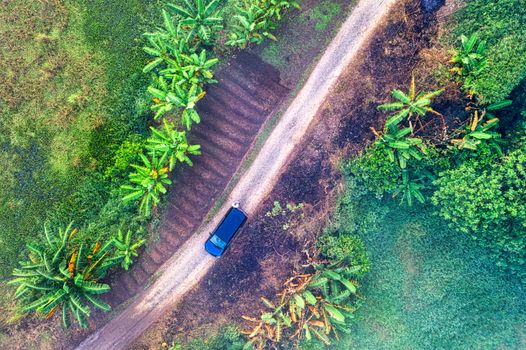
I stepped off the overnight ferry, the salty air thick with the scent of blooming jasmine and something richer, earthier, that I couldn't quite place. It wasn't the usual cacophony of hawkers and the rumble of tuk-tuks that greeted me on previous visits. Instead, a gentle murmur of local chatter, the distant chime of temple bells, and the rhythmic lapping of waves against the shore created a symphony of serenity. This was Koh Lanta, Thailand, but it felt… different. Refreshed. As if the island itself had taken a deep, restorative breath during the recent pause in mass tourism, and was now exhaling a revitalized, more authentic version of itself.
The past few years, while challenging for global travel, have gifted us something extraordinary: a chance for some of our most beloved destinations to recalibrate, to heal, and to emerge even more captivating than before. This isn't about places that were ruined by tourism; it's about destinations that, freed from the relentless pressure, have blossomed into their truest, most sustainable selves. These are the places that whispered their secrets louder when the crowds thinned, revealing a raw beauty and an unvarnished authenticity that’s truly a gift to discover this year.
Where Nature Reclaimed its Throne: The Emerald Isles of Palawan
Palawan, Philippines. The name itself conjures images of impossibly turquoise lagoons and dramatic limestone cliffs. But during the peak of the tourism hiatus, the magic here wasn't just preserved; it intensified. I remember a boat trip through El Nido's Bacuit Bay, a journey I'd taken before, expecting the familiar dance of dozens of outrigger canoes. This time, however, our little boat glided through waters so clear, so unblemished, that the vibrant coral gardens below seemed to pulse with an inner light. Schools of iridescent fish, unafraid, darted around our hull. The silence, broken only by the gentle dip of our paddle, was profound.
The local communities, too, seemed to find a renewed connection to their pristine environment. With fewer demands, they focused on conservation efforts, and the results are palpable. The marine life has rebounded spectacularly, and the jungle interiors feel more alive, the calls of unseen birds echoing with a new vibrancy. This isn't just a pretty postcard; it's an ecosystem thriving.
Pro-Tips for Palawan's Renaissance:
- Embrace the Dawn Patrol: For the most serene experience in El Nido's lagoons, book a private tour that starts at 6:30 AM. You’ll have the iconic spots almost entirely to yourself.
- Beyond the Big Names: While El Nido and Coron are stunning, consider exploring the lesser-known islands like Port Barton or San Vicente for an even quieter, more local feel.
- Diving Deeper: The coral reefs are flourishing. If you're a diver, Palawan offers some of the most vibrant underwater landscapes post-pause. Look for tours specifically highlighting conservation efforts.
Quick Facts: Palawan, Philippines
| Category | Details |
| :---------------- | :------------------------------------------------------------------------------------------------------------------------------------------------------ |
| Estimated Cost | $$ - $$$ (Accommodation ranges from budget guesthouses to luxury resorts) |
| Best Time to Visit | November to May: Dry season. The post-pause period has seen even more pleasant weather patterns. |
| How to Get There | Fly into Puerto Princesa (PPS) or El Nido (ENI). From Manila or Cebu. Ferry services connect various islands. |
| Must-Do | Island hopping in El Nido/Coron, kayaking through lagoons, exploring the Underground River (Puerto Princesa), diving. |
The Soul of the City: Kyoto's Quiet Contemplation
Kyoto, Japan. A city synonymous with ancient temples, meticulously raked Zen gardens, and the ethereal grace of geiko. I’ve always loved its quiet dignity, but even in its contemplative moments, there was always a hum of anticipation, a subtle current of international visitors. Then, the pause. And Kyoto… breathed.
Walking through the Arashiyama Bamboo Grove at what would typically be peak hours, I found myself in near solitude. The towering stalks of bamboo, usually a blur of movement and sound from passing crowds, now stood in silent, majestic communion. The only sounds were the rustling of leaves high above and the soft crunch of my own footsteps on the path. It was a spiritual experience, stripped bare of distraction.
In Gion, the historic geisha district, the narrow streets felt more intimate. I caught a fleeting glimpse of a geiko, her silk kimono a splash of vibrant color against the muted wooden facades, and for a moment, it felt like a private audience, a privilege granted by the city’s newfound tranquility. The tea ceremonies I attended were more personal, the conversations with the tea masters deeper, their explanations of the intricate rituals more focused.
Pro-Tips for Kyoto's Resurgence:
- Sunrise Serenity: Visit popular spots like Fushimi Inari Shrine or Kiyomizu-dera Temple just before sunrise. The light is magical, and you’ll share the space with very few others.
- Temple Hopping with Intention: Instead of rushing between major sites, pick one or two temples each day and truly absorb their atmosphere. The smaller, lesser-known temples often offer the most profound peace.
- Culinary Delights, Unhurried: Book izakayas and kaiseki restaurants in advance. The chefs are now able to offer an even more personalized and exquisite dining experience.
Quick Facts: Kyoto, Japan
| Category | Details |
| :---------------- | :------------------------------------------------------------------------------------------------------------------------------------------ |
| Estimated Cost | $$ - $$$$ (Kyoto offers everything from budget hostels to ultra-luxury ryokans and Michelin-starred dining) |
| Best Time to Visit | Spring (March-May): Cherry blossoms. Autumn (October-November): Fall foliage. Both seasons are now more serene than ever. |
| How to Get There | Fly into Kansai International Airport (KIX), then take the Haruka Express train to Kyoto Station. Shinkansen (bullet train) from Tokyo. |
| Must-Do | Explore the Arashiyama Bamboo Grove, wander through Fushimi Inari Shrine, visit Kinkaku-ji (Golden Pavilion), experience a traditional tea ceremony. |
The Aegean's Gentle Embrace: Santorini's Refined Charm
Santorini, Greece. The postcard-perfect caldera views, the whitewashed villages clinging to cliffs – it’s an icon. And yes, it was a victim of its own success, often overwhelmed by cruise ship crowds. But the enforced quiet has allowed Santorini to shed some of its more commercial layers and reveal a more authentic, serene beauty.
I found myself strolling through Oia at sunset, a time that used to be a frantic scramble for a viewing spot. This year, it was a gentle, shared appreciation. Locals and a more considered group of travelers mingled, the air filled with the clinking of glasses and soft conversation, not the roar of selfie sticks. The iconic blue domes seemed to glow with a softer, more profound hue against the deepening twilight.
The smaller villages, like Pyrgos and Megalochori, which were often overlooked, now hum with a quiet, genuine life. I spent an afternoon tasting wines at a family-run vineyard, the owner sharing stories of generations tending these vines, the taste of the Assyrtiko grape somehow more potent, more rooted in the volcanic soil. The beaches, too, felt more tranquil, the black sand glistening under a sun that felt less like an interrogation lamp and more like a warm embrace.
Pro-Tips for Santorini's Serenity:
- Beyond Oia: While Oia is breathtaking, explore the less-crowded villages like Pyrgos (the highest point on the island) or Megalochori for a more authentic village experience.
- Sunset from the Water: Book a sunset catamaran cruise. You’ll witness the caldera’s spectacle from a unique vantage point, away from the land-based crowds.
- Local Flavors, Unhurried: Seek out tavernas in non-touristy areas. The food is often more traditional, the prices fairer, and the welcome warmer. Try the fava bean puree and fresh seafood.
Quick Facts: Santorini, Greece
| Category | Details |
| :---------------- | :----------------------------------------------------------------------------------------------------------------------------------------- |
| Estimated Cost | $$$ - $$$$ (Santorini can be expensive, especially for caldera-view accommodations and fine dining, but budget options exist away from prime spots) |
| Best Time to Visit | April-May & September-October: Pleasant weather, fewer crowds than peak summer. These shoulder seasons now offer an even more idyllic experience. |
| How to Get There | Fly into Santorini (JTR) from Athens or other major European cities. Ferries from Athens (Piraeus port) are also available. |
| Must-Do | Watch the sunset in Oia, explore Fira and Firostefani, visit the ancient site of Akrotiri, wine tasting, relax on Perissa or Kamari beach. |
The Untamed Heart: Patagonia's Renewed Wilderness
Patagonia, straddling Chile and Argentina, is a land of raw, untamed beauty – glaciers, jagged peaks, vast steppes. The pause in international travel meant fewer footprints on its delicate trails and more space for its incredible wildlife to roam. My trek through Torres del Paine National Park felt like stepping back in time, to when this wilderness was truly wild.
The air, crisp and impossibly clean, carried the scent of hardy shrubs and damp earth. The silence was immense, punctuated only by the creak of ice from the Grey Glacier or the distant cry of a caracara. Guanacos grazed peacefully, unperturbed by human presence, and I even spotted a puma, a majestic, elusive creature that seemed to regard me with a calm curiosity, a rare and humbling encounter.
The commitment to conservation has always been strong here, but the reduced visitor numbers allowed the park’s natural rhythms to reassert themselves. The trails felt less worn, the landscapes more pristine. It’s a powerful reminder of the restorative capacity of nature when given the space to breathe.
Pro-Tips for Patagonia's Wilderness:
- Embrace the Off-Season: Consider visiting during the shoulder seasons (October-November or March-April) for fewer crowds and stunning autumn colors or spring blooms.
- Go Beyond the W Trek: While the W trek is iconic, explore less-trafficked routes or stay in estancias (ranches) for a more immersive, local experience.
- Responsible Wildlife Watching: Always maintain a safe distance from wildlife. The animals are more relaxed now; let’s keep it that way.
Quick Facts: Patagonia (Chile & Argentina)
| Category | Details |
| :---------------- | :------------------------------------------------------------------------------------------------------------------------------------------------------------------ |
| Estimated Cost | $$$ - $$$$ (Patagonia is a remote destination, and costs can add up due to transport, accommodation, and park fees. All-inclusive lodges can be very expensive.) |
| Best Time to Visit | December-February: Summer, best weather for trekking. October-November & March-April: Shoulder seasons offer fewer crowds and beautiful scenery. |
| How to Get There | Fly into Punta Arenas (PUQ) or Puerto Natales (PNT) in Chile, or El Calafate (FTE) or Ushuaia (USH) in Argentina. Then bus or rental car to national parks. |
| Must-Do | Trekking in Torres del Paine (Chile), visiting Perito Moreno Glacier (Argentina), exploring El Chaltén (Argentina's trekking capital), wildlife spotting. |
The Revitalized Roots: Oaxaca's Cultural Deep Dive
Oaxaca, Mexico. A vibrant tapestry of indigenous cultures, world-renowned cuisine, and colorful artisan traditions. The pause allowed this rich cultural heart to beat a little stronger, with locals having more time to dedicate to their crafts and traditions without the constant influx of mass tourism.
I spent days wandering the zócalo, the main square, and the effect was transformative. The usual hustle had softened into a more relaxed buzz. Artisan markets felt less about quick transactions and more about genuine connection. I watched a weaver meticulously create a complex rug, her movements precise and unhurried, her pride in her craft evident. The scent of mole cooking wafted from open doorways, richer and more complex than I remembered.
Visiting the ancient Zapotec ruins of Monte Albán was a revelation. Without the usual crowds, the sheer scale and spiritual resonance of the site were amplified. I could almost hear the echoes of its past inhabitants. The smaller villages surrounding Oaxaca, known for their specific crafts like alebrije carving or black pottery, now offered more intimate workshops and opportunities to learn directly from the artisans.
Pro-Tips for Oaxaca's Authentic Soul:
- Explore the Artisan Villages: Dedicate time to visit villages like Teotitlán del Valle (weaving), San Bartolo Coyotepec (black pottery), or Arrazola (alebrijes) for genuine craft experiences.
- Culinary Immersion: Take a cooking class focused on traditional Oaxacan cuisine. The chefs now have more time to share their deep knowledge and family recipes.
- Beyond the Zócalo: Explore the less-visited markets like Mercado de Abastos for a more local shopping experience, and discover hidden mezcalerías.
Quick Facts: Oaxaca, Mexico
| Category | Details |
| :---------------- | :-------------------------------------------------------------------------------------------------------------------------------------------------------------------- |
| Estimated Cost | $ - $$$ (Oaxaca is generally very affordable, with budget-friendly street food and guesthouses, but luxury boutique hotels and high-end restaurants are also available.) |
| Best Time to Visit | October-May: Dry season, pleasant temperatures. The post-pause period has made even these popular months feel more relaxed. |
| How to Get There | Fly into Oaxaca Xoxocotlán International Airport (OAX). Direct flights from some US cities, or connect through Mexico City (MEX). |
| Must-Do | Explore Monte Albán, wander through the colorful markets, indulge in Oaxacan cuisine (mole, tlayudas, chapulines!), visit artisan villages, experience a mezcal tasting. |
The Gift of Perspective
These destinations, and many others like them, have emerged from the quiet period not just recovered, but transformed. They offer a chance to travel with more intention, to connect more deeply with places and people, and to witness the resilience and beauty of our planet. This year, the discerning traveler seeks not just a vacation, but a meaningful experience. And these revitalized gems are waiting to offer just that.
---