The Great Outdoors Beckons: Why Nature Tourism is Our Post-Pandemic Savior
I stepped off the ancient, creaking funicular, the scent of damp earth and pine needles instantly filling my lungs. Below, the valley unfurled in a patchwork of emerald green, kissed by the morning mist. The only sounds were the distant chime of cowbells and the soft whisper of wind through the fir trees. This wasn't just a view; it was an exhale. After months of staring at screens and navigating the sterile corridors of indoor life, this immersion in raw, unfiltered nature felt like a profound homecoming. And I'm not alone. The world is rediscovering its wild side, and nature tourism is experiencing a seismic boom, a trend that experts are not just observing, but actively recommending.
The Great Reconnection: Why We're Trading Concrete Jungles for Canopy Canopies
The pandemic, for all its challenges, forced a collective pause. We reassessed our priorities, and for many, the allure of bustling metropolises waned, replaced by a deep yearning for open spaces, fresh air, and genuine connection with the natural world. This isn't just a fleeting trend; it's a fundamental shift in how we perceive travel.
- Wellness Reimagined: The focus has shifted from ticking off landmarks to restorative experiences. Think forest bathing (shinrin-yoku), mindful hikes, and silent retreats. Nature has become our ultimate therapist.
- Escape from the Everyday: With remote work becoming the norm, the lines between work and life have blurred. Escaping to nature offers a tangible boundary, a mental reset that's become indispensable.
- A Hunger for Authenticity: In a world saturated with digital experiences, the raw, unscripted beauty of nature offers a potent antidote. The call of the wild is primal and deeply satisfying.
Expert Insights: What's Driving the Nature Tourism Surge?
I've spoken to leading travel analysts and seasoned eco-guides, and a few key themes consistently emerge. This isn't just about escaping; it's about a conscious choice to engage with the planet in a more meaningful way.
H3: The Rise of the Eco-Conscious Traveler
"We're seeing a significant increase in travelers who are not just looking for a pretty view," explains Dr. Anya Sharma, a leading sustainability tourism consultant. "They want to understand the ecological impact of their journey. They're asking about local conservation efforts, ethical wildlife encounters, and how their tourism dollars can genuinely benefit the communities and environments they visit."
Pro-Tip:
Look for certifications like Green Globe or B Corp when booking accommodations and tours. These indicate a commitment to sustainability.
H3: The Digital Detox Imperative
"The constant connectivity during lockdowns left many feeling drained," notes Mark Jenkins, a wilderness guide with over two decades of experience. "People are actively seeking out destinations where they can disconnect from their devices and reconnect with themselves and their surroundings. It's a powerful form of self-care."
Pro-Tip:
Before you go, download offline maps and any necessary information. Embrace the opportunity to be truly present.
H3: The Allure of the Unspoiled
"There's a growing appreciation for the 'untouched'," says travel writer Isabella Rossi. "While popular national parks are seeing record numbers, travelers are also seeking out lesser-known trails, remote islands, and off-the-beaten-path destinations where they can experience nature in its purest form."
Pro-Tip:
Consider visiting popular spots during shoulder seasons (late spring or early fall) for a more serene experience.
Trending Adventures: Where the Wild Things Are (and Why You Should Be Too)
Experts are highlighting specific types of nature-based experiences that are seeing an unprecedented surge in popularity.
H3: The Trailblazer's Paradise: Hiking & Trekking
From the iconic Inca Trail to the rugged Scottish Highlands, hiking is experiencing a renaissance. It's accessible, adaptable to various fitness levels, and offers unparalleled opportunities for immersion.
- Must-Try: The Cinque Terre Coastal Trail in Italy offers breathtaking sea views and charming villages. Insider Tip: Hike the less-trafficked sections between Corniglia and Vernazza for fewer crowds.
- Budget-Friendly: Explore the Appalachian Trail in the US for a multi-day adventure or day hikes. Pro-Tip: Utilize hiker shelters and hostels for affordable overnight stays.
H3: Bird's Eye View: Wildlife & Birdwatching
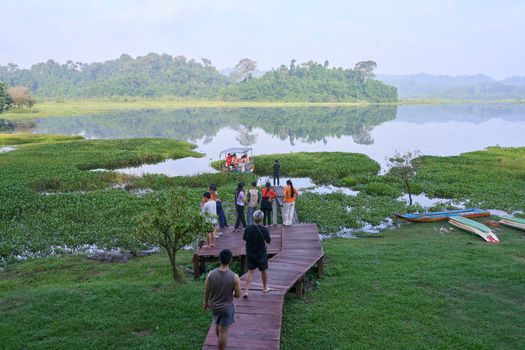
The patience and quiet observation required for birdwatching and wildlife spotting are perfectly aligned with the post-pandemic desire for mindful engagement.
- Hotspot: The Pantanal in Brazil is a wildlife photographer's dream, teeming with jaguars, capybaras, and a dazzling array of avian life. Expert Recommendation: Visit during the dry season (June to September) for easier wildlife viewing.
- Accessible: The Galapagos Islands offer unique endemic species. Pro-Tip: Opt for smaller, eco-friendly cruise operators for a more intimate experience.
H3: Under the Stars: Stargazing & Dark Sky Reserves
With light pollution diminishing our view of the cosmos, the appeal of truly dark skies is immense.
- Renowned: Aoraki Mackenzie International Dark Sky Reserve in New Zealand offers incredible celestial views. Insider Secret: Visit the Mount John Observatory for guided tours and powerful telescopes.
- US Gem: Death Valley National Park in California is one of the darkest accessible places in the US. Pro-Tip: Stay overnight in the park to witness the full spectacle.
H3: Glamping & Unique Stays: Comfort in the Wild
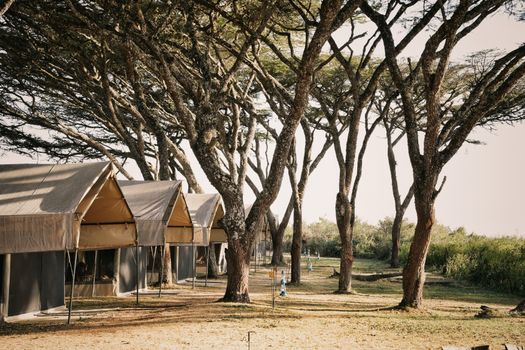
For those who want to embrace nature without sacrificing comfort, glamping and unique cabin rentals are booming.
- Trend Alert: Luxury yurts, geodesic domes, and treehouses are offering immersive nature experiences with all the amenities.
- Logistics: Many of these accommodations are found in or near national parks and nature reserves. Budget Consideration: Prices can range from $150-$500+ per night, depending on luxury and location.
Navigating the Boom: Practical Tips for Your Nature Escape
As more people flock to natural wonders, responsible travel is more crucial than ever. Here’s how to make your nature tourism experience both unforgettable and sustainable.
H3: Planning Your Itinerary: The Art of Strategic Serenity
- Book in Advance: For popular national parks, accommodations, and guided tours, booking months ahead is essential.
- Embrace the Shoulder Seasons: As mentioned, visiting outside of peak summer months can significantly reduce crowds and often offer better prices.
- Explore Beyond the Icons: While Yellowstone and Yosemite are magnificent, consider lesser-known but equally stunning state parks or national forests.
H3: Packing Smart: Gear Up for Adventure
- Layer Up: Weather in natural environments can be unpredictable. Pack layers that can be added or removed easily.
- Eco-Friendly Essentials: Reusable water bottles, reef-safe sunscreen, and biodegradable toiletries are must-haves.
- Navigation Tools: A good compass, map, and GPS device (and knowing how to use them!) are vital for safety.
H3: Leave No Trace: The Golden Rule
- Pack It In, Pack It Out: This is non-negotiable. Take all your trash with you, including organic waste.
- Stay on Trails: This protects fragile ecosystems and prevents erosion.
- Respect Wildlife: Maintain a safe distance and never feed wild animals.
- Minimize Campfire Impacts: If campfires are permitted, use designated fire rings and ensure they are completely extinguished.
Quick Facts: Your Nature Tourism Cheat Sheet
| Feature | Estimated Cost ($) | Best Time to Visit | How to Get There |
| :----------------- | :----------------- | :----------------- | :------------------------------------------------------------------------------- |
| National Parks | $30-35 (entry fee) + accommodation/food | Varies by park; shoulder seasons often best | Car, public transport to gateway towns, then local shuttles or rentals. |
| Hiking Treks | $50 - $500+ (depending on duration & guides) | Varies; generally spring, summer, fall | Flights to nearest city, then bus, train, or private transfer. |
| Wildlife Safaris | $200 - $1000+ per day (all-inclusive) | Varies by region and animal migration patterns | International flights to major hubs, then domestic flights and ground transfers. |
| Stargazing Sites | $20 - $100 (accommodation/entry) | Clear, moonless nights; often winter for colder, clearer air | Car is often essential for remote dark sky locations. |
| Glamping Sites | $150 - $500+ per night | Varies; often spring through fall | Car is usually required; some offer shuttle services from nearby towns. |
The Future is Wild: Embracing Nature's Embrace
The boom in nature tourism is more than just a travel trend; it's a testament to our innate need to connect with the natural world. As experts consistently recommend, embracing the outdoors offers a potent blend of adventure, rejuvenation, and a deeper understanding of our planet. So, pack your boots, open your mind, and let the wild work its magic. Your most fulfilling adventure awaits.