The Silent Bloom: Why the "Great Pause" Was a Gift to the Earth
I stepped off the vaporetto at the Rialto stop, and for the first time in a decade, I didn’t smell the sulfurous tang of churned-up canal silt or the heavy exhaust of a thousand diesel engines. Instead, I smelled salt. Pure, Adriatic salt. I looked down, and rather than the murky, pea-soup green I’d come to expect from Venice, I saw the sandy bottom of the canal. A tiny school of silver bream darted past my reflection.
It was a haunting, beautiful realization: the world hadn't just stopped; it had started to breathe.
As a travel journalist, I’ve spent years documenting the "Overtourism Era"—the era of the 10-deep selfie lines and the crumbling infrastructure. But recent data from environmental agencies and local municipalities tells a new story. The "tourism pause" acted as a massive, unintended ecological experiment. The results? Stunning.
Here are the destinations that didn't just survive the hiatus—they used it to reinvent themselves.
---
1. Venice, Italy: From Murky Waters to Marine Sanctuaries
For years, Venice was the poster child for overtourism. But when the cruise ships stopped and the motorboats docked, something miraculous happened.
The Data:
According to the European Space Agency’s Sentinel-2 satellite data, the transparency of the Venetian lagoon increased by nearly 30% during the pause. Without the constant agitation of sediments by large vessels, the water settled, allowing sunlight to reach the lagoon floor and stimulating the growth of seagrasses.
The Insider Experience:
Today, the city has permanently banned large cruise ships from the Giudecca Canal. Walking through the Cannaregio district now feels like a village experience rather than a theme park. You can actually hear the "slap-slap" of oars in the water.
- Pro-Tip: Don't just visit the Piazza San Marco. Take the traghetto (the 2-euro gondola ferry) across the Grand Canal to the Rialto Market at 7:30 AM. Watch the locals buy soft-shell crabs (moeche) without the midday heat and crowds.
- The Vibe: Sophisticated, quiet, and smelling of fresh espresso and sea air.
---
2. Maya Bay, Thailand: The Return of the Blacktip Reef Shark
You remember it from The Beach. By 2018, Maya Bay was a graveyard of bleached coral and discarded plastic. The Thai government took a radical step: they shut it down.
The Data:
Since the closure and subsequent managed reopening, marine biologists have documented the return of over 100 blacktip reef sharks to the bay. Previously, there were zero. Over 40% of the replanted coral fragments have successfully taken root, a staggering success rate for reef restoration.
The New Rules:
You can no longer dock boats inside the bay. You enter via a hidden boardwalk at the back of the island, and swimming is strictly regulated.
- Pro-Tip: Book the earliest possible slot (usually 7:00 AM). The "hidden" entrance is through Loh Samah Bay. Wear reef-safe sunscreen—it’s not just a suggestion; it’s the law.
- The Vibe: Jurassic Park meets a high-end spa. It is pristine, quiet, and intensely green.
---
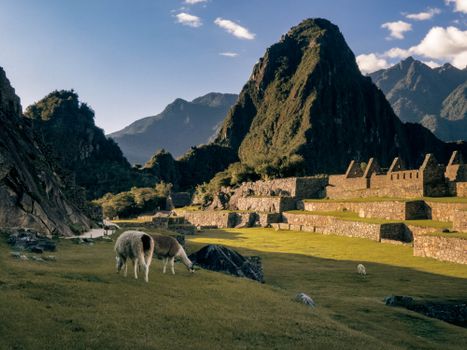
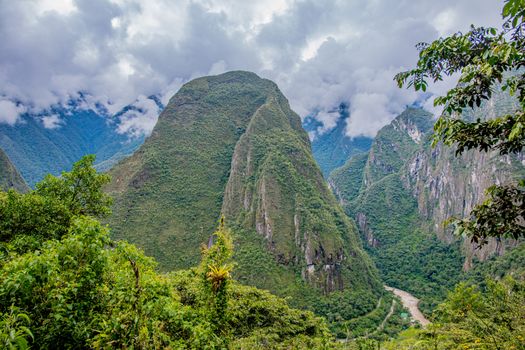
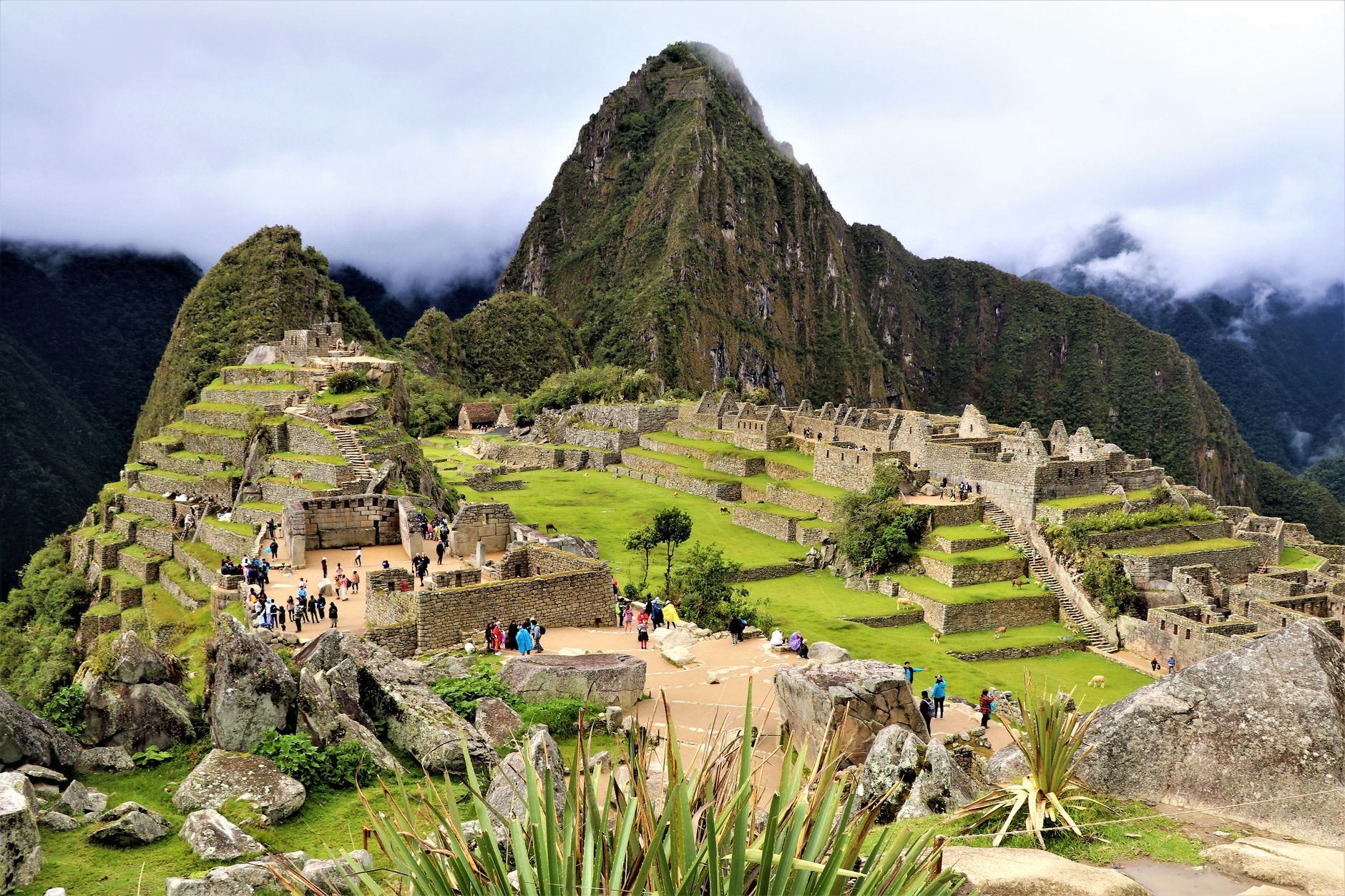
3. Machu Picchu, Peru: A Masterclass in Crowd Control
The "Lost City of the Incas" was being found by too many people. The pause allowed the Ministry of Culture to implement a long-discussed "biosecurity and flow" plan that has changed the experience from a chaotic scramble to a meditative journey.
The Data:
The implementation of strictly timed entry slots and one-way circuits has reduced trail erosion by an estimated 15% in high-traffic areas. Furthermore, reforestation efforts during the pause saw the planting of over 1 million trees in the surrounding protected area.
The Insider Experience:
The site feels more expansive now because you aren't constantly bumping into tour groups. The silence of the Andes is back.
- Pro-Tip: Choose Circuit 4. It takes you through the lower agricultural sectors and provides the best angles for photos of the Temple of the Sun without other tourists in your shot.
- The Vibe: Spiritual, misty, and deeply respectful.
---
4. The Galápagos Islands, Ecuador: Nature Reclaimed the Throne
The Galápagos has always been strictly managed, but the total absence of humans for months allowed endemic species to expand their nesting grounds.
The Data:
Researchers from the Charles Darwin Foundation noted that species like the Galápagos land iguana and various sea bird colonies expanded their territories into areas previously occupied by walking trails. The "human-wildlife conflict" metrics dropped to near zero during the pause.
The New Reality:
The islands have introduced a "Digital Nomad" visa and stricter vessel requirements, favoring longer-stay, lower-impact travelers over quick-hit cruisers.
- Pro-Tip: Skip the massive cruise ships. Base yourself on Isla Isabela and hire a local guide for a "Land-Based" tour. You’ll see more giant tortoises and support the local economy directly.
- The Vibe: Raw, prehistoric, and humbling.
---
5. Kyoto, Japan: The Shift from "Quantity to Quality"
Before 2020, Kyoto’s Gion district was plagued by "paparazzi" tourists harassing Geishas. The pause gave the city the courage to say "enough."
The Data:
The Kyoto City Tourism Association reported a shift in their "Success Metrics." They no longer track just "headcount" but "visitor satisfaction" and "local resident harmony." New ordinances in Gion now carry heavy fines for unauthorized photography in private alleys.
The Insider Experience:
Kyoto feels like the "Old Japan" again. The air in the Arashiyama Bamboo Grove is no longer filled with the sound of shouting; it’s filled with the take-no-ne (the sound of bamboo swaying).
- Pro-Tip: Visit the Otagi Nenbutsu-ji Temple. It has 1,200 stone heads, each with a different facial expression. It’s tucked away from the main Arashiyama loop and remains a pocket of absolute peace.
- The Vibe: Zen, disciplined, and breathtakingly aesthetic.
---
Quick Facts: Logistics & Budgeting
| Destination | Best Time to Visit | Est. Daily Budget ($) | How to Get There |
| :--- | :--- | :--- | :--- |
| Venice | April - June | $150 - $250 | Fly to Marco Polo (VCE), then Alilaguna boat. |
| Maya Bay | Nov - April | $60 - $120 | Speedboat from Koh Phi Phi Don. |
| Machu Picchu | May - September | $200 - $400 | Train from Cusco to Aguas Calientes. |
| Galápagos | Jan - May | $300 - $600 | Fly from Quito or Guayaquil to Baltra. |
| Kyoto | Oct - November | $100 - $200 | Shinkansen (Bullet Train) from Tokyo. |
---
The New Ethics of Exploration
We are no longer just "tourists." We are stewards. The data proves that when we step back, the world heals. But we don't have to stay away forever; we just have to travel better.
To travel in this "Improved Era," you must adopt the Tripsora Mindset:
1. Book the "Fringe": Visit in the shoulder season.
2. Respect the "No": If a sign says "No Photos" or "No Entry," it’s there to protect the very thing you came to see.
3. Pay the Premium: If a destination charges a "Sustainability Fee," pay it gladly. That money is the reason the water is clear and the sharks are back.
I remember sitting on a stone bench in Kyoto last October. A local elderly man sat next to me, watching the maple leaves turn crimson. He nodded at me and said, "The mountain is happy today."
I looked up at the pristine slopes of Mount Arashiyama, free of the smog and the noise of five years ago. I realized he was right. The mountain was happy. And as a traveler, for the first time in a long time, I was truly happy too.
---