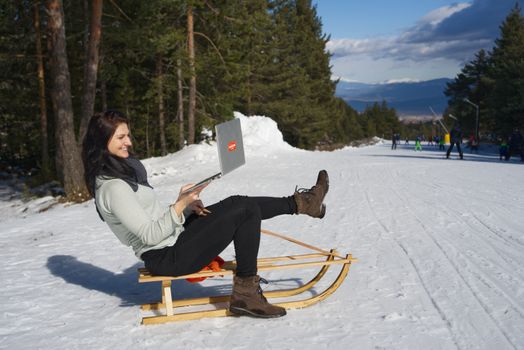
Dreaming of a life where your office is wherever the Wi-Fi is good has become a mainstream ambition. The catch is that dreaming and doing are separated by paperwork. The good news is that a growing number of countries now publish clear routes for foreign remote workers. The less exciting news is that none of them are the paid-to-relocate fantasy that circulates on social media. They are structured, often well-designed visas that let you stay legally while you earn from clients or an employer elsewhere.
This guide tours the main regions where those options exist, what they tend to require, and how to decide which environment fits your life. Rules, fees and income thresholds change regularly, so use this article for orientation and confirm every detail on the official immigration website of the country you are considering.
How Remote Worker Visas Generally Work
Before looking at regions, it helps to understand the common structure, because most programs follow the same logic.
- You earn from outside the country. The visa is designed for people whose income comes from a foreign employer or foreign clients, not from the local job market.
- You prove you can support yourself. Expect to show bank statements, pay slips or contracts demonstrating a minimum monthly income.
- You carry health insurance. Many programs require proof of coverage valid in the country.
- You provide documents. Passport, background check, proof of accommodation and sometimes translated or certified documents.
- You pay a fee and wait. Processing times vary from days to months, so plan ahead.
- You get a fixed stay. Often from a few months to a year, sometimes renewable.
Keep these in mind as you compare, because the differences between countries usually come down to the income threshold, the cost, the length of stay and the tax treatment.
Europe: Established, Structured, Sometimes Strict
Europe has become a favourite for remote workers who want good infrastructure, healthcare systems and easy travel between countries.
Southern Europe
Portugal, Spain, Italy, Greece and Croatia have each created some form of long-stay or remote worker route in recent years. Lisbon and Porto in Portugal, Valencia and Málaga in Spain, and the islands and coastal towns of Greece and Croatia have all become popular bases. The appeal is easy to understand: mild climates, good food and a rich social scene for expatriates. The trade-offs include paperwork that can be demanding and income requirements that may be higher than in other regions.
Northern and Eastern Europe
Estonia is often cited as a pioneer of the digital nomad visa, with a highly digital government and a strong tech community in Tallinn. Other Baltic and Central or Eastern European countries have followed with their own approaches. Winters are long and dark, which suits some people and not others, but costs can be lower than in Western Europe and connectivity is typically excellent.
Things to remember about Europe
- A visa for one country usually does not give you the right to work or live in others, even though borders within the Schengen Area are open for short visits.
- Tax residency can be triggered by long stays, so look carefully at how your chosen country treats foreign income.
- Some visas require you to prove you are not working for local employers.
The Caribbean: Short Stays, Island Life
Several Caribbean nations introduced remote worker programs that allow stays of up to a year or so. Barbados, Bermuda, the Cayman Islands, Antigua and Barbuda, and others have created streamlined applications aimed at working professionals. Island life offers beaches and a relaxed pace, but also higher costs for some goods, occasional internet disruption during storms and the logistics of living in a small community.
If you choose an island, ask about:
- Internet reliability and backup options.
- Healthcare access and whether insurance covers medical evacuation.
- Hurricane season timing and what it means for your plans.
- How easy it is to rent a home for a mid-length stay rather than a vacation rate.
Latin America: Flexible, Affordable and Varied
Latin America combines varied landscapes with relatively accessible entry rules. Mexico, Colombia, Costa Rica, Panama, Brazil, Argentina and others have offered options aimed at remote workers, whether through dedicated visas or generous tourist stays. Cities such as Mexico City, Medellín, Buenos Aires and Florianópolis host active nomad communities, while smaller towns and beach villages attract people who want a quieter life.
What to consider here:
- Time zones. Many countries overlap well with North American working hours, which is a major draw for people with colleagues in the United States or Canada.
- Neighbourhood differences. Safety, noise and convenience can vary dramatically from one area of a city to another. Research neighbourhoods before you rent.
- Healthcare. Quality varies by city and clinic. Private insurance is usually advisable.
- Language. Learning Spanish or Portuguese is not mandatory in nomad hubs, but it greatly improves daily life.
Asia: Culture, Cost and Convenience
Asia offers some of the most popular bases for remote workers, though the legal routes can be less uniform than in Europe.
- Southeast Asia. Thailand, Indonesia (particularly Bali), Malaysia and Vietnam have all developed various long-stay options. Chiang Mai, Canggu, Kuala Lumpur and Da Nang are well known for their coworking spaces and cafes. Rules can change, and some visa categories are more suitable for tourism than for working, so verify what is permitted.
- East Asia. Japan and South Korea have introduced or discussed programs for foreign remote workers, with income requirements and conditions. Taiwan and other places have long-stay options for professionals. Life is highly organised and safe, though costs can be higher.
- Middle East and Gulf. The United Arab Emirates offers remote work arrangements with a range of residence options, drawing on its business-friendly environment. Check current requirements, as they change.
Africa and Beyond
Some African countries, including Mauritius, Cape Verde, Namibia, Seychelles and Morocco, have promoted remote worker options or flexible long stays. These can suit travelers looking for something different from the usual hubs, with spectacular landscapes and distinct cultures. Infrastructure varies, so test the internet and check healthcare arrangements before committing. Government announcements sometimes outpace actual implementation, so look for confirmation from the immigration authority.
Do Any of These Pay You?
Despite the headlines, the answer is generally no. Visas give you legal permission. Cash incentives are rare and typically offered by specific towns, cities or regions rather than national governments, often with strict conditions and limited places. Treat any claim that you will simply be paid to move with healthy scepticism, and always trace it back to an official source.
How to Choose Your Region
A good decision usually starts with your own life rather than a ranking of countries. Ask yourself:
- What time zone do I need? Your working hours will limit your options.
- What is my budget? Include visa fees, insurance, rent, flights home and taxes.
- What climate and pace suit me? Dark northern winters are not for everyone, nor are humid tropical summers.
- How important is community? Some places have thriving expat scenes, while others are more local and quiet.
- How long do I want to stay? A three-month trial is very different from a multi-year relocation.
- What are my health and family needs? Access to healthcare, schools or partners' work may matter more than the beach.
A Simple Planning Timeline
If you are serious, work through the process in a sensible order.
- Shortlist two or three places based on time zone, cost and lifestyle.
- Read the official visa requirements and note income, insurance and document rules.
- Talk to your employer or clients if applicable, since working from abroad can have legal and tax implications for them.
- Speak with a tax adviser familiar with both countries.
- Gather documents early, as certifications and translations take time.
- Book a short scouting trip to test the area, internet and neighbourhoods.
- Apply and wait, avoiding non-refundable bookings until your visa is approved.
- Prepare a landing plan, including temporary accommodation for the first few weeks.
Mistakes to Avoid
- Assuming a tourist stay lets you work. Some countries allow it, others do not. Verify.
- Ignoring tax residency. Staying beyond certain limits can create obligations you did not expect.
- Skipping insurance. A medical emergency abroad can be expensive without cover.
- Relying on outdated blog posts. Rules change. Always cross-check with official websites.
- Paying unofficial agents without verification. Use government portals or well-reviewed, legitimate services.
- Committing to a year-long lease immediately. Try a short rental first.
Frequently Asked Questions
Which region is easiest for a first-time remote worker abroad?
It depends on your passport, income and preferences. Many people start in places with straightforward entry rules and active communities, then move on once they know what they like.
Can I switch countries every few months?
Often yes, but visa terms and tax residency rules apply. Moving frequently can simplify some things and complicate others, so plan with professional advice.
Do I need to speak the local language?
Not always in major hubs, but learning basics improves your experience and helps with paperwork and daily errands.
Are these visas available to freelancers as well as employees?
Many programs accept both, though proof requirements differ. Check each country's wording carefully.
Summary
Remote worker visas make it far easier to live abroad legally, but they work through permission rather than payment. Europe offers structure and infrastructure, the Caribbean offers island life with limits, Latin America offers flexibility and good time zones for North American workers, Asia offers variety and low costs in many places and parts of Africa and the Gulf offer distinctive alternatives. Choose by time zone, budget, climate and community, rely on official sources, and test your destination before committing. With careful planning, a visa can turn a daydream into a workable routine.