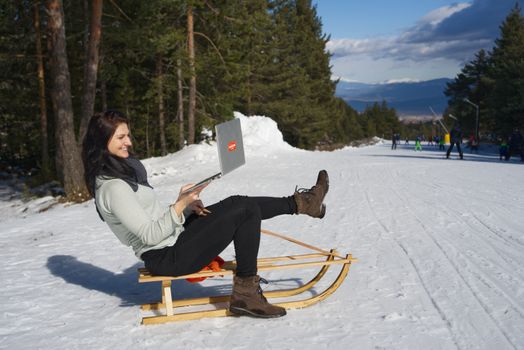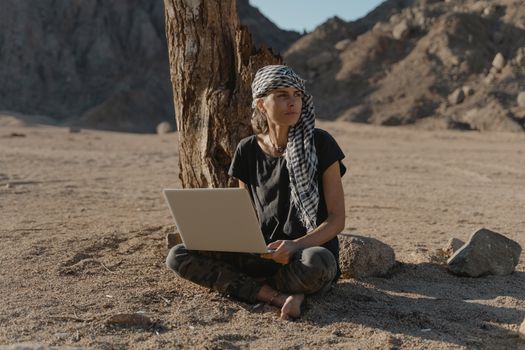
Remember that moment you stared at your laptop, dreaming of a beach office, a mountain view, or a historic city square as your daily backdrop? I did. For years, the idea of working remotely felt like a distant fantasy, then a hard-won reality. But what if that dream also came with a financial incentive from the country itself? What if a government actively wanted you to bring your laptop and your skills, offering tax breaks, special visas, or even direct grants to make their country your temporary home?
Sounds too good to be true, right? Well, my fellow wanderlusters, it’s not. The world of digital nomadism is evolving, and a new wave of destinations is rolling out the red carpet (and sometimes, a little cash) for remote workers like us. These aren't your typical overcrowded tourist traps; they're vibrant, often overlooked gems that are proactively building communities for location-independent professionals.
I’ve spent the last decade chasing sunsets and Wi-Fi signals, from the bustling markets of Southeast Asia to the ancient ruins of Europe. And in recent years, I've noticed a distinct shift: countries, eager to boost their economies and inject fresh energy, are literally competing for remote talent. I've personally dipped my toes into a few of these, and the experience has been nothing short of transformative. Forget just traveling – we're talking about living these places, integrating, and often, getting a sweet deal while doing it.
This isn't about some obscure loophole or a one-off grant. This is about a conscious strategy by forward-thinking nations to attract a new kind of resident – the digital nomad – with tangible benefits. So, pack your bags (lightly, of course!), charge your laptop, and get ready to discover the countries that are not just welcoming remote workers, but actively paying you to work remotely before they become mainstream.
---
The "Pay You" Phenomenon: How Countries Are Rolling Out the Red Carpet
Before we dive into the juicy details of specific destinations, let's clarify what "paying you" actually means in this context. It's rarely a direct cash handout (though some specific programs might offer small grants). Instead, it usually manifests in several powerful ways:
- Digital Nomad Visas with Perks: Many countries have launched specific visas for remote workers, making legal residency straightforward. These often come with simplified application processes, longer stays than tourist visas, and sometimes even a path to permanent residency.
- Tax Incentives: This is where the real "pay" often comes in. Some nations offer significantly reduced income tax rates, or even exemptions, for income earned outside the country while you reside there under a special status. Imagine keeping more of your hard-earned money!
- Low Cost of Living: While not a direct payment, living in a country where your dollar (or euro, or pound) stretches significantly further effectively "pays" you by increasing your disposable income and quality of life. Think gourmet meals for a few dollars, or a spacious apartment for the price of a shoebox back home.
- Community & Infrastructure Support: Some programs include access to co-working spaces, networking events, and dedicated support systems, making it easier to settle in and thrive. Madeira's Digital Nomad Village is a prime example.
- Grants and Relocation Incentives: While rarer, some regions or cities within countries offer small grants to attract professionals to less populated areas. Keep an eye out for these!
This isn't just about escaping your cubicle; it's about optimizing your lifestyle and finances. Ready to explore? Let's go!
---
1. Estonia: The Digital Pioneer's Playground
My first true taste of the "future of remote work" was Estonia. I’d always been fascinated by their e-Residency program, which allows anyone in the world to establish an EU-based company and manage it remotely. But then came the Digital Nomad Visa (DNV), and suddenly, Estonia wasn't just a place to register a business; it was a place to live one.
Why Estonia "Pays" You:
* Digital Nomad Visa: Launched in 2020, Estonia’s DNV allows non-EU citizens to live and work remotely in the country for up to a year (extendable). The income threshold is reasonable (currently around €3,504/month before tax for the preceding six months).
* E-Residency Benefits: While not strictly a DNV, e-Residency allows you to run an EU company with ease, offering a streamlined tax system and minimal bureaucracy. This makes managing your remote business a breeze.
* Low Corporate Taxes: For undistributed profits, corporate tax is 0%. Personal income tax is a flat 20% – straightforward and predictable.
* Vibrant Tech Scene: Tallinn, the capital, is a buzzing hub of innovation. Think Skype, TransferWise, Bolt – all born here. This creates an incredibly supportive ecosystem for digital professionals.
My Estonian Experience:
I spent a glorious autumn in Tallinn a few years back, using my e-Residency to handle my business, and then returning on a short-stay visa (pre-DNV, but still experiencing the vibe). The city is a fascinating blend of medieval charm and futuristic tech. I remember working from a cozy café in Kalamaja, sipping kohv and watching the trams go by, then spending my evenings exploring the UNESCO-listed Old Town. My friend, a graphic designer from Canada, actually secured an Estonian DNV last year. He raves about the simplicity of the process and the incredibly low cost of doing business. He pays around €600-€800 for a modern one-bedroom apartment right near the city center. Groceries are comparable to Western Europe, but public transport is free for residents, and the digital infrastructure is second to none. It feels like living in the future, yet steeped in history.
---
2. Portugal: Beyond the Algarve Beaches (and into Tax Heaven)
Portugal has been on the digital nomad radar for years, and for good reason. But its allure goes beyond stunning coastlines and delicious pastéis de nata. The country has actively positioned itself as a haven for remote workers, especially with its tax incentives.
Why Portugal "Pays" You:
* Non-Habitual Resident (NHR) Tax Regime: This is the big one! For qualifying new residents (including digital nomads), the NHR scheme offers a flat 20% tax rate on certain Portuguese-sourced income, and often a 0% tax rate on eligible foreign-sourced income for ten consecutive years. Yes, you read that right – zero percent on some foreign income!
* D7 Visa & Digital Nomad Visa: Portugal offers a D7 Passive Income Visa, which has been popular for retirees and those with stable remote income, and has recently introduced a specific Digital Nomad Visa (which came into effect in late 2022). This streamlines the process for remote workers. Income thresholds vary but are generally around €3,040/month for the DNV.
* Madeira's Digital Nomad Village: The island of Madeira launched a pioneering initiative in Ponta do Sol, offering free co-working spaces, community events, and a supportive environment for remote workers. It’s a dedicated ecosystem!
* Affordable Living (Outside Major Cities): While Lisbon and Porto can be pricey, places like Braga, Coimbra, or the central region offer incredible value.
My Portuguese Anecdote:
I spent three months in Portugal, splitting my time between Lisbon, Porto, and a quieter stint in Braga. While I didn't qualify for NHR at the time, I met countless nomads who were reaping its benefits. One couple, a software engineer and a content creator, told me they saved thousands annually on taxes thanks to NHR, allowing them to travel more and even buy a small apartment in Porto. My own experience in Braga was delightful: a spacious, modern Airbnb for €850/month, delicious meals for under €10, and an incredibly friendly local community. I remember working from a sun-drenched balcony, the scent of orange blossoms wafting up from the street, and thinking, "This is what life is supposed to feel like." The ease of travel within the country and to the rest of Europe makes it incredibly appealing.
---
3. Georgia: The Caucasus's Undiscovered Jewel
If you're looking for a truly unique and incredibly affordable experience, Georgia is your hidden gem. Tucked between Europe and Asia, this country offers ancient history, stunning mountains, Black Sea beaches, and some of the most welcoming people you'll ever meet. And yes, they want you to work remotely from there.
Why Georgia "Pays" You:
* "Remotely from Georgia" Program: Launched in 2020, this program allows citizens from 95 countries to live and work remotely in Georgia for up to a year, without needing a visa for the first 365 days. The main requirement is proof of at least $2,000 USD monthly income and travel insurance.
* Low Cost of Living: This is where Georgia truly shines. Your remote income will stretch incredibly far here. Tbilisi, the capital, offers modern amenities with an ancient soul, and rent for a good apartment can be as low as $500-$700 USD/month.
* Simple Tax System: Income tax is a flat 20%, and if you register as a "Small Business Status" entrepreneur, you can benefit from a 1% tax rate on income up to approximately $180,000 USD annually. This is a game-changer for freelancers and small business owners!
* Easy Entry: Many nationalities enjoy visa-free entry for up to a year, simplifying the initial move.
My Georgian Adventure:
My month in Tbilisi was an absolute dream. I rented a beautiful, high-ceilinged apartment in the Sololaki district for around $650. Every morning, I'd grab a fresh khachapuri (cheese bread) and a strong coffee for a few dollars, then settle into a co-working space or a bustling café. The food is phenomenal, the wine is ancient and delicious, and the hospitality is legendary. I remember one evening, after a long day of coding, being invited to join a local family for dinner – impromptu, full of laughter, and endless toasts with homemade wine. It felt like stepping into another world, yet with reliable internet and all the modern comforts I needed for work. The savings on living expenses were so significant that I felt like I was getting a bonus every month.
---
4. Croatia: Adriatic Dreams & Digital Nomad Vibes
Croatia, famous for its stunning coastlines, ancient cities, and Game of Thrones filming locations, has recently become a hot spot for digital nomads. They've recognized the potential and implemented specific measures to attract remote workers.
Why Croatia "Pays" You:
* Digital Nomad Visa: Introduced in 2021, Croatia’s DNV allows non-EU/EEA citizens to reside and work remotely for up to a year (extendable). The biggest perk? Income earned from outside Croatia is exempt from Croatian income tax! This is a massive financial incentive.
* Beautiful Scenery & Lifestyle: Imagine working with a view of the Adriatic, exploring national parks on weekends, and enjoying fresh seafood. The quality of life is incredibly high.
* Growing Nomad Communities: Cities like Split, Dubrovnik, and even smaller towns like Rovinj are seeing a rise in remote worker communities, with co-working spaces and meetups popping up.
My Croatian Escape:
I spent a summer hopping along the Croatian coast, and the energy was palpable. I worked from a charming Airbnb in Split, overlooking the Diocletian's Palace, and then from a quieter spot in Rovinj, Istria. The internet was surprisingly robust, even in more remote areas. I met a software developer from the US who had just received his Croatian DNV. He was thrilled about the tax exemption, which he estimated saved him thousands of dollars compared to his previous setup. He said his rent for a modern apartment in Split was around €900-€1000, and while groceries could be a bit pricier than Georgia, the overall lifestyle and the zero-tax on his remote income made it an unbeatable deal. Weekends were spent sailing the islands or hiking in Plitvice Lakes National Park – a perfect blend of work and adventure.
---
5. Malta: Mediterranean Magic & Nomad Perks
This tiny island nation in the heart of the Mediterranean might be small, but it’s mighty in its appeal for digital nomads. English is an official language, it's part of the EU, and it boasts 300 days of sunshine. What’s not to love?
Why Malta "Pays" You:
* Malta Nomad Residence Permit: Launched in 2021, this permit allows remote workers from outside the EU/EEA to live in Malta for a year (extendable). The income requirement is around €2,700/month.
* Tax Incentives: While not as aggressive as Portugal's NHR, Malta offers attractive tax rates for residents, and remote income from outside Malta may not be taxed if it's not remitted to Malta. Consulting with a local tax advisor is key here.
* Strategic Location: Malta is a fantastic base for exploring the rest of Europe, North Africa, and the Middle East, with excellent flight connections.
* English Speaking: No language barrier makes settling in and navigating bureaucracy significantly easier.
My Maltese Discovery:
I confess, Malta wasn't initially on my radar for remote work, but a friend convinced me to join her for a week. We explored Valletta’s ancient streets, swam in the Blue Lagoon, and worked from a sun-drenched café overlooking the Grand Harbour. She, a freelance writer, was actively looking into the Nomad Residence Permit. She calculated that with the lower cost of living compared to her previous base in London, and potential tax advantages, she could significantly boost her savings. A decent one-bedroom apartment in a vibrant area like Sliema or St. Julian's runs about €800-€1200. The rich history, delicious Mediterranean food, and friendly locals made it incredibly appealing. It felt like living in a postcard, with excellent Wi-Fi.
---
6. Mauritius: Island Paradise with a Remote Work Twist
Dreaming of working from a tropical island? Mauritius, an idyllic nation in the Indian Ocean, isn't just for honeymoons anymore. It’s actively courting digital nomads with its Premium Visa.
Why Mauritius "Pays" You:
* Mauritius Premium Visa: This visa allows non-citizens to stay for up to one year (renewable) if they earn their income remotely and meet a minimum income threshold (approximately $1,500 USD/month for individuals, plus $500 per dependent).
* Income Tax Exemption: The biggest draw? Income earned from outside Mauritius is not taxed in Mauritius! This is a huge incentive to live and work in paradise.
* High Quality of Life: Expect stunning beaches, lush landscapes, diverse culture, excellent healthcare, and a safe, stable environment.
* English & French Speaking: Both are official languages, making communication easy.
My Mauritius Daydream (and a friend's reality):
While I haven't personally worked from Mauritius yet, it's high on my list! I have a friend, a digital marketer, who spent six months there last year on the Premium Visa. He would send me photos of his "office" – a laptop on a beachfront villa's terrace, palm trees swaying in the background. He raved about the incredible internet speeds, the friendly locals, and the sheer joy of ending his workday with a swim in crystal-clear waters. He managed to find a beautiful two-bedroom villa with a pool for about $1,800/month, splitting it with another nomad for half that. Groceries were surprisingly affordable, and fresh produce was abundant. The tax exemption on his foreign income allowed him to save significantly, proving that paradise doesn't have to break the bank.
---
Practical Tips for Landing Your Remote Dream
So, you're inspired and ready to make the leap? Here's my actionable advice to turn these dreams into your reality:
- Do Your Visa Homework: Every country, every visa, has specific requirements (income thresholds, health insurance, criminal background checks, etc.). Do not skip this step. Check official government websites or consult with immigration lawyers specializing in these visas.
- Calculate Your True Cost of Living: Use tools like Numbeo.com, but also look for expat blogs and Facebook groups for real-world insights. Factor in rent, utilities, groceries, transport, health insurance, and leisure. Remember, "affordable" is relative.
- Secure Your Remote Job/Income: Most of these visas require proof of stable, foreign-sourced income. Make sure your work is truly remote and your employer (if you have one) is on board with you working from abroad.
- Health Insurance is Non-Negotiable: Most visa applications require proof of comprehensive health insurance. Don't skimp here; travel insurance isn't enough for long-term stays. Look into international health insurance plans.
- Build a Community (Before You Go): Join Facebook groups for digital nomads in your chosen destination. You'll find invaluable advice, make connections, and even find potential roommates or co-working buddies.
- Understand the Tax Implications: This is crucial. While many countries offer tax breaks, you still have obligations in your home country. Consult with a tax professional who understands international tax laws for digital nomads.
- Learn Basic Local Phrases: While English is widely spoken in many of these places, making an effort to learn a few local phrases (hello, please, thank you, cheers!) goes a long way in connecting with locals and enriching your experience.
- Trial Run (If Possible): If you can swing it, visit for a few weeks on a tourist visa first to get a feel for the place, check out neighborhoods, and test the internet speeds before committing to a longer stay.
---
Conclusion: Your Remote Work Revolution Starts Now!
The world is truly your oyster, and it’s never been more accessible for remote professionals. These countries aren't just offering a change of scenery; they're offering an opportunity to redefine your work-life balance, enhance your financial well-being, and immerse yourself in incredible cultures – all while getting a little "paycheck boost" from the local economy.
I've seen firsthand how these opportunities can transform lives, mine included. From sipping Georgian wine after a day of blogging to exploring Croatian islands on a tax-exempt income, the possibilities are endless. Don't wait until these destinations become the next Bali or Lisbon; seize the moment and experience them while they’re still emerging, authentic, and eager to welcome you.
So, what are you waiting for? Which of these hidden remote work havens is calling your name? Start researching, start planning, and get ready to live your most adventurous, financially savvy life yet.
Share this post with a friend who needs a remote work adventure! What country are YOU dreaming of working from? Let me know in the comments below!
---