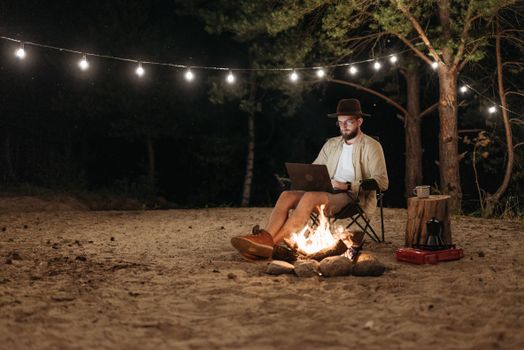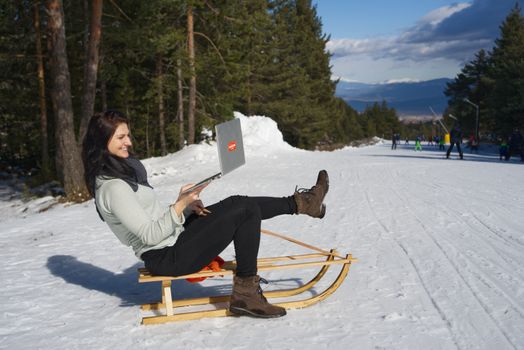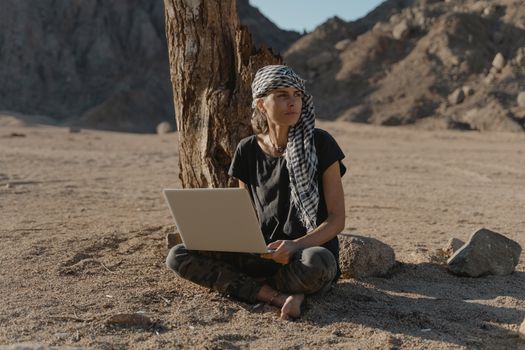
Your Office, Anywhere: Unlocking the Secret Countries That "Pay You" to Live the Remote Dream
Remember that moment? The one where you’re staring at your screen, maybe a particularly dreary Monday, and a notification pops up: "Your colleague, Sarah, just posted a photo from a beach in Bali." A pang of envy, yes, but also a flicker of something more – a powerful longing for a different kind of life. A life where your commute is a stroll through ancient cobblestone streets, your lunch break is a dip in the Mediterranean, and your "office" has a view of mountains, oceans, or vibrant cityscapes.
For years, the dream of working remotely was just that – a dream. Then it became a reality for many, but often meant trading one expensive city for another, or simply working from home. But what if I told you that the game has changed? What if I revealed that there are trending countries and regions that aren't just allowing remote workers, but are actively incentivizing them, effectively "paying you" to live your best life abroad?
Yes, you read that right. While not every country will hand you a check upon arrival, many are offering incredible opportunities that drastically reduce your cost of living, provide grants for relocation, or create such a high quality of life for your existing income that it feels like you're getting paid to be there. As a seasoned travel blogger for Tripsora, I've seen this shift firsthand, and frankly, it’s revolutionary. I’ve personally explored some of these havens, and my network of globe-trotting friends has uncovered even more.
Let’s dive into the fascinating world of countries that are rolling out the red carpet (and often, some serious financial perks) for remote workers right now. Get ready to bookmark this page – your next adventure is calling!
The Mediterranean Dream: Italy & Spain's Village Revitalization Programs
Imagine waking up to the gentle chime of church bells, the scent of fresh pastries wafting from a local panificio, and the warm Mediterranean sun streaming through your window. This isn't just a holiday; it could be your everyday reality in parts of Italy and Spain. These countries, rich in history and culture, are actively fighting rural depopulation by offering incredible incentives to remote workers and new residents.
Italy: Where Ancient Charm Meets Modern Opportunity
My first encounter with this phenomenon was hearing about places like Sambuca, Sicily, which famously sold homes for €1. While those specific deals are often snapped up quickly, the spirit of revitalization lives on. More recently, regions like Calabria have launched programs offering grants of up to €28,000 (approx. $30,000 USD) over three years to entice people to move to their charming, depopulated villages. The catch? You usually need to commit to starting a business or taking up a job in the area, but remote workers with a stable income can often qualify by proving their economic contribution.
I remember sipping an espresso in a tiny piazza in a Calabrian village, watching locals go about their day, and thinking, "This is it. This is the antidote to burnout." The cost of living here is unbelievably low compared to major European cities. A delicious pasta dish might set you back €8-12, and a month's rent for a charming apartment could be as low as €300-500. Internet infrastructure is improving rapidly, especially with government investment in fiber optics.
- Tripsora Tip: Research specific village programs like those in Calabria or Sardinia. Look for towns like Presicce-Acquarica in Puglia, which offers grants for new residents. Learn basic Italian – it goes a long way!
- Instagram Moment: A selfie with a backdrop of ancient stone houses and rolling olive groves, or a plate of fresh, local seafood overlooking the Ionian Sea.
Spain: Northern Gems and Andalusian Charms
Spain, too, is getting in on the act. While not as widespread with direct cash grants as some Italian regions, many smaller towns and rural areas are offering incredibly affordable living and a high quality of life. The region of Asturias, for example, has towns like Ponga that offer grants of €3,000 (approx. $3,200 USD) to families (and an additional €3,000 for each child) to relocate. The catch here is often a commitment to staying for a certain period.
The real "paycheck" in Spain often comes from the sheer value. My friend Elena, a freelance graphic designer, spent a year in a small town outside Valencia. Her rent was €450 for a spacious apartment, her groceries were a fraction of what she paid in London, and her social life revolved around free evening strolls and tapas bars. Her effective disposable income soared. Spain also recently introduced a dedicated Digital Nomad Visa, making long-term stays much more straightforward for non-EU citizens.
- Tripsora Tip: Explore regions beyond the tourist hotspots. Villages in Andalusia, Castile and León, and Asturias offer incredible value and authentic experiences. Look into co-living spaces for community.
- Instagram Moment: A vibrant flamenco show in a local taberna, or a breathtaking view from a hiking trail in the Picos de Europa mountains.
Island Paradise on a Budget: Portugal's Madeira & The Azores
Portugal has long been a darling of digital nomads, thanks to its vibrant culture, delicious food, and relatively low cost of living. But its Atlantic archipelagos, Madeira and the Azores, have taken it a step further, creating environments that truly "pay you" with an unparalleled lifestyle.
Madeira: The Digital Nomad Village Pioneer
I first heard about Madeira’s Digital Nomad Village in Ponta do Sol during the pandemic, and it instantly captured my imagination. This isn't just a place to work; it's a vibrant, purpose-built community. The local government and Startup Madeira actively support remote workers, offering free co-working spaces, discounted accommodation, and a calendar of social events. While they don't hand out cash, the value of the community, infrastructure, and significantly lower cost of living compared to mainland Europe is immense.
I spent a month there last year, and it was transformative. My apartment with a sea view cost me €700 for the month – a steal! High-speed internet was reliable, and the community of fellow nomads meant instant friends for hiking, surfing, and networking. My remote income felt like it had doubled. Imagine finishing your workday and heading straight for a hike along a levada (ancient irrigation channels) or catching a sunset surf. That's the Madeira magic.
- Tripsora Tip: Apply for Portugal's Digital Nomad Visa (D8 Visa) for stays over 90 days. Engage with the Digital Nomads Madeira Facebook group before you arrive.
- Instagram Moment: A panoramic shot of Ponta do Sol's dramatic coastline at sunset, or a plate of fresh espada com banana (scabbard fish with banana) after a day of exploring.
The Azores: Untamed Beauty, Unbeatable Value
Further west, the nine volcanic islands of the Azores offer a wilder, greener, and even more budget-friendly alternative. While not as organized with a "digital nomad village" concept, the cost of living is remarkably low, and the natural beauty is simply breathtaking. My friend David, a software developer, spent six months on São Miguel, the largest island. His rent for a charming house was €550, and fresh, local produce was incredibly cheap. He often felt like he had the entire island to himself.
The internet infrastructure is surprisingly robust, and the pace of life is slow and intentional. If you crave nature, tranquility, and a place where your remote salary will make you feel truly wealthy, the Azores are a hidden gem effectively paying you with peace and natural splendor.
- Tripsora Tip: Rent a car to explore the islands thoroughly. Embrace the hiking trails and natural hot springs.
- Instagram Moment: The vibrant green of the Sete Cidades twin lakes, or steam rising from the geothermal hot springs in Furnas.
Balkan Beauty & Beyond: Croatia's Digital Nomad Hubs
Croatia burst onto the digital nomad scene with an innovative and welcoming approach, solidifying its place as a trending destination. Its stunning Adriatic coastline, historic cities, and relatively low cost of living (especially outside peak tourist season) make it an incredibly attractive option.
Croatia: A Clear Path to Remote Residency
Croatia was one of the first European countries to introduce a specific Digital Nomad Visa in 2021, making it incredibly straightforward for non-EU citizens to live and work remotely for up to a year (with the possibility of renewal). This clarity and legal framework are a huge "payment" in terms of peace of mind and ease of access.
I visited Split last spring, and the energy was palpable. Remote workers were everywhere, enjoying co-working spaces, beachside cafes, and the vibrant social scene. A modern apartment in the city center can range from €600-900, but groceries and dining out are significantly cheaper than in Western Europe. My average lunch of fresh seafood and a glass of local wine was around €15. The internet is fast, and the infrastructure is excellent.
Beyond Split, cities like Dubrovnik (though pricier) and the capital, Zagreb, offer different vibes but similar benefits. Zagreb, in particular, has a thriving startup scene and a lower cost of living than the coastal cities.
- Tripsora Tip: Apply for the Digital Nomad Visa well in advance. Consider traveling outside the summer months (July-August) for lower prices and fewer crowds.
- Instagram Moment: Kayaking around the ancient city walls of Dubrovnik, or enjoying a coffee in a bustling square in Split with the Diocletian's Palace as your backdrop.
Latin American Lure: Mexico & Colombia's Value Proposition
While Mexico and Colombia might not offer direct grants, they are masters of the "effective payment" model. Here, your remote income, especially if earned in USD, EUR, or GBP, grants you an incredibly high quality of life, effectively "paying you" with more disposable income and richer experiences than you could ever imagine back home.
Mexico: Culture, Cuisine, and Connectivity
Mexico has long been a favorite for digital nomads, and for good reason. Its diverse landscapes, vibrant culture, world-class cuisine, and incredibly low cost of living in many areas make it a powerhouse. Cities like Mexico City, Oaxaca, and coastal towns like Playa del Carmen and Puerto Escondido are buzzing with remote workers.
My friend Carlos, a content creator, spent a year hopping between Oaxaca and Mexico City. He raved about his €400/month apartment in Oaxaca, the €1 street tacos, and the endless cultural events. In Mexico City, he found a bustling co-working scene and a vibrant nightlife, with rent still significantly lower than most major global cities (think €700-1000 for a nice apartment). The internet is generally excellent in major hubs, and the food scene is unparalleled. Mexico also offers a relatively easy-to-obtain temporary resident visa for those with stable income.
- Tripsora Tip: Learn some Spanish to enhance your experience. Be mindful of safety in certain areas and research local neighborhoods.
- Instagram Moment: Exploring the colorful Frida Kahlo Museum in Coyoacán, savoring authentic street tacos, or witnessing a traditional Día de los Muertos celebration.
Colombia: From Mountains to Caribbean Shores
Colombia, with its stunning Andean landscapes, vibrant cities, and Caribbean coast, is another gem where your money stretches incredibly far. Medellín, once infamous, has transformed into a tech and innovation hub, often dubbed the "City of Eternal Spring" for its perfect climate. Bogotá offers a bustling capital experience, and Cartagena provides a colonial charm with Caribbean flair.
I spent a month in Medellín and was blown away by the infrastructure, the friendly locals, and the incredibly affordable lifestyle. A modern apartment in a desirable neighborhood like El Poblado could be €500-800, and a delicious lunch could be as little as €5. My remote income afforded me a lifestyle I could only dream of in my home country, including regular salsa lessons and weekend trips to coffee farms. Colombia also recently launched its own Digital Nomad Visa, simplifying the process for remote workers.
- Tripsora Tip: Take a free walking tour in Medellín to learn about its incredible transformation. Explore the coffee region for an authentic Colombian experience.
- Instagram Moment: Riding the Metrocable in Medellín for panoramic city views, dancing salsa in a local bar, or wandering the colorful streets of Cartagena.
The Caribbean Call: Barbados & Beyond (The "Pay to Stay" Model)
While the Caribbean islands generally don't offer grants, their unique "Welcome Stamp" visas and high quality of life effectively "pay you" with an unparalleled paradise living experience. Here, the "payment" is in the form of legitimate residency in a dream destination, allowing you to earn your high-income salary while living in a postcard.
Barbados: The Original Welcome Stamp
Barbados was a pioneer in offering a 12-month Welcome Stamp Visa for remote workers, allowing you to live and work on the island with your foreign-earned income. While there's a fee for the visa (currently $2,000 for individuals, $3,000 for families), the value proposition is immense: stunning beaches, warm weather year-round, a friendly English-speaking population, and excellent internet connectivity.
My friend Lisa, a marketing consultant, spent a year in Barbados. She calculated that even with the visa fee, her overall cost of living (especially compared to her previous home in New York) was lower, and her quality of life was exponentially higher. Her "office" was often a beachfront cafe with the sound of waves in the background.
- Tripsora Tip: Factor in the visa fee and a slightly higher cost of living than Latin America, but remember you're paying for a slice of paradise.
- Instagram Moment: Lounging on a pristine white-sand beach with a fresh coconut, or swimming with sea turtles in crystal-clear waters.
Other Caribbean Islands:
Many other Caribbean nations have followed suit with similar remote work visas, including Anguilla, Montserrat, Dominica, and Antigua and Barbuda. Each offers its own unique charm, from Anguilla's luxury appeal to Dominica's lush, volcanic landscapes. Research their specific visa requirements and costs to find your perfect island escape.
Practical Advice for Your Paid Remote Adventure
Embarking on a remote work journey to a country that "pays you" (or makes your money go further) is exhilarating, but requires planning. Here are some actionable tips:
- Visa Deep Dive:
- Digital Nomad Visas: These are your golden ticket. Countries like Portugal, Spain, Croatia, and Colombia have specific visas for remote workers, offering legal residency for up to a year or more. They usually require proof of stable income (often €2,500-3,000/month or more), health insurance, and a clean background check.
- Temporary Resident Visas: Mexico offers one that's popular for longer stays.
- Tourist Visas: For shorter stays (up to 90 days), a regular tourist visa might suffice, but you'll need to be careful not to violate the terms by working for a local employer. Remote work for a foreign employer is generally fine.
- Research, Research, Research: Visa requirements change. Always check the official government websites of your target countries.
- Financial Savvy:
- Budgeting: Use tools like Numbeo.com to compare the cost of living. Understand that even if a country offers grants, you'll still need savings to get started.
- Tax Implications: This is crucial. Understand your tax residency status in both your home country and the host country. Consult a tax professional specializing in international remote work. Many digital nomad visas offer tax breaks for the first few years.
- Local Bank Accounts: Once you have a visa, opening a local bank account can make life easier for rent, utilities, and daily expenses.
3. Health & Safety:
* International Health Insurance: A non-negotiable. Look for policies specifically designed for digital nomads that cover you globally.
Local Safety: Research safe neighborhoods and local customs. Be aware of your surroundings, just as you would in any new city.
* Emergency Contacts: Know the local emergency numbers.
- Community & Connection:
- Co-working Spaces: A fantastic way to meet like-minded individuals and maintain a productive routine.
- Online Communities: Join Facebook groups for digital nomads in your target city/country.
- Language Learning: Even a few basic phrases in the local language can dramatically improve your experience and show respect. Duolingo is your friend!
- Internet Reliability:
- Research Providers: Before committing to accommodation, check reviews for internet speed and reliability in the area.
- Backup Options: Consider a local SIM card with a generous data plan or a portable Wi-Fi hotspot as a backup.
Your Office, Your World: The Future is Remote, and it Pays!
The world is truly your oyster, and it's getting easier (and more financially rewarding) than ever to shuck it. The countries trending right now aren't just offering picturesque backdrops for your Zoom calls; they're offering a tangible pathway to a richer, more fulfilling life. Whether it's the direct financial incentives of a revitalized Italian village, the community-driven value of Madeira, the visa clarity of Croatia, or the incredible purchasing power in Latin America, your remote work income can unlock a lifestyle you’ve only dreamed of.
So, what are you waiting for? Stop staring at that dreary Monday screen. Start researching, start planning, and start dreaming bigger. The world is calling, and it might just pay you to answer.
Which of these destinations is calling your name? Share your thoughts and dream remote work spots in the comments below, and don't forget to share this post with your fellow wanderlusters! Your next adventure starts now!
---