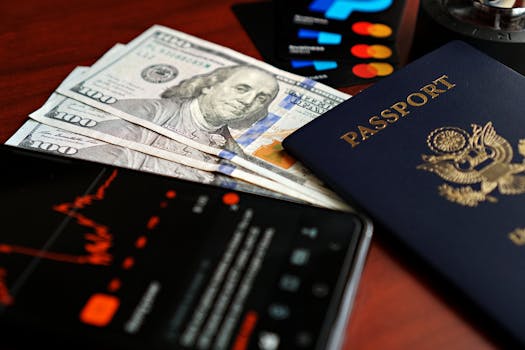
The Digital Nomad Dream: Unlocking the World for Under $500
I stepped off the train in Lisbon, the salty Atlantic breeze whipping through my hair, carrying the faint, intoxicating scent of grilled sardines and blooming jacaranda. The sunlight, a warm Iberian caress, painted the terracotta rooftops in hues of amber and rose. This wasn't just a vacation; it was my new office. My laptop, humming softly in my backpack, held the key to a life I’d only dared to imagine: working remotely from a place that felt like a storybook. For so long, the idea of a "digital nomad visa" felt like a distant, expensive luxury. But what if I told you it doesn't have to be? What if you could trade your cramped cubicle for a sun-drenched plaza, your daily commute for a stroll along ancient cobblestones, all without emptying your savings?
The $500 Visa Myth: Debunking the Sticker Shock
Let's be honest, the initial thought of "visa fees" can send shivers down any budget-conscious traveler's spine. We picture exorbitant application costs, complex bureaucratic hurdles, and a price tag that makes you reconsider staying put. But here's the secret the travel advisors whisper amongst themselves: not all remote work visas are created equal. Many countries are actively courting digital nomads, recognizing the economic boost they bring. They’ve streamlined their processes and, crucially, kept their visa fees incredibly accessible. We're talking about costs that are genuinely under the $500 mark, often significantly less. This isn't about finding a loophole; it's about strategically choosing destinations that value your contribution.
Portugal: The Gateway to European Digital Nomadism
Ah, Portugal. It’s the darling of the digital nomad world for a reason, and its D7 Visa (often referred to as the passive income visa, but incredibly accessible for remote workers too) is a game-changer. While technically for those with passive income, many remote workers successfully apply by demonstrating consistent income from their work abroad. The application process is relatively straightforward, and the visa fee itself is a fraction of what you might expect.
Pro-Tip:
While Lisbon and Porto are popular, consider the Algarve for stunning coastal views and a more relaxed pace, or the Azores for an island paradise experience. Application processing times can vary, so start early!
Quick Facts: Portugal D7 Visa
- Estimated Visa Cost: €80 - €150 (approx. $85 - $160 USD) – Note: This is the visa application fee, not including other potential costs like proof of funds or travel.
- Best Time to Visit: Spring (April-May) and Autumn (September-October) for pleasant weather and fewer crowds.
- How to Get There: Direct flights to Lisbon (LIS) and Porto (OPO) from major international hubs.
Estonia: The Digital Pioneer with a Dazzling D-Visa
Estonia, the land of the e-Residency and a true digital pioneer, offers a Digital Nomad Visa that’s as forward-thinking as the country itself. This visa is specifically designed for remote workers and freelancers who can demonstrate a stable income and work independently from their employer or clients located outside Estonia. The application is almost entirely digital, reflecting Estonia's commitment to seamless online services.
Insider Scoop:
Don't just stick to Tallinn! Explore the charming medieval town of Tartu, known for its vibrant student population and cultural scene, or the serene island of Saaremaa for a truly unique experience. The e-Residency program can also be a useful stepping stone for entrepreneurs.
Quick Facts: Estonia Digital Nomad Visa
- Estimated Visa Cost: €100 (approx. $108 USD)
- Best Time to Visit: Summer (June-August) for long daylight hours and festivals, or Winter (December-February) for a magical, snow-dusted experience.
- How to Get There: Flights to Tallinn (TLL) are readily available.
Croatia: The Adriatic Gem's Remote Work Scheme
Croatia, with its breathtaking coastline and ancient cities, has embraced the digital nomad wave with its Temporary Stay for Digital Nomads program. This visa allows individuals to reside in Croatia for up to 12 months, with the possibility of extension. The application process is designed to be accessible, and the cost is remarkably low, making it an attractive option for those dreaming of working by the azure waters of the Adriatic.
Pro-Tip:
For a truly authentic experience, venture beyond Dubrovnik and Split. Explore the Istrian peninsula for its truffle-infused cuisine and Roman ruins, or the islands of Hvar and Korčula for their laid-back charm and crystal-clear waters. The "tax relief" aspect for digital nomads is a significant bonus.
Quick Facts: Croatia Digital Nomad Visa
- Estimated Visa Cost: €60 - €100 (approx. $65 - $108 USD) – This is the standard application fee.
- Best Time to Visit: Late Spring (May-June) and Early Autumn (September-October) for warm weather and fewer tourists.
- How to Get There: Flights to major cities like Zagreb (ZAG), Split (SPU), and Dubrovnik (DBV).
Costa Rica: Pura Vida and a Peaceful Digital Haven
Known for its "Pura Vida" lifestyle, Costa Rica offers a warm embrace to remote workers with its Temporary Residence Visa for Digital Nomads. This program allows individuals to live and work remotely from this Central American paradise for up to a year, with an option to renew. The application is designed to be straightforward, and the associated fees are surprisingly modest, especially considering the sheer beauty and biodiversity on offer.
Insider Scoop:
Beyond the popular surfing spots of Tamarindo and Santa Teresa, explore the cloud forests of Monteverde for incredible wildlife spotting, or the Osa Peninsula for a truly wild and remote experience. The emphasis on sustainability and eco-tourism is palpable.
Quick Facts: Costa Rica Digital Nomad Visa
- Estimated Visa Cost: $100 - $300 USD (depending on specific application requirements and any associated processing fees)
- Best Time to Visit: Dry Season (December-April) for sunshine and outdoor adventures.
- How to Get There: Flights to Juan Santamaría International Airport (SJO) near San José.
Georgia: The Caucasus Gem with a Welcoming Stance
Georgia, a country at the crossroads of Eastern Europe and Western Asia, has long been a favorite for budget travelers, and its approach to remote workers is equally welcoming. While not a formal "digital nomad visa" in the strictest sense, Georgia allows many nationalities to stay for up to one year visa-free. For those needing longer or a more formal status, the process is generally straightforward and cost-effective, making it an incredibly attractive option for those seeking adventure and affordability.
Pro-Tip:
Explore the ancient cave city of Uplistsikhe, indulge in the wine region of Kakheti, or hike in the stunning Svaneti mountains. The blend of ancient history, delicious food (khachapuri, anyone?), and warm hospitality is unforgettable.
Quick Facts: Georgia (Visa-Free Stay for many nationalities)
- Estimated Visa Cost: $0 for many nationalities for up to 1 year. For longer stays or specific permits, costs are generally low.
- Best Time to Visit: Spring (April-May) and Autumn (September-October) for pleasant weather.
- How to Get There: Flights to Tbilisi (TBS) are common.
Malaysia: The Southeast Asian Hub with an Affordable eVisa
Malaysia, with its dynamic cities, lush rainforests, and vibrant culture, is making waves in the digital nomad scene. While they are actively developing more specific digital nomad visa programs, many remote workers can leverage existing tourist visa options or explore opportunities through their eVisa system, which is generally affordable and efficient for shorter stays, with potential for longer-term arrangements through specific programs or extensions. The cost of living and the accessibility of the eVisa make it a compelling choice.
Insider Scoop:
Beyond the iconic Petronas Towers in Kuala Lumpur, explore the street art of Penang, the tea plantations of the Cameron Highlands, or the pristine islands of Langkawi and the Perhentian Islands for breathtaking beaches. The culinary scene is a major draw!
Quick Facts: Malaysia (eVisa for many nationalities)
- Estimated Visa Cost: $20 - $50 USD for eVisa (prices can vary by nationality and duration).
- Best Time to Visit: West Coast (Penang, Langkawi) generally has good weather from December to May. East Coast (Perhentians) is best from March to October.
- How to Get There: Flights to Kuala Lumpur International Airport (KUL).
Beyond the Visa: The True Cost of Your Global Office
It's crucial to remember that the visa fee is just one piece of the puzzle. When planning your budget-friendly digital nomad adventure, consider these additional factors:
- Proof of Income: Most remote work visas require you to demonstrate a stable monthly income. This is usually a set amount, and the figures are often quite reasonable for these destinations.
- Health Insurance: Essential for any international travel. Ensure you have comprehensive coverage.
- Accommodation: Hostels, co-living spaces, Airbnb, and local apartment rentals can all be incredibly affordable in these regions.
- Cost of Living: This is where you'll see the biggest savings. Food, transportation, and entertainment are significantly cheaper in many of these countries compared to Western Europe or North America.
- Flights: Booking in advance and being flexible with dates can lead to substantial savings.
The Takeaway:
The dream of working remotely from exotic locales is more attainable than ever. By focusing on countries with accessible and affordable remote work visas, you can embark on an enriching adventure without the financial strain. It's time to trade the mundane for the magnificent, one low-cost visa at a time.