The Allure of Lingering: Why Slow Travel is the Future, and Who's Paying You to Do It
I stepped off the overnight train, the crisp morning air carrying the faint scent of woodsmoke and damp earth. It wasn’t the frantic rush of a major airport, but a gentle unfolding. The station was small, unpretentious, and the faces of the few people milling about held a calm, unhurried curiosity. This was my first taste of a place that understood the profound beauty of staying – not just visiting. In a world obsessed with ticking off landmarks, a growing movement is championing a different kind of journey: slow travel. And the best part? Some countries are actively incentivizing it.
This isn't about lounging on a beach for weeks (though that’s a perk!). Slow travel is about deep immersion, meaningful connections, and experiencing a destination not as a tourist, but as a temporary resident. It’s about savouring the local coffee, learning a few phrases of the language, understanding the rhythm of daily life, and discovering the stories etched into the cobblestones. And now, a select few nations are recognizing the immense value this approach brings – both to the traveler and to their own communities. They're offering tangible benefits, visa programs, and unique opportunities to encourage you to unpack your bags and truly live there for a while.
Section 1: Unlocking the Mediterranean Charm: Portugal's Digital Nomad & Long-Stay Visas
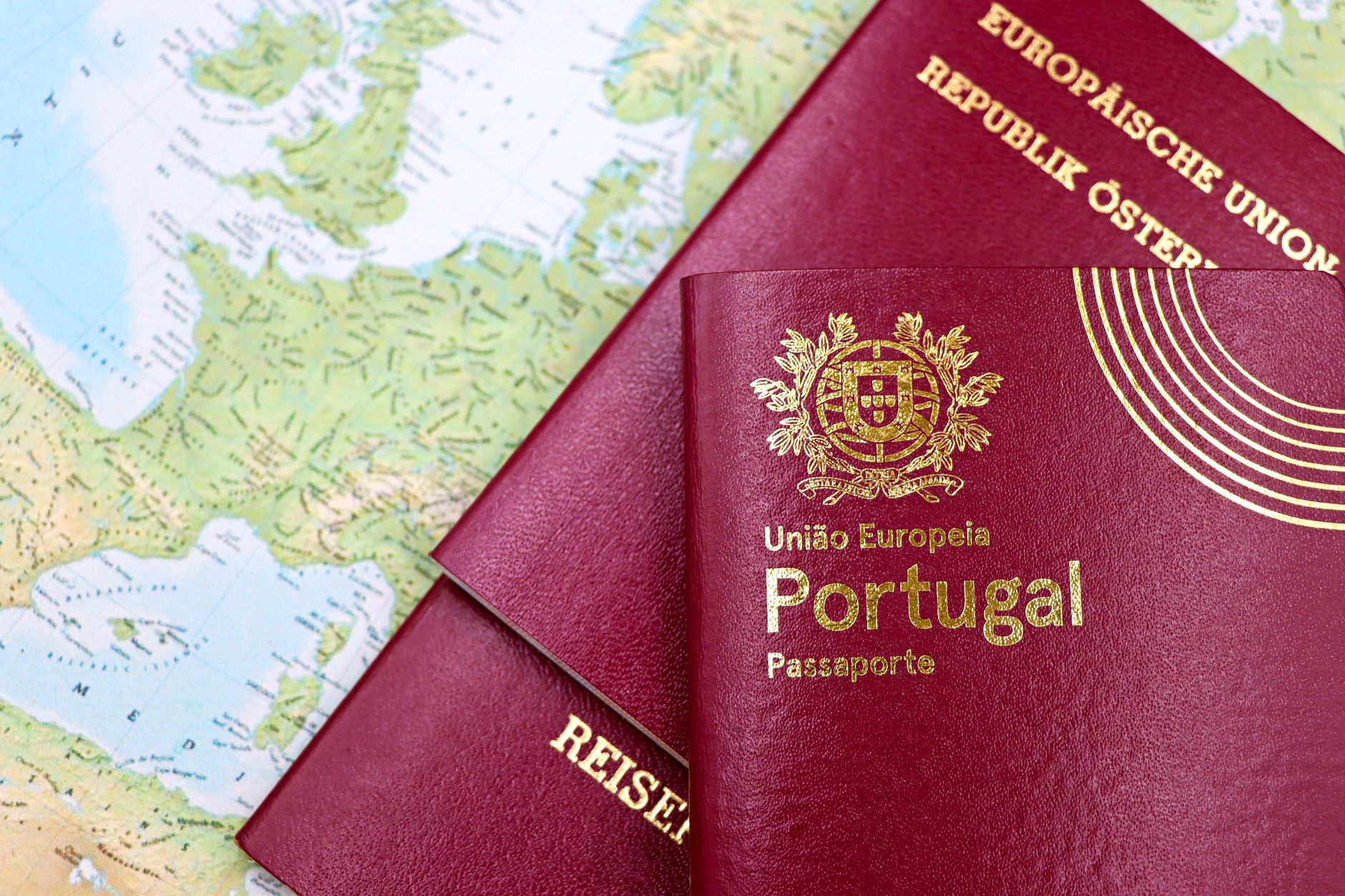
Portugal. Just the name conjures images of sun-drenched terracotta roofs, the melancholic strumming of Fado, and the salty kiss of the Atlantic breeze. For years, it’s been a darling of budget travelers and backpackers, but its embrace of slow travel is truly next-level. Beyond its undeniable beauty, Portugal has proactively created pathways for those who want to stay longer, fostering a sense of community and sustainability.
## Portugal's 'D7 Visa' & Digital Nomad Visa: Your Ticket to Extended Bliss
The D7 Visa, often dubbed the "Passive Income Visa," is a game-changer for slow travelers with a steady income stream from pensions, investments, or rental properties. It allows you to reside in Portugal for an extended period, with the ultimate goal of obtaining permanent residency. More recently, Portugal launched a dedicated Digital Nomad Visa, specifically designed for remote workers. This visa allows you to live and work remotely from Portugal for up to a year, with the possibility of renewal.
### Pro-Tips for Portugal:
- Embrace the 'Quintas': Look beyond the city centers. Renting a 'quinta' (a country house or farm) in regions like the Alentejo or the Algarve offers unparalleled peace, space, and a truly authentic rural experience.
- Learn Basic Portuguese: Even a few phrases will open doors and warm hearts. Locals appreciate the effort immensely.
- Morning Markets are Magic: Visit local markets like Mercado da Ribeira in Lisbon (though it’s popular, the early morning is still charming) or smaller town markets for the freshest produce and a glimpse into local life.
- The 'Pastel de Nata' Pilgrimage: Yes, it’s touristy, but finding your favorite pastel de nata from a local 'pastelaria' is a delicious slow travel quest.
### Quick Facts: Portugal
| Category | Details | Estimated Cost ($) | Best Time to Visit | How to Get There |
| :--------------- | :------------------------------------------------------------------- | :----------------- | :----------------- | :--------------------------------------------------- |
| Visa | D7 Visa (Passive Income), Digital Nomad Visa | Visa Application Fee: $100-$200 | Year-round, but Spring (Apr-May) & Autumn (Sep-Oct) are ideal for pleasant weather and fewer crowds. | Major international airports in Lisbon (LIS), Porto (OPO). Train and bus networks connect cities and towns. |
| Accommodation| Apartments, Quintas, Guesthouses | $800 - $2000/month | | |
| Food | Local restaurants ('tascas'), markets, self-catering | $400 - $800/month | | |
| Transport | Public transport (trains, buses), car rental for rural exploration | $100 - $300/month | | |
Section 2: The Land of Enchantment: Costa Rica's 'Rentista' & Digital Nomad Visas
Costa Rica. The very name whispers 'Pura Vida' – the pure life. This Central American gem has long been a beacon for eco-tourism and adventure, but its commitment to welcoming long-term visitors, particularly those seeking a sustainable and enriching lifestyle, is increasingly evident. It’s a country where the rainforest meets the ocean, and where the pace of life naturally encourages you to slow down.
## Costa Rica's 'Rentista' & Digital Nomad Visas: Embrace the Green Heart
Costa Rica offers the 'Rentista' Visa, similar to Portugal's D7, for individuals with stable, long-term income from outside the country. This visa is perfect for those who wish to live a relaxed life, surrounded by nature, without the pressure of immediate employment within Costa Rica. More recently, they’ve introduced a Digital Nomad Visa to attract remote workers, allowing them to reside in the country for up to a year, renewable for another year.
### Pro-Tips for Costa Rica:
- 'Tico Time' is Real: Embrace the local concept of 'Tico Time'. Things move at a more relaxed pace. Don't fight it; flow with it.
- Explore Beyond the Tourist Hubs: While La Fortuna and Manuel Antonio are stunning, venture to the Osa Peninsula for raw, untamed biodiversity, or the Nicoya Peninsula for a more laid-back, bohemian vibe.
- Learn About Coffee & Cacao: Take a tour at a local coffee plantation or a small-scale cacao farm. Understanding the process from bean to bar is a delicious way to connect with the land.
- Volunteer with Local Initiatives: Many eco-lodges and conservation projects welcome longer-term volunteers, offering an incredible opportunity for deep immersion and giving back.
### Quick Facts: Costa Rica
| Category | Details | Estimated Cost ($) | Best Time to Visit | How to Get There |
| :--------------- | :------------------------------------------------------------------- | :----------------- | :----------------- | :--------------------------------------------------- |
| Visa | Rentista Visa, Digital Nomad Visa | Visa Application Fee: $100-$250 | Dry Season (Dec-Apr) for most regions, but the Caribbean coast has a different microclimate. | Major international airport in San José (SJO). Internal flights and extensive bus network connect most areas. |
| Accommodation| Eco-lodges, cabinas, apartments, homestays | $700 - $1800/month | | |
| Food | 'Sodas' (local eateries), fresh fruit markets, self-catering | $350 - $700/month | | |
| Transport | Public buses, shared shuttles ('colectivos'), car rental (4x4 recommended for some areas) | $150 - $400/month | | |
Section 3: The Land of Fjords & Folklore: Norway's Remote Work Visas
Norway. A land of dramatic fjords, the ethereal Northern Lights, and a deep respect for nature and community. While often perceived as expensive, Norway is making strides to attract skilled individuals who can contribute to its economy and culture, particularly in its more remote regions. This isn't about cheap living, but about a unique quality of life and an incentive to experience a truly different pace.
## Norway's Remote Work Visas: For Those Who Dream of the Arctic Circle
Norway has been progressively adapting its visa policies to accommodate remote workers and freelancers. While not as explicitly branded as a 'slow travel' visa, the opportunities for long-term stays for those working remotely are significant. The focus is often on skilled professionals who can bring value to local communities, particularly in areas seeking economic revitalization. This encourages a deeper integration, moving beyond a transient tourist experience.
### Pro-Tips for Norway:
- Embrace the 'Friluftsliv': This Norwegian concept translates to 'open-air living.' It's about reconnecting with nature through hiking, skiing, fishing, or simply being outdoors.
- Explore the Lofoten Islands: This archipelago offers some of the most dramatic scenery in Norway. Stay in a traditional 'rorbu' (fisherman's cabin) for an unforgettable experience.
- Seek Out Local Festivals: From Sami cultural gatherings to summer solstice celebrations, local events offer a vibrant glimpse into Norwegian traditions.
- Learn About the Midnight Sun & Northern Lights: Depending on the season, you can experience 24-hour daylight or the magical aurora borealis. Plan your stay around these natural phenomena for a truly unique slow travel journey.
### Quick Facts: Norway
| Category | Details | Estimated Cost ($) | Best Time to Visit | How to Get There |
| :--------------- | :------------------------------------------------------------------- | :----------------- | :----------------- | :--------------------------------------------------- |
| Visa | Remote Work Visa (for skilled professionals) | Visa Application Fee: ~$70 | Summer (Jun-Aug) for hiking and mild weather. Winter (Nov-Mar) for Northern Lights and snow activities. | Major international airports in Oslo (OSL), Bergen (BGO). Extensive train and ferry network. |
| Accommodation| Apartments, cabins, 'rorbu', guesthouses | $1200 - $2500+/month | | |
| Food | Supermarkets, local cafes, seafood | $600 - $1000+/month | | |
| Transport | Trains, buses, ferries, domestic flights | $200 - $500+/month | | |
Section 4: The Adriatic Pearl: Croatia's Digital Nomad Visa
Croatia. With its shimmering coastline dotted with islands, ancient walled cities, and crystal-clear waters, Croatia has captivated travelers for decades. Now, it's officially rolling out the red carpet for digital nomads, recognizing the economic and cultural benefits of longer stays. This is an invitation to soak in the Mediterranean lifestyle at your own pace.
## Croatia's Digital Nomad Visa: Your Gateway to Island Hopping & Ancient Cities
Croatia introduced its Digital Nomad Visa in 2021, allowing third-country nationals to stay in Croatia for up to 12 months. This visa is specifically for individuals who can work remotely for companies outside of Croatia or run their own companies outside of Croatia. It’s an excellent opportunity to experience the Dalmatian coast, explore historic cities like Dubrovnik and Split, and truly immerse yourself in the local culture without the pressure of a short-term tourist visa.
### Pro-Tips for Croatia:
- Island Time is the Best Time: Don't just stick to the mainland. Spend a week or two on islands like Hvar, Korčula, or Brač. Each has its own unique charm and rhythm.
- Discover 'Konobas': Seek out traditional 'konobas' (taverns) for authentic Croatian cuisine. Look for places that are busy with locals.
- Learn About Olive Oil & Wine: Croatia has a rich tradition of olive oil production and wine-making. Take a tasting tour in regions like Istria or Pelješac.
- Explore Beyond the Summer Crowds: Consider visiting in the shoulder seasons (May-June or September-October) for pleasant weather, fewer crowds, and more authentic local interactions.
### Quick Facts: Croatia
| Category | Details | Estimated Cost ($) | Best Time to Visit | How to Get There |
| :--------------- | :------------------------------------------------------------------- | :----------------- | :----------------- | :--------------------------------------------------- |
| Visa | Digital Nomad Visa | Visa Application Fee: ~$60-$80 | Spring (May-Jun) & Autumn (Sep-Oct) offer pleasant weather and fewer crowds. | Major international airports in Zagreb (ZAG), Split (SPU), Dubrovnik (DBV). Ferries connect islands. |
| Accommodation| Apartments, villas, rooms in private homes ('sobe') | $700 - $1800/month | | |
| Food | Konobas, local markets, self-catering | $400 - $700/month | | |
| Transport | Buses, ferries, car rental | $150 - $350/month | | |
Section 5: The Land of Fire and Ice: Iceland's Creative Worker Visa
Iceland. A land of stark, breathtaking beauty, where glaciers meet volcanoes, and the folklore is as captivating as the landscapes. While often associated with expensive short trips, Iceland is actively encouraging individuals with specific skill sets to contribute to its vibrant creative and tech industries through its Creative Worker Visa. This isn't a typical "slow travel" visa, but it opens doors for those who want to immerse themselves in Icelandic life for an extended period, bringing their unique talents.
## Iceland's Creative Worker Visa: For the Innovators and Artists
Iceland's Creative Worker Visa is designed for individuals who have a job offer in specific sectors, including the arts, culture, and technology. While it requires a job offer, it’s an excellent pathway for those who want to live and work in Iceland for longer than a typical tourist stay, fostering a deeper connection with the country's unique culture and environment. The emphasis is on contributing to Icelandic society, which naturally leads to a more integrated and slower experience.
### Pro-Tips for Iceland:
- Embrace the 'Góðan daginn': A simple greeting goes a long way. Icelanders are reserved but incredibly welcoming once you break the ice.
- Explore the Ring Road (Slowly): Don't rush the Ring Road. Take your time, stop at every scenic overlook, and explore the hidden waterfalls and hot springs.
- Visit Local Swimming Pools: Icelanders love their geothermal swimming pools. They are social hubs and a fantastic way to experience local life year-round.
- Learn About Sagas and Folklore: Delve into the rich history of Icelandic sagas and folklore. It adds a magical layer to the already enchanting landscapes.
### Quick Facts: Iceland
| Category | Details | Estimated Cost ($) | Best Time to Visit | How to Get There |
| :--------------- | :------------------------------------------------------------------- | :----------------- | :----------------- | :--------------------------------------------------- |
| Visa | Creative Worker Visa (requires job offer in specific sectors) | Visa Application Fee: ~$200-$300 | Summer (Jun-Aug) for the Midnight Sun and hiking. Winter (Oct-Mar) for the Northern Lights. | Major international airport in Keflavík (KEF). Domestic flights and buses connect major towns. |
| Accommodation| Apartments, guesthouses, farm stays | $1500 - $3000+/month | | |
| Food | Supermarkets, cafes, seafood | $700 - $1200+/month | | |
| Transport | Buses, car rental (4x4 recommended for highlands), domestic flights | $250 - $600+/month | | |
The Heart of Slow Travel: Beyond the Visa
These incentives are more than just bureaucratic hurdles to overcome; they are invitations. They are a signal from these countries that they value the depth of experience that slow travel offers. They recognize that travelers who stay longer contribute more meaningfully to local economies, foster cultural exchange, and leave a lighter footprint.
When you choose to travel slowly, you move beyond the superficial. You start to understand the subtle nuances of a culture – the way a baker kneads dough with generations of inherited skill, the quiet pride in a fisherman’s weathered hands, the vibrant chatter of a neighborhood market that’s been the heart of a community for centuries. You’re not just seeing a place; you’re feeling it. You’re becoming part of its ongoing story, even if just for a little while.
So, as you plan your next adventure, consider these destinations. Look beyond the quick snapshots and fleeting moments. Embrace the opportunity to truly live somewhere, to connect, to learn, and to discover the profound rewards of slow travel. The world is waiting for you to linger.