The Dawn of a Delicious Revolution: Why Agricultural Tourism is Your Next Great Escape
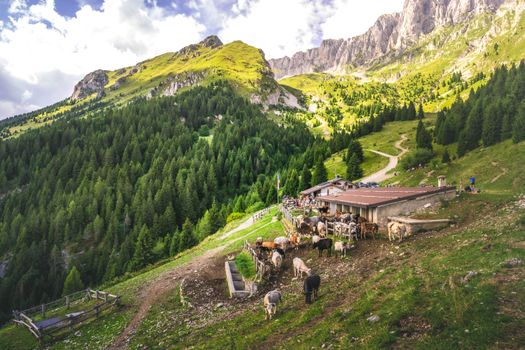
I stepped off the rickety bus, the scent of sun-baked earth and something vaguely sweet – perhaps ripening tomatoes – instantly grounding me. The cacophony of the city faded, replaced by the gentle hum of insects and the distant bleating of sheep. Before me lay not a manicured resort, but a patchwork quilt of vibrant green fields, dotted with terracotta-roofed farmhouses. This wasn't just a destination; it was an invitation. An invitation to connect, to learn, and to taste the very essence of a place, all while making a tangible difference to the lives of the people who cultivate it. This is agricultural tourism, and this year, it’s not just emerging; it’s blooming.
For too long, travel has been about seeing, about consuming. But a seismic shift is happening. Travelers are craving connection, authenticity, and purpose. They want to understand where their food comes from, to meet the hands that grow it, and to contribute to the preservation of rural landscapes and traditions. Agricultural tourism, or agritourism, is the answer. It’s a symbiotic relationship where travelers gain enriching experiences, and small, independent farmers gain vital economic support, helping them to thrive against the pressures of industrial agriculture.
1. Beyond the Brochure: What Really is Agritourism?
Forget the idea of a dusty, back-breaking holiday. Modern agritourism is a sophisticated, diverse offering. It’s about immersion. It can be as simple as visiting a local vineyard for a tasting and a chat with the vintner, or as involved as spending a week on an organic farm, learning about regenerative practices, milking cows, and harvesting seasonal vegetables for your own meals.
Think about it:
- Farm Stays: Waking up in a charming cottage on a working farm, with the rooster's crow as your alarm clock.
- Pick-Your-Own Adventures: Spending a glorious afternoon in an orchard, selecting the ripest berries or the crispest apples.
- Culinary Workshops: Learning to make artisanal cheese, bake traditional bread, or craft farm-fresh pasta.
- Educational Tours: Understanding sustainable farming techniques, beekeeping, or olive oil production directly from the experts.
- Farm-to-Table Dining: Experiencing meals where every ingredient tells a story, often prepared by the farmer or their family.
This isn't just about observation; it's about participation. It’s about feeling the soil between your fingers, smelling the herbs as they’re picked, and tasting the sun-ripened sweetness of a fruit plucked straight from the vine.
2. The Heartbeat of the Land: Why Supporting Small Farmers Matters
In an era of globalized food systems, small, independent farms are the custodians of biodiversity, tradition, and local economies. They are often the ones preserving heirloom varieties, practicing time-honored techniques, and maintaining the very fabric of rural communities. However, they face immense challenges: volatile markets, rising costs, and competition from large-scale operations.
This is where you, the agritourist, come in.
By choosing to vacation on a farm, purchase directly from a farm stand, or participate in farm-based experiences, you provide:
- Direct Economic Support: Your spending goes directly to the farmer, helping them invest in their land, livestock, and future.
- Preservation of Rural Landscapes: Tourism revenue can incentivize farmers to keep their land in cultivation, preventing it from being developed.
- Cultural Heritage Preservation: Many small farms are repositories of local culinary traditions and agricultural knowledge. Your interest helps keep these alive.
- Environmental Stewardship: Many small farmers are at the forefront of sustainable and organic practices, and your support encourages these methods.
It's a powerful way to travel with purpose, knowing that your holiday is contributing to something meaningful. You're not just a tourist; you're a partner in sustainability.
3. Emerging Destinations & Experiences: Where to Find This Magic
The beauty of agritourism is its ubiquity. It’s not confined to one region or country. This year, we're seeing an explosion of innovation and accessibility.
Here are some of the exciting areas and trends to watch:
- The Rise of the "Micro-Farm" Experience: Smaller, often family-run operations are opening their doors, offering highly personalized and intimate experiences. Think a single-bedroom guesthouse on a lavender farm or a weekend workshop on a regenerative vegetable patch.
- Specialty Crop Tourism: Beyond wine and olive oil, look for destinations focusing on niche products. This could be a blueberry farm in Maine, a saffron grower in Spain, a coffee plantation in Costa Rica, or a maple syrup producer in Canada.
- Agri-Tourism Hubs: Certain regions are actively developing their agritourism infrastructure, creating curated routes and clusters of farms offering diverse experiences. These hubs make planning your trip even easier.
- Focus on Wellness and Mindfulness: Many agritourism ventures are incorporating elements of wellness, offering yoga retreats on farms, forest bathing in agricultural landscapes, or simply the peace and quiet of rural life as a form of digital detox.
Pro-Tip:
Use local tourism boards or dedicated agritourism platforms (like Tripsora!) to discover hidden gems. Don't be afraid to reach out directly to farms to ask about their offerings and availability.
4. Crafting Your Perfect Agritourism Itinerary: Practicalities & Pro-Tips
Planning an agritourism trip is part of the adventure. It requires a slightly different approach than booking a city break, but the rewards are immense.
Quick Facts for Your Agritourism Adventure:
| Category | Details | Estimated Cost ($) | Best Time to Visit | How to Get There |
| :---------------- | :-------------------------------------------------------------------------------------------------------------------------------------------------------------------------------------------------------------------------------- | :----------------- | :--------------------------------------------------------------------------------------------------------------------------- | :----------------------------------------------------------------------------------------------------------------------------------------------- |
| Farm Stays | Varies from rustic cabins to luxurious farmhouses. Often includes breakfast, sometimes dinner. Activities may be extra. | $80 - $300+ per night | Depends on the farm and activities. Spring for planting/lambing, Summer for harvests, Autumn for fruit/wine. | Often requires a car rental. Some rural locations may have limited public transport. Check farm websites for specific directions. |
| Pick-Your-Own | Typically a per-pound or per-basket fee for produce. Some farms may have entry fees. | $5 - $20 per person | Seasonal, based on crop availability (e.g., berries in summer, pumpkins in fall). | Accessible via car. Many farms are located outside of main towns. |
| Culinary Tours| Often full-day or half-day experiences. Includes tastings, demonstrations, and sometimes a meal. | $50 - $150+ per person | Varies by product. Cheese making might be year-round, while specific fruit harvests are seasonal. | Usually involves guided transport from a central meeting point or requires driving to the farm. |
| Educational | Workshops, farm tours. Can range from a few hours to several days. | $30 - $200+ per person | Often tied to specific agricultural cycles or animal breeding seasons. | Generally requires personal transport. |
| Farm-to-Table | Dining experiences. Can be a single meal or part of a longer stay. | $30 - $100+ per person | Year-round availability, but seasonal menus offer the freshest ingredients. | Can be at the farm itself or at a restaurant that partners with local farms. |
Insider's Guide to Planning:
- Book in Advance: Especially for popular farm stays or workshops, booking months ahead is advisable.
- Check for "Agriturismo" Labels: In countries like Italy, "Agriturismo" is a protected designation, ensuring a certain standard of farm-based accommodation and food.
- Pack Appropriately: Think comfortable walking shoes, layers of clothing, rain gear (just in case!), and a reusable shopping bag for farm-fresh purchases.
- Embrace the Pace: Agritourism is about slowing down. Don't overschedule yourself. Allow time for spontaneous conversations with farmers and unexpected discoveries.
- Ask Questions! Farmers are passionate about their work. Engage with them, learn about their challenges and triumphs. This is where the real magic happens.
- Respect the Farm: Remember you are on a working property. Follow safety guidelines, be mindful of livestock, and leave no trace.
5. The Taste of Authenticity: More Than Just Food
The food in agritourism is, of course, a highlight. It's hyper-local, seasonal, and bursting with flavor. But the authenticity runs deeper. It’s in the weathered hands of the farmer who expertly guides you through the vineyard, the generations-old recipes shared over a communal table, the quiet pride in their voice as they talk about their land.
It’s in the details:
- The way the sunlight catches the dust motes dancing in the barn.
- The distinct aroma of wild herbs crushed underfoot as you walk through a meadow.
- The satisfying thud of a perfectly ripe tomato hitting your basket.
- The warm, crusty texture of bread baked that morning in a wood-fired oven.
- The generous pour of wine, accompanied by stories of the harvest.
This is about experiencing life at its most elemental, connected to the rhythms of nature and the dedication of those who work the land. It's a refreshing antidote to the often-impersonal nature of modern life.
6. Beyond the Harvest: The Lasting Impact of Your Trip
When you return home from an agritourism experience, you’ll carry more than just souvenirs. You’ll have a deeper appreciation for the effort that goes into producing your food, a connection to a place and its people, and the satisfaction of knowing you’ve made a positive contribution.
You’ll likely find yourself seeking out local farmers’ markets with renewed enthusiasm, perhaps even starting your own small herb garden. The lessons learned and the memories made on these farms can inspire a more conscious and connected way of living.
So, this year, step off the beaten path.
Choose a journey that nourishes your spirit, delights your senses, and directly supports the backbone of our food system. Agricultural tourism is more than just a trend; it's a movement towards a more sustainable, authentic, and deeply rewarding way to see the world. It’s time to get your hands dirty and taste the difference.
---