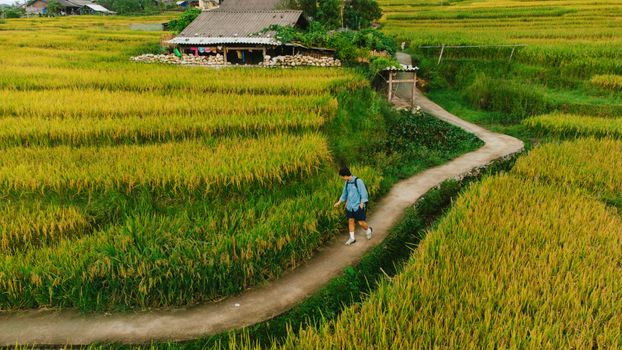
The Slow Travel Revolution: Unlocking Spring's Most Incentivized Destinations
I stepped off the train in a small Tuscan village, the scent of wild rosemary and sun-baked earth filling my lungs. The late afternoon sun cast long, golden shadows across cobblestone streets, and the only sound was the distant chime of church bells and the murmur of Italian conversation drifting from an open trattoria window. There was no rush, no pressure to see it all. Just the invitation to be. This is the essence of slow travel, and this spring, a growing number of countries are not just welcoming it, they're actively encouraging it with enticing incentives. Forget the whirlwind tours; it's time to savor, to connect, and to truly experience a destination.
Why Slow Travel is Your Spring Awakening
The world is waking up to the undeniable magic of slowing down. In an era of constant connectivity and information overload, the desire to disconnect and immerse ourselves is stronger than ever. Slow travel isn't just a trend; it's a conscious choice to engage with a place on a deeper level. It's about:
- Authentic Immersion: Moving beyond tourist traps to engage with local communities, traditions, and daily life.
- Sustainability: Reducing your carbon footprint by staying longer, utilizing local transport, and supporting local businesses.
- Mental Well-being: Reducing stress and burnout by embracing a more relaxed pace and fostering genuine connections.
- Economic Impact: Directing your tourism spend to benefit local economies and preserve cultural heritage.
This spring, several forward-thinking nations are rolling out the red carpet for slow travelers, offering everything from visa facilitation for longer stays to discounts on accommodations and local experiences. It’s an opportunity to explore without the pressure, to learn without the rush, and to return home feeling truly replenished.
Portugal: The Digital Nomad Haven with a Slow Travel Heart
Portugal has been a trailblazer in attracting remote workers and slow travelers, and its appeal only intensifies in the spring. The Algarve's golden beaches are less crowded, Lisbon's historic neighborhoods buzz with a vibrant, yet manageable, energy, and the Azores offer an otherworldly escape.
Incentives & Why They Matter
Portugal’s Digital Nomad Visa is a game-changer, allowing individuals to stay for up to a year. While primarily for remote workers, this visa inherently encourages slow travel. Beyond that, many accommodations, particularly outside the peak summer months, offer significant long-term stay discounts. Local businesses are increasingly aware of the benefits of slow tourism, leading to more personalized experiences and community-based tours.
Insider's Perspective
"I spent two months in a small town near Porto, renting a charming apartment for a fraction of what I'd pay in Lisbon," shares Sofia, a freelance writer. "I joined a local cooking class where we made bacalhau à Brás from scratch using ingredients from the market, and spent my afternoons exploring cobblestone alleys, discovering tiny pastelarias selling the most divine pastéis de nata. It felt like I was living there, not just visiting."
Quick Facts: Portugal
| Category | Details |
| :----------------- | :------------------------------------------------------------------------- |
| Estimated Costs ($) | $1,500 - $3,000+ per month (depending on location & lifestyle) |
| Best Time to Visit | Spring (March-May): Pleasant weather, fewer crowds, blooming landscapes |
| How to Get There | Major international airports in Lisbon (LIS), Porto (OPO), Faro (FAO) |
Pro-Tip:
Explore the Alentejo region for rolling vineyards, cork oak forests, and a truly unhurried pace. Look for turismo rural accommodations for an authentic countryside experience.
Estonia: Digital Innovation Meets Ancient Charm
Estonia, a Baltic gem, has quietly become a leader in digital infrastructure and a surprising hub for slow, sustainable travel. Its compact size makes it ideal for exploring at a leisurely pace, from the medieval streets of Tallinn to the serene forests and islands.
Incentives & Why They Matter
Estonia’s e-Residency program and Digital Nomad Visa are renowned globally, making it exceptionally easy for long-term stays. This focus on digital nomads naturally fosters a slow travel environment. Many guesthouses and boutique hotels, especially in rural areas, offer seasonal discounts and packages designed for longer stays. The emphasis on digital connectivity means you can work from almost anywhere, from a cozy café in Tartu to a seaside cottage.
Insider's Perspective
"I was blown away by how easy it was to settle in," says Liam, a software developer. "I got my e-residency sorted before I even left home. My first month was in a modern apartment in Tallinn, but then I rented a small cabin on the island of Saaremaa. I spent my days cycling through pine forests, visiting ancient windmills, and watching the seals. The internet was surprisingly robust, and the peace was incredible. It’s this blend of cutting-edge tech and raw nature that makes Estonia so special."
Quick Facts: Estonia
| Category | Details |
| :----------------- | :------------------------------------------------------------------------- |
| Estimated Costs ($) | $1,200 - $2,500+ per month |
| Best Time to Visit | Spring (April-May): Nature awakens, milder temperatures, fewer tourists |
| How to Get There | Tallinn Airport (TLL) is the main international gateway |
Pro-Tip:
Don't miss the Lahemaa National Park for stunning coastal scenery, bogs, and historic manor houses. Consider staying in a traditional fisherman's cottage for a truly immersive experience.
Colombia: Vibrant Culture and a Welcoming Embrace
Colombia has shed its past reputation and emerged as a dazzling destination offering incredible value and a rich tapestry of experiences. From the Caribbean coast to the Andean highlands, spring brings pleasant weather and a vibrant energy perfect for unhurried exploration.
Incentives & Why They Matter
While Colombia doesn't have a specific "slow travel" visa, its tourist visa for many nationalities allows for extended stays of up to 180 days, which can be renewed. This inherent flexibility is a huge draw. Furthermore, the cost of living is significantly lower than in many European or North American countries, making extended stays more affordable. Many hostels and guesthouses offer weekly and monthly discounts, and local tour operators are increasingly designing multi-day, immersive experiences rather than quick day trips.
Insider's Perspective
"I decided to spend three months in Colombia, starting in Medellín," recounts Maya, a graphic designer. "The city's 'eternal spring' climate is no joke! I rented a room in the El Poblado neighborhood and took Spanish classes. My weekends were spent exploring the colorful streets of Guatapé, hiking in the Cocora Valley with its towering wax palms, and learning to salsa dance in Cali. The warmth of the Colombian people is infectious, and the affordability meant I could truly live like a local, not just a tourist."
Quick Facts: Colombia
| Category | Details |
| :----------------- | :------------------------------------------------------------------------- |
| Estimated Costs ($) | $1,000 - $2,000+ per month |
| Best Time to Visit | Spring (March-May): Generally good weather across most regions |
| How to Get There | Major airports in Bogotá (BOG), Medellín (MDE), Cartagena (CTG) |
Pro-Tip:
Venture beyond the popular spots. Explore the coffee region (Eje Cafetero) for charming fincas and immersive coffee tours, or head to the Pacific coast for incredible biodiversity and whale watching (seasonal).
Slovenia: Europe's Green Heart Awaiting Discovery
Often overlooked in favor of its more famous neighbors, Slovenia is a small country with a massive heart for nature and sustainability. Its compact size, stunning natural beauty, and commitment to green tourism make it an ideal slow travel destination this spring.
Incentives & Why They Matter
Slovenia actively promotes sustainable tourism and offers numerous opportunities for eco-friendly accommodations, often with longer-stay packages. While not a direct financial incentive, the ease of travel within the country – excellent public transport, well-maintained roads, and affordable car rentals – facilitates a slower, more deliberate exploration. Many agriturismo farms offer discounted rates for week-long stays, providing an authentic rural experience.
Insider's Perspective
"I rented a small apartment in Ljubljana for a month and used it as my base," says Ben, a photographer. "The city is incredibly walkable and bikeable. From there, I'd take day trips to Lake Bled, hike in the Julian Alps, and explore the Škocjan Caves. But the real magic happened when I spent a week at a family-run farm in the Soča Valley. I helped with the sheep, learned to make štruklji, and spent my evenings watching the emerald green river flow by. It was pure bliss, and so affordable compared to other European countries."
Quick Facts: Slovenia
| Category | Details |
| :----------------- | :------------------------------------------------------------------------- |
| Estimated Costs ($) | $1,400 - $2,800+ per month |
| Best Time to Visit | Spring (April-May): Wildflowers bloom, hiking trails open, fewer crowds |
| How to Get There | Ljubljana Jože Pučnik Airport (LJU) |
Pro-Tip:
Explore the Vipava Valley for its emerging wine scene and stunning karst landscapes. Look for local festivals celebrating spring produce and traditions.
Indonesia (Bali & Beyond): Embracing the Island Life
While Bali is a perennial favorite, Indonesia as a whole offers incredible opportunities for slow travel, especially as the shoulder season approaches. The focus here is on longer stays, cultural immersion, and embracing the laid-back island rhythm.
Incentives & Why They Matter
Indonesia offers Visa on Arrival (VOA) for many nationalities, which can be extended for up to 60 days. For longer stays, Digital Nomad visas are becoming more accessible. The cost of living is remarkably low, making extended stays financially feasible. Many villas and guesthouses offer significant monthly discounts, and the culture of hospitality means you'll often find hosts eager to share local insights and arrange authentic experiences.
Insider's Perspective
"I spent three months split between Ubud in Bali and the Gili Islands," shares Chloe, a yoga instructor. "In Ubud, I stayed in a rice paddy bungalow, practiced yoga twice a day, and explored local temples. The pace of life is inherently slow. Then, I moved to Gili Air for a month of diving and reading on the beach. No cars, just bicycles and bare feet. The affordability meant I could truly disconnect and recharge, learning to cook Indonesian dishes from my host family and even attending a traditional Balinese dance performance in a local village."
Quick Facts: Indonesia
| Category | Details |
| :----------------- | :------------------------------------------------------------------------- |
| Estimated Costs ($) | $800 - $1,800+ per month (highly variable by island and lifestyle) |
| Best Time to Visit | Spring (April-June): Transition to dry season, pleasant weather |
| How to Get There | Ngurah Rai International Airport (DPS) in Denpasar, Bali; Soekarno-Hatta International Airport (CGK) in Jakarta |
Pro-Tip:
Explore beyond Bali. Consider Lombok for stunning beaches and the Gili Islands, or head to Flores for Komodo dragons and incredible diving. Look for homestays (losmen) for the most authentic and affordable experiences.
The Future is Slow
This spring, the allure of slow travel is amplified by countries actively encouraging it. These destinations offer not just beautiful scenery and rich culture, but a chance to truly connect, to learn, and to leave a positive impact. By embracing incentives and choosing a slower pace, you're not just planning a vacation; you're investing in a more meaningful and sustainable way of experiencing our incredible world. Pack your bags, but leave the rush behind.