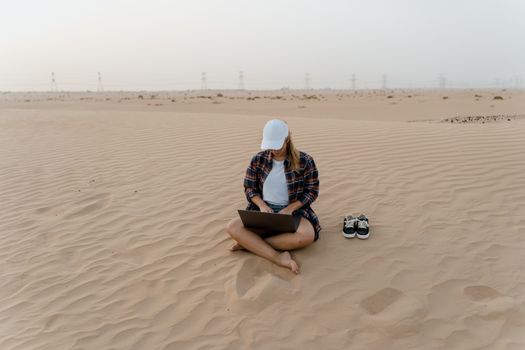
The Moment I Stopped Rushing
I stepped off the local regional train at Lamezia Terme, Calabria, and immediately smelled it: wild fennel roasting under a brutal Mediterranean sun, mixed with the sharp, salty tang of sea breeze and sizzling garlic from an open kitchen window.
My luggage was heavy, but my schedule was completely clear. For years, I had been the traveler who tried to conquer continents in two-week bursts—collecting stamp-sized memories at fifty miles per hour, returning home more exhausted than when I left.
Then I discovered that several governments across Europe, Asia, and Latin America were actively trying to stop travelers like me from rushing. They didn't want fast-moving tourists leaving behind plastic water bottles and micro-spending at souvenir shops. They wanted extended visitors who would buy tomatoes from the local greengrocer, learn three words of the dialect, and help keep ancient towns alive.
Even better? They were willing to pay for it.
If you are ready to trade five-country-in-ten-day marathons for immersive, lingering stays, here are the absolute best countries offering incentives for slow travel worth considering right now.
---
1. Italy: Beyond €1 Houses — Cash Grants in Calabria and Sardinia
Everyone has heard of Italy’s headlines about €1 homes, but few realize how complex those sales actually are. The real insider secret lies in Italy's direct relocation and extended-stay stipends designed to bring long-term life back to dying villages.
```
[ Regional Relocation Grants ]
│
┌──────────────┴──────────────┐
▼ ▼
CALABRIA SARDINIA
Up to €28,000 / 3 yrs Up to €15,000
Pop < 2,000 towns Home purchase/resto
```
The Incentive Breakdown
* Calabria’s Active Resident Income: Small villages with fewer than 2,000 inhabitants (such as Civita or Aieta) offer up to €28,000 over three years to remote workers and extended visitors willing to relocate temporarily or permanently and start a micro-business or take up a remote role.
* Sardinia’s Countryside Grant: The island set aside €45 million to offer visitors up to €15,000 to purchase or renovate a home in municipalities with under 3,000 residents, provided you register permanent residence within 18 months.
My On-the-Ground Experience
Living for three months in Santo Stefano di Sessanio, I spent my mornings working from a stone balcony overlooking snow-dusted Apennine peaks and my evenings eating stroncature pasta—a dark, wheat-bran pasta tossed with anchovies, calabrian chili, and toasted breadcrumbs. The rhythm of life shifted from managing itineraries to managing coffee breaks with the town woodworker.
> Pro-Tip: Skip the €1 house auctions unless you have an Italian lawyer on retainer and €50,000 in renovation liquidity. Instead, apply for the Calabria Active Residency Program directly through regional municipal portals (look for Bando Borghi announcements released each spring).
---
2. Spain: Extremadura’s €15,000 Remote Worker Grants
Spain has pivoted aggressively away from over-tourism in places like Barcelona and Ibiza, shifting focus toward deep, regional immersion. The autonomous community of Extremadura—a breathtaking region of chestnut forests, Roman ruins, and oak savannas—is leading the charge.
```
EXTREMADURA DIGITAL NOMAD GRANT:
├── Women & Under-30s: €10,000 initial + €5,000 extension (24 months)
└── Men Over 30: €8,000 initial + €4,000 extension (24 months)
```
The Incentive Breakdown
Extremadura launched a program offering up to €15,000 for digital nomads and slow travelers willing to move to its small towns (population under 5,000) for at least two years.
* Under 30 & Female Travelers: Receive an initial €10,000 grant, plus an extra €5,000 if you stay for a second year.
* All Other Applicants: Receive an initial €8,000, with a €4,000 extension.
Combined with Spain’s official Digital Nomad Visa (DNV), which caps Non-Resident Income Tax (IRNR) at a reduced rate of 24% for five years, slow traveling in rural Spain has never been more financially viable.
Cultural Vibe Check
Extremadura smells like woodsmoke and cured oak. You’ll spend your afternoons sipping €1.50 cañas of crisp lager alongside plates of jamón ibérico de bellota while storks nest on 15th-century bell towers above you.
> Pro-Tip: Head to Hervás, a village built into a river valley known for its preserved Jewish Quarter. The town’s fiber-optic internet speed rivals Madrid’s, but rent for an entire stone cottage averages around €400 per month.
---
3. Portugal: The Emprego Interior MAIS & Madeira Nomad Village
Portugal was an early pioneer of slow-travel infrastructure, but its focus has evolved. To counter high rents in Lisbon and Porto, the government now incentivizes long-term stays in its lush, mountainous interior.
```
PORTUGAL'S TWO PATHS FOR SLOW TRAVELERS
[ Interior MAIS Grant ] [ Madeira Nomad Village ]
• Up to €4,800 direct cash • Free co-working spaces
• Inland municipalities • Dedicated community events
• 1-year minimum stay • Subsidized local stays
```
The Incentive Breakdown
* Emprego Interior MAIS: Direct financial support of up to €4,800 for individuals who relocate their work to inland regions like Guarda, Castelo Branco, or Bragança.
* Digital Nomads Madeira Islands Project: In Ponta do Sol, Madeira, the regional government partnered with local communities to offer free co-working spaces, fast Wi-Fi networks, and organized cultural integration events for stays ranging from one to six months.
My On-the-Ground Experience
While staying in the interior town of Fundão, I was welcomed not as a temporary tourist, but as a temporary neighbor. My landlord dropped off baskets of fresh cherries every Tuesday, and local tech hubs provided free workspace alongside Portuguese entrepreneurs building sustainable ag-tech tools.
> Pro-Tip: If you apply for the Interior MAIS grant, make sure your employment contract or freelance service agreements are translated into Portuguese by a certified translator (tradutor ajuramentado) before submitting your dossier to the IEFP portal.
---
4. Japan: Free Countryside Homes via the Akiya Bank Scheme
Japan faces a massive demographic shift, resulting in millions of abandoned traditional wood-framed houses called Akiya (vacant homes). Rather than letting these historic structures decay, local prefectures are offering them to long-term residents and slow travelers for virtually nothing.
```
[ JAPAN'S AKIYA INCENTIVE SYSTEM ]
│
┌───────────────────┴───────────────────┐
▼ ▼
Direct Transfer Renovation Grants
Houses priced from Subsidies up to
$0 to $5,000 USD 2,000,000 JPY (~$13k USD)
```
The Incentive Breakdown
* Akiya Banks: Prefectures such as Nagano, Kagoshima, and Yamanashi maintain public databases of properties priced anywhere from $0 to $5,000.
* Renovation Subsidies: Many local town offices (town halls) provide renovation grants up to 2 million JPY (~$13,000 USD) if you agree to live in the property long-term or operate it as an extended-stay cultural hub.
* Japan’s 6-Month Nomad Visa: Launched in 2024, this visa permits long-term remote work, enabling foreign travelers to legally base themselves in countryside Akiyas for extended stretches.
Architectural & Sensory Notes
Living in a renovated kominka (traditional farmhouse) in the Japanese Alps means waking up to the sound of sliding cedar shoji doors, the smell of fresh tatami mats, and natural hot spring water flowing through local public onsen bathhouses for $2 a visit.
> Pro-Tip: Search regional Akiya banks directly using translated terms like "空き家バンク" (Akiya Bank) alongside prefecture names. Nagano's Akiya bank has some of the highest-quality structures with operational floor heating and solar installations.
---
5. Chile: Extended Eco-Stay Grants in Patagonia
Chile approaches slow travel through an environmental lens. Through government initiatives like Start-Up Chile and eco-tourism preservation grants along the Carretera Austral, Chile provides funding and extended stays for travelers focused on conservation, scientific research, and sustainable regional development.
```
CHILE EXTENDED ECO-STAY
│
┌──────────────────────┴──────────────────────┐
▼ ▼
START-UP CHILE (Build Program) PATAGONIA PARKS ECO-GRANTS
$14,000 equity-free funding Subsidized long-term field housing
1-year residence visa Conservation volunteering perks
```
The Incentive Breakdown
* Start-Up Chile (Build Program): Offers $14,000 USD in equity-free capital plus a one-year visa for founders, creatives, and digital creators to live in Chile and develop regional business or travel tech ideas.
* Patagonia Park Network Extended Travel Support: Organizations working alongside CONAF (Chile’s national forestry corporation) offer subsidized housing, trail-pass stipends, and living allowances for long-term travelers committing at least 90 days to ecological research and trail stewardship.
Sensory Vibe
Patagonia slow travel smells like woodsmoke from lenga trees and fresh crisp mountain rain. Your days are spent watching Andean condors circle granite peaks, while nights are spent in timber cabins sipping smoky Carménère wine.
> Pro-Tip: Rent a 4x4 camper vehicle in Puerto Montt during the shoulder season (March to May). Long-stay rates drop by 60%, and local eco-lodges along the Ruta de los Parques offer free pitch spots in exchange for off-season remote administrative or maintenance help.
---
6. Mauritius: The Zero-Fee Extended Nomad Visa & Island Perks
If your ideal slow travel destination involves palm trees, topaz water, and rich Creole cuisine, Mauritius has created one of the most accessible long-stay incentive programs in the world.
```
MAURITIUS PREMIUM VISA ADVANTAGES:
[ Fee: $0 ] ─── [ Duration: 1 Year ] ─── [ Foreign Income Tax Exemption ]
```
The Incentive Breakdown
* The Premium Visa: Unlike most long-stay visas that cost hundreds of dollars in processing fees, Mauritius offers a 100% free, 1-year renewable Premium Visa.
* Tax Exemption Perks: Foreign income earned while living on the island on a Premium Visa is completely exempt from local tax, provided money is not transferred into a Mauritian bank account (using foreign credit/debit cards is non-taxable).
The Local Scene
Slow living in Mauritius means trading fast-food chains for roadside stalls selling dholl puri (warm flatbread stuffed with yellow split peas and tangy coriander chutney). Days are anchored around evening ocean dips and weekend trips into the Black River Gorges National Park.
> Pro-Tip: Base yourself in Tamarin on the west coast rather than the tourist-heavy north. Tamarin offers affordable long-term beach apartment leases, an active surf community, and great co-working hubs.
---
Logistics & Financial Comparison
Here is how these top slow-travel incentive programs stack up for planning your extended stay:
| Country | Key Incentive Program | Est. Monthly Living Cost ($ USD) | Primary Visa Option | Best Time to Visit |
| :--- | :--- | :--- | :--- | :--- |
| Italy | €28k Relocation / €15k Property Grants | $1,200 - $1,800 | Digital Nomad Visa / Residenza | April – October |
| Spain | €15,000 Extremadura Remote Grant | $1,300 - $1,900 | Spain Digital Nomad Visa | September – May |
| Portugal | €4,800 Interior MAIS Cash Stipend | $1,400 - $2,100 | D8 Nomad Visa / D7 Visa | May – October |
| Japan | $0–$5k Akiya Homes + Renovation Cash | $1,000 - $1,600 | 6-Month Remote Work Visa | Oct – Nov / March – May |
| Chile | $14k Start-Up Grant / Eco Stipends | $1,100 - $1,700 | Extended Temporary Visa | November – April |
| Mauritius| Free 1-Year Premium Visa + Tax Relief | $1,500 - $2,200 | Premium Long-Stay Visa | May – December |
---
Strategic Blueprint: How to Land These Incentives
Securing government incentives for slow travel requires an organized approach. Here is the step-by-step roadmap to turning these opportunities into reality:
```
[ STEP 1: Select Destination & Confirm Eligibility ]
│
▼
[ STEP 2: Secure Remote Income / Project Proof ]
│
▼
[ STEP 3: Apply for Regional Grants / Visas ]
│
▼
[ STEP 4: Establish Local Ties & Register Residence ]
```
1. Document Everything Upfront
Governments offering financial incentives want to know you will not be a drain on local resources. Prepare certified digital copies of:
* Proof of remote employment or freelance income (bank statements from the last 6–12 months).
* Clean background checks (apostilled by your home country’s State Department or Ministry of Foreign Affairs).
* Comprehensive global health insurance policy covering emergency care and repatriation.
2. Connect with Local Town Councils (Ayuntamientos / Comuni)
Do not rely solely on central government websites. Many of the best grants—especially in Italy, Spain, and Japan—are administered by local village mayors (sindacos). Send polished, translated emails to town municipal offices expressing your interest in their regional relocation initiatives.
3. Commit to the Community
Incentive programs exist to combat rural depopulation and seasonal tourism crashes. Show up ready to participate: take language classes, support local bakeries and markets, and share your skills through workshops or community initiatives.
---
The Verdict: Why Slow Travel Wins
Slow travel is not just a trend—it is a better way to experience the world. By staying longer, you trade airport security lines and frantic itineraries for meaningful connections, lower costs, and authentic cultural immersion.
When governments step up to offer real cash grants, cheap housing, and free visas to help you do it, skipping the rush becomes an easy choice.
Pack light, pick a destination, and stay a while. Your wallet—and your sanity—will thank you.
---