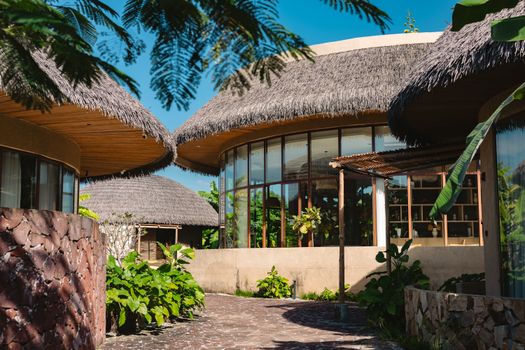
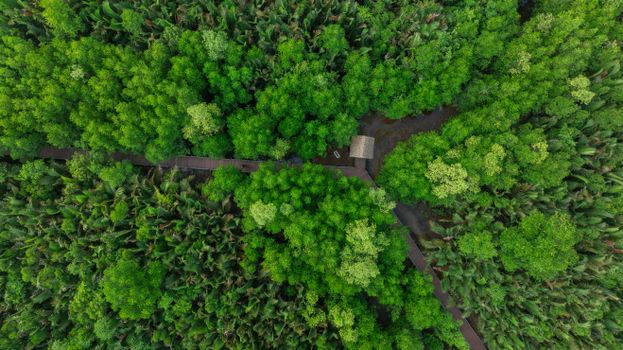
I stepped off the ferry, the salty spray kissing my face, and the air was alive. Not just with the cries of gulls or the rhythmic creak of wooden boats, but with a palpable sense of… care. The scent of drying seaweed mingled with the faint, sweet aroma of blooming frangipani, a fragrance that seemed to whisper tales of ancient traditions and a deep respect for the land. This wasn't just another tropical paradise; this was São Tomé and Príncipe, a twin-island nation in the Gulf of Guinea, and it was already whispering its secrets of sustainable travel. And it's just one of the incredible, emerging destinations actively rewarding travelers who choose to explore with a conscience this year.
The world is shifting. We’re not just seeking pretty postcards anymore; we’re craving connection, authenticity, and the knowledge that our adventures are leaving a positive ripple. Thankfully, a new wave of destinations is rising to meet this demand, offering not just breathtaking beauty but also tangible rewards for those who travel responsibly. These aren't just places becoming more sustainable; they are places actively incentivizing it, turning conscious choices into unforgettable experiences.
The Rise of Rewarding Eco-Tourism: Why Now?
For too long, "sustainable travel" felt like a niche pursuit, often associated with higher costs or fewer creature comforts. But the tide has turned. Driven by a global awakening to climate change and a growing desire for meaningful experiences, travelers are actively seeking out destinations that align with their values. And these emerging countries are listening. They understand that their natural beauty and cultural heritage are their most precious assets, and they’re investing in their preservation by empowering and rewarding those who become stewards of their lands. This isn't about greenwashing; it's about a genuine commitment to a future where tourism benefits both the visitor and the visited.
Beyond the Brochure: What "Rewarding" Really Means
When I talk about "rewarding" sustainable travelers, I mean more than just a pat on the back. These countries are implementing innovative programs:
- Direct Financial Incentives: Think discounts on eco-lodges, reduced park entrance fees for those using public transport or cycling, or even local currency bonuses for participating in conservation efforts.
- Exclusive Access & Experiences: Imagine private tours of protected reserves, workshops with local artisans using traditional sustainable methods, or invitations to community-led conservation projects.
- Enhanced Local Immersion: Opportunities to stay in community-run homestays, participate in authentic cultural exchanges, and truly understand the local way of life, all while contributing directly to their economy.
- Recognition & Certification: Programs that highlight and promote businesses and experiences that meet rigorous sustainability standards, making it easier for conscious travelers to find and support them.
Emerging Gems: Countries Leading the Charge in 2024
This year, several destinations are truly stepping into the spotlight, offering a compelling blend of adventure, culture, and genuine sustainability rewards.
1. São Tomé and Príncipe: The Chocolate Islands' Green Embrace
As I mentioned, this tiny African nation is a revelation. Forget crowded beaches; think pristine, volcanic rainforests cascading down to deserted golden sands. The air hums with the calls of endemic birds, and the legacy of its cocoa plantations is being revitalized through eco-tourism.
- The Reward: Many eco-lodges here offer discounts for guests who opt for guided, low-impact hikes through the Ôbo Natural Park, or who participate in their reforestation projects. You might even get a complimentary tasting of ethically sourced, single-origin chocolate from plantations that prioritize biodiversity.
- Insider Insight: Look for smaller, family-run roças (old plantations) that have transitioned into guesthouses. They often have the most authentic experiences and are deeply invested in sustainable practices.
- Sensory Detail: The scent of roasting cocoa beans, a rich, earthy aroma, wafts from the small processing centers, a testament to their sustainable agriculture. The sound of howler monkeys echoing through the dense canopy is your natural alarm clock.
Quick Facts: São Tomé and Príncipe
- Estimated Costs: $150 - $300+ per day (mid-range to luxury eco-lodges).
- Best Time to Visit: June to September (dry season).
- How to Get There: Flights to São Tomé International Airport (TMS) from Lisbon, Accra, and other African hubs. Inter-island flights or ferries connect to Príncipe.
2. Albania: The Adriatic's Untamed Eco-Frontier
Often overlooked in favor of its Mediterranean neighbors, Albania is emerging as a powerhouse for sustainable adventure. Its rugged mountains, pristine coastlines, and ancient villages offer an intoxicating blend of raw beauty and rich history, with a growing commitment to preserving it.
- The Reward: The Albanian Alps (Accursed Mountains) are seeing a surge in community-led tourism initiatives. Hiking routes are being developed with local guides, and homestays offer deeply authentic experiences. Travelers who book through certified eco-tourism platforms or use local guides often receive discounts on national park passes and access to exclusive cultural workshops.
- Insider Insight: Explore the Valbona Valley National Park and Theth National Park. The "Peaks of the Balkans" trail is a prime example of sustainable adventure, with initiatives to minimize impact and maximize local benefit.
- Sensory Detail: The sharp, clean scent of pine needles and wild thyme fills the air as you trek through the mountains. The taste of flija, a layered pancake-like dish cooked over an open fire, is a true culinary reward. The sound of sheep bells is the constant soundtrack to your mountain journey.
Quick Facts: Albania
- Estimated Costs: $60 - $150 per day (budget to mid-range).
- Best Time to Visit: May to October (for hiking and coast).
- How to Get There: Tirana International Airport Nënë Tereza (TIA) has connections from major European cities. Ferries also connect to coastal towns from Italy and Greece.
3. Colombia: Biodiversity's Rewarding Embrace
Colombia’s reputation has transformed, and its commitment to conservation and sustainable tourism is now as vibrant as its culture. From the Amazon rainforest to the Caribbean coast, this is a country that understands the immense value of its natural and cultural capital.
- The Reward: The Colombian government and various NGOs are actively promoting eco-tourism in regions like the Amazon and the Pacific coast. Travelers who engage with certified eco-lodges or community tourism projects often receive subsidies for local guides, discounts on boat tours that adhere to wildlife protection guidelines, and even opportunities to participate in biodiversity monitoring.
- Insider Insight: Visit the Tayrona National Natural Park (book well in advance and respect its rules!) or explore the coffee region with a focus on sustainable fincas. The Pacific coast offers incredible opportunities to see humpback whales with responsible tour operators.
- Sensory Detail: The humid, earthy scent of the Amazon, a symphony of unseen life. The vibrant, almost impossibly blue hue of the Caribbean Sea against the emerald green of the jungle. The rhythmic beat of salsa music spilling from local cantinas.
Quick Facts: Colombia
- Estimated Costs: $70 - $200+ per day.
- Best Time to Visit: December to March and July to August (dry seasons, but diverse microclimates exist).
- How to Get There: Major international airports in Bogotá (BOG), Medellín (MDE), and Cartagena (CTG).
4. Slovenia: Europe's Green Heartbeat
Slovenia has long been a champion of green tourism, but this year, its initiatives are becoming even more accessible and rewarding for the conscious traveler. With over half its territory covered in forests and a commitment to preserving its alpine and coastal landscapes, it’s a European gem that shines for its sustainability.
- The Reward: The "Green Slovenia" initiative offers tangible benefits. Travelers staying at certified Green Accommodation providers often receive the Slovenia Green Card, which provides discounts on local transport, attractions, and eco-friendly activities. Many hiking and biking trails are designed with minimal environmental impact, and local guides are encouraged to share their deep knowledge of the flora and fauna.
- Insider Insight: Explore Lake Bled and Bohinj with an emphasis on sustainable transport (cycling, walking). The Soča Valley is an adventurer's paradise with a strong focus on eco-friendly rafting and canyoning.
- Sensory Detail: The crisp, cool air of the Julian Alps, carrying the scent of wildflowers. The impossibly turquoise hue of the Soča River. The satisfying crunch of gravel under your hiking boots on a well-maintained trail.
Quick Facts: Slovenia
- Estimated Costs: $90 - $250 per day.
- Best Time to Visit: May to September (ideal for outdoor activities).
- How to Get There: Ljubljana Jože Pučnik Airport (LJU) has good connections from European hubs.
5. Palau: The Pristine Pacific's Conservation Pledge
This archipelago in Micronesia is not just beautiful; it's a global leader in marine conservation. Their pioneering Palau Pledge, which every visitor must sign upon arrival, is a testament to their commitment to protecting their pristine environment for future generations.
- The Reward: While not always direct financial discounts, the reward here is intrinsic: the unparalleled experience of exploring one of the world's most protected marine environments. Visitors who adhere to the Palau Pledge and responsible diving/snorkeling practices are rewarded with access to vibrant coral reefs, abundant marine life, and a sense of contributing to something truly vital. Many dive operators and eco-resorts offer educational programs and direct participation in citizen science initiatives.
- Insider Insight: The Rock Islands Southern Lagoon is a UNESCO World Heritage site. Snorkeling in Jellyfish Lake (check current accessibility) or diving the German Channel are unforgettable experiences that highlight Palau's conservation success.
- Sensory Detail: The astonishing clarity of the turquoise water, revealing a kaleidoscope of coral and fish. The gentle, rhythmic sound of the ocean lapping against the limestone islands. The feeling of weightlessness as you drift amongst schools of iridescent fish.
Quick Facts: Palau
- Estimated Costs: $200 - $400+ per day (due to remoteness and conservation efforts).
- Best Time to Visit: November to April (dry season).
- How to Get There: Palau International Airport (ROR) with connections from Guam, Manila, and Taipei.
Navigating Your Sustainable Journey: Practical Tips
Embarking on a rewarding sustainable trip requires a little foresight, but the payoff is immense.
Choosing Your Eco-Adventure
- Research, Research, Research: Look for destinations with clear environmental policies and a track record of community engagement.
- Seek Certifications: Look for eco-labels and certifications for accommodations and tour operators.
- Prioritize Local: Opt for locally owned businesses, restaurants, and guides. This ensures your money directly benefits the community.
- Embrace Slow Travel: Spend more time in fewer places. This reduces your carbon footprint and allows for deeper cultural immersion.
Packing Smart for a Greener Trip
- Reusable Water Bottle & Filter: Essential for avoiding single-use plastics.
- Reef-Safe Sunscreen: Protects delicate marine ecosystems.
- Quick-Dry Towel: Lightweight and eco-friendly.
- Reusable Shopping Bag: For souvenirs and market finds.
- Portable Utensils: To avoid disposable cutlery.
On the Ground: Being a Conscious Traveler
- Respect Local Customs: Dress modestly when appropriate, ask permission before taking photos, and learn a few basic phrases.
- Minimize Waste: Refuse single-use plastics, recycle where possible, and pack out what you pack in.
- Conserve Resources: Be mindful of water and energy usage in accommodations.
- Support Wildlife Ethically: Observe animals from a distance, never feed them, and choose tours that prioritize their well-being.
- Engage with Communities: Be open to learning, participating in local activities, and leaving places better than you found them.
The Future is Conscious
These emerging countries are not just offering vacations; they are offering a glimpse into the future of travel. A future where adventure and responsibility go hand-in-hand, where our journeys enrich our souls and contribute positively to the planet. By choosing to explore these rewarding destinations, you're not just a tourist; you're an advocate, a steward, and a vital part of a growing movement. So, pack your sense of wonder, your commitment to sustainability, and get ready to discover the world in a way that truly matters. Your next unforgettable, guilt-free adventure awaits!