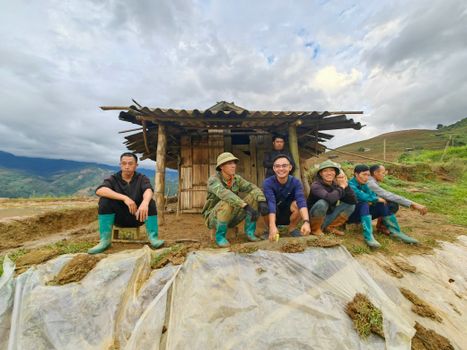
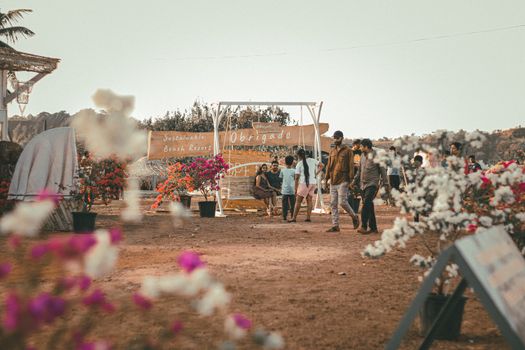
Community-based tourism describes travel experiences designed and run with the active involvement of local people. Rather than bringing outside companies to direct most of the income elsewhere, these models aim to keep economic benefits in the places visited. Examples include village homestays, guided walks led by residents, cooperatives that sell crafts and food, and conservation-linked experiences managed by local groups. The concept is appealing, but the label is used loosely. This guide explains how to recognize trips that genuinely support host communities and how to travel in a way that respects them.
What community-based tourism involves
At its core, community-based tourism gives residents meaningful roles. They may own the accommodation, lead activities, set the rules for visits or decide how income is shared. Some models reinvest a portion of earnings into schools, water systems or local conservation work. Others focus on small-scale employment and fair pricing for handicrafts and food. The defining feature is local decision-making rather than the presence of local staff alone.
Scale tends to be modest. Community trips often host small groups, and their value lies in depth and authenticity rather than volume. This can mean fewer beds or departures, which is a feature rather than a shortcoming.
Telling genuine benefit from marketing
Many operators describe themselves as local or community-focused. To assess claims, look for specifics. Who owns the business? How are payments distributed? Are guides from the community, and how were they trained? Does the operator publish information about partnerships with village associations, cooperatives or local authorities? Vague phrases such as authentic local experience or supporting locals do not describe a model. Clear answers do.
Be wary of experiences that feature local people as performers in a staged setting with little explanation of their role or income. Authentic exchange usually involves residents explaining their own lives, traditions and work on terms they have helped set.
Questions to ask before you book
A few direct questions can reveal how a trip works. Ask who receives most of the payment and whether a community organization is involved. Ask how the community agreed to host visitors and whether it can limit numbers. Ask what happens to any profits, and whether there are reinvestment commitments that can be checked. Inquire about guide training, language support and how visitors are briefed on local customs. Operators with a real partnership will usually answer these questions readily and in detail.
It is also worth asking about the operator's policies on photography, gifts and donations. Some communities have clear guidelines, and following them shows respect for the people you meet.
Traveling respectfully as a guest
Good community tourism depends on visitors behaving well. Learn a few basic phrases in the local language, dress in a way that respects local norms, and ask permission before photographing people or their homes. Be mindful of the time you spend in villages, and follow the schedule the host sets for activities. Buying directly from artisans and food producers at fair prices supports local income, though it is reasonable to ask about the materials and production time behind a price. Avoid giving money or sweets to children directly, since this can encourage unhelpful patterns. A better option is to ask the host how to contribute through a community project.
Leave places as you found them. Carry out your waste, use water and energy sparingly, and follow any rules on trails or sacred sites.
Checking the impact over time
Responsible operators often measure their effects and share them openly. Look for reports on visitor numbers, income distribution and community feedback. Independent reviews from other travelers can add perspective, particularly if they mention how the host community was treated. Be aware that community-based models can change over time, so information that was accurate a few years ago may no longer reflect current practice. Check recent sources whenever possible.
Practical tips
Choose operators that are transparent about ownership and payment, and avoid those that are unwilling to explain their model. Book directly with a community organization where available, which can reduce intermediary margins. Allow time for slower travel, since community experiences often involve smaller transport options and flexible schedules. Bring cash for small purchases, because villages may not accept cards. Learn about local customs regarding dress, greetings and food before you arrive.
Common mistakes to avoid
One common error is assuming that any business with local staff is community-based. Employing residents as guides or cooks does not necessarily mean that the community owns the venture or shapes its decisions. Another mistake is booking the cheapest option without asking what the price supports. Low fees can sometimes mean that little income reaches the host community, particularly when a large intermediary takes a substantial margin along the way.
Visitors also tend to rush. Community experiences often run on local timetables, and expecting a fixed schedule can lead to frustration for both guests and hosts. Some travelers arrive with an image of a "typical" village that the community does not recognize as its everyday life, which can encourage requests for performances or photographs that are inappropriate. Asking how the host would like you to behave usually prevents these problems, and it signals respect from the start.
Frequently asked questions
Do community-based trips always cost more?
Not always. Prices can be comparable to conventional tours, although small groups and direct arrangements may cost more per person in some places. What matters most is where the money goes and what it pays for.
How can I tell whether a donation is useful?
Ask the host how donations are recorded and used. Projects with clear accounts can usually explain whether funds support a school, a water system or a cooperative, and whether contributions are pooled or handed out individually.
Is it appropriate to bring gifts for children?
Many communities discourage giving sweets or money directly to children. Ask the host what would be helpful, since contributions made through an agreed community project are generally more sustainable than informal handouts.
Community-based tourism works best when visitors arrive as guests rather than consumers. A trip planned around clear questions, respectful behavior and a genuine interest in local life can help income reach the people who live where you travel.