The Hook: A Whisper of Spice and Shared Smiles
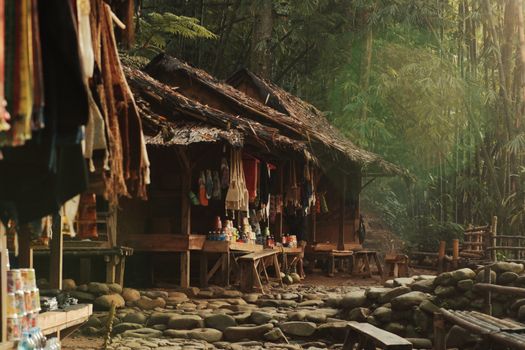
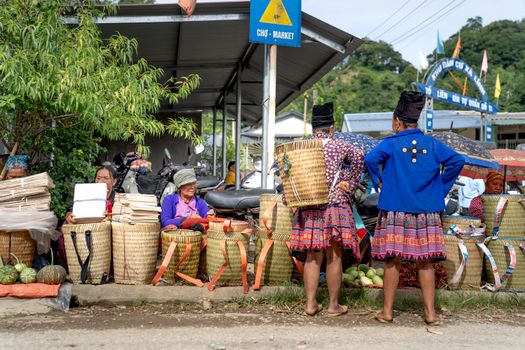
I stepped off the rickety bus, the scent of roasting chilies and something sweetly floral hitting me like a warm embrace. The air thrummed with a rhythm I hadn’t expected – not the usual hustle of a tourist hub, but a gentle, purposeful cadence of daily life. Children chased a stray chicken down a sun-drenched lane, their laughter echoing off brightly painted adobe walls. An elderly woman, her face a roadmap of a life well-lived, offered a shy nod from her doorway, a basket of vibrant, hand-woven textiles beside her. This wasn’t just a place; it was a living, breathing entity, and I felt an immediate, profound connection. This, I realized, was the essence of community tourism – travel that doesn't just observe, but participates, and, most importantly, benefits.
Beyond the Brochure: What Experts Mean by 'Community Tourism'
Forget those glossy brochures promising curated "cultural immersion." True community tourism, the kind that experts rave about, is about genuine connection and shared prosperity. It’s a model where local communities are not just passive recipients of tourism revenue, but active participants and beneficiaries. This means your travel choices directly support local families, preserve traditions, and empower individuals.
As Dr. Anya Sharma, a leading voice in sustainable tourism, puts it, "Community tourism is about shifting the power dynamic. It’s about ensuring that the people who call a place home are the ones who benefit most from visitors, not just large corporations or external investors."
Key Pillars of Expert-Recommended Community Tourism:
- Local Ownership & Management: Businesses are owned and operated by community members. Think homestays run by families, artisanal workshops managed by local craftspeople, and guided tours led by residents.
- Equitable Distribution of Benefits: Revenue generated stays within the community, supporting local livelihoods, education, and infrastructure.
- Cultural Preservation & Empowerment: Tourism is used as a tool to celebrate and sustain local traditions, languages, and heritage, rather than commodify or dilute them.
- Environmental Stewardship: Communities are incentivized to protect their natural resources, as these are often the very attractions that draw visitors.
- Authentic Experiences: Visitors engage in activities that reflect the daily lives and cultural practices of the community.
The Tangible Impact: How Your Dollar Makes a Difference
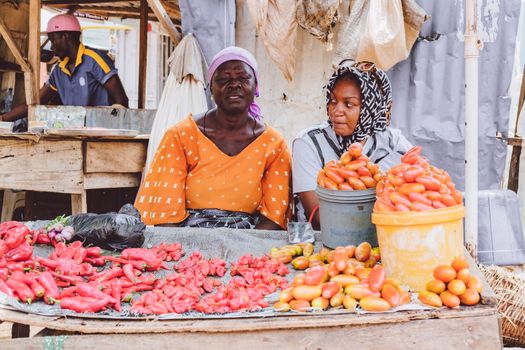
This isn't just feel-good rhetoric; the economic impact is profound and measurable. When you choose community tourism, you’re bypassing intermediaries and ensuring your money flows directly into the hands of those who need it most.
Pro-Tip:
Look for initiatives certified by organizations like the Global Sustainable Tourism Council (GSTC) or those with clear community partnership models. These often have transparent revenue-sharing mechanisms.
Consider the ripple effect:
- Direct Income: Homestay fees, craft purchases, meals at local eateries – this is immediate income for families.
- Job Creation: Beyond direct employment in tourism, there's a boost for local suppliers (farmers, fishermen, artisans) and service providers.
- Skills Development: Community members gain new skills in hospitality, guiding, management, and entrepreneurship.
- Infrastructure Improvement: Increased revenue can be reinvested in local schools, healthcare facilities, and public spaces.
- Preservation of Traditional Crafts: Demand from tourists can revive dying art forms and provide a sustainable livelihood for artisans. I still have the intricately carved wooden bird I bought from a carpenter in a small Andean village; he told me his grandfather taught him, and now he’s teaching his son, ensuring the craft lives on.
Experiencing the Soul: Authentic Encounters Experts Adore
The true magic of community tourism lies in the authenticity of the experiences. It's about trading the predictable for the profound.
The Culinary Tapestry: Tasting Tradition
Forget Michelin stars; the most memorable meals are often cooked over open fires by grandmothers who’ve perfected recipes over generations.
- Pro-Tip: Don't be afraid to ask to help! Many homestay hosts are delighted to share their cooking secrets. Learning to make arepas from scratch in a Colombian village, smelling the corn masa transform under my hands, was an experience far richer than any restaurant meal. The accompanying salsa, bursting with fresh cilantro and a hint of lime, was pure sunshine.
The Artisan's Touch: Hands-On Heritage
Witnessing and participating in traditional crafts is an unparalleled way to connect with a culture.
- Pro-Tip: Visit workshops in the morning when artisans are often most active. Ask about the symbolism behind patterns or the natural dyes used. In a small village in Morocco, I spent an afternoon learning the basics of Berber carpet weaving. The rhythmic clacking of the loom, the feel of the wool between my fingers, and the stories shared by the weaver created a connection that transcended language.
The Local Guide's Perspective: Unveiling Hidden Gems
A local guide doesn't just show you the sights; they reveal the stories, the folklore, and the everyday realities that make a place unique.
- Pro-Tip: Seek out guides recommended by local community tourism associations. They often have a deeper understanding of the area's history and natural environment. My guide in a small fishing village in Portugal wasn't just a navigator; he was a storyteller, sharing tales of ancient mariners and the secret coves only locals knew, his voice carrying the salty tang of the sea.
The Rhythms of Daily Life: Immersive Encounters
Sometimes, the most impactful experiences are simply observing and gently participating in the daily life of a community.
- Pro-Tip: Be respectful of privacy and local customs. Ask permission before taking photos of people. Attending a local harvest festival in a rural Japanese village, sharing sake and simple, delicious food with families who welcomed me with open arms, felt like stepping into a living postcard. The quiet respect for nature and community was palpable.
Navigating the Nuances: Budget & Logistics for Conscious Travelers
Community tourism doesn't have to break the bank. In fact, it often offers incredible value, providing rich experiences at a fraction of the cost of conventional luxury travel.
Quick Facts: Community Tourism Adventures
| Feature | Estimated Cost ($) | Best Time to Visit | How to Get There |
| :------------------ | :----------------- | :----------------- | :-------------------------------------------------------------------------------------------------------------- |
| Homestay (per night) | $20 - $70 | Varies by region | Local buses, shared taxis, sometimes organized transfers from nearby towns. Research local transport options. |
| Local Guided Tour | $15 - $50 | Varies by region | Often booked through homestays or local community centers. |
| Artisan Workshop | $10 - $40 (materials) | Varies by region | Usually accessible within the community itself. |
| Local Meal | $3 - $15 | Year-round | Small family-run eateries, market stalls, or prepared by hosts. |
Logistical Considerations:
- Patience is Key: Travel to remote community tourism destinations often involves slower modes of transport and less predictable schedules. Embrace the journey!
- Language: While English is increasingly spoken in tourist areas, learning a few basic phrases in the local language can go a long way in fostering connections.
- Connectivity: Don't expect high-speed Wi-Fi everywhere. Embrace the digital detox and focus on the present moment.
- Cash is King: Many small businesses and local vendors prefer cash. Ensure you have enough local currency.
Insider's Guide: Finding & Supporting Truly Beneficial Initiatives
The key to successful community tourism lies in thorough research and a commitment to ethical engagement.
Where to Find These Gems:
- Community Tourism Networks: Many countries have national or regional community tourism associations. A quick search for "[Country Name] community tourism network" can yield excellent results.
- Responsible Travel Platforms: Websites like Responsible Travel, Intrepid Travel (which has strong community-based tours), and G Adventures often highlight community-focused experiences.
- NGOs and Development Organizations: Organizations working on rural development or cultural preservation often partner with local communities to develop tourism initiatives.
- Word-of-Mouth: Talk to other conscious travelers! Online forums and travel groups can be invaluable sources of recommendations.
How to Be a Conscious Traveler:
- Do Your Homework: Before booking, investigate the ownership structure and how profits are distributed. Look for transparency.
- Engage Respectfully: Learn about local customs and dress codes. Always ask permission before taking photos of people.
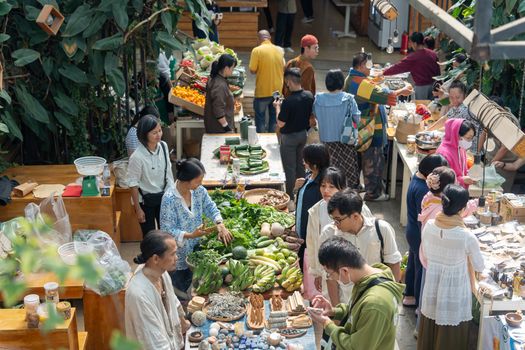
- Buy Local: Support local artisans, eat at local eateries, and purchase souvenirs directly from producers.
- Minimize Your Footprint: Practice Leave No Trace principles. Conserve water and energy.
- Provide Constructive Feedback: Share your positive experiences and offer suggestions for improvement directly to the community or organizing body.
- Be Patient and Flexible: Understand that things may not always run like clockwork, and embrace the serendipity of travel.
The Future is Local: Why Community Tourism is Here to Stay
As travelers become more aware of the impact of their choices, the demand for authentic, responsible experiences is soaring. Community tourism is not a fleeting trend; it's a fundamental shift towards a more equitable and sustainable model of travel. It's about recognizing that the most enriching journeys are those that leave a place better than we found it, and that the true treasures of any destination are its people and their stories.
So, the next time you plan a trip, consider stepping off the beaten path, seeking out those whispers of spice and shared smiles. You won't just discover a new place; you'll discover a new way to travel – a way that truly benefits local economies, enriches your soul, and makes the world a little bit brighter, one mindful encounter at a time.