The Hook: A Tale of Two Tourism Realities
I stepped off the rattle-trap colectivo in Llano Grande, a Zapotec village perched 10,000 feet up in the Sierra Norte mountains of Oaxaca, and was immediately hit by the sharp, resinous aroma of burning copal wood. The air was crisp enough to bite, a stark contrast to the humid, mezcal-soaked heat of Oaxaca City just two hours below. There were no neon signs, no boutique hotels owned by expatriates, and no international booking agencies taking a 25% cut.
Instead, I was met by Anastacio, a local forest guide whose family has managed these communal lands for generations. Over a steaming bowl of caldo de hongo silvestre (wild mushroom broth seasoned with pungent epazote), Anastacio explained how the cabin I was sleeping in, the trout I had caught for lunch, and the trail we were about to hike were collectively owned by the village.
```
Conventional Tourism: $100 spent ──> [Foreign Airlines/Hotels] ──> Only $5-$10 stays local
Community Tourism: $100 spent ──> [Locally Owned Co-ops] ──> $75-$85 stays local
```
This is community-based tourism (CBT) in its purest form. But outside of these protected pockets, a quiet economic crisis is unfolding in the travel industry.
---
The Cold, Hard Data: Why Your Travel Wallet is a Weapon of Mass Construction
To understand why community tourism that benefits local economies according to recent data is so revolutionary, we first have to look at a grim industry metric: tourism leakage.
According to the United Nations Environment Programme (UNEP), for every $100 spent on a tour vacation by a traveler from a developed country, only about $5 remains in the destination economy. The rest leaks out to multinational hotel chains, foreign-owned airlines, and international travel agents. In highly commercialized mass-tourism hubs, that leakage rate can skyrocket to an astonishing 80% to 90%.
```
┌────────────────────────────────────────────────────────┐
│ THE REALITY OF TOURISM LEAKAGE │
├───────────────────────────────┬────────────────────────┤
│ Tourism Type │ Revenue Kept Locally │
├───────────────────────────────┼────────────────────────┤
│ Conventional Mass Tourism │ 5% - 15% │
│ Standard "Eco-Resorts" │ 20% - 30% │
│ Community-Based Tourism (CBT) │ 75% - 85% │
└───────────────────────────────┴────────────────────────┘
```
Conversely, recent data from the World Travel & Tourism Council (WTTC) reveals that when travelers book directly with community-owned enterprises, up to 85% of their spend stays within the immediate community. This capital is directly reinvested into local infrastructure, healthcare, education, and environmental conservation.
When you choose community tourism:
* The Multiplier Effect kicks in: A dollar spent at a family-run homestay is spent again at the village market, then paid to a local farmer, multiplying its economic impact.
* Cultural preservation becomes profitable: Communities no longer need to abandon their heritage or clear-cut their forests for agriculture; their living culture and standing ecosystems become their greatest economic assets.
* Women are economically empowered: UN Tourism data indicates that community tourism initiatives employ more than twice as many women in leadership positions compared to traditional hospitality sectors.
---
3 Proven Destinations Leading the CBT Revolution
If you want to bypass the corporate middlemen and ensure your money lands directly in the hands of the people who make a destination magical, put these three proven community-led destinations on your bucket list.
---
1. The Sierra Norte’s Pueblos Mancomunados (Oaxaca, Mexico)
High above the central valleys of Oaxaca lies a network of eight self-governing Zapotec villages known as the Pueblos Mancomunados. Faced with the threat of industrial logging in the 1990s, these communities banned commercial timber harvesting and pooled their resources to create Expediciones Sierra Norte, a fully community-owned ecotourism enterprise.
- The Vibe: High-altitude pine forests draped in Spanish moss, wood-fired clay saunas (temazcales), and handmade corn tortillas puffed over a wood-fired comal.
- How it benefits the local economy: 100% of the profits are split between conservation efforts and community funds that support local schools and elderly care. Every guide, cook, and cabin host is a local shareholder.
> Pro-Tip: Do not book this through major online travel agencies. Walk directly into the Expediciones Sierra Norte office in Oaxaca City (located on Calle Manuel M. Bravo) to book your trek. Ask for a guide who can teach you about the local Zapotec medicinal plants—their knowledge of the forest pharmacy is unparalleled.
---
2. High-Altitude Hospitality in the Tian Shan Mountains (Kyrgyzstan)
Following the collapse of the Soviet Union, Kyrgyzstan’s rural communities faced severe economic isolation. Enter the Kyrgyz Community Based Tourism Association (KCBTA). This network of local coordinators transformed rural homes into cozy homestays, turning nomadic traditions into sustainable livelihoods.
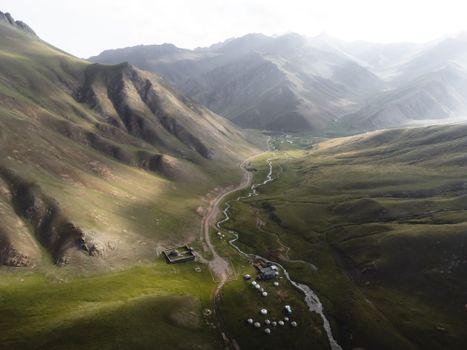
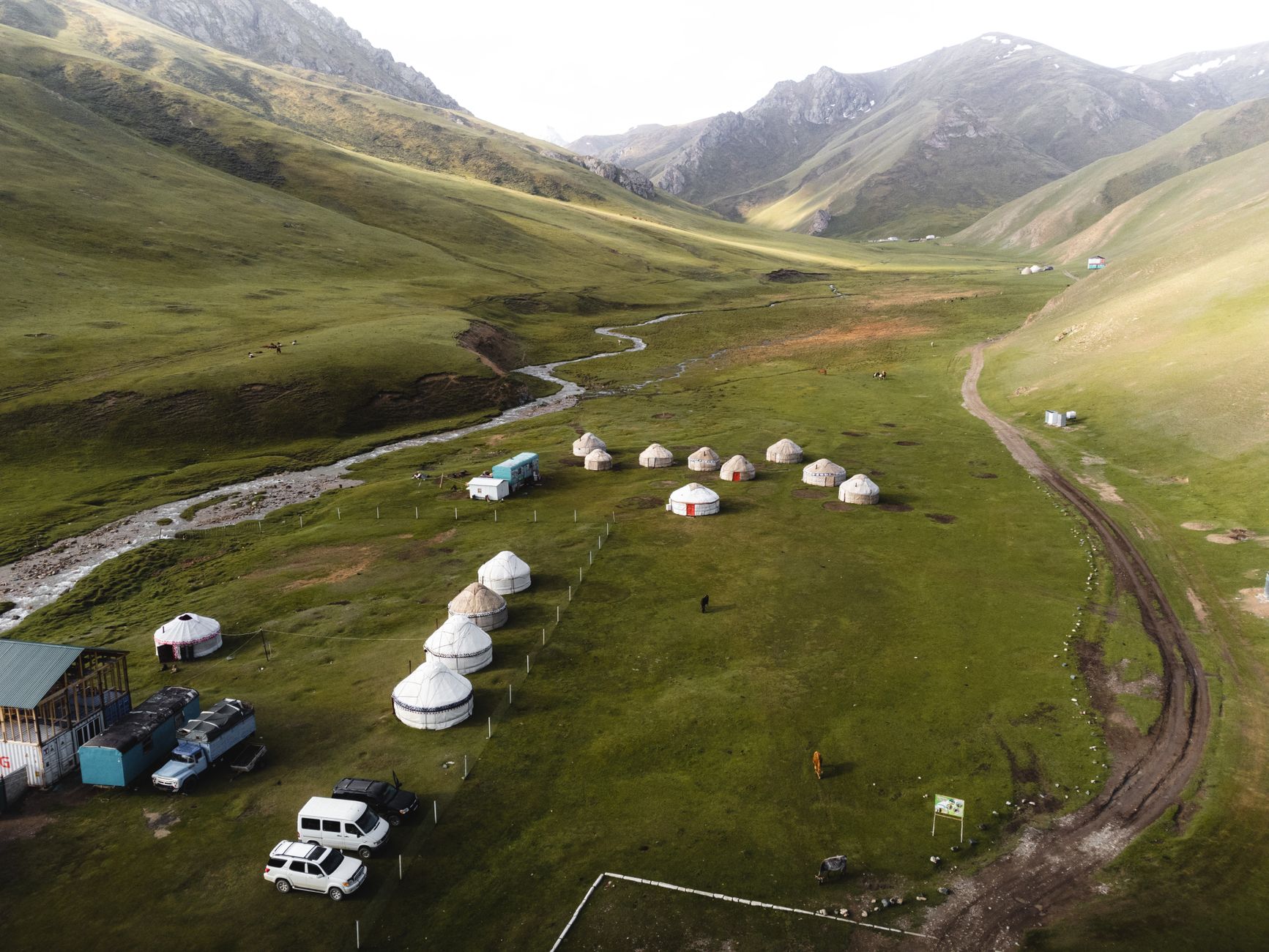
- The Vibe: Sleeping on thick felt carpets (shyrdaks) inside hand-built yurts, drinking bowls of salty kymyz (fermented mare's milk), and riding sturdy Kyrgyz horses across alpine meadows (jailoo) under towering glaciers.
- How it benefits the local economy: The KCBTA model ensures that 80% of the price of your yurt stay, horse rental, and home-cooked meals goes directly to the host family, while 20% funds the local regional CBT office to maintain trail signs and train new hosts.
> Pro-Tip: When visiting the lakeside town of Bokonbaevo, skip the commercial yurt camps on the shoreline. Head to the local CBT office in town and request a stay with a shepherd family in the high pastures of the Shatyly Panorama. You’ll get an authentic glimpse into nomadic life, and your money will go directly to a family rather than a resort developer.
---
3. The Indigenous Hmong & Red Dao Homestays of Ta Van (Sapa, Vietnam)
While Sapa town has unfortunately succumbed to rapid, unchecked concrete development, the surrounding valleys remain home to vibrant ethnic minority communities who have taken control of their tourism narrative.
- The Vibe: Emerald-green terraced rice paddies sculpted into sheer mountain walls, the earthy smell of fermenting indigo dye, and the rhythmic thud-thud of wooden looms weaving intricate hemp textiles.
- How it benefits the local economy: By booking directly with enterprises like Sapa Sisters—a social enterprise entirely owned and run by local Hmong women—you ensure that your guide receives a fair, above-market wage, healthcare, and professional development.
> Pro-Tip: Avoid the standard day-trips sold by Hanoi travel agents. Instead, take the overnight train to Lao Cai, catch a local bus to Sapa, and meet your pre-booked Hmong guide directly. Ask to stay in a traditional wooden home in Ta Van or Lao Chai village, where you can help cook a family-style dinner over an open hearth.
---
The 4-Step "Local-Washing" BS Detector
As sustainable travel trends go viral, corporate travel brands are quickly learning how to "local-wash" their offerings. They use buzzwords like "community-led" and "authentic" to sell tours that actually exploit local populations.
Use this checklist to verify if an operator is truly practicing community tourism that benefits local economies:
- [ ] Who owns the assets? Does the community own the land, the lodges, or the transport vehicles? If a foreign entity owns the lodge and simply hires locals as low-wage cleaners and waiters, it is not community-based tourism.
- [ ] Where does the money go? A transparent operator will openly share what percentage of the tour cost stays within the community. Look for a minimum of 60% to 70% direct retention.
- [ ] Who makes the decisions? True CBT relies on collective decision-making. If a village council or local cooperative doesn’t have veto power over tourism activities in their area, they are being exploited, not empowered.
- [ ] Is cultural heritage respected or performative? Are you invited to observe and participate in daily life, or are locals putting on staged, repetitive dances solely for tourist cameras? Authentic CBT respects the community's boundaries and schedules.
---
Quick Facts & Logistics: Planning Your First CBT Adventure
To make your transition from a tourist to an economic ally seamless, here is a quick-reference guide to planning your first community-based trip.
| Destination | Best Time to Visit | Est. Daily Cost (USD) | Primary Economic Impact | How to Get There |
| :--- | :--- | :--- | :--- | :--- |
| Pueblos Mancomunados (Mexico) | November to April (Dry season) | $45 - $70 (Includes guide, cabin, and 3 meals) | Funds local Zapotec schools, forest conservation, and community medical clinics. | Take a local colectivo or bus from Oaxaca City to Benito Juárez or Llano Grande (approx. 2 hours). |
| Tian Shan Mountains (Kyrgyzstan) | June to September (High pastures are open) | $30 - $50 (Includes yurt stay, traditional meals, and horse hire) | Directly supports semi-nomadic herders and preserves traditional felt-making crafts. | Fly into Bishkek, take a shared taxi to Kochkor or Bokonbaevo, and check in at the local CBT office. |
| Sapa Valley Villages (Vietnam) | September to October (Rice harvest season) | $35 - $60 (Includes private local guide and homestay) | Empowers ethnic minority women through fair wages, education, and financial independence. | Take the overnight sleeper train or express bus from Hanoi to Sapa, then hike into the valley with your guide. |
---
The Final Verdict: Travel as an Act of Solidarity
We live in an era where how we spend our money is one of the most political acts we can perform. Every time you book a trip, you are casting a vote for the kind of world you want to build. You can vote to enrich offshore conglomerates, or you can vote to put food on a family's table, keep an indigenous language alive, and protect a pristine forest from destruction.
The next time you plan an escape, skip the sterile all-inclusive resorts. Head up into the mountains, knock on the blue doors, sit by the open hearths, and listen to the stories of the people who call those places home. Your journey will be infinitely richer—and their local economy will thank you.
---