Beyond the Postcard: Why Your November 2025 Trip Should Empower, Not Just Explore
The rain was lashing down, a tropical symphony against the thatched roof of our hut in the Ecuadorian Amazon. Inside, a Kichwa elder, Mama Rosa, was patiently showing me how to weave a traditional shigra bag from palm fibers. Her hands, gnarled with age and wisdom, moved with a practiced grace that belied the complexity of the craft. I fumbled, laughed, and eventually, after much encouragement, produced something that vaguely resembled a small, wonky basket. It wasn't perfect, but the feeling of connection, of learning directly from a culture bearer, was. It was a moment that transcended mere sightseeing – it was traveling with purpose.
That trip changed me. It opened my eyes to the incredible power of community tourism – a model where local people lead, manage, and benefit directly from tourism in their region. It's about more than just visiting; it's about genuine exchange, cultural preservation, and sustainable development. And as we look ahead to November 2025, a time when many of us are craving meaningful escapes before the holiday rush, there's no better way to travel.
Forget the crowded resorts and the same old tourist traps. This November, let's dive into experiences that leave a positive footprint, enrich local lives, and fill your soul. I’ve scoured the globe, tapped into my own travel experiences, and consulted with ethical tourism experts to bring you a curated list of six truly exceptional community tourism projects that are not just "worth supporting," but are genuinely transformative. Get ready to bookmark these, because your next adventure is about to get a whole lot more meaningful!
1. Ecuador's Kichwa Anangu Community: Amazon Rainforest Immersion
Location:
Yasuní National Park, Ecuadorian Amazon. Access typically involves a flight to Coca, then a motorized canoe ride deep into the forest.
My journey to the Kichwa Anangu community, nestled within the pristine Yasuní National Park, remains one of my most profound travel memories. This community-owned and operated eco-lodge, Napo Wildlife Center, is a shining example of how sustainable tourism can protect biodiversity and empower indigenous people. The Kichwa people are the custodians of this incredible slice of the Amazon, and your visit directly funds their conservation efforts, education, and cultural preservation.
What to Expect:
Imagine waking up to the symphony of the rainforest, the calls of howler monkeys and exotic birds piercing through the morning mist. Days here are filled with guided jungle treks, led by expert Kichwa naturalists who share their ancestral knowledge of medicinal plants, forest ecology, and wildlife tracking. I remember one morning, our guide, José, spotting a jaguar's paw print in the mud, then patiently explaining the subtle signs of its recent passing. We explored the Napo River by canoe, spotting giant river otters, caimans, and countless bird species at clay licks. A highlight for me was climbing the observation tower, offering breathtaking canopy views where macaws soared past at eye level. Evenings are spent sharing traditional Kichwa meals, learning about their customs, and perhaps even trying your hand at a craft like I did with Mama Rosa.
Why November 2025 is Perfect:
November marks the transition from the dry season to the wet season in the Amazon. This means slightly higher water levels, making canoe exploration easier, and the rainforest is incredibly lush and vibrant. Plus, it's generally before the peak holiday crowds, offering a more intimate experience.
Practical Details & Tips:
* Booking: Book directly through the Napo Wildlife Center website or a reputable eco-tour operator.
* Cost: Expect to pay around $1,500 - $2,500 USD for a 4-5 day all-inclusive package (transport from Coca, accommodation, all meals, and guided activities). This might seem significant, but remember, it directly supports the community and conservation.
* What to Bring: Lightweight, quick-drying clothing (long sleeves/pants for insect protection), sturdy waterproof hiking boots, rain gear, hat, strong insect repellent, sunscreen, binoculars, camera with zoom lens, headlamp, and a refillable water bottle.
* Instagram-worthy: Macaw clay licks, sunset canoe rides, panoramic canopy views from the observation tower, close-ups of fascinating insects and plants, and authentic interactions with the Kichwa community.
2. Sapa, Vietnam: Homestays with Hmong & Dao Communities
Location:
Sapa, Lao Cai Province, Northern Vietnam. Accessible via overnight train or bus from Hanoi.
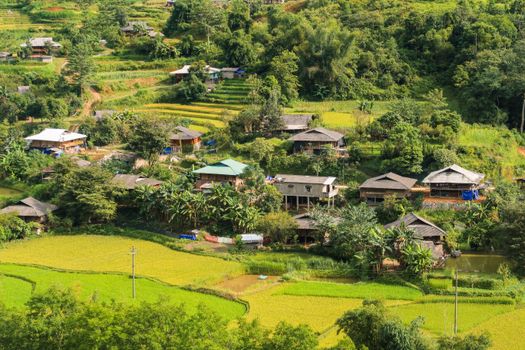
My first visit to Sapa was years ago, and while it's become more popular, the essence of its community tourism still thrives in the surrounding villages. Trekking through the terraced rice fields and staying with local Hmong or Red Dao families offers an unparalleled insight into their vibrant cultures and traditional way of life. These homestays directly benefit the families, providing a sustainable income that helps preserve their heritage against the backdrop of modernization.
What to Expect:
Imagine embarking on a multi-day trek through breathtaking landscapes, guided by a local Hmong woman, perhaps named Mai, who knows every twist and turn of the mountain paths. You'll pass water buffalo grazing in verdant rice paddies, witness children playing, and observe daily life unfold. Evenings are spent in a traditional wooden house, sharing a home-cooked meal of fresh vegetables, local pork, and rice wine (the infamous "happy water!"). I vividly recall one evening, sitting around a low table, trying to learn a few basic Hmong phrases, while the family matriarch showed me how she dyes indigo fabric for their intricate traditional clothing. It’s a truly immersive experience where you learn about their customs, listen to their stories, and contribute directly to their livelihood.
Why November 2025 is Perfect:
November in Sapa brings crisp, cool weather and clear skies, perfect for trekking. The rice harvest is usually complete by late October, leaving behind golden stubble fields that create a different, yet equally stunning, landscape. The air is fresh, and the misty mornings are magical.
Practical Details & Tips:
* Booking: Arrange homestays through reputable local trekking agencies in Sapa town (e.g., Sapa Sisters, Ethnic Travel) or via online platforms specializing in ethical tours. Booking directly helps ensure fair wages.
* Cost: A 2-day, 1-night trek with homestay can range from $70 - $150 USD, including guides, meals, and accommodation.
* What to Bring: Good hiking shoes, layers of clothing (it can get cold at night), rain jacket, small backpack, water bottle, basic toiletries, and a small gift for your host family (e.g., stationery for children).
* Instagram-worthy: Terraced rice fields (even after harvest, they're beautiful), vibrant traditional clothing, candid moments with host families, misty mountain views, and local markets.
3. Imlil Valley, Atlas Mountains, Morocco: Berber Village Immersion
Location:
High Atlas Mountains, Morocco, approximately 1.5 hours drive south of Marrakech.
Escaping the hustle and bustle of Marrakech for the serene beauty of the Imlil Valley was a breath of fresh air, quite literally. This region is the heartland of the Berber people, and community-led initiatives here offer a chance to explore their rich culture and stunning mountain landscapes. Projects like Atlas Cultural Foundation (ACF) work to preserve Berber heritage and empower local communities through education and sustainable tourism, often partnering with local guesthouses and guides.
What to Expect:
My days in Imlil were a perfect blend of invigorating hikes and warm cultural immersion. Guided by a local Berber, we trekked through ancient walnut groves and apple orchards, past terraced fields clinging to the mountainsides, and through small, mud-brick villages. The views of Toubkal, North Africa’s highest peak, were simply spectacular. We visited a local women's argan oil cooperative, learning about the arduous process of extracting the precious oil. The evenings were spent in a traditional guesthouse, often run by a local family, where we feasted on delicious tagines and mint tea, sharing stories by the warmth of a fire. The hospitality of the Berber people is legendary; I felt like an honored guest, not just a tourist.
Why November 2025 is Perfect:
November offers fantastic trekking conditions in the Atlas Mountains. The scorching summer heat has receded, and the days are pleasantly mild and sunny, while nights are cool. The landscapes are still green from the autumn rains, and the air is wonderfully clear, offering unobstructed views.
Practical Details & Tips:
* Booking: Look for guesthouses (gîtes d'étape) and guides directly in Imlil, or through ethical tour operators that partner with local communities. Projects like the Atlas Cultural Foundation can also connect you.
* Cost: A guided day hike can cost around $30-50 USD, while a multi-day trek with guesthouse accommodation and meals might range from $100-200 USD per person per day, depending on the group size and services.
* What to Bring: Good hiking boots, layers of clothing (warm for evenings), sunscreen, hat, water bottle, small backpack, and perhaps a small gift for children (e.g., pens, notebooks).
* Instagram-worthy: Panoramic mountain vistas, traditional Berber villages, vibrant market scenes, close-ups of argan nuts and local crafts, and candid moments sharing mint tea.
4. Gili Meno, Indonesia: Marine Conservation & Island Life
Location:
Gili Meno, one of the three Gili Islands off the coast of Lombok, Indonesia. Easily accessible by fast boat from Bali or Lombok.
While the Gili Islands are known for their pristine beaches and relaxed vibe, Gili Meno offers a unique twist: a thriving community-led marine conservation effort. Organizations like Gili Eco Trust (though not solely on Meno, they're active across the Gilis) and smaller local initiatives are working with islanders to protect coral reefs and marine life, which are vital for both the ecosystem and the local economy. Staying in locally-owned bungalows and participating in their efforts directly supports these crucial projects.
What to Expect:
My time on Gili Meno was a blissful blend of relaxation and purpose. Mornings were spent snorkeling or diving in the crystal-clear waters, exploring vibrant coral gardens and swimming alongside sea turtles. I even joined a local group for a "Biorock" coral planting session – helping to build artificial reefs that encourage coral growth. It was incredibly rewarding to contribute directly to the health of the ocean. Afternoons were for unwinding on the beach, reading a book, or cycling the island's sandy paths, greeting friendly locals. Evenings brought fresh seafood BBQs under the stars, often accompanied by acoustic music played by local musicians. The entire island operates on a "no motorized vehicles" policy, adding to its tranquil, authentic charm.
Why November 2025 is Perfect:
November is an excellent time to visit the Gilis. It marks the end of the dry season and the very beginning of the "shoulder season," meaning fewer crowds than peak months, but still plenty of sunshine and calm waters perfect for snorkeling and diving. The marine life is abundant, and the visibility is usually superb.
Practical Details & Tips:
* Booking: Choose locally-owned bungalows or guesthouses. Look for operators that explicitly mention supporting local conservation efforts. Inquire directly about volunteer opportunities or educational sessions with local marine conservation groups.
* Cost: Accommodation can range from $20 USD for a basic bungalow to $100+ USD for more upscale options. Snorkeling/diving trips are typically $15-50 USD. Meals are very affordable.
* What to Bring: Swimsuit, reef-safe sunscreen, hat, sunglasses, light clothing, sarong, reusable water bottle, snorkeling gear (though rentals are available), and an underwater camera.
* Instagram-worthy: Underwater shots with turtles and vibrant coral, pristine white-sand beaches, stunning sunsets over the ocean, swings in the water, and delicious fresh seafood.
5. Chiang Mai, Thailand: Ethical Elephant Sanctuaries
Location:
Various locations around Chiang Mai province, Northern Thailand. Most sanctuaries offer pick-up/drop-off services from Chiang Mai city.
The issue of elephant tourism has long been a contentious one, but in recent years, a wave of truly ethical, community-focused elephant sanctuaries has emerged in Northern Thailand. These projects, often run by or in close cooperation with local Karen or other ethnic communities, rescue elephants from exploitative situations and provide them with a safe, natural habitat. Your visit directly supports the elephants' welfare and provides sustainable income for the local communities who care for them. Elephant Nature Park is perhaps the most famous, but many smaller, equally ethical projects exist.
What to Expect:
My visit to an ethical elephant sanctuary near Chiang Mai was nothing short of magical. Forget riding elephants; here, the experience is all about respecting these magnificent creatures in their natural environment. We spent the day observing the elephants, learning about their individual stories, and helping with their daily care – preparing food, feeding them by hand (their trunks are surprisingly gentle!), and even joining them for a refreshing mud bath and river swim. The guides, often from the local Karen community, shared insights into elephant behavior and the challenges of conservation. It was an incredibly humbling and joyful experience to witness these elephants thriving, free from chains and exploitation, and to know my visit was contributing to their well-being and the local community's livelihood.
Why November 2025 is Perfect:
November in Northern Thailand is the start of the cool, dry season. The weather is absolutely ideal – sunny days, comfortable temperatures, and low humidity, making it perfect for outdoor activities and spending time with the elephants. The landscapes are lush and green after the monsoon, but without the heavy rains.
Practical Details & Tips:
* Booking: Research thoroughly to ensure you choose a genuinely ethical sanctuary. Look for projects that prohibit riding, chaining, and forced performances. Check reviews and their mission statement. Book directly with the sanctuary to ensure your money goes where it's intended.
* Cost: A full-day visit typically costs $60 - $100 USD, including transport, meals, and all activities.
* What to Bring: Comfortable, quick-drying clothes that you don't mind getting muddy, sturdy shoes, hat, sunscreen, insect repellent, swimwear, towel, and a camera.
* Instagram-worthy: Candid shots of elephants playing, feeding, and bathing; lush jungle backdrops; joyful interactions (from a respectful distance); and the sheer majesty of these gentle giants.
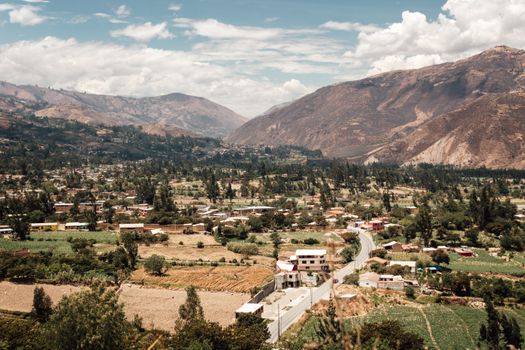
6. Andean Highlands, Peru: Alpaca & Weaving Cooperatives
Location:
Sacred Valley and Cusco region, Peruvian Andes. Accessible from Cusco.
High in the Peruvian Andes, the indigenous Quechua communities have maintained their ancestral traditions of alpaca herding and textile weaving for millennia. Visiting a community-run weaving cooperative is not just a shopping trip; it's an immersive cultural experience that directly supports these artisans and preserves their incredible craft. Projects like the Center for Traditional Textiles of Cusco (CTTC) and various smaller cooperatives in villages like Chinchero or Pisac are excellent examples.
What to Expect:
My visit to a small weaving cooperative near Pisac was a fascinating glimpse into a living tradition. I was greeted by women in vibrant traditional attire, their fingers deftly working ancient looms. They demonstrated the entire process, from shearing the alpacas (whose soft wool is revered), to washing and hand-dyeing the fibers using natural pigments derived from plants and insects. I even tried my hand at spinning the wool, realizing just how much skill and patience it requires. The intricate patterns woven into their textiles tell stories of their culture and landscape. Purchasing a hand-woven scarf or blanket felt incredibly meaningful, knowing I was directly contributing to a family's income and helping to keep this beautiful art form alive. It wasn't just a souvenir; it was a piece of their heritage.
Why November 2025 is Perfect:
November is the end of the dry season and the beginning of the wet season in the Peruvian Andes. This means the landscapes are starting to turn green, but the heavy rains haven't fully set in yet. The weather is generally pleasant for exploring, and it’s a quieter time than the peak tourist months, allowing for more intimate interactions with the communities.
Practical Details & Tips:
* Booking: Many tour operators in Cusco offer visits to weaving cooperatives. However, for a more direct impact, seek out tours specifically designed to link you with community projects or visit the Center for Traditional Textiles of Cusco. You can also visit villages like Chinchero or Pisac and inquire directly about local cooperatives.
* Cost: Entrance fees to some centers might be minimal or included in a tour package. The primary cost is through purchasing their exquisite textiles, which are fairly priced for the incredible skill and time invested.
* What to Bring: Warm layers (it can be chilly at altitude), comfortable walking shoes, camera, and cash (Peruvian Soles) for purchases as card facilities may be limited in remote areas.
* Instagram-worthy: Vibrant textiles, alpacas grazing in stunning Andean landscapes, women demonstrating weaving techniques, and the colorful markets.
Making Your Community Tourism Trip a Success: Practical Tips for the Conscious Traveler
Embarking on a community tourism adventure is incredibly rewarding, but it also comes with responsibilities. Here are some actionable tips to ensure your November 2025 trip is impactful and respectful:
- Do Your Research (Thoroughly!): Not all projects claiming to be "community-based" are truly ethical. Look for transparency in how funds are used, genuine local ownership and management, and clear benefits for the community. Websites like Responsible Travel or initiatives certified by organizations like Fair Trade Tourism can be good starting points.
- Book Directly (When Possible): Booking directly with the community or a small, local operator ensures more of your money stays within the community. If using a larger tour company, verify their ethical practices and how they support local partners.
- Learn a Few Phrases: Even a few words in the local language (hello, thank you, please) can go a long way in showing respect and fostering connection.
- Be Culturally Sensitive: Research local customs, dress codes, and etiquette before you go. Ask permission before taking photos, especially of people. Remember, you are a guest in their home.
- Pack Smart & Light: Many community projects are in remote areas. Bring only what you need, and consider bringing small, useful items as gifts (e.g., school supplies, not candy).
- Support Local Businesses: Eat at local restaurants, buy handicrafts directly from artisans (negotiate respectfully, but don't undervalue their work), and use local transportation.
- Engage, Don't Just Observe: Ask questions, listen to stories, participate in activities, and be open to new perspectives. The real magic happens in these exchanges.
- Leave No Trace: Follow sustainable travel principles – minimize waste, conserve water and energy, and respect wildlife and natural environments.
- Be Patient and Flexible: Things might not always run on a strict schedule, and unexpected situations can arise. Embrace the spontaneity and cultural differences.
Your Journey Awaits: Travel Deeper This November 2025
As I reflect on my own transformative journeys, from weaving with Mama Rosa in the Amazon to sharing happy water with a Hmong family in Sapa, I’m reminded that travel isn't just about seeing new places; it’s about understanding, connecting, and contributing. It's about recognizing that our wanderlust can be a force for good.
November 2025 offers a golden opportunity to step off the well-worn path and embark on an adventure that truly matters. These six community tourism projects are more than just destinations; they are invitations to participate in something bigger than yourself, to support incredible people, and to create memories that resonate long after you've unpacked your bags.
Are you ready to transform your travel experience? Which of these incredible projects is calling your name?
Start planning your impactful November 2025 adventure today! Share this post with your fellow wanderlusters and inspire them to travel with purpose. Let’s make our journeys count.
---