The Ultimate Guide to Cities with the Best Public Transport Ratings (According to Recent Data!)
I stepped off the train at Tokyo Station, the low hum of announcements a melodic counterpoint to the polished clack of footsteps on gleaming floors. The air, surprisingly clean for such a colossal hub, carried a faint, intriguing scent – a mix of warm bento boxes and something subtly floral. It wasn't just a station; it was a portal. Within minutes, I was on a spotless Yamanote Line train, gliding smoothly towards Shibuya, the city unfolding outside my window like a vibrant, living map. No frantic searches for ride-shares, no price gouging – just pure, unadulterated urban efficiency. This, my friends, is what world-class public transport feels like.
In a world where every minute counts and our planet demands smarter choices, the cities that master urban mobility aren't just convenient; they're the future. We're not talking about a single, impressive subway line; we're talking about integrated networks that make getting from A to B as effortless as breathing. Forget the stress of navigating unfamiliar streets or the environmental guilt of a taxi. These are the destinations where public transport isn't just an option; it's an exhilarating, eco-conscious adventure.
Based on recent data and expert analysis of transit systems worldwide, we've identified the cities that consistently score top marks. These are the places where you can truly immerse yourself in the local culture, knowing that getting around is a breeze.
1. Tokyo, Japan: The Epitome of Precision and Punctuality
## The Shinkansen Symphony and the Yamanote's Embrace
Stepping into Tokyo's transit system is like entering a meticulously choreographed ballet. The sheer scale is breathtaking, yet the overwhelming feeling is one of calm control. The iconic Shinkansen (bullet train), a marvel of engineering, connects major cities with astonishing speed and comfort. But it's the Tokyo Metro and JR East lines, particularly the Yamanote Line, that form the city's pulsating heart. This almost perfect circle line connects all the major commercial and entertainment hubs – Shinjuku, Shibuya, Ginza, Ueno – with trains arriving and departing with a precision that would make a Swiss watch blush.
## Pro-Tips for Navigating Tokyo's Transit:
- Get a Suica or Pasmo Card: These rechargeable smart cards are your golden ticket. Tap them on the reader for seamless entry and exit on virtually all trains and buses. You can even use them at many convenience stores and vending machines!
- Embrace the Rush Hour (with caution): While notoriously crowded, experiencing the organized chaos of rush hour (roughly 7:30 AM - 9:30 AM and 5:00 PM - 7:00 PM) is a quintessential Tokyo experience. Look for the "Ladies' Car" during peak times for a more comfortable ride.
- Download the Japan Transit Planner: Apps like Jorudan or Navitime are indispensable for real-time schedules, route planning, and platform information.
- Understand the Zones: While most tourist areas are covered, be mindful of different operators (JR, Metro, private lines). Your Suica/Pasmo will handle the billing seamlessly, but knowing who you're riding with helps.
## Quick Facts: Tokyo
- Estimated Cost ($): ¥200-¥400 per ride (approx. $1.50-$3), ¥1,000-¥1,500 for a day pass (approx. $7-$10).
- Best Time to Visit: Spring (March-May) for cherry blossoms, Autumn (September-November) for pleasant weather and vibrant foliage.
- How to Get There: Tokyo Narita (NRT) and Haneda (HND) airports offer excellent train connections (Narita Express, Keisei Skyliner, Limousine Bus) directly into the city center.
2. Zurich, Switzerland: The Alpine Efficiency Machine
## The Tramway Tranquility and the Lake's Lure
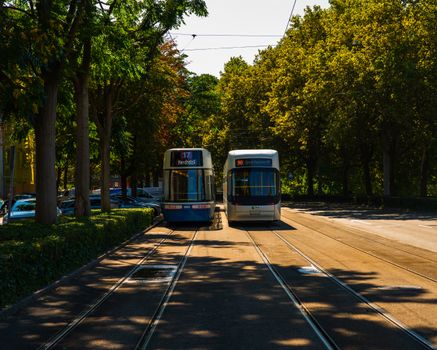
Zurich is a city that breathes efficiency, and its public transport system is no exception. The Zürcher Verkehrsbetriebe (ZVV) operates an impeccably clean and punctual network of trams, buses, and trains that make exploring this picturesque city an absolute joy. The trams, in particular, are a delight – gliding silently through charming streets lined with historic buildings, offering glimpses of the glistening Lake Zurich and the distant Alps.
## Pro-Tips for Zurich's Transit:
- The ZVV 24-Hour Ticket: If you plan on exploring extensively, a 24-hour ticket is incredibly cost-effective and allows unlimited travel within your chosen zones.
- Understand the Zones: Zurich's public transport is divided into zones. Most central attractions are in Zone 110. Ensure your ticket covers the areas you intend to visit.
- Embrace the 'Gleis' (Platform) Numbers: Swiss trains and trams are incredibly well-signed. Pay close attention to the platform numbers displayed on the electronic boards.
- Enjoy the Views: Don't just focus on getting from A to B. Zurich's trams often offer stunning cityscapes and glimpses of the lake; take a moment to soak it all in.
## Quick Facts: Zurich
- Estimated Cost ($): A single ticket can range from CHF 4.40-CHF 9.00 (approx. $5-$10) depending on zones. A 24-hour ticket for Zone 110 is CHF 8.80 (approx. $10).
- Best Time to Visit: Summer (June-August) for pleasant weather and outdoor activities, Winter (December-February) for Christmas markets and a cozy atmosphere.
- How to Get There: Zurich Airport (ZRH) has a direct train connection to Zurich Hauptbahnhof (main station) in just 10-15 minutes.
3. Singapore: The Smart City's Seamless Flow
## The MRT's Marvel and the Bus Network's Brilliance
Singapore is a testament to what happens when a city-state prioritizes intelligent urban planning and sustainable transport. The Mass Rapid Transit (MRT) system is a marvel of modern engineering – clean, efficient, and incredibly comprehensive, connecting virtually every corner of the island. Complementing the MRT is an extensive and well-managed bus network, offering an affordable and convenient way to reach even more localized areas. The entire system is integrated, making transfers smooth and intuitive.
## Pro-Tips for Singapore's Transit:
- Get an EZ-Link Card: Similar to Tokyo's cards, this rechargeable card is essential for tapping in and out of the MRT and buses. You can purchase it at MRT stations.
- Utilize the MRT for Longer Distances: The MRT is your best bet for covering significant ground quickly and efficiently.
- Buses for Local Exploration: Buses are fantastic for reaching smaller neighborhoods, hawker centers off the main MRT lines, and exploring the cultural enclaves like Little India and Chinatown.
- Download the MyTransport.SG App: This official app provides real-time bus arrival times, MRT maps, and journey planning.
- Mind the Gap: While generally very safe, always be aware of the gap between the train and the platform.
## Quick Facts: Singapore
- Estimated Cost ($): MRT/Bus rides typically range from SGD 0.75 - SGD 2.50 (approx. $0.55 - $1.85) depending on distance. An EZ-Link card has a small initial purchase fee.
- Best Time to Visit: Year-round, as Singapore is a tropical city. However, avoid the heaviest rain during the monsoon season (November-January).
- How to Get There: Singapore Changi Airport (SIN) is directly connected to the MRT network, making arrival and departure incredibly convenient.
4. Hong Kong: The Vertical City's Connected Veins
## The MTR's Mighty Reach and the Star Ferry's Charm
Hong Kong is a city that defies gravity, and its public transport system is designed to match its verticality. The Mass Transit Railway (MTR) is the backbone of the city, an incredibly efficient and extensive network that navigates the dense urban landscape with remarkable speed. Beyond the MTR, Hong Kong offers a delightful array of transport options, including the iconic Star Ferry, which provides breathtaking harbor views for mere pennies, and the Peak Tram, an unforgettable ascent to Victoria Peak.
## Pro-Tips for Hong Kong's Transit:
- Get an Octopus Card: This is an absolute must-have. The Octopus card works on the MTR, buses, trams, ferries, and even in many convenience stores and fast-food restaurants.
- Embrace the MTR's Efficiency: For most journeys across Hong Kong Island, Kowloon, and the New Territories, the MTR is your fastest and most convenient option.
- Ride the Tram on Hong Kong Island: The double-decker trams are a charming and affordable way to see the bustling streets of Hong Kong Island at a slower pace.
- Don't Miss the Star Ferry: A short but incredibly scenic ride across Victoria Harbour, it's an essential Hong Kong experience.
- Peak Tram Reservations: For the Peak Tram, consider booking tickets online in advance, especially during peak tourist seasons, to skip the queues.
## Quick Facts: Hong Kong
- Estimated Cost ($): MTR rides range from HKD 4 - HKD 25 (approx. $0.50 - $3.20). Star Ferry is typically HKD 4-5 (approx. $0.50-$0.65).
- Best Time to Visit: Autumn (September-November) offers pleasant temperatures and lower humidity.
- How to Get There: Hong Kong International Airport (HKG) is well-connected to the city via the Airport Express train, which is fast and efficient.
5. Seoul, South Korea: The Tech-Savvy Transit Hub
## The Subway's Superiority and the Bus's Boldness
Seoul is a city that seamlessly blends ancient traditions with cutting-edge technology, and its public transport system is a perfect reflection of this. The Seoul Subway is one of the most extensive and technologically advanced in the world, covering vast distances with incredible speed and comfort. Coupled with a comprehensive and well-organized bus network, it makes navigating this sprawling metropolis a dream.
## Pro-Tips for Seoul's Transit:
- Get a T-Money Card: This rechargeable card is your key to effortless travel on the subway and buses. You can purchase and top it up at convenience stores and subway stations.
- Utilize the Subway's Connectivity: The subway is your primary mode of transport for most tourist attractions and inter-district travel.
- Understand the Bus Colors: Seoul's buses are color-coded by route type: blue for main routes, green for local routes, red for express routes, and yellow for downtown circulation.
- Download Kakao Maps or Naver Maps: Google Maps has limited functionality in South Korea. Kakao Maps and Naver Maps are essential for navigation and public transport information.
- Enjoy the Heated Seats (in Winter!): Many subway cars have heated seats during the colder months, a welcome touch.
## Quick Facts: Seoul
- Estimated Cost ($): Subway rides typically range from ₩1,250 - ₩2,000 (approx. $0.95 - $1.50) with a T-Money card. Bus fares are similar.
- Best Time to Visit: Spring (April-May) for cherry blossoms and pleasant weather, Autumn (September-October) for vibrant foliage and crisp air.
- How to Get There: Incheon International Airport (ICN) offers excellent express train (AREX) and bus services to Seoul.
6. Berlin, Germany: The Historic City's Connected Canvas
## The U-Bahn's Ubiquity and the S-Bahn's Sprawl
Berlin is a city with layers of history, and its public transport system is as robust and diverse as its past. The U-Bahn (underground) and S-Bahn (suburban rail) networks are the city's arteries, offering extensive coverage and remarkable efficiency. Complementing these are an excellent tram network (especially in the former East Berlin) and a comprehensive bus system, all integrated under the umbrella of the Berliner Verkehrsbetriebe (BVG).
## Pro-Tips for Berlin's Transit:
- Understand the Zones (A, B, C): Berlin is divided into fare zones. Most central attractions are in Zone AB. If you're visiting Potsdam or the airport, you'll need a C ticket.
- Validate Your Ticket! This is crucial. Before boarding the U-Bahn or S-Bahn, you must validate your paper ticket in the small red or yellow machines on the platform or inside the tram/bus. Failure to do so results in a hefty fine.
- Embrace the U-Bahn and S-Bahn: They are your primary tools for getting around. The U-Bahn is generally faster for inner-city travel, while the S-Bahn covers a wider area.
- Explore by Tram: Trams offer a charming way to see different neighborhoods, especially in the eastern parts of the city.
- Consider a Day or Weekly Pass: If you plan on using public transport frequently, these passes offer significant savings.
## Quick Facts: Berlin
- Estimated Cost ($): A single ticket for Zone AB is €3.20 (approx. $3.50). Day tickets and weekly passes are also available.
- Best Time to Visit: Spring (April-May) and Autumn (September-October) offer pleasant weather for exploring. Summer (June-August) is popular but can be crowded.
- How to Get There: Berlin Brandenburg Airport (BER) is connected to the city center via express trains (FEX) and regional trains.
The Future of Urban Exploration is Public
These cities aren't just destinations; they are case studies in how to live and travel smarter. They prove that you don't need a car to experience the richness of urban life. You can weave through bustling markets, discover hidden courtyards, and arrive at your next adventure feeling refreshed, not frazzled.
The data is clear: investing in and prioritizing public transport creates more livable, sustainable, and enjoyable cities for everyone. So, on your next trip, consider leaving the car rental brochures behind. Embrace the efficiency, the affordability, and the authentic local experience that only the best public transport systems can offer. Your wallet, and the planet, will thank you.