The Hook: A Symphony of Efficiency
I stepped off the train and into the crisp morning air of Tokyo, the scent of freshly brewed coffee mingling with something faintly sweet, perhaps from a nearby bakery. It wasn't just the quiet hum of the city waking up; it was the order. People moved with purpose, a graceful ballet of commuters flowing towards their destinations. The train doors hissed open and shut with precision, the announcements crisp and clear in Japanese. No jostling, no frantic searching for tickets, just a seamless transition from platform to pavement. This, I knew instantly, was a city that understood the art of getting around. And it set the stage for my lifelong quest to find other urban oases where public transport isn't just a means to an end, but an integral, joyous part of the travel experience.
The Elite Traveler's Compass: Why Public Transport Reigns Supreme
For seasoned globetrotters and aspiring adventurers alike, the quality of a city's public transport is a non-negotiable. It’s the backbone of independent exploration, the gateway to authentic local life, and, frankly, a massive stress-reducer. Forget the anxiety of navigating unfamiliar roads, the exorbitant cost of taxis, or the soul-crushing hunt for parking. When public transport is exceptional, you unlock a city's true rhythm. You can sip your coffee slowly, watch the world go by from a tram window, and spontaneously hop off to explore a hidden alleyway. It's about freedom, efficiency, and immersing yourself in the local pulse.
Here’s why experts, myself included, put public transport at the top of our travel checklists:
- Unparalleled Accessibility: Reach virtually every corner of the city, from the grandest landmarks to the most obscure local haunts.
- Cost-Effectiveness: Save a significant chunk of your travel budget, allowing for more experiences, delicious food, or that perfect souvenir.
- Environmental Friendliness: Travel guilt-free, knowing you're contributing to a more sustainable urban environment.
- Authentic Immersion: Observe local life, hear snippets of conversations, and get a genuine feel for the city's pace and character.
- Stress Reduction: Eliminate the guesswork and frustration of driving and parking, leaving you free to enjoy the journey.
The Global Pantheon: Cities Where Public Transport Shines
After countless journeys and countless miles clocked on various transit systems, a select few cities stand out. These are the places where innovation meets efficiency, where user experience is paramount, and where getting around is an absolute pleasure.
1. Tokyo, Japan: The Precision Masterclass
Stepping into Tokyo's public transport system is like entering a meticulously choreographed dance. The sheer scale of it – a sprawling network of JR lines, private railways, and an incredibly efficient subway system – can be daunting at first, but its underlying logic and punctuality are breathtaking.
The Vibe:
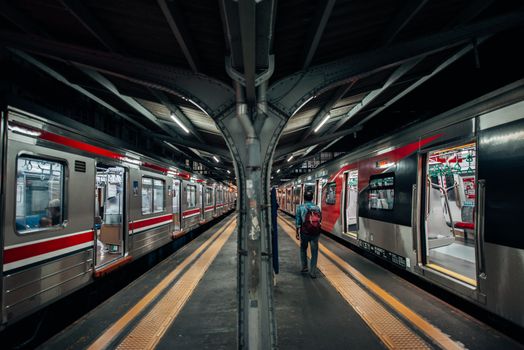
Imagine silent, clean carriages, polite queues forming without a hint of aggression, and trains that arrive exactly on time. The announcements are clear, the signage is abundant (and often in English), and the sheer variety of lines means you can get almost anywhere.
Insider Tip:
For a truly authentic experience and to avoid peak rush hour, try traveling between 10 AM and 3 PM. Also, invest in a Suica or Pasmo card – these rechargeable smart cards make tapping through the gates effortless and can even be used at many convenience stores. Don't be afraid to use the smaller, less crowded stations for a more local feel.
Pro-Tip:
If you're heading to the Ghibli Museum, book your tickets months in advance, and note that the most convenient way to get there is via the JR Chuo Line to Mitaka Station.
Quick Facts: Tokyo
- Estimated Cost (Daily): $10 - $25 (depending on travel intensity)
- Best Time to Visit: Spring (cherry blossoms) or Autumn (fall foliage)
- How to Get There: Narita International Airport (NRT) or Haneda Airport (HND) – both well-connected to the city center via express trains.
2. Zurich, Switzerland: The Seamless Alpine Gateway
Zurich might be known for its banking and chocolate, but its public transport system is a masterpiece of Swiss engineering and efficiency. It's a holistic network that seamlessly integrates trams, buses, trains, and even ferries.
The Vibe:
Cleanliness is paramount. The trams glide silently through the picturesque streets, connecting modern business districts with charming Old Town quarters. The ticketing system is straightforward, and the frequency of services means you rarely wait long.
Insider Tip:
Purchase a Zurich Card. It covers unlimited travel on trams, buses, and trains within zones 110 and 150, and also includes free entry or discounts to many museums and attractions. It's a no-brainer for exploring the city.
Pro-Tip:
Take advantage of the lake ferries! They offer a unique perspective of the city and are included in your public transport ticket (within the valid zones). A sunset cruise is particularly magical.
Quick Facts: Zurich
- Estimated Cost (Daily): $15 - $30 (depending on card usage)
- Best Time to Visit: Summer for outdoor activities and lake life, or December for charming Christmas markets.
- How to Get There: Zurich Airport (ZRH) – directly connected to Zurich Hauptbahnhof (main station) by frequent train services (approx. 10-15 minutes).
3. Seoul, South Korea: The Tech-Savvy Metropolis
Seoul's subway system is a marvel of modern urban planning. It's extensive, incredibly clean, and packed with technological conveniences that make it a joy to navigate.
The Vibe:
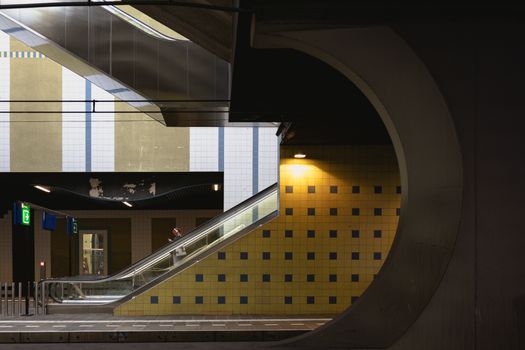
Brightly lit stations, clear digital signage in multiple languages, and an almost eerie quietness in the carriages. You'll find free Wi-Fi, heated seats in winter, and even dedicated quiet zones. The integration with buses is also excellent.
Insider Tip:
Get a T-Money card immediately upon arrival. This rechargeable card is your golden ticket for the subway, buses, and even taxis. You can buy and top it up at any convenience store or subway station kiosk.
Pro-Tip:
Download a navigation app like Kakao Metro or Naver Maps. They provide real-time information, route planning, and even fare estimates, making your journey incredibly smooth. Look out for the "smart" benches that offer charging ports.
Quick Facts: Seoul
- Estimated Cost (Daily): $8 - $18
- Best Time to Visit: Spring (cherry blossoms) or Autumn (vibrant foliage)
- How to Get There: Incheon International Airport (ICN) – well-connected by the AREX Express train and All Stop Train.
4. Berlin, Germany: The Historic & Hip Network
Berlin’s public transport, managed by the BVG, is a robust and diverse system that reflects the city's layered history. It comprises U-Bahn (subway), S-Bahn (urban rail), trams, and buses, all integrated into a single ticketing zone system.
The Vibe:
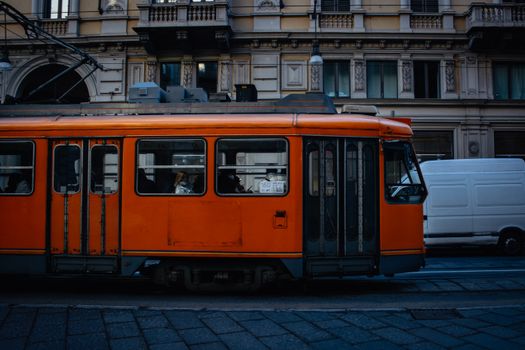
Gritty yet efficient. You'll find everything from sleek modern U-Bahn lines to charming old trams rumbling through historic neighborhoods. The system is incredibly comprehensive, covering even the outer districts.
Insider Tip:
Berlin is divided into fare zones (A, B, C, D). Most tourists will primarily need tickets for zones AB. A day ticket or a multi-day WelcomeCard can be excellent value, offering unlimited travel and discounts on attractions. Remember to validate your ticket before you board for the first time!
Pro-Tip:
Explore the East Side Gallery via the S-Bahn to Ostbahnhof or Warschauer Straße. The trams in the former East Berlin offer a particularly nostalgic journey through distinct architecture.
Quick Facts: Berlin
- Estimated Cost (Daily): $10 - $20 (especially with a WelcomeCard)
- Best Time to Visit: Summer for vibrant street life and festivals, or Spring/Autumn for pleasant exploration.
- How to Get There: Berlin Brandenburg Airport (BER) – connected by regional trains (FEX, RE7, RB22) and buses.
5. Singapore: The Island Nation's Clean Machine
Singapore is a city-state that takes pride in its immaculate presentation, and its Mass Rapid Transit (MRT) system is a shining example. It's efficient, spotlessly clean, and incredibly user-friendly.
The Vibe:
Futuristic, clean, and quiet. The MRT stations are bright, airy, and well-maintained. The trains are air-conditioned to perfection, and the journey is smooth and punctual. The system is designed for maximum convenience.
Insider Tip:
Get an EZ-Link card or use your contactless credit/debit card to tap in and out. Singapore's fare system is distance-based, and these cards ensure you get the best possible fare.
Pro-Tip:
Utilize the integrated bus network. The MRT and bus systems work hand-in-hand, making it easy to reach even the most tucked-away hawker centers or nature reserves. Don't miss the Gardens by the Bay – accessible via the Circle Line or Downtown Line.
Quick Facts: Singapore
- Estimated Cost (Daily): $8 - $15
- Best Time to Visit: Year-round, but avoid the slightly wetter months of November to January if possible.
- How to Get There: Changi Airport (SIN) – directly connected to the city center via the East West Line MRT.
6. Hong Kong: The Mountainous Marvel
Navigating Hong Kong's hilly terrain is made incredibly easy by its MTR system and its iconic network of trams and escalators. The MTR is fast, efficient, and surprisingly affordable given the density of the city.
The Vibe:
Bustling yet organized. The MTR stations are often integrated into shopping malls, making transfers seamless. The historic double-decker trams on Hong Kong Island offer a charming, slow-paced way to see the city's vibrant street life.
Insider Tip:
Get an Octopus Card. This ubiquitous smart card is your key to the MTR, buses, ferries, and even many convenience stores. It’s essential for smooth travel.
Pro-Tip:
Don't miss the Mid-Levels Escalator, the longest outdoor covered escalator system in the world! It's a fantastic way to ascend the steep streets and explore the Soho district.
Quick Facts: Hong Kong
- Estimated Cost (Daily): $10 - $20
- Best Time to Visit: Autumn (October-November) for pleasant temperatures and clear skies.
- How to Get There: Hong Kong International Airport (HKG) – connected by the Airport Express train.
The Budget Traveler's Secret Weapon: Maximizing Your Transit Pass
For many, the allure of these cities is amplified by the fact that their excellent public transport makes them incredibly budget-friendly for explorers. Here's how to make your transit pass work harder for you:
- Daily/Weekly Passes: If you plan on doing a lot of sightseeing, these often offer the best value. Do the math based on your itinerary.
- Travel Cards (e.g., Suica, T-Money, Octopus): Ideal for flexibility, especially if you're not sure how much you'll travel each day. They also offer convenience for small purchases.
- Walking & Transit Hybrids: Many of these cities are incredibly walkable within districts. Use public transport to get between neighborhoods, then explore on foot.
- Off-Peak Travel: If your schedule allows, traveling outside of rush hour can sometimes mean cheaper fares or simply a more comfortable ride.
Beyond the Big Names: Emerging Transit Stars
While the cities above are consistently lauded, keep an eye on others rapidly improving their transit infrastructure. Cities like Vancouver, Melbourne, and Taipei are making significant strides in creating more integrated and user-friendly public transport networks, offering excellent alternatives for the savvy traveler.
Your Next Adventure Awaits: Embrace the Journey
The world is a vast and wonderful place, and the best way to truly experience it is often by immersing yourself in its local rhythm. Cities with exceptional public transport offer an invitation to do just that – to explore with freedom, ease, and a genuine connection to the places you visit. So, pack your bags, grab your transit card, and get ready to discover the world, one seamless journey at a time.