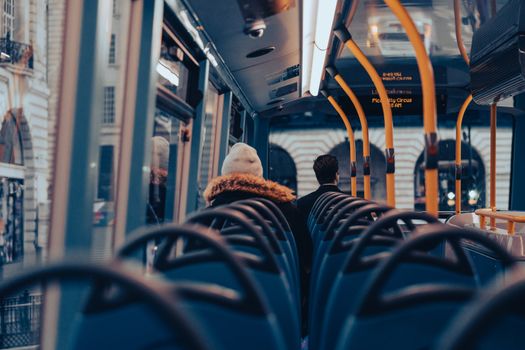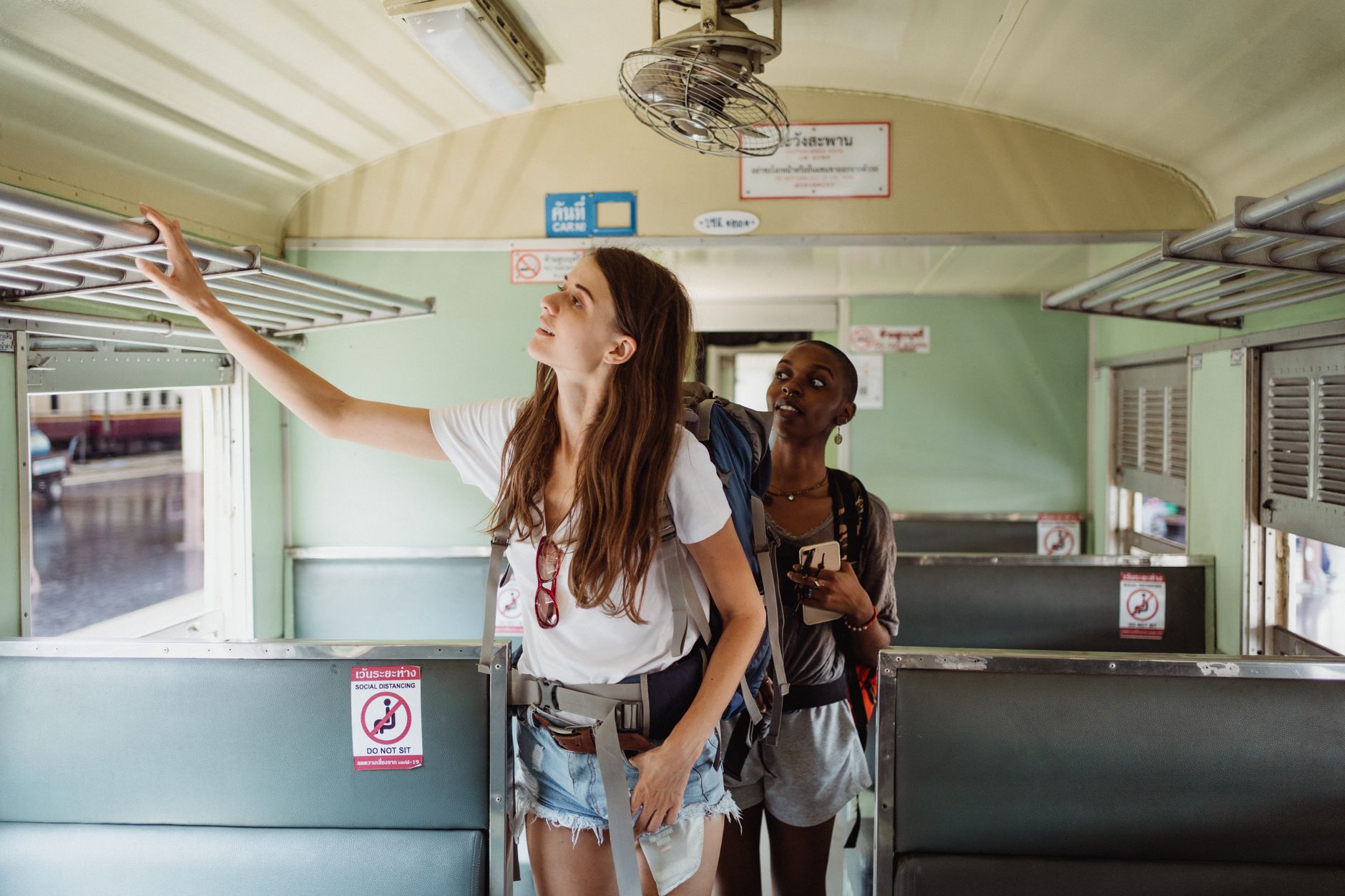
Remember that sinking feeling? You’ve just landed in a dazzling new city, bags in hand, brain already buzzing with anticipation. Then, reality hits. The confusing ticket machines, the steep daily pass prices, the mental math of every bus ride eating into your souvenir budget. I’ve been there more times than I care to admit. From fumbling with foreign coins at a Parisian metro station, missing a train in Rome because I couldn’t figure out the validation, to blowing a significant chunk of my budget on endless city passes across Europe, public transport used to be a necessary evil, often a stressful one.
But what if I told you there’s a different way? What if you could simply board a bus, hop on a tram, or even catch a train, and explore an entire region without ever reaching for your wallet? No tickets, no passes, no daily limits, no stress. Just pure, unadulterated freedom to roam. Sounds like a traveler's fantasy, right?
Well, pinch yourself, because this isn't a dream. A quiet revolution is happening across the globe, with pioneering countries and cities making public transportation entirely free for everyone. This isn’t just about saving a few bucks; it’s about unlocking a new level of immersion, sustainability, and sheer joy in travel. It transforms your experience from a series of calculated movements to an effortless exploration.
Ready to rewrite your travel rulebook? Let's dive into the incredible destinations where you can experience the magic of fare-free public transport before you kick the bucket!
---
1. The Grand Duchy's Gift: Luxembourg – Europe's Pioneer in Free Rides
Why it's a game-changer:
Luxembourg, a tiny but mighty European nation, made history in March 2020 by becoming the first country in the world to offer free public transportation nationwide for everyone – residents and tourists alike. Yes, you read that right. Every bus, tram, and train within its borders is absolutely free. This wasn't just a pilot program; it was a bold, permanent move aimed at reducing traffic congestion, promoting environmental sustainability, and enhancing social equity.
My Experience: A Breath of Fresh Air (Literally!)
I remember stepping off the train at Luxembourg City's central station, bracing myself for the usual ticket machine tango. But then I saw the signs, the clear directives: "No ticket required." It felt surreal. I simply walked onto a tram, found a seat, and watched the city unfold outside the window, completely unburdened.
My first journey was a leisurely tram ride through the modern Kirchberg plateau, past gleaming European institutions, before descending into the dramatic gorges of the Old Town. Later, I hopped on a bus down to the Grund, the picturesque lower town nestled by the Alzette River, without a second thought. The sheer liberation of it all was intoxicating. No more mapping out the "most cost-effective" route, no more worrying about fare zones. I was free to explore every nook and cranny.
One day, I decided on a whim to take a train north to Vianden, home to one of Europe's most stunning medieval castles. A simple walk to the station, onto the train, and I was whisked through rolling green hills and charming villages, all for free. From Vianden, a local bus took me right up to the castle gates. It truly felt like the country was inviting me to discover every corner without any barriers.
Practical Tips for Your Visit:
* Just Board: Seriously, that's it! No need to validate anything or even carry a ticket.
* Use the Mobiliteit.lu App: While you don't need a ticket, this official app is invaluable for real-time schedules, route planning, and information. It's incredibly user-friendly.
* Explore Beyond the City: Don't limit yourself to Luxembourg City. Take advantage of the free network to visit charming towns like Echternach (gateway to Mullerthal Trail), Vianden, or explore the Moselle wine region.
* Accessibility: Public transport in Luxembourg is generally very accessible, with low-floor buses and trams.
What to See & Do (Instagram-Worthy Moments):
* Luxembourg City: Wander through the UNESCO-listed Old Town, explore the Bock Casemates, marvel at the Grand Ducal Palace, and enjoy the views from Chemin de la Corniche (Europe's most beautiful balcony).
* Vianden Castle: A fairytale castle perched dramatically above the Our River.
* Mullerthal Trail (Little Switzerland): Hike through incredible rock formations and lush forests.
* Moselle Wine Region: Sample local wines in picturesque villages like Remich or Grevenmacher.
* Instagram Moment: A sleek tram gliding past the stunning Philharmonie Luxembourg, or a cozy train winding through the autumnal forests of the Ardennes, all from your stress-free seat.
---
2. Island Hopping, Fare-Free: Gozo, Malta – Mediterranean Magic
Why it's a game-changer:
While mainland Malta still requires a Tallinja card for free rides (which can be a bit more involved for short-term tourists), its enchanting sister island, Gozo, has taken a giant leap. Since October 2022, all public transport on Gozo is completely free for everyone – residents and visitors alike. This initiative aims to reduce car traffic on the small, beautiful island, making it more peaceful and sustainable for locals and tourists.
My Experience: Unlocking Gozo's Hidden Gems
The journey to Gozo is an experience in itself – a short, scenic ferry ride from Cirkewwa (Malta) to Mgarr (Gozo). As soon as I disembarked, the familiar question popped into my head: "Okay, how do I get around here?" But then I remembered Gozo's free transport policy. It felt like a warm, Mediterranean hug.
I hopped onto a bus heading straight to Victoria (Rabat), Gozo's bustling capital. From there, the island's bus network radiates like spokes from a wheel, connecting every village and major attraction. I spent my days effortlessly moving from the ancient Citadel in Victoria to the vibrant red sands of Ramla Bay, then a scenic ride to the dramatic cliffs of Dwejra Bay, home to the former Azure Window. Each journey was a chance to soak in the stunning landscapes, observe local life, and simply relax, knowing my explorations weren’t costing me a penny. It made me feel like a local, with the entire island at my fingertips.
Practical Tips for Your Visit:
* Ferry First: Take the ferry from Cirkewwa, Malta, to Mgarr, Gozo. The ferry itself is paid upon return from Gozo to Malta.
* Tallinja Card (Optional): While rides are free for everyone on Gozo, tapping a Tallinja card (even an unregistered, empty one) helps the transport authority collect data. You can purchase one on mainland Malta or at the Mgarr ferry terminal. However, you can also just board without one.
* Malta Public Transport App: Essential for checking bus schedules and planning routes across the island. The network is efficient, but buses run less frequently in the evenings or to very remote spots.
* Patience: Gozo operates on island time. Buses are generally punctual but don't expect big-city frequency.
What to See & Do (Instagram-Worthy Moments):
* Victoria Citadel: A fortified city offering panoramic views of the entire island.
* Ramla Bay: Gozo's largest sandy beach, famous for its unique reddish-golden sand.
* Dwejra Bay: Explore the Fungus Rock, the Inland Sea, and the site where the Azure Window once stood.
* Ggantija Temples: UNESCO World Heritage site, older than the Egyptian pyramids.
* Xlendi Bay: A charming fishing village perfect for swimming and dining.
* Instagram Moment: A colorful Gozitan bus winding along coastal roads, offering glimpses of turquoise waters, or a snapshot of the Citadel from a bus window as you approach Victoria.
---
3. French Flair, No Fare: Dunkirk & Other Pioneering French Cities
Why it's a game-changer:
While not a nationwide policy, France has emerged as a leader in urban free public transport. Dunkirk (Dunkerque), a port city in northern France, made headlines in 2018 by making its entire bus network completely free for all users. This bold move transformed the city, boosting local businesses, reducing car dependency, and enhancing social cohesion. Several other French cities like Aubagne, Niort, and Calais (partially) have followed suit or are exploring similar initiatives, showcasing a significant trend within a major European country.
My Experience: A City Reimagined in Dunkirk
My visit to Dunkirk wasn't just about its poignant WWII history; it was about experiencing a city where urban mobility had been completely rethought. Arriving by train, I was immediately struck by the modern, vibrant buses that zipped past, emblazoned with the "DK'Bus Marine" logo. The moment I stepped onto one without needing a ticket, I felt an instant connection to the city.
I used the free bus network to explore the historic sites of Operation Dynamo, learning about the miraculous evacuation, then traveled to the sprawling Malo-les-Bains beach for a walk along the promenade. Later, I took another bus to the Port Museum, delving into Dunkirk's maritime heritage. The ease of getting around meant I could spend more time soaking in the culture and less time deciphering ticket machines. The city felt more open, more welcoming, and genuinely more accessible to everyone. It wasn't just a transport system; it was a symbol of civic pride and innovation.
Practical Tips for Your Visit:
* Check Local Information: For Dunkirk, simply board any DK'Bus. For other French cities considering or implementing free transport, always check their official city transport websites (e.g., DK'Bus for Dunkirk, AggloBus for Aubagne).
* Route Planning: Use Google Maps or the city's official transport app for real-time bus schedules and routes.
* Weekend Exploration: Many cities see increased usage on weekends, so be prepared for potentially busier buses.
What to See & Do (Instagram-Worthy Moments):
* Dunkirk 1940 Museum: A poignant tribute to Operation Dynamo.
* Port Museum: Discover Dunkirk's rich maritime history.
* Malo-les-Bains Beach: A beautiful sandy beach perfect for a stroll.
* FRAC Grand Large – Hauts-de-France: A striking contemporary art center.
* Instagram Moment: A modern, sleek bus against the backdrop of Dunkirk's revitalized waterfront, or a snapshot of local life from your free ride through a charming French neighborhood.
---
4. Alpine Adventures, Effortless Journeys: Switzerland's Seamless Guest Cards
Why it's a game-changer:
While Switzerland doesn't offer nationwide free public transport in the traditional sense, many of its cities and regions provide an equally fantastic perk for tourists: guest cards that include free public transport with your accommodation. This means that by simply checking into a hotel, hostel, or sometimes even an Airbnb, you receive a pass that grants you unlimited rides on local buses, trams, and sometimes even regional trains and funiculars for the duration of your stay. It’s functionally free and incredibly convenient.
My Experience: Unlocking Swiss Precision and Beauty
My trip to Bern, the Swiss capital, became a masterclass in effortless exploration thanks to the Bern Ticket. Upon checking into my hotel, I was handed a small card that instantly transformed the city's entire public transport network into my personal shuttle service. Suddenly, the iconic Zytglogge clock tower, the Bear Park, and even the panoramic views from Gurten mountain (accessible by funicular, also included!) were just a free ride away.
I spent my days hopping on and off trams, exploring the UNESCO-listed Old Town, taking a bus along the Aare River, and even venturing to nearby towns without a single thought about purchasing tickets or calculating fares. It allowed me to spontaneously change plans, discover hidden cafes, and simply enjoy the journey, soaking in the pristine Swiss efficiency without the usual financial overhead. It felt like the city was truly welcoming me, encouraging me to discover every facet of its charm.
Practical Tips for Your Visit:
* Always Ask: When booking accommodation in Switzerland, always ask if they provide a guest card. Most hotels, especially in major tourist areas, do.
* Keep it Handy: Your guest card is your ticket. Keep it with you at all times, as you might be asked to show it.
* Check Validity: Understand which zones and types of transport your specific guest card covers. Some might include discounts on mountain excursions or museum entries too.
* Examples of Cities/Regions:
* Bern Ticket: Free public transport in zones 100/101 (city center) and discounts on Gurtenbahn funicular.
* Lucerne Visitor Card: Free bus and train travel within Zone 10 and discounts on attractions like Mount Pilatus and Rigi.
* Geneva Pass: Free public transport and discounts on many attractions.
* Graubünden Card: Free public transport throughout the Canton of Graubünden (often for stays of 2+ nights).
What to See & Do (Instagram-Worthy Moments):
* Bern: Explore the medieval Old Town, visit the Bear Park, climb the Bern Minster, and take the funicular up Gurten mountain for panoramic views.
* Lucerne: Stroll across Chapel Bridge, visit the Lion Monument, and take a scenic boat trip on Lake Lucerne.
* Geneva: See the Jet d'Eau, visit the UN European headquarters, and relax by Lake Geneva.
* Instagram Moment: A classic Swiss tram gliding through Bern's charming streets, or a breathtaking train journey through the Alps (partially covered by some cards) with majestic peaks outside your "free" window.
---
5. Beyond the Borders: Global Glimpses & The Future of Fare-Free Travel
The movement for fare-free public transport isn't confined to Europe; it's a growing global trend, albeit often in smaller doses or pilot projects. These initiatives, whether city-wide or for specific routes, offer a tantalizing glimpse into a future where urban mobility is less about transactions and more about seamless accessibility.
Glimpses Around the Globe:
* Kansas City, USA: While not nationwide, Kansas City boasts a completely free downtown streetcar that has revitalized its urban core. It's a fantastic way for tourists to explore the city's vibrant districts, from the River Market to Union Station, without spending a dime. It’s a testament to how free transport can spur economic activity and community engagement.
* Avesta, Sweden: This smaller Swedish municipality has also implemented free public transport, demonstrating that the concept isn't just for major capitals.
* Germany (Pilot Projects): Various German cities and regions have experimented with free public transport, sometimes during specific events, for specific groups, or as part of broader environmental initiatives. While not widespread, it shows a willingness to explore the concept.
* Canada (Various): Some smaller towns and specific routes (e.g., university shuttle buses) offer free services, often aimed at reducing congestion or promoting specific areas.
Why This Matters for Travelers & The Future:
These examples, big and small, underscore a fundamental shift in thinking about urban planning and tourism. Free public transport isn't just a perk; it's a powerful tool for:
- Environmental Sustainability: Reducing private car use, lowering emissions, and combating climate change.
- Social Equity: Ensuring everyone, regardless of income, has access to mobility.
- Economic Boost: Encouraging people to explore more, visit local businesses, and spend money in different parts of a city or region.
- Enhanced Tourist Experience: Making travel less stressful, more spontaneous, and more immersive.
Imagine a world where you could land in any major city and simply navigate it with ease, without the financial burden or the cognitive load of ticket systems. It would fundamentally change how we interact with new places, making them feel more like an extension of our own neighborhoods. As travelers, seeking out these pioneering destinations allows us to experience the benefits firsthand and support a movement that could redefine global travel. It's about traveling smarter, more consciously, and with an exhilarating sense of freedom.
---
Conclusion: Travel Freer, Explore Deeper, Live More
Discovering countries and cities with free public transportation has been one of the most transformative aspects of my travels. It's more than just a money-saving hack; it's a passport to unparalleled freedom, deeper immersion into local culture, and a more sustainable way to explore our beautiful world. The absence of ticket barriers removes a psychological barrier, encouraging spontaneous detours, longer explorations, and a genuine connection with the places you visit.
So, as you plan your next adventure, remember these pioneering destinations. They offer not just a journey, but an experience – one where the path is open, the possibilities are endless, and the only fare you pay is with your curiosity.
Which free-fare destination will you explore first? Have you experienced the magic of free public transport somewhere else? Share your thoughts and tips in the comments below! Let's inspire each other to travel smarter, travel freer, and make every journey count.
---