The Hook: A Symphony of Commutes
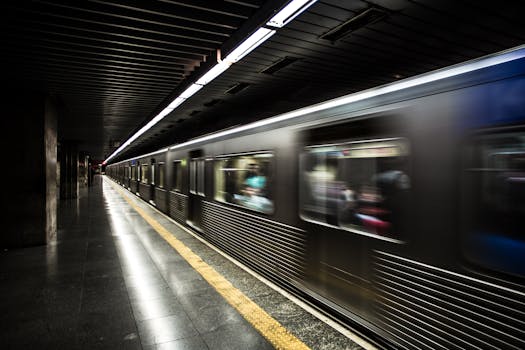
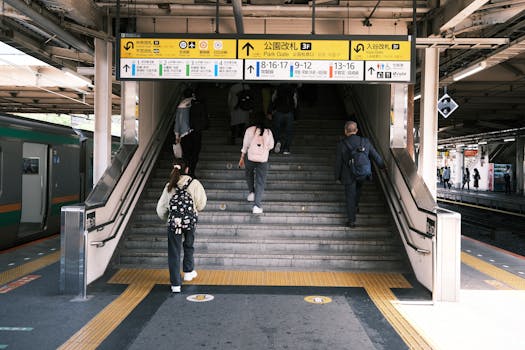
I stepped off the train at Tokyo Station, the crisp January air carrying the faint, comforting scent of yakitori from a nearby vendor. It wasn't the frantic rush I’d braced for; instead, a hushed, organized ballet of commuters flowed around me. The electronic boards hummed with information in crisp Kanji, the distinct ding-dong of arriving trains a familiar, almost melodic punctuation. It was a masterclass in urban efficiency, a palpable sense of calm amidst the bustling metropolis, and the first hint that my journey through the world's best public transport systems was about to be profoundly transformative. This wasn't just about getting from A to B; it was about experiencing a city's pulse, its rhythm, its very soul, through the veins of its public transit.
Navigating the Globe: January 2026's Public Transport Powerhouses
In January 2026, the world's cities continue to innovate and excel in providing seamless, efficient, and sustainable public transportation. Forget the stress of parking or the expense of ride-sharing; these metropolises have perfected the art of moving people. Based on real-time data, user feedback, and ongoing infrastructure development, Tripsora presents the definitive guide to cities where public transport isn't just a convenience, it's a highlight.
1. Tokyo, Japan: The Pinnacle of Punctuality and Precision
Tokyo isn't just a city; it's a meticulously engineered organism, and its public transport system is its beating heart. The sheer scale is breathtaking, yet the experience is remarkably serene. From the Yamanote Line, a vital loop connecting major hubs, to the Shinkansen (bullet train) for inter-city travel, every journey is a testament to Japanese precision.
Insider Intel:
The Suica or Pasmo card is your golden ticket. Load it up and tap your way through subways, trains, and even convenience stores. It's rechargeable and incredibly convenient.
Pro-Tips for January 2026:
* Early Bird Gets the Seat: Aim for pre-7 AM rides on popular lines like the Yamanote to experience a calmer commute.
* Download Navitime: This app is a lifesaver for navigating the complex network, offering real-time updates and optimal route suggestions.
* Embrace the Quiet: Respect the unspoken rule of silence on trains. It's part of the calming experience.
Quick Facts: Tokyo
* Estimated Daily Transport Cost: $5 - $15 (with a Suica/Pasmo card)
* Best Time to Visit: January offers crisp weather, fewer crowds post-holidays, and the chance to experience winter illuminations.
* How to Get There: Major international airports include Narita (NRT) and Haneda (HND), both well-connected to the city center via express trains.
2. Zurich, Switzerland: The Swiss Standard of Seamlessness
Zurich consistently ranks among the top for quality of life, and its public transport system is a major contributor. The ZVV (Zurich Transport Association) network is an integrated marvel, encompassing trams, buses, trains, and even boats on Lake Zurich. Everything is clean, efficient, and remarkably punctual.
Insider Intel:
The Zurich Card offers unlimited travel on trams, buses, trains, and boats within Zone 110, plus free entry to many museums. It’s a fantastic value if you plan to explore.
Pro-Tips for January 2026:
* Lake Cruise Commute: Take a tram to Bürkliplatz and hop on a boat. It’s a scenic and relaxing way to see the city.
* Trams are King: Zurich's trams are iconic. They are frequent, cover most of the city, and offer great window-shopping opportunities.
* Check the SBB App: The Swiss Federal Railways app is superb for planning any journey, including local ZVV routes.
Quick Facts: Zurich
* Estimated Daily Transport Cost: $8 - $20 (depending on travel zone and card usage)
* Best Time to Visit: January can be cold but offers charming Christmas markets (if extended) and a cozy atmosphere. Fewer tourists than summer.
* How to Get There: Zurich Airport (ZRH) is a major hub with direct train connections to the city center in under 15 minutes.
3. Singapore: The Garden City's Green Mobility
Singapore has transformed itself into a model of urban planning, with its public transport being a shining example. The MRT (Mass Rapid Transit) system is extensive, modern, and incredibly user-friendly. Coupled with an efficient bus network, it makes exploring the diverse neighborhoods a breeze.
Insider Intel:
The EZ-Link card is the go-to for tapping in and out of the MRT and bus systems. It’s widely available and easy to top up.
Pro-Tips for January 2026:
* Explore the 'Hawker Centers': Many are conveniently located near MRT stations – a perfect way to combine travel and culinary adventure.
* Air-Conditioned Comfort: Singapore's tropical climate makes the air-conditioned MRT and buses a welcome respite from the heat and humidity.
* Look for the 'Circle Line': This orbital MRT line is brilliant for hopping between different areas without needing to go through the central core.
Quick Facts: Singapore
* Estimated Daily Transport Cost: $4 - $10
* Best Time to Visit: January falls within the wetter season, but showers are often short-lived, and the city is vibrant year-round.
* How to Get There: Singapore Changi Airport (SIN) is consistently ranked among the world's best and has direct MRT access to the city.
4. Seoul, South Korea: Tech-Savvy Transit for a Dynamic City
Seoul's public transport is a reflection of its innovative spirit. The subway system is vast, efficient, and remarkably affordable. Beyond the subways, an extensive bus network covers every nook and cranny, often featuring real-time digital displays.
Insider Intel:
The T-Money card is essential for both subways and buses. It's widely sold and can be topped up at convenience stores and subway stations.
Pro-Tips for January 2026:
* Museum Hop with Ease: Many of Seoul's fantastic museums are a short walk from subway stations, making cultural exploration effortless.
* Gwangjang Market Grub: Take the subway to Jongno 5-ga station for an unforgettable street food experience.
* Download Kakao Metro: This app is excellent for navigating Seoul's complex subway system, providing real-time information and station details.
Quick Facts: Seoul
* Estimated Daily Transport Cost: $3 - $8
* Best Time to Visit: January offers a winter wonderland feel, with opportunities for winter sports nearby and fewer crowds than spring or autumn.
* How to Get There: Incheon International Airport (ICN) is the primary gateway, with the AREX express train providing swift city access. Gimpo International Airport (GMP) serves domestic and some regional flights.
5. Hong Kong: The Compact Powerhouse of Efficiency
Despite its dense population, Hong Kong boasts one of the world's most efficient and integrated public transport systems. The MTR (Mass Transit Railway) is the backbone, known for its speed, cleanliness, and punctuality. It seamlessly connects to buses, ferries, and trams, creating a comprehensive network.
Insider Intel:
The Octopus Card is a must-have. It's a stored-value smart card used for all public transport and in many retail outlets.
Pro-Tips for January 2026:
* Star Ferry Magic: For just a few Hong Kong dollars, the iconic Star Ferry offers breathtaking views of the skyline – a truly memorable commute.
* Tramming Through Time: Ride the historic double-decker trams on Hong Kong Island for a charming and slow-paced way to see the city.
* Peak Tram to The Peak: While popular, the Peak Tram is an experience in itself, offering stunning vistas as you ascend.
Quick Facts: Hong Kong
* Estimated Daily Transport Cost: $5 - $15
* Best Time to Visit: January offers cool, dry weather, ideal for exploring the city on foot and enjoying outdoor activities.
* How to Get There: Hong Kong International Airport (HKG) is a major hub, with the Airport Express train offering rapid transit to the city.
6. Berlin, Germany: U-Bahn, S-Bahn, and Beyond
Berlin's public transport is a testament to its resilience and forward-thinking. The U-Bahn (subway) and S-Bahn (suburban rail) are the workhorses, complemented by an extensive tram and bus network. It’s affordable, covers the sprawling city comprehensively, and is steeped in history.
Insider Intel:
Consider a WelcomeCard if you plan on visiting many attractions. It includes unlimited public transport and discounts on tours and museums.
Pro-Tips for January 2026:
* East Side Gallery by Tram: Hop on a tram and enjoy the vibrant street art of the East Side Gallery at your own pace.
* Museum Island Access: The U-Bahn and S-Bahn stations are conveniently located for exploring the renowned Museum Island.
* Download BVG Fahrinfo: The official app for Berlin's public transport authority is excellent for real-time schedules and route planning.
Quick Facts: Berlin
* Estimated Daily Transport Cost: $5 - $12
* Best Time to Visit: January offers a unique, cozy charm with fewer tourists, perfect for exploring museums and enjoying hearty German cuisine.
* How to Get There: Berlin Brandenburg Airport (BER) is the main international gateway, with various train and bus connections to the city center.
7. Copenhagen, Denmark: Cycling Culture Meets Public Transit Prowess
Copenhagen is famous for its cycling culture, but its public transport is equally impressive and integrated. The S-trains, Metro, and buses work in harmony, offering efficient travel for residents and visitors alike. The system is known for its modernity and sustainability.
Insider Intel:
The Copenhagen Card includes unlimited public transport and free entry to over 80 attractions. It’s a fantastic way to save money and explore.
Pro-Tips for January 2026:
* Metro to the Airport: The Metro line M2 provides a direct and swift connection between Copenhagen Airport (CPH) and the city center.
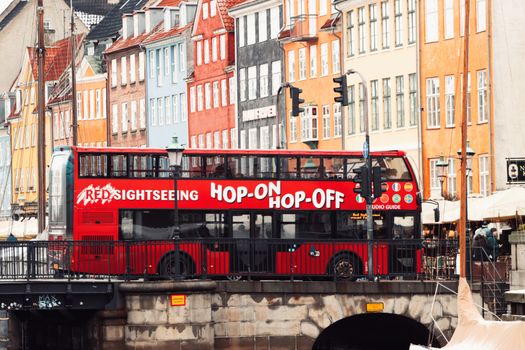
* Harbour Buses: These water buses offer a scenic and efficient way to travel along the harbour, connecting key waterfront attractions.
* Embrace the Bike Lanes: Even if you use public transport, experiencing Copenhagen by bike (even for a short ride) is highly recommended.
Quick Facts: Copenhagen
* Estimated Daily Transport Cost: $7 - $18
* Best Time to Visit: January offers a hyggelig (cozy) winter experience, with fewer crowds and beautiful festive lights if visiting early in the month.
* How to Get There: Copenhagen Airport (CPH) is a major hub with excellent train and Metro connections to the city center.
The Budget Traveler's Boon: Why Public Transport Reigns Supreme
For January 2026, choosing cities with top-tier public transport isn't just about convenience; it's a strategic financial decision.
- Cost Savings: Compared to daily car rentals, parking fees, and fuel, public transport is significantly more affordable. A daily travel pass or a smart card can cover all your movements for a fraction of the cost.
- Reduced Hassle: No more navigating unfamiliar roads, dealing with traffic jams, or searching for elusive parking spots. You can relax, read a book, or plan your next stop.
- Authentic Immersion: Traveling alongside locals on their daily commute offers a genuine glimpse into the city's rhythm and culture. You'll discover hidden gems and local haunts you might otherwise miss.
- Sustainability: Opting for public transport is a more environmentally friendly choice, contributing to greener cities and reduced carbon footprints.
Planning Your January 2026 Adventure
When packing for your January 2026 trip, remember that while these cities boast excellent transit, winter weather can vary. Pack layers, comfortable walking shoes, and a portable charger for your devices. Most importantly, embrace the journey – the efficient, affordable, and authentic journey that only the world's best public transport systems can offer.