The Allure of the Car-Free City: A Winter Revelation
I stepped off the train and into a hush. Not an empty, desolate hush, but a vibrant, alive silence punctuated by the gentle lapping of water, the distant chime of church bells, and the murmur of happy chatter. The air, crisp and carrying the faint, sweet scent of roasting chestnuts, felt impossibly clean. No roaring engines, no blaring horns, just the symphony of human life unfolding at a more human pace. This was my first true immersion into a car-free city, and as the winter sun cast long, golden shadows across ancient cobblestones, I knew I’d stumbled upon a secret worth shouting about.
For too long, urban tourism has been synonymous with navigating bustling streets choked with traffic. We’ve accepted the fume-laden air and the constant thrum of engines as part of the city experience. But what if there was another way? What if cities could reclaim their streets for people, for art, for genuine connection? This winter, a select few destinations are proving that car-free isn't just a concept; it's a perfected urban tourism experience, offering a refreshing, immersive, and deeply satisfying escape. Forget the frantic rush; embrace the exquisite stillness.
Venice, Italy: The Timeless Queen of Car-Free Charm
Let's start with the undisputed heavyweight champion of car-free cities: Venice. Even in winter, when the crowds thin and a mystical mist often drapes the canals, the Serenissima bewitches. The absence of cars isn't just a novelty; it's the very essence of its being. Every alleyway, every piazza, every bridge is an invitation to wander, to get delightfully lost.
- The Vibe: Romantic, historic, utterly unique. Winter brings a quieter, more intimate Venice. Think steaming cups of caffè in hidden bacari, the haunting beauty of St. Mark's Square under a pale winter sky, and the thrill of a water taxi ride (the only 'motorized' transport here) that feels like gliding through a living postcard.
- Insider Tip: To truly experience the magic, aim for a sunrise stroll through San Polo or Dorsoduro. The soft light illuminating the ancient buildings and the quiet canals is breathtaking. And don't miss the Rialto Market at its peak – the vibrant colors and the cacophony of local vendors are a feast for the senses.
- Authenticity: Beyond the iconic landmarks, seek out artisan workshops in Cannaregio, where gondola oars are still crafted by hand, or enjoy cicchetti (Venetian tapas) and a glass of Prosecco at a traditional bacaro where locals gather. The taste of fresh seafood, drizzled with local olive oil and a squeeze of lemon, is pure Venetian soul.
Quick Facts: Venice
| Category | Details |
| :--------------- | :------------------------------------------------------------------------- |
| Estimated Cost | $$-$$$ (Accommodation can vary wildly; food is moderate if you eat local) |
| Best Time to Visit | November - February (fewer crowds, atmospheric fog, festive markets) |
| How to Get There | Fly into Venice Marco Polo Airport (VCE) or Treviso Airport (TSF). Take a water bus (Vaporetto) or water taxi to your accommodation. The train station (Venezia Santa Lucia) is directly on the Grand Canal. |
Bruges, Belgium: A Fairytale Frozen in Time
If Venice is a grand opera, Bruges is a perfectly preserved medieval fairytale. This Flemish gem, with its network of picturesque canals and its impossibly charming Markt square, feels like stepping directly into a storybook. Winter amplifies its cozy appeal, with twinkling lights adorning historic buildings and the aroma of waffles and chocolate filling the air.
- The Vibe: Cozy, romantic, steeped in history. Bruges in winter is about embracing hygge. Imagine gliding on a canal boat, warmed by a blanket, admiring the gothic architecture. The crisp air is perfect for exploring the winding streets on foot, discovering hidden courtyards and independent boutiques.
- Insider Tip: Take a guided walking tour early in the morning to get the best insights into the city’s rich history before the day-trippers arrive. For a truly authentic experience, visit a traditional lace-making workshop. And of course, indulge in a Belgian waffle – the warm, crispy exterior and fluffy interior are pure bliss on a cold day.
- Authenticity: Beyond the well-trodden path, wander into the quieter neighborhoods like Sint-Anna. Here, you’ll find charming local pubs serving rich Belgian ales and hearty stews. Don't just taste the chocolate; visit a small, independent chocolatier and learn about the art of tempering and truffle making.
Quick Facts: Bruges
| Category | Details |
| :--------------- | :------------------------------------------------------------------------- |
| Estimated Cost | $$ - $$$ (Can be touristy, but budget-friendly options exist) |
| Best Time to Visit | November - February (festive atmosphere, fewer crowds, beautiful winter light) |
| How to Get There | Fly into Brussels Airport (BRU) and take a direct train to Bruges (approx. 1 hour). The Bruges train station is a short walk or taxi ride to the historic center. |
Amsterdam, Netherlands: Cycling into the Future of Urban Travel
While not entirely car-free, Amsterdam has masterfully prioritized cycling and walking, creating an urban environment that feels remarkably free of vehicular dominance. This winter, the city's canals, adorned with festive lights, offer a unique and enchanting perspective.
- The Vibe: Energetic, artistic, innovative. Amsterdam in winter is vibrant. The canals transform into icy arteries (sometimes even offering skating opportunities!), and the city buzzes with cultural events. Cycling through the city, with the crisp winter air on your face, is an exhilarating experience.
- Insider Tip: Rent a bike from a local shop (avoid the mass tourist rentals if possible) and explore the Jordaan district. Get lost in its charming streets, discover hidden ‘hofjes’ (inner courtyards), and enjoy a traditional Dutch ‘bitterballen’ at a brown café. For a truly unique perspective, take a canal cruise with a hot chocolate in hand.
- Authenticity: Explore the De Pijp neighborhood for its vibrant market and diverse culinary scene. Seek out a traditional ‘eetcafé’ for a hearty Dutch meal like ‘stamppot’ (mashed potatoes with vegetables). Visit a cheese shop and sample Gouda or Edam aged to perfection. The scent of stroopwafels fresh off the griddle is irresistible.
Quick Facts: Amsterdam
| Category | Details |
| :--------------- | :------------------------------------------------------------------------- |
| Estimated Cost | $$ - $$$ (Can be pricey, but budget food options and free activities abound) |
| Best Time to Visit | November - February (festive markets, fewer crowds, beautiful light on canals) |
| How to Get There | Fly into Amsterdam Airport Schiphol (AMS). Take a direct train to Amsterdam Centraal Station (approx. 15-20 minutes). The city center is very walkable and bikeable from here. |
Giethoorn, Netherlands: The 'Venice of the North' Without Roads
For a truly unique and serene car-free experience, look no further than Giethoorn. Often dubbed the ‘Venice of the North,’ this picturesque village in the Netherlands has no roads, only canals. Transport is by boat, foot, or bicycle along the charming pathways.
- The Vibe: Idyllic, tranquil, storybook-perfect. Giethoorn in winter is a quiet haven. The thatched-roof farmhouses dusted with frost, the frozen-over canals (sometimes accessible for skating!), and the hushed atmosphere create an unparalleled sense of peace.
- Insider Tip: Rent an electric ‘whisper boat’ (fluisterboot) and explore the village at your own pace. Pack a thermos of hot chocolate and some Dutch pastries to enjoy on the water. Visit in the early morning for a truly magical, mist-laden experience.
- Authenticity: While touristy in summer, winter offers a more local feel. Seek out a traditional ‘herberg’ (inn) for a warm meal. Try the local specialty, ‘paling’ (eel), if you're adventurous, or opt for a hearty stew. The simplicity and charm of the village life are its greatest treasures.
Quick Facts: Giethoorn
| Category | Details |
| :--------------- | :------------------------------------------------------------------------- |
| Estimated Cost | $$ (More affordable than major cities, especially outside peak season) |
| Best Time to Visit | November - February (very quiet, potentially frozen canals for skating, festive decorations) |
| How to Get There | Fly into Amsterdam Airport Schiphol (AMS). Take a train to Steenwijk station, then a bus (line 70) to Giethoorn. The village itself is entirely car-free. |
Stockholm, Sweden: Archipelago Charm and Winter Wonderlands
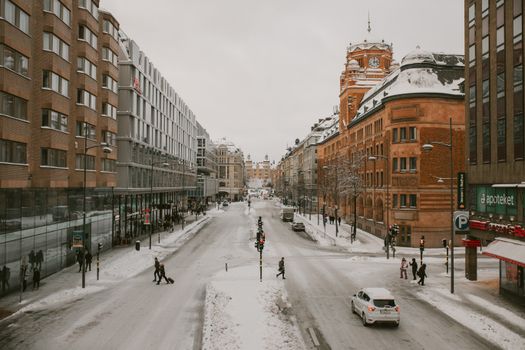
Stockholm, built on 14 islands connected by bridges, offers a unique blend of urban sophistication and natural beauty. While not entirely car-free, its extensive public transport, reliance on ferries, and the pedestrian-friendly nature of its historic Gamla Stan (Old Town) make it feel remarkably so. Winter paints this archipelago city in a magical, frosty light.
- The Vibe: Chic, festive, Scandinavian. Stockholm in winter is all about 'mysig' (cozy). Think warm, dimly lit cafes, the scent of cinnamon buns, and the sparkling lights of the city reflected on the water. Exploring Gamla Stan on foot, with its narrow, winding cobblestone streets, is pure delight.
- Insider Tip: Take a ferry to explore the archipelago – even in winter, the crisp air and stunning views are invigorating. In Gamla Stan, seek out the tiny alleyway Mårten Trotzigs Gränd, only 90cm wide! Enjoy a 'fika' (coffee break with pastries) at a traditional café.
- Authenticity: Venture beyond Gamla Stan to Södermalm for trendy boutiques and excellent restaurants. Try traditional Swedish dishes like ‘köttbullar’ (meatballs) with lingonberry sauce or a hearty fish stew. The quality of ingredients and the focus on seasonal produce are paramount.
Quick Facts: Stockholm
| Category | Details |
| :--------------- | :------------------------------------------------------------------------- |
| Estimated Cost | $$$ (Can be expensive, but smart planning can manage costs) |
| Best Time to Visit | November - February (festive markets, potential for snow, cozy atmosphere) |
| How to Get There | Fly into Stockholm Arlanda Airport (ARN). Take the Arlanda Express train to Stockholm Central Station (approx. 20 minutes). The city center is well-connected by public transport, with many areas best explored on foot or by ferry. |
The Future of Urban Tourism: Embracing the Car-Free Movement
These cities aren't just offering a unique travel experience; they are leading the charge in sustainable urban tourism. By prioritizing pedestrians, cyclists, and public transport, they are reducing their environmental impact, enhancing the quality of life for residents, and providing a more authentic, enjoyable, and memorable experience for visitors.
As we look to the future, the car-free city represents a paradigm shift. It’s about reclaiming our urban spaces, reconnecting with our surroundings, and rediscovering the simple joy of exploring a city at a human pace. This winter, why not trade the exhaust fumes for fresh air, the honking horns for the gentle sounds of water and conversation, and embark on a journey that nourishes both your soul and the planet? The perfect urban escape awaits, and it’s waiting for you, car-free.