The Car-Free City Revolution: Rediscovering Urban Magic
I stepped off the train in Bruges, and it was like stepping back in time, but with better Wi-Fi. The air wasn't thick with exhaust fumes; instead, it was a heady mix of freshly baked waffles, the faint, sweet scent of canal water, and the distant clang of a horse-drawn carriage. No honking horns, no frantic drivers – just the gentle murmur of conversation, the rhythmic clip-clop of hooves, and the joyous laughter of people truly experiencing their surroundings. This, I realized, is the future of urban tourism, and it’s already here, perfected in cities that have dared to ditch the automobile.
For too long, our city breaks have been dictated by the tyranny of the car. We navigate congested streets, hunt for expensive parking, and spend precious vacation time stuck in traffic. But a growing movement is proving that cities can thrive, and tourism can flourish, without the constant hum of engines. These car-free (or largely car-free) urban paradises offer a slower, more immersive, and infinitely more enjoyable way to explore. They invite you to wander, to get lost, to stumble upon hidden courtyards and local haunts, and to connect with a place on a deeper, more human level.
1. Venice, Italy: The Timeless Floating Masterpiece
Let's start with the undisputed queen of car-free cities: Venice. It’s an anomaly, a dream woven from water and stone. Forget the frantic search for parking; your primary mode of transport here is your own two feet, or the iconic vaporetti (water buses) and private water taxis that glide silently along the Grand Canal.
The Vibe:
Venice isn't just car-free; it's people-centric. Every corner turned reveals a new postcard-perfect vista – ancient bridges arching over shimmering canals, laundry fluttering from ornate balconies, and the hauntingly beautiful calls of gondoliers echoing through narrow alleyways. The absence of cars amplifies the city's natural soundtrack: the lapping of water, the murmur of Italian chatter, and the distant chime of church bells.
Insider Tip:
To truly escape the crowds and experience Venice's soul, wake up before dawn. The city at sunrise, bathed in soft, golden light, is pure magic. Wander through San Polo or Dorsoduro districts before the tourist throngs descend, and you'll feel like you have this extraordinary city all to yourself. Look for the tiny bacari (wine bars) that open early for a truly local breakfast of cicchetti (small snacks) and a caffè.
Quick Facts: Venice
| Category | Details |
| :--------------- | :------------------------------------------------------------------------------------------------------ |
| Estimated Cost | $$$$ (High – accommodation and dining can be pricey, but walking is free!) |
| Best Time to Visit | Spring (April-May) & Autumn (September-October) for pleasant weather and fewer crowds. |
| How to Get There | Fly into Venice Marco Polo Airport (VCE) or Treviso Airport (TSF). Take a water bus or water taxi to your accommodation. |
2. Bruges, Belgium: A Fairytale Frozen in Time
Bruges feels less like a city and more like a meticulously crafted storybook. Its UNESCO World Heritage status is well-deserved, and the fact that its historic center is largely car-free is a major contributor to its charm.
The Vibe:
Cobblestone streets wind their way between gingerbread-like guild houses, medieval churches, and tranquil canals. The air is often filled with the irresistible aroma of chocolate and the sweet, comforting scent of Belgian waffles. Horse-drawn carriages are a common sight, adding to the romantic, old-world atmosphere. It’s a city that encourages you to linger, to explore its hidden squares, and to simply soak in the ambiance.
Pro-Tip:
Rent a bike! While walking is delightful, cycling allows you to cover more ground and discover charming corners further afield. The city is incredibly flat, making it ideal for cyclists of all levels. Seek out the lesser-known canals away from the main tourist hubs for a more serene experience. Don't miss the 'Beguinage' (Begijnhof), a peaceful enclosed courtyard with whitewashed houses.
Quick Facts: Bruges
| Category | Details |
| :--------------- | :----------------------------------------------------------------------------------------------------- |
| Estimated Cost | $$ (Mid-range – affordable dining, especially if you embrace local cafes and friteries.) |
| Best Time to Visit | Spring (April-May) & Autumn (September-October) for pleasant weather. Winter offers festive charm. |
| How to Get There | Fly into Brussels Airport (BRU) and take a direct train to Bruges (approx. 1 hour). |
3. Amsterdam, Netherlands: The Cyclist's Paradise
While not entirely car-free, Amsterdam has masterfully integrated cycling and walking into its urban fabric, making it feel like a truly pedestrian and cyclist-first city.
The Vibe:
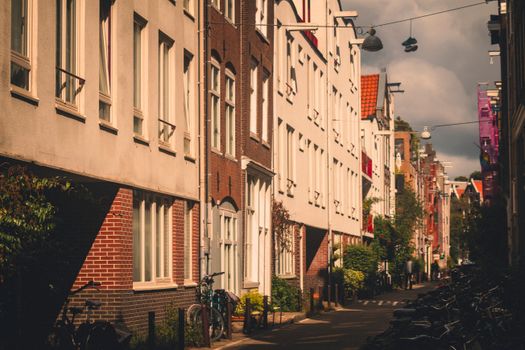
The iconic canals, lined with leaning gabled houses, are the city's arteries. The dominant sound isn't car horns, but the cheerful ding of bicycle bells and the gentle lapping of water. Amsterdam pulses with a vibrant, liberal energy, evident in its bustling markets, cozy 'brown cafes,' and world-class museums. It's a city that invites exploration by bike, by boat, or on foot.
Insider Tip:
Rent a bike from a local shop (avoid the cheapest tourist traps for better quality). Learn the local cycling etiquette – stick to the bike lanes, signal your turns, and be aware of trams. For a unique perspective, take a canal cruise during the "golden hour" just before sunset; the light reflecting off the water and buildings is breathtaking. Explore the Jordaan district for its charming streets, independent boutiques, and hidden courtyards.
Quick Facts: Amsterdam
| Category | Details |
| :--------------- | :----------------------------------------------------------------------------------------------------- |
| Estimated Cost | $$$ (Mid-to-high – accommodation and popular attractions can be expensive, but cycling is budget-friendly.) |
| Best Time to Visit | Spring (April-May) for tulip season, or Summer (June-August) for long daylight hours. |
| How to Get There | Fly into Amsterdam Airport Schiphol (AMS). Trains connect directly to the city center (approx. 15-20 mins). |
4. Giethoorn, Netherlands: The 'Venice of the North'
Often dubbed the "Venice of the North," Giethoorn is a village where the primary mode of transport is by boat or on foot across its charming wooden bridges.
The Vibe:
Picture thatched-roof farmhouses, lush gardens, and an intricate network of canals instead of roads. The only sounds are the gentle hum of electric "whisper boats," the quacking of ducks, and the rustling of leaves. It’s an incredibly peaceful and picturesque escape, perfect for those seeking a truly tranquil experience.
Pro-Tip:
Rent an electric "whisper boat" and explore the village at your own pace. Pack a picnic to enjoy by the water. Visit during the shoulder seasons (late spring or early autumn) to avoid the peak summer crowds and experience the village in its serene glory. Be mindful of local residents; this is a living village, not just a tourist attraction.
Quick Facts: Giethoorn
| Category | Details |
| :--------------- | :--------------------------------------------------------------------------------------------------- |
| Estimated Cost | $$ (Mid-range – boat rental is the main expense, but accommodation and dining can be reasonable.) |
| Best Time to Visit | Late Spring (May-June) or Early Autumn (September) for pleasant weather and fewer crowds. |
| How to Get There | Fly into Amsterdam Airport Schiphol (AMS). Take a train to Steenwijk station, then a bus (line 70) to Giethoorn. |
5. Tavira, Portugal: Algarve's Unspoiled Gem
While the wider Algarve region is known for its beaches, the charming town of Tavira offers a delightful car-free experience within its historic center.
The Vibe:
Tavira is a beautifully preserved Moorish town bisected by the Gilão River. Its historic center is a labyrinth of narrow, cobbled streets, whitewashed buildings adorned with colorful azulejo tiles, and ancient churches. The pace of life here is wonderfully slow, inviting you to wander, discover hidden plazas, and enjoy fresh seafood by the river. The nearby Ilha de Tavira, accessible by a short ferry ride, offers pristine beaches without the high-rise development of other resorts.
Insider Tip:
Explore the castle ruins for panoramic views of the town and surrounding salt pans. Cross the Roman bridge (actually medieval, but with Roman origins) and get lost in the maze of streets on the other side. Enjoy pastel de nata at a local pastelaria and savor the incredibly fresh grilled fish at one of the riverside restaurants. The ferry to Ilha de Tavira is a must for beach lovers.
Quick Facts: Tavira
| Category | Details |
| :--------------- | :-------------------------------------------------------------------------------------------------- |
| Estimated Cost | $$ (Budget-friendly – excellent value for money, especially for food and accommodation.) |
| Best Time to Visit | Spring (April-May) & Autumn (September-October) for warm, sunny weather without the summer heat. |
| How to Get There | Fly into Faro Airport (FAO). Take a train or bus to Tavira (approx. 40-50 mins). |
The Future is Walkable: Embracing Car-Free Tourism
These cities are more than just pretty places; they are pioneers. They demonstrate that prioritizing people over cars leads to:
- Enhanced Air Quality: Breathing clean, fresh air is a fundamental luxury often overlooked in traditional city breaks.
- Reduced Noise Pollution: The absence of traffic noise allows you to truly hear the heartbeat of a city – its people, its music, its natural sounds.
- Increased Safety: Pedestrians and cyclists can explore with confidence, free from the constant threat of traffic.
- Greater Authenticity: Without the visual and auditory intrusion of cars, you connect more deeply with the local architecture, culture, and daily life.
- Sustainable Travel: These destinations are at the forefront of eco-friendly tourism, offering a guilt-free escape.
As travelers, we have the power to support these sustainable models. By choosing car-free destinations, we encourage more cities to adopt these people-centric approaches, creating a more pleasant and responsible way to explore our beautiful planet. So, pack your walking shoes, leave the car keys behind, and get ready to discover the magic of car-free urban tourism – it’s an adventure you won’t regret.