The Scent of Freedom: My First Breath in a Car-Free Paradise
I stepped off the train and was immediately enveloped. Not by exhaust fumes, but by the intoxicating aroma of freshly baked bread mingling with blooming jasmine. The gentle hum of conversation, the distant chime of a tram, the rhythmic clip-clop of horse-drawn carriages – these were the sounds of a city that breathed. No blaring horns, no congested streets. Just pure, unadulterated urban life, unfolding at a human pace. It was February, the air crisp and clean, and I knew, with a certainty that settled deep in my bones, that I had found something truly special. This wasn't just a city; it was a living, breathing organism, designed for people, not for metal behemoths.
February 2026: The Dawn of a New Urban Tourism Era
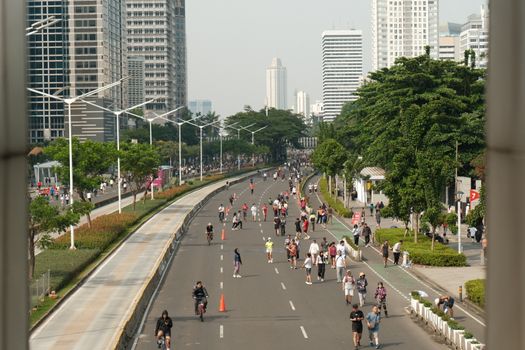
The world is waking up. As we hurtle towards February 2026, a quiet revolution is underway. Cities across the globe are rediscovering their soul, shedding the asphalt shackles of car dependency and embracing a future where urban exploration is about connection, not congestion. This isn't just a trend; it's a paradigm shift. Car-free cities are no longer niche curiosities; they are becoming the gold standard for authentic, sustainable, and utterly captivating urban tourism. They offer a sensory feast, a chance to reconnect with the rhythm of local life, and an escape from the relentless grind of the automotive age.
The Allure of the Pedestrian Pulse: Why Car-Free is the Future
Why is the car-free movement gaining such unstoppable momentum? It’s simple: it prioritizes people. Imagine wandering through ancient cobblestone alleys without the fear of being mowed down, enjoying al fresco dining without the constant drone of engines, and discovering hidden courtyards simply by following your own curiosity.
- Sensory Immersion: Without the constant visual and auditory pollution of cars, your senses are free to absorb the true essence of a place. You notice the intricate carvings on a building, the subtle variations in street art, the laughter spilling from a trattoria.
- Enhanced Safety & Well-being: Car-free zones create inherently safer environments for pedestrians and cyclists. This fosters a more relaxed and enjoyable atmosphere, reducing stress and promoting a sense of community.
- Environmental Stewardship: The most obvious benefit. Reduced car traffic means cleaner air, less noise pollution, and a significantly smaller carbon footprint. These cities are actively contributing to a healthier planet.
- Economic Revitalization: When streets are reclaimed for people, local businesses often thrive. Cafes spill onto sidewalks, boutique shops become more accessible, and public spaces become vibrant hubs for interaction and commerce.
- Authentic Cultural Connection: Car-free cities encourage slower, more mindful exploration. This leads to deeper engagement with local culture, traditions, and the everyday lives of residents.
Top Tier Destinations: Where Car-Free Dreams Come True in February 2026
February might conjure images of snow, but in many of these urban havens, it’s a time of crisp air, fewer crowds, and a unique, cozy charm. Here are the cities leading the charge, offering unparalleled car-free experiences:
1. Venice, Italy: The Timeless Floating Marvel
Pro-Tip:
For the most ethereal experience, visit St. Mark’s Square at dawn. The golden light illuminating the Basilica and Doge's Palace, with only a handful of other souls present, is pure magic.
Venice needs no introduction. It’s the OG of car-free cities, a labyrinth of canals and bridges where the only traffic is the gentle lapping of water against ancient stone. In February, the crowds thin, and the city reveals a more intimate, melancholic beauty.
- The Vibe: Romantic, timeless, utterly unique. Imagine gliding in a gondola, the only sounds the oars dipping into the lagoon and the distant call of a gondolier.
- What to Experience: Get lost in the Dorsoduro district, a haven for art lovers and local life. Indulge in cicchetti (Venetian tapas) and a glass of local wine at a bacaro. Witness the intricate glassblowing on Murano (accessible by Vaporetto).
- Insider’s Secret: Seek out the Libreria Acqua Alta, a quirky bookstore where books are stored in gondolas and bathtubs to protect them from flooding. It’s a photographer’s dream.
Quick Facts - Venice:
* Estimated Costs: $200 - $400+ per day (depending on accommodation and dining).
* Best Time to Visit (February): Early to mid-February offers the fewest crowds and crisp, cool weather.
* How to Get There: Fly into Venice Marco Polo Airport (VCE) or Treviso Airport (TSF) and take a water bus (Vaporetto) or private water taxi to your accommodation.
2. Ghent, Belgium: Medieval Majesty Meets Modern Mindset
Pro-Tip:
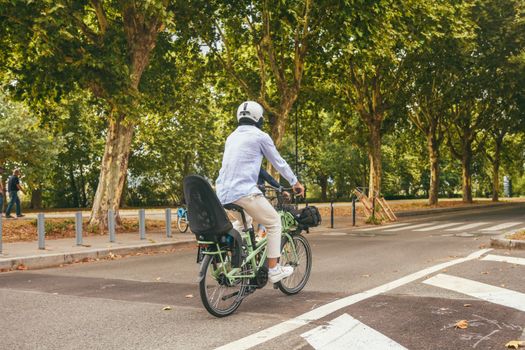
Rent a bike from your hotel or a local rental shop. Ghent is incredibly bike-friendly, and cycling along the canals as the sun sets is an unforgettable experience.
Ghent is the perfect blend of historical grandeur and progressive urban planning. Its medieval heart is largely pedestrianized, allowing you to fully appreciate the stunning architecture of the Gravensteen castle and the Belfry without distraction.
- The Vibe: Lively, artistic, surprisingly youthful. Ghent boasts a large student population, infusing the ancient city with a vibrant energy.
- What to Experience: Explore the Graslei and Korenlei, picturesque quays lining the Leie River. Visit the Ghent Altarpiece at St. Bavo's Cathedral – a true masterpiece. Sample local delicacies like waterzooi (a creamy stew) and the famous Belgian waffles.
- Insider’s Secret: Take a canal boat tour after dark. The illuminated buildings reflecting on the water create a truly magical atmosphere.
Quick Facts - Ghent:
* Estimated Costs: $150 - $300 per day.
* Best Time to Visit (February): Mid-February can be chilly but offers excellent prices and fewer tourists.
* How to Get There: Fly into Brussels Airport (BRU) and take a direct train to Ghent-Sint-Pieters station (approx. 45 minutes).
3. Funchal, Madeira, Portugal: Island Charm, Car-Free Core
Pro-Tip:
Take the cable car up to Monte for breathtaking panoramic views of Funchal. Once there, ride the traditional wicker toboggans back down – a thrilling and unique way to descend!
While Madeira is an island, its capital, Funchal, has a remarkably pedestrian-friendly and charming city center. The narrow streets, colorful buildings, and vibrant markets are best explored on foot, and the lack of heavy traffic enhances the island's relaxed allure.
- The Vibe: Tropical, relaxed, incredibly scenic. The scent of exotic flowers hangs in the air, and the ocean breeze is a constant companion.
- What to Experience: Wander through the Mercado dos Lavradores, a bustling market filled with local produce, flowers, and crafts. Explore the painted doors of the Zona Velha (Old Town). Sample Madeira wine at a local lodge.
- Insider’s Secret: Visit the Madeira Botanical Garden for an explosion of color and a peaceful escape from the city buzz.
Quick Facts - Funchal:
* Estimated Costs: $120 - $250 per day.
* Best Time to Visit (February): Pleasant temperatures make it an ideal winter escape. The famous Flower Festival often takes place in late February/early March.
* How to Get There: Fly into Funchal Airport (FNC). The city center is easily accessible by taxi or pre-booked shuttle.
4. La Rochelle, France: Coastal Elegance, Timeless Port
Pro-Tip:
Walk the ramparts of the Old Port at sunset. The views of the iconic towers and the Atlantic Ocean are spectacular, and the golden light is perfect for photos.
This historic port city on the Atlantic coast boasts a beautifully preserved old town that is largely car-free. Its arcaded streets, picturesque harbor, and maritime history make it a delight to explore on foot.
- The Vibe: Nautical, historic, sophisticated. The salty air and the cry of seagulls create an authentic maritime atmosphere.
- What to Experience: Climb the Tour de la Lanterne for panoramic views. Visit the Musée Maritime to delve into the city's seafaring past. Enjoy fresh seafood at one of the many excellent restaurants overlooking the harbor.
- Insider’s Secret: Take a ferry to the Île de Ré, a nearby island with charming villages and stunning beaches, also largely car-free.
Quick Facts - La Rochelle:
* * Estimated Costs: $140 - $280 per day.
* Best Time to Visit (February): Cooler but often sunny, with significantly fewer tourists than in summer.
* How to Get There: Fly into La Rochelle – Île de Ré Airport (LRH) or take a TGV train from Paris (approx. 3 hours).
5. Freiburg im Breisgau, Germany: Green Heart of the Black Forest
Pro-Tip:
Take a leisurely stroll along the Bächle (small streams) that run through the city's streets. Legend has it that if you accidentally step into one, you’ll end up marrying a local!
Freiburg proudly calls itself Germany's "greenest city," and its commitment to sustainability is evident in its extensive car-free zones and excellent public transport. The picturesque Old Town, with its charming cobblestone streets and colorful market square, is a joy to explore on foot.
- The Vibe: Bohemian, eco-conscious, laid-back. The atmosphere is youthful and intellectual, with a strong connection to nature.
- What to Experience: Visit the Freiburg Minster, a stunning Gothic cathedral. Explore the vibrant Münsterplatz market for local produce and artisanal goods. Take a cable car up to the Schlossberg for panoramic views of the city and the surrounding Black Forest.
- Insider’s Secret: Enjoy a traditional Käsespätzle (cheese noodles) and a local Baden wine at a cozy restaurant in the Altstadt.
Quick Facts - Freiburg:
* Estimated Costs: $130 - $260 per day.
* Best Time to Visit (February): Cold but often sunny, with a chance of snow adding to the Black Forest charm.
* How to Get There: Fly into EuroAirport Basel Mulhouse Freiburg (BSL) and take a bus or train, or fly into Stuttgart Airport (STR) and take a train (approx. 2 hours).
Navigating the Car-Free Landscape: Your Essential Toolkit
Embarking on a car-free urban adventure is an exercise in freedom and discovery. Here's how to make the most of it:
- Embrace Public Transport: These cities excel in their public transportation networks. Invest in day passes or multi-day tickets for trams, buses, and local ferries. They are efficient, affordable, and offer a local perspective.
- Pack Light, Pack Smart: You’ll be doing more walking, so a lightweight, maneuverable suitcase or backpack is key. Consider a foldable tote bag for market purchases.
- Download Offline Maps: While Wi-Fi is common, having offline maps of your destination ensures you can navigate even without a signal.
- Learn a Few Local Phrases: A simple "hello," "thank you," and "excuse me" in the local language goes a long way in fostering positive interactions.
- Stay Connected (or Disconnect!): Decide if you want to be constantly connected or embrace the opportunity to unplug. Local SIM cards or eSIMs can be cost-effective for data.
- Comfortable Footwear is Non-Negotiable: You'll be walking miles each day on varied surfaces. Prioritize comfort without sacrificing style.
- Be Open to Spontaneity: The beauty of car-free cities lies in their discoverability. Allow yourself to wander down unexpected alleys and follow intriguing sounds.
The Future is Pedestrian: Why February 2026 is Your Perfect Time
February 2026 isn't just another month; it's an invitation. An invitation to experience urban tourism in its most evolved, human-centric form. These car-free cities offer a refreshing antidote to the noise and rush of modern life. They are places where you can truly be present, where every corner turned reveals a new delight, and where the loudest sound is often your own delighted sigh.
So, as you plan your travels for the coming year, consider a destination that promises not just sights, but sensations. A place where the rhythm of life is set by footsteps, not by engines. These car-free cities are not just perfecting urban tourism; they are redefining it. And February 2026 is your golden ticket to join the movement.
---