The Unseen Symphony: Stepping into a Car-Free Dream
I stepped off the train, and the first thing that hit me wasn't exhaust fumes, but the sweet, yeasty aroma of freshly baked bread mingling with the faint, salty tang of the nearby sea. The usual city cacophony – the impatient honking, the rumble of engines – was replaced by a gentle hum: the whir of electric trams, the cheerful chatter of pedestrians, the distant cry of gulls. No cars. Not a single one. Just me, a worn leather backpack, and the intoxicating promise of a truly immersive urban experience. This wasn't a futuristic utopia; this was Venice, and it was already showing me what the future of urban tourism could – and should – be.
The Rise of the Pedestrian Paradise: Why Car-Free is the New Chic
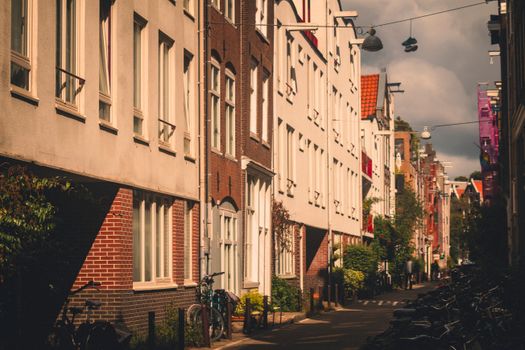
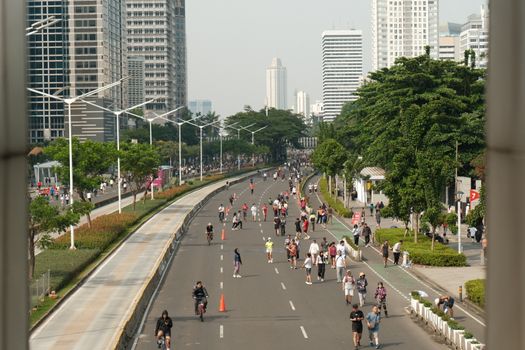
Forget the gridlock and the endless search for parking. The world is waking up to the undeniable charm and profound benefits of car-free urban environments. In January 2026, this movement isn't just a niche trend; it's the vanguard of a more sustainable, authentic, and frankly, more enjoyable way to travel. These cities are meticulously designed for human connection, not vehicular congestion. They prioritize clean air, vibrant public spaces, and a pace of life that allows you to truly feel the pulse of a place.
Think about it: no more dodging speeding taxis, no more breathing in diesel fumes while you try to admire architecture. Instead, you have wide, inviting promenades, the freedom to wander down cobblestone alleys without fear, and the serendipitous encounters that only happen when you're moving at the speed of your own two feet (or a quiet, efficient tram).
Venice: The Timeless Queen of Car-Free Charm
It’s impossible to talk about car-free cities without starting with the undisputed legend. Venice, the Serenissima, has been a car-free marvel for centuries, long before it was a conscious choice. Its labyrinthine network of canals, crossed by over 400 bridges, dictates its rhythm.
Insider Scoop:
Forget the vaporetto crowds for a moment. The real magic of Venice unfolds in the early morning. Pro-Tip: Wake before dawn (around 6:00 AM) and take a solo wander through San Polo or Dorsoduro. The light is ethereal, the silence profound, and you might even catch a gondoliere practicing their art. The scent of pastries wafting from a pasticceria will be your only companion.
The beauty here isn't just in the grand architecture of St. Mark's Square, but in the peeling paint of a hidden bacaro (wine bar), the intricate patterns of the lace sold in Burano (a short, scenic traghetto ride away), and the sheer ingenuity of a city built on water.
Quick Facts: Venice
- Estimated Costs: $150 - $300+ per day (Accommodation, food, activities, vaporetti).
- Best Time to Visit: January offers fewer crowds and crisp, clear air, perfect for exploring. Shoulder seasons (April-May, Sept-Oct) are also ideal.
- How to Get There: Fly into Venice Marco Polo Airport (VCE) or Treviso Airport (TSF). From the airport, take a water bus (Alilaguna) or a private water taxi directly into the city. The train station (Venezia Santa Lucia) is also right on the Grand Canal.
Giethoorn, Netherlands: The "Venice of the North" Where Boats Replace Cars
If Venice feels a little too grand, picture this: a village where the only "roads" are shimmering canals. Giethoorn, nestled in the Dutch province of Overijssel, is that idyllic reality. This charming village has intentionally shunned roads for centuries, relying on its extensive network of waterways, connected by over 170 wooden bridges.
Insider Scoop:
Renting a whisper boat (an electric-powered punt) is the quintessential Giethoorn experience. Pro-Tip: Book your boat in advance, especially if visiting during peak season. Aim for a smaller, quieter canal early in the morning to truly soak in the tranquility. Look for the thatched-roof farmhouses with their perfectly manicured gardens – each one a postcard.
The air here is cleaner, the sounds are softer – the gentle lapping of water against the boat, the distant bleating of sheep, the rustle of reeds. It’s a step back in time, a place where life moves at the gentle pace of a slow boat ride.
Quick Facts: Giethoorn
- Estimated Costs: $80 - $150 per day (Accommodation, boat rental, food).
- Best Time to Visit: January offers a serene, frosty beauty, though many attractions may have reduced hours. Spring and autumn are glorious.
- How to Get There: Fly into Amsterdam Schiphol Airport (AMS). Take a train to Steenwijk or Zwolle, then a bus (line 70) to Giethoorn.
La Maddalena Archipelago, Italy: Island Paradise, Car-Free Bliss
For a truly unique car-free experience that combines stunning natural beauty with charming Italian island life, head to the La Maddalena Archipelago in Sardinia. While individual islands have limited car access, the main town of La Maddalena itself is largely car-free, with a focus on pedestrian exploration and electric golf carts or scooters for getting around.
Insider Scoop:
The real draw here is hopping between islands via ferry and exploring hidden coves. Pro-Tip: Hire a small electric boat for a day and navigate yourself to secluded beaches like Cala Coticcio on Caprera (a short bridge away from La Maddalena). Pack a picnic with local Sardinian specialties – pecorino cheese, cured meats, and a bottle of Vermentino. The scent of wild rosemary and the turquoise water will be unforgettable.
This isn't just about avoiding cars; it's about embracing a slower, more connected way of experiencing nature. The air is pure, scented with pine and salt, and the soundtrack is the gentle lapping of waves against ancient granite rocks.
Quick Facts: La Maddalena Archipelago
- Estimated Costs: $100 - $200 per day (Accommodation, ferries, boat rental, food).
- Best Time to Visit: January offers a peaceful escape with milder temperatures than the summer heat, though expect fewer services. Late spring and early autumn are ideal.
- How to Get There: Fly into Cagliari (CAG) or Olbia Costa Smeralda Airport (OLB) in Sardinia. Take a bus or rental car to Palau, then a ferry to La Maddalena town.
Freiburg, Germany: A Model of Sustainable Urban Living
Freiburg im Breisgau, often hailed as Germany's "green capital," is a shining example of a city that has consciously integrated car-free zones and sustainable transport into its urban fabric. While not entirely car-free, its meticulously planned city center is a pedestrian's dream, interwoven with an excellent tram system and extensive cycling paths.
Insider Scoop:
The historic Münsterplatz, surrounding the magnificent Freiburg Minster, is the heart of the city. Pro-Tip: Visit the Münster on a Saturday morning for the bustling weekly market. Sample local produce, admire the colorful stalls, and listen to the lively chatter. The aroma of grilled sausages and fresh flowers fills the air. Look for the Bächle – small water channels running through the streets that help cool the city.
Freiburg offers a perfect blend of historical charm and modern sustainability. You can easily spend days exploring its pedestrian zones, enjoying its vibrant café culture, and taking advantage of its proximity to the Black Forest for nature escapes.
Quick Facts: Freiburg
- Estimated Costs: $90 - $180 per day (Accommodation, public transport, food, activities).
- Best Time to Visit: January can be chilly but offers a charming Christmas market atmosphere if you time it right. Spring and autumn are delightful.
- How to Get There: Fly into EuroAirport Basel Mulhouse Freiburg (BSL/MLH/EAP) or Stuttgart Airport (STR). Freiburg Hauptbahnhof (main train station) is well-connected by ICE trains.
Sifnos, Greece: Cycladic Serenity on Foot
For those seeking a car-free escape with a distinctly Mediterranean flair, the Greek island of Sifnos offers an authentic and tranquil experience. While small cars and scooters are present, the island's charm lies in its interconnected network of villages, ancient walking trails, and the simple pleasure of exploring on foot.
Insider Scoop:
The village of Kastro, perched dramatically on a cliff overlooking the Aegean Sea, is a must-see. Pro-Tip: Wander through its narrow, winding alleys just before sunset. The whitewashed houses, adorned with vibrant bougainvillea, glow in the golden light. The air is thick with the scent of wild thyme and the distant sound of waves crashing below. Find a small taverna and savor the local revithada (slow-cooked chickpea stew).
Sifnos is about embracing the slow life. Hike between villages like Apollonia and Artemonas, discover secluded beaches, and let the rhythm of the island guide you.
Quick Facts: Sifnos
- Estimated Costs: $90 - $170 per day (Accommodation, ferries, food, occasional scooter rental).
- Best Time to Visit: January offers a truly authentic experience with very few tourists, though many businesses will be closed. Spring (April-May) and Autumn (September-October) are perfect.
- How to Get There: Fly into Athens International Airport (ATH). Take a ferry from Piraeus port to Sifnos (journey time varies from 3-5 hours).
The Future is Now: Planning Your Car-Free Urban Adventure in 2026
As we look towards January 2026, the appeal of car-free cities is only set to grow. These destinations aren't just about avoiding traffic; they're about embracing a more mindful, immersive, and sustainable way to travel. They offer a chance to reconnect with the essence of a place, to engage with locals, and to experience the simple joy of discovery at your own pace.
Whether you're drawn to the timeless canals of Venice, the picturesque waterways of Giethoorn, the island allure of La Maddalena, the green ethos of Freiburg, or the Cycladic charm of Sifnos, a car-free adventure awaits. Pack your walking shoes, open your senses, and prepare to be captivated. The future of urban tourism is here, and it's beautifully, blissfully car-free.