The Car-Free Revolution: Breathing New Life into Urban Exploration
I stepped off the ferry and into a different world. The air, usually a symphony of honking horns and rumbling engines, was instead alive with the gentle murmur of conversation, the distant chime of a church bell, and the faint, sweet scent of blooming jasmine mingling with freshly baked bread. No asphalt arteries choked with metal beasts, just cobblestone pathways winding through centuries-old buildings painted in hues of ochre and terracotta. This was Venice, and it was a revelation. For too long, our urban explorations have been dictated by the tyranny of the automobile, forcing us to experience cities through a car window, a sterile, disconnected view. But a seismic shift is happening. This year, the most exciting, authentic, and downright delightful urban tourism experiences are emerging in cities that have dared to reclaim their streets, transforming them into pedestrian paradises.
Why Car-Free is the Future of Urban Wanderlust
The concept isn't entirely new, of course. Venice has been a car-free marvel for centuries. But what's emerging now is a conscious, widespread movement. Cities are actively designing and implementing policies to reduce or eliminate private vehicle traffic, prioritizing people over pollution. This isn't just about aesthetics; it's about creating more livable, breathable, and enjoyable urban environments for both residents and visitors. Imagine:
- Unparalleled Sensory Immersion: Without the constant drone of traffic, you can truly hear a city. The street musician's soulful saxophone solo, the clatter of espresso cups on a cafe terrace, the laughter spilling from an open window – these are the authentic sounds of urban life that often get drowned out. You can also smell the city. The rich aroma of roasting coffee, the delicate perfume of a flower market, the savory promise of a trattoria's evening specials.
- Authentic Encounters: When you're walking, you’re naturally more observant. You notice the intricate details of a building's facade, the vibrant colors of a local market, the friendly nod of a shopkeeper. You’re more likely to strike up a conversation, discover a hidden artisan workshop, or stumble upon a charming, un-touristed piazza.
- Healthier and Happier Travel: It’s a no-brainer. More walking means more exercise, more fresh air, and a reduced carbon footprint. This translates to a more invigorating and guilt-free travel experience.
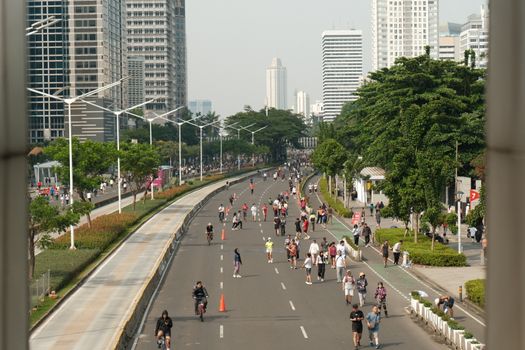
- Revitalized Urban Spaces: Car-free zones often become vibrant hubs of activity. Streets once dedicated to parking transform into bustling public squares, outdoor dining areas, and lively markets. This fosters a stronger sense of community and creates a more dynamic, engaging atmosphere for tourists.
Emerging Stars: Cities Perfecting the Car-Free Experience
While Venice remains the undisputed queen, a new wave of cities is embracing the car-free ethos with innovative strategies and a focus on enhancing the visitor experience. These are the destinations that are truly perfecting urban tourism this year:
1. Giethoorn, Netherlands: The "Venice of the North" with Duckweed Dreams
Forget gondolas; here, it's all about the "whisper boat." Giethoorn is a fairytale village where the primary mode of transport is via its network of canals. There are virtually no roads within the old village center.
- The Vibe: Idyllic, serene, and utterly charming. Think thatched-roof farmhouses, impossibly green gardens, and wooden bridges at every turn. It feels like stepping into a Dutch Masters painting.
- What to Do: Rent an electric "whisper boat" (so named for their quiet motors) and navigate the canals at your own pace. Wander the footpaths, cross the charming bridges, and soak in the peaceful atmosphere. Visit the local museums to understand the village's unique history.
- Insider Tip: Visit on a weekday morning, especially outside of peak summer. The magic is amplified when the crowds are thin, allowing you to truly appreciate the tranquility. The best boat rental places are often a short walk from the main parking areas outside the village – ask locals for the best recommendations.
- Pro-Tip: Pack a picnic! Many of the canal-side benches offer stunning views. Grab some local cheese and stroopwafels from a nearby bakery for the ultimate Dutch feast.
Quick Facts: Giethoorn
| Category | Details | Estimated Cost ($) | Best Time to Visit | How to Get There |
| :--------------- | :--------------------------------------------------------------------------- | :----------------- | :----------------- | :------------------------------------------------------------------------------------------------------------- |
| Accommodation | Guesthouses, B&Bs, holiday homes | $100 - $250/night | Spring, Autumn | Fly into Amsterdam Schiphol (AMS). Train to Steenwijk or Zwolle, then a bus or taxi to Giethoorn. |
| Activities | Boat rental, museum entry, walking | $30 - $70/day | | |
| Food | Local cafes, bakeries, restaurants | $40 - $80/day | | |
| Getting Around | Walking, whisper boat | Included with boat | | |
| Overall Budget | $170 - $400 per day (excluding flights) | | | |
2. Fes el-Bali, Morocco: A Labyrinth of Ancient Wonders
Stepping into Fes el-Bali, the ancient medina of Fes, is like stepping back in time. This UNESCO World Heritage site is one of the world's largest car-free urban areas, a sprawling, intoxicating maze of narrow alleyways, bustling souks, and hidden riads.
- The Vibe: Ancient, bustling, and overwhelmingly atmospheric. The air is thick with the scent of spices, leather, and mint tea. The sounds of hammering metal, calls to prayer, and merchants hawking their wares create a vibrant, living tapestry.
- What to Do: Get lost (intentionally!). Explore the famous tanneries (the smell is intense but unforgettable), marvel at the intricate tilework of the madrasas, haggle for treasures in the souks, and savor a traditional tagine in a hidden courtyard restaurant.
- Insider Tip: Hire a licensed local guide for your first day. They know the medina like the back of their hand and can navigate you through the labyrinth while sharing invaluable historical and cultural insights. Without one, you're guaranteed to get lost, which can be fun, but a guide ensures you see the highlights and avoid any potential scams.
- Pro-Tip: The best time to visit the tanneries for the most vivid colors and activity is mid-morning. Ask your guide to take you to a less touristy viewpoint for a more authentic experience. Look for the mint sprigs offered to mask the pungent aroma – a true sign of an experienced guide!
Quick Facts: Fes el-Bali
| Category | Details | Estimated Cost ($) | Best Time to Visit | How to Get There |
| :--------------- | :-------------------------------------------------------------------------- | :----------------- | :----------------- | :-------------------------------------------------------------------------------------------------------------------------------------------- |
| Accommodation | Riads (traditional guesthouses), hotels | $80 - $200/night | Spring, Autumn | Fly into Fes–Saïs Airport (FEZ). Taxi to the medina entrance (Bab Bou Jeloud). Your riad will usually arrange a porter to help with luggage. |
| Activities | Guided tours, souk shopping, madrasa visits, tannery visits | $50 - $100/day | | |
| Food | Street food, local cafes, traditional restaurants | $30 - $70/day | | |
| Getting Around | Walking, donkeys (for luggage transport) | Included with guide | | |
| Overall Budget | $160 - $370 per day (excluding flights) | | | |
3. Hydra, Greece: Island Elegance, Donkey Power
This Saronic Gulf gem is a vision of whitewashed cubist houses cascading down to a sapphire sea. What makes Hydra truly special? No cars, no motorbikes, just the gentle clip-clop of donkeys and the rhythm of footsteps on stone.
- The Vibe: Chic, sophisticated, and utterly romantic. It's a place where time seems to slow down, perfect for leisurely strolls, sunset cocktails, and soaking up the Mediterranean sun.
- What to Do: Wander the picturesque harbor, explore the narrow, winding streets lined with art galleries and boutiques, hike to the monasteries perched on the hillsides, and swim in the crystal-clear waters at one of the many rocky coves.
- Insider Tip: Don't underestimate the power of a donkey taxi for your luggage when you first arrive. The harbor can get crowded, and the paths can be steep. It's part of the Hydra experience!
- Pro-Tip: For a truly local experience, head to the western side of the island near Kaminia. The tavernas here are more traditional, and the swimming spots are less crowded. The walk is beautiful, and the reward is worth it.
Quick Facts: Hydra
| Category | Details | Estimated Cost ($) | Best Time to Visit | How to Get There |
| :--------------- | :---------------------------------------------------------------------- | :----------------- | :----------------- | :------------------------------------------------------------------------------------------------------------------------------------------------------------------------------------- |
| Accommodation | Boutique hotels, guesthouses, villas | $120 - $300/night | Late Spring, Early Autumn | Fly into Athens International Airport (ATH). Take a taxi or metro to the port of Piraeus. Ferry to Hydra (approx. 1.5-2 hours). |
| Activities | Walking, swimming, boat trips, museum visits, art gallery hopping | $40 - $80/day | | |
| Food | Seafood tavernas, cafes, bakeries | $50 - $100/day | | |
| Getting Around | Walking, donkeys, water taxis | $20 - $50/day | | |
| Overall Budget | $210 - $530 per day (excluding flights) | | | |
4. La Maddalena Archipelago, Italy: Sardinia's Car-Free Coastal Paradise
While the main island of La Maddalena has some roads, the true car-free magic lies in exploring the smaller islands and the car-free zones within the main town itself. This archipelago off the coast of Sardinia is a haven of turquoise waters and pristine beaches.
- The Vibe: Laid-back, sun-drenched, and utterly Mediterranean. Think vibrant Italian chatter, the salty tang of the sea, and the scent of wild herbs wafting from the hills.
- What to Do: Hop on ferries to explore islands like Spargi and Caprera, famous for their breathtaking beaches like Cala Coticcio (Tahiti Beach). Rent a small boat (no license needed for many) to discover secluded coves. In La Maddalena town, explore the historic center on foot, enjoying gelato and sea views.
- Insider Tip: The best beaches are often accessible by foot after a short boat ride or a scenic hike. Pack comfortable shoes and plenty of water. Don't be afraid to explore beyond the main tourist hubs – the hidden gems are truly spectacular.
- Pro-Tip: To truly experience the car-free allure, consider staying on one of the smaller islands like Spargi if accommodation is available, or focus your exploration on foot and by boat from La Maddalena town. The panoramic road on La Maddalena itself is stunning, but the real charm is found when you disembark.
Quick Facts: La Maddalena Archipelago
| Category | Details | Estimated Cost ($) | Best Time to Visit | How to Get There |
| :--------------- | :--------------------------------------------------------------------------- | :----------------- | :----------------- | :------------------------------------------------------------------------------------------------------------------------------------------------------------------------------------- |
| Accommodation | Hotels, apartments, B&Bs on La Maddalena and Caprera | $100 - $250/night | May - September | Fly into Olbia Costa Smeralda Airport (OLB) in Sardinia. Drive or take a bus to Palau, then a short ferry to La Maddalena. Ferries also run from La Maddalena to other islands. |
| Activities | Boat rentals, ferry tickets, beach hopping, hiking, town exploration | $60 - $120/day | | |
| Food | Seafood restaurants, pizzerias, cafes | $50 - $90/day | | |
| Getting Around | Walking, ferries, small boat rentals, limited local buses on main islands | $30 - $80/day | | |
| Overall Budget | $210 - $440 per day (excluding flights) | | | |
5. The Faroe Islands: Raw Beauty, Unspoiled Terrain
While not a single "city," the Faroe Islands as a whole are a testament to car-free exploration, especially when it comes to accessing their dramatic natural wonders. The main towns are small and easily navigable on foot, and the true adventure lies in reaching the remote villages and breathtaking viewpoints.
- The Vibe: Wild, dramatic, and breathtakingly raw. Imagine emerald green cliffs plunging into a stormy sea, mist-shrouded mountains, and tiny, colorful villages clinging to the coast. The air is crisp and clean, carrying the scent of salt and damp earth.
- What to Do: Hike to iconic spots like the Múlafossur waterfall, explore the charming capital of Tórshavn on foot, visit picturesque villages like Saksun and Gjógv, and take in the stunning coastal scenery.
- Insider Tip: Many of the most spectacular sights require hiking. Invest in good waterproof hiking boots and layers of clothing. The weather can change in an instant, and embracing it is part of the Faroese experience.
- Pro-Tip: To access some of the more remote villages and viewpoints, you might need to rely on local buses or pre-booked tours. However, the essence of the Faroe Islands is in the journey, so even if you rent a car for longer distances, prioritize walking and exploring on foot within the villages and at your destinations.
Quick Facts: Faroe Islands (focus on car-free exploration)
| Category | Details | Estimated Cost ($) | Best Time to Visit | How to Get There |
| :--------------- | :--------------------------------------------------------------------------- | :----------------- | :----------------- | :--------------------------------------------------------------------------------------------------------------------------------------------------------------------------- |
| Accommodation | Hotels, guesthouses, Airbnb in Tórshavn and smaller villages | $100 - $250/night | Summer | Fly into Vágar Airport (FAE). Local buses connect the airport to Tórshavn and other major towns. Walking is key in Tórshavn and smaller villages. |
| Activities | Hiking, village exploration, scenic walks, boat trips (weather permitting) | $50 - $100/day | | |
| Food | Cafes, restaurants in Tórshavn, local produce | $50 - $90/day | | |
| Getting Around | Walking (in towns/villages), local buses, ferries between islands | $30 - $70/day | | |
| Overall Budget | $230 - $490 per day (excluding flights) | | | |
Planning Your Car-Free Urban Adventure
The beauty of car-free cities is that they often force a slower, more intentional pace of travel. Here’s how to make the most of it:
- Embrace the Journey: Getting to these places might involve trains, ferries, or buses. See it as part of the adventure, not a chore.
- Pack Light and Smart: You'll be doing more walking, so a heavy suitcase will be your enemy. Think comfortable shoes, versatile clothing, and essentials.
- Book in Advance: Especially for popular car-free destinations like Venice or Giethoorn, booking accommodation and key activities (like guided tours or boat rentals) ahead of time is crucial.
- Stay Connected (or Disconnected): While Wi-Fi is generally available, consider the joy of truly immersing yourself without constant digital distractions. Download offline maps if needed.
- Learn a Few Local Phrases: A simple "grazie," "merci," or "efcharisto" goes a long way in fostering connection.
The Future is Pedestrian
These car-free havens are more than just travel destinations; they are living laboratories for a more sustainable, human-centric approach to urban living and tourism. They remind us that the most profound travel experiences often come from slowing down, engaging our senses, and connecting with the soul of a place. So, this year, step off the beaten path and into the vibrant, car-free heart of urban tourism. Your senses will thank you.
---