Beekeeping experiences have become a popular way for travelers to learn about pollinators, local food and rural craft. A typical visit might include a walk among hives, an explanation of how colonies are organized, and a tasting of honey from different flowers or seasons. Some operators also run workshops on candle making, mead or beeswax products. Because bees are sensitive to disturbance and weather, the best experiences are usually well organized, calm and clearly explained.
This article describes what visitors can usually expect, how to recognize a responsible operator and how to make the most of a honey tasting. Specific offerings vary widely between regions, so details should always be confirmed with the operator before booking.
What a Beekeeping Experience Usually Includes
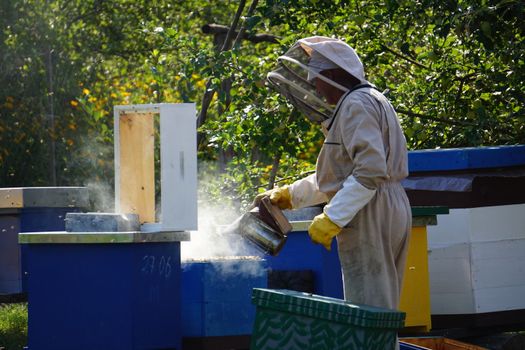
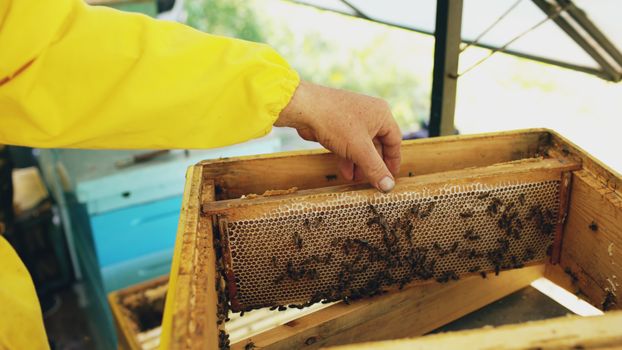
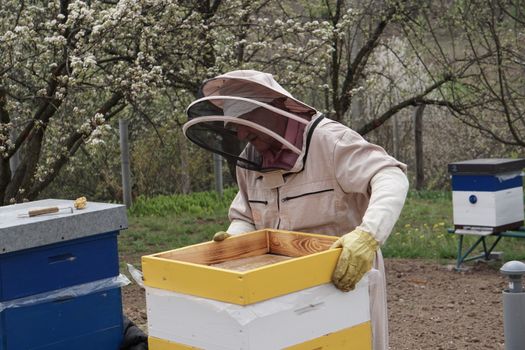
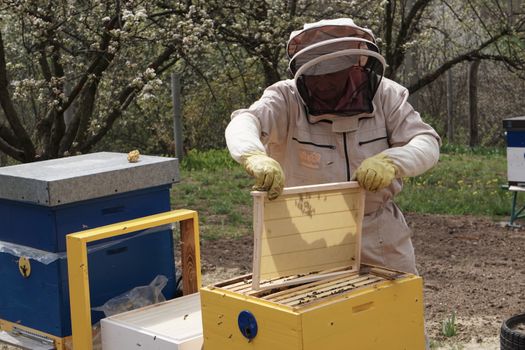
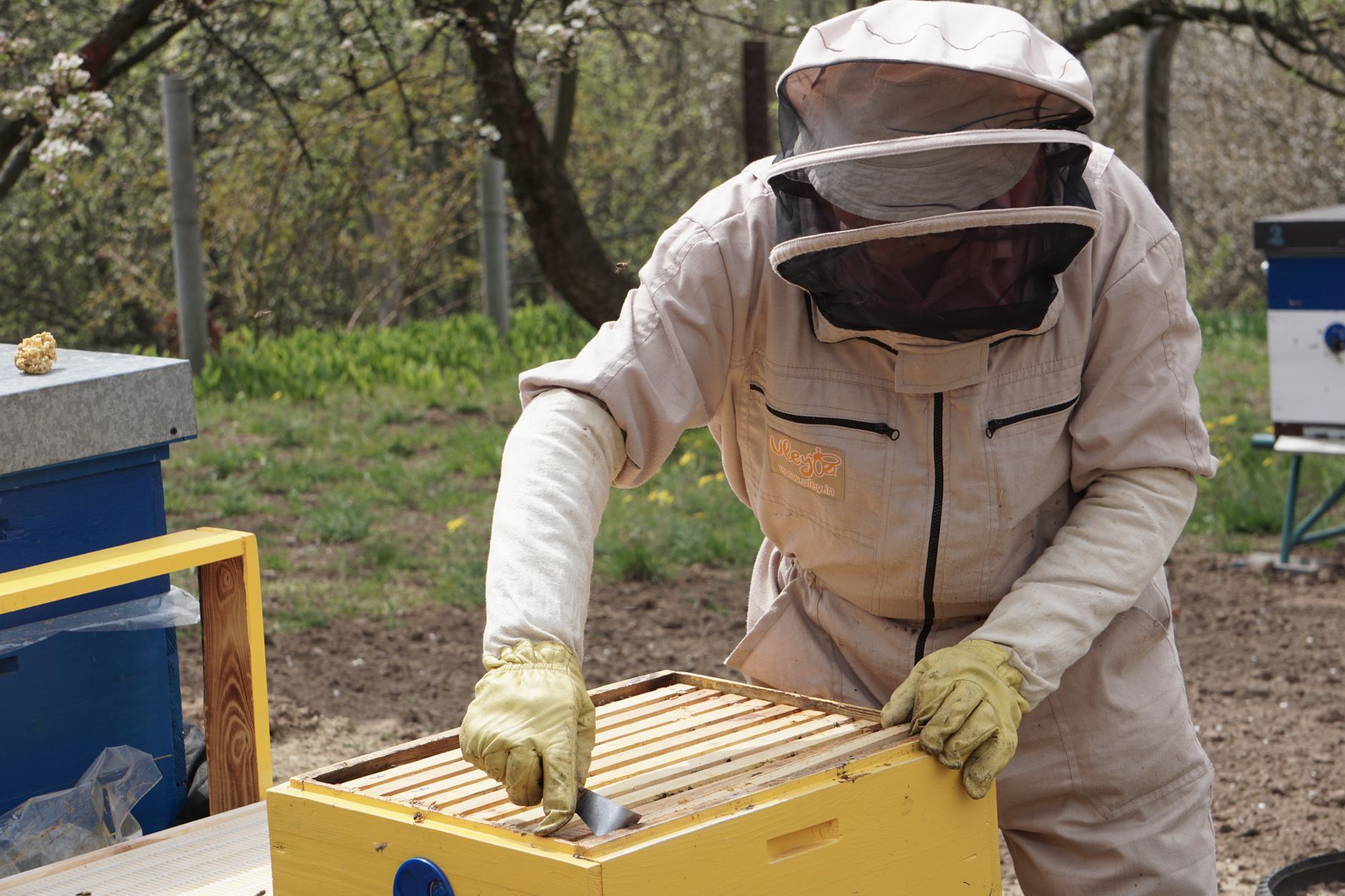
Most sessions begin with a short introduction to the apiary, the honeybee's role in pollination and the basics of colony life. Guides often explain the roles of worker bees, drones and the queen, and why colonies are inspected at intervals during the warmer months. In hands-on sessions, participants may be shown how to handle a frame with supervision, although this depends on the weather, the colonies' temperament and local rules.
Some operators offer observation-only visits where guests watch from a distance. These can be suitable for people who are uneasy around insects, children or visitors with allergies. Ask in advance which format is offered and whether protective clothing is provided.
Honey Tasting and What to Look For
A honey tasting is a chance to notice how flavor and color vary. Honey made from clover, wildflowers, lavender, heather or chestnut blossom can differ in sweetness, aroma and texture. Some honeys are liquid, while others crystallize naturally over time, which is normal and does not indicate spoilage. Tasting usually works best when samples are offered from mild to strong, and water or plain bread is offered to cleanse the palate.
Good guides explain how the honey was produced and harvested, including whether it is raw, filtered or heated. They should be able to say where the honey came from, which flowers the bees visited if known, and how it is stored. Honey is generally sold in sealed jars, so ask about labeling and how to keep it once you take it home.
Bee-Friendly Practices and Ethics
Responsible beekeeping prioritizes colony health. Operators typically limit disturbance, avoid inspections in cold or wet weather and leave enough honey in the hive for the colony to survive the season. Feeding practices, treatments for pests and diseases, and the maintenance of hives all affect welfare. Ask how the operator approaches pest management and whether they use sustainable methods, though technical terms should be explained in plain language during the visit.
Bee-friendly sites may also grow flowering plants or leave areas of wild habitat. Visitors can support these efforts by staying calm around hives, keeping food covered and following the guide's instructions about where to stand.
Choosing a Well-Run Session
Look for operators who describe their sessions clearly, provide information about group size and offer protective equipment. Booking through a recognized local tourism office or an established apiary is a reasonable starting point. Read reviews for comments about guide knowledge, pacing and whether the session matched the description. Ask about allergies, since stings can be a serious risk for some people, and confirm whether emergency medical advice is available nearby.
Check the season as well. Visits are often most active during warmer months when colonies are foraging, while winter sessions may focus on indoor talks or honey and wax products. Booking a time when the operator is fully active can make the experience more informative.
Practical Tips
Wear light-colored, long-sleeved clothing and closed shoes, and avoid strong perfumes or aftershave, which can attract insects. Tell the guide about any allergies before the session begins. Stay calm and move slowly around hives. If you plan to buy honey, check whether it is pasteurized or raw and how it should be stored. Keep to the group and follow instructions about photography, as some operators restrict cameras near colonies.
Common Mistakes to Avoid
A common error is assuming that every honey tasting is the same. Honey varies with the flowers, the region and the season, so a tasting in one place may not resemble another. Visitors also sometimes judge honey by its color or texture alone, when aroma and flavor often tell a more useful story. Another mistake is arriving in strongly scented clothing or with food that attracts insects, which can make the session less comfortable for everyone involved.
Some people overlook the rules of the apiary. Operators may ask guests to stand in particular places, avoid sudden movements or keep away from certain hives, and these instructions exist for the safety of both visitors and bees. Avoid touching frames or equipment unless invited, and do not assume that photography is allowed everywhere. Finally, a bargain price is not always the best guide to quality. A slightly higher fee can reflect smaller groups, more time with a knowledgeable guide and better care for the colonies.
Frequently Asked Questions
Is crystallized honey still good to eat?
Yes. Crystallization is a natural process that happens in many honeys over time. It changes texture rather than safety, and gentle warming can return honey to a more liquid state, though overheating can affect flavor.
Can children take part in a beekeeping visit?
Many operators welcome children, but they often ask that younger guests stay close to an adult and follow instructions carefully. Check the minimum age for hands-on activities and whether protective clothing is provided in smaller sizes.
What should I do if I am worried about stings?
Tell the operator in advance, and ask whether a first aid kit and emergency guidance are available nearby. People with known severe allergies should carry any prescribed medication and speak with a medical professional before attending.
Beekeeping experiences and honey tastings combine education with local flavors and a chance to see a small but vital part of agriculture. Choosing an operator that values colony welfare and clear communication makes for a visit that is both safe and genuinely informative.