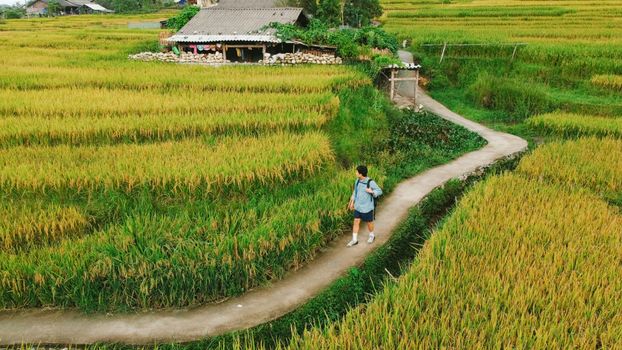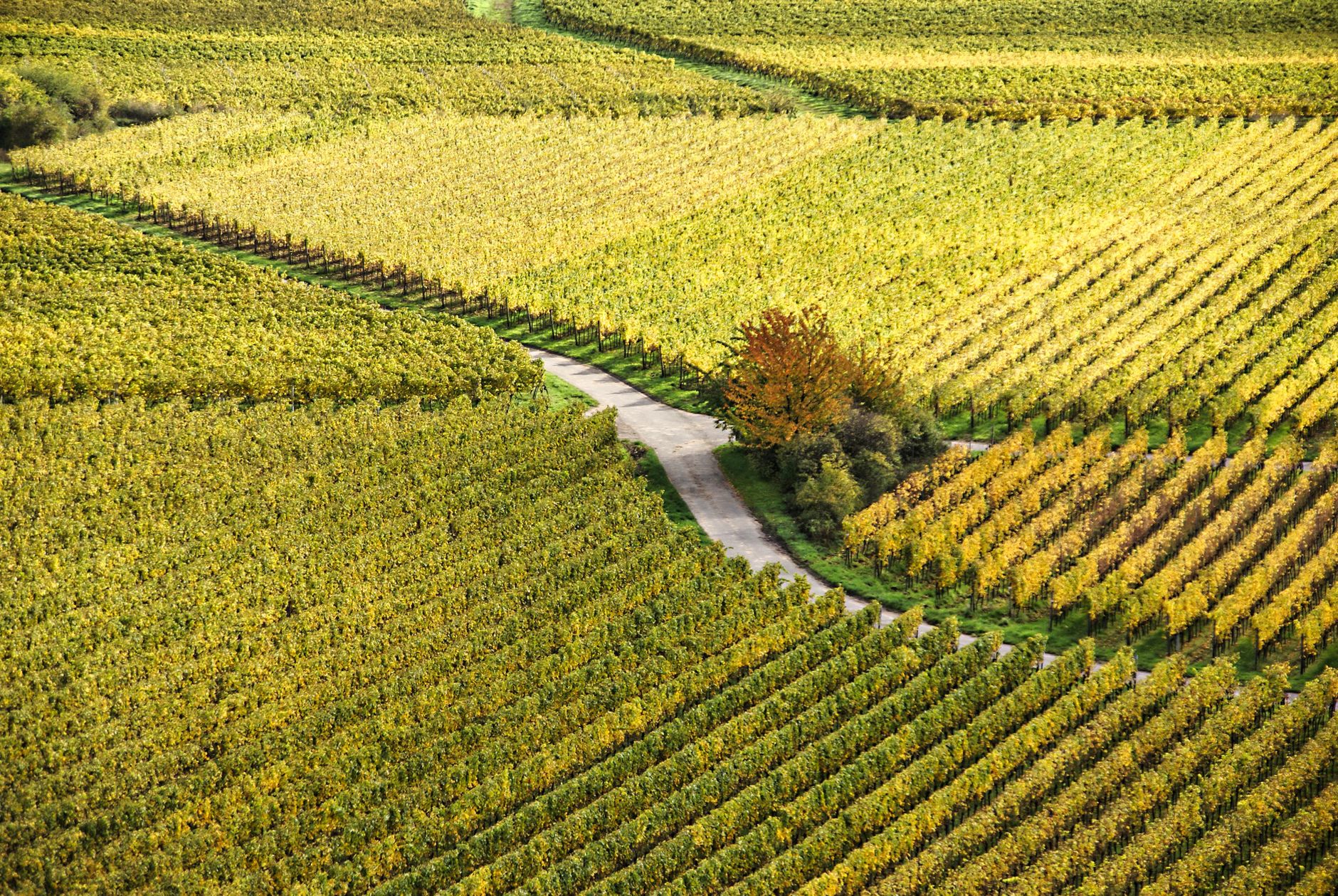
The crisp air, the golden light, the scent of woodsmoke and ripening fruit – autumn isn't just a season; it's a feeling, a profound sense of abundance and change. For years, I chased autumn foliage like a madwoman, camera in hand, admiring the beauty from afar. But one year, I stumbled upon something far more profound: actively participating in the harvest. It wasn't just a trip; it was an awakening. My hands, sticky with grape juice, my boots muddy from a truffle hunt, my senses alive with the scent of fresh olive oil – these weren't just moments; they were memories etched deep into my soul.
We live in a world that often distances us from where our food comes from, from the rhythms of nature. But imagine reconnecting, getting your hands dirty, and truly experiencing the joy and labor of bringing in the bounty. This isn't just about picking fruit; it's about connecting with local culture, learning ancient traditions, and tasting the freshest flavors imaginable. It's about travel that transcends the ordinary, leaving you with stories that will make your friends green with envy.
So, if you're ready to trade your leaf-peeping binoculars for a pair of pruning shears or a truffle dog, here are 7 autumn harvests you absolutely need to experience before you kick the bucket. Trust me, your taste buds and your soul will thank you.
1. The Dionysian Dance: Grape Harvest & Wine Making in Europe
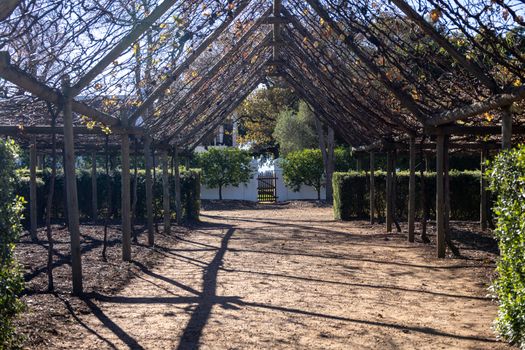
Is there anything more iconic than the grape harvest? For centuries, wine regions across Europe have come alive in late summer and early autumn as vineyards burst with ripe fruit. This isn't just a task; it's a celebration, a tradition steeped in joy and hard work.
My first grape harvest was in Tuscany, Italy. I’d booked a stay at a charming agriturismo near Montepulciano, not knowing they offered guests the chance to participate. One morning, the farmer, a jovial man named Marco, handed me a basket and a pair of shears. The sun was just beginning to warm the rows, and the air hummed with the buzz of insects and the chatter of other volunteers. We spent hours meticulously snipping clusters of Sangiovese grapes, the sweet scent filling the air. Later, in a rustic cellar, I even got to try pigiando l'uva – grape stomping! Squishing the cool, slippery grapes between my toes was surprisingly therapeutic and utterly hilarious. It wasn't just making wine; it was feeling a part of something ancient, something communal.
Where to Go:
* Italy: Tuscany, Piedmont (Barolo, Barbaresco), Veneto (Prosecco), Sicily. Many agriturismo properties offer harvest experiences.
* France: Bordeaux, Burgundy, Champagne, Rhône Valley. Look for smaller, family-run vineyards or specialized tour operators.
* Spain: La Rioja, Ribera del Duero, Penedès (Cava).
* Portugal: Douro Valley.
When to Go:
Generally late August to October, depending on the region and grape variety. Always check specific vineyard schedules.
What to Expect:
Early mornings, physical work (bending, lifting), camaraderie, vineyard tours, wine tastings, delicious regional meals. Some experiences include grape stomping, cellar tours, and even basic winemaking lessons.
Cost:
Varies wildly. Some small farms might offer participation for free in exchange for accommodation or meals. Dedicated harvest tours or luxury experiences can range from €100-€500+ per day, often including meals and accommodation. For instance, Agriturismo Fattoria di Maiano near Florence might offer programs starting around €150 for a day experience.
Tripsora Tip:
Contact smaller, family-run vineyards directly or use platforms like WWOOF (World Wide Opportunities on Organic Farms) for longer, immersive stays where you exchange labor for room and board. Search for "vendemmia esperienza" in Italy or "vendanges participation" in France.
2. The Elusive Treasure: Truffle Hunting in Italy or France
If the grape harvest is a joyful dance, truffle hunting is a thrilling, secretive quest. Imagine walking through a misty forest, the earthy smell of damp leaves underfoot, guided by a trained dog whose nose is worth more than gold. This is an experience that awakens your primal hunter-gatherer instincts.
My truffle hunt took me to the rolling hills of Piedmont, Italy, famous for its prized white truffles. Our guide, Angelo, and his trusty Lagotto Romagnolo, Luna, led us deep into a silent woodland. Luna, a blur of happy energy, sniffed intently, her tail wagging furiously. Suddenly, she started digging, a frantic blur of paws. Angelo quickly intervened, gently unearthing a small, knobby, incredibly fragrant white truffle. The aroma was intoxicating – a mix of garlic, musk, and pure earth. It was like finding buried treasure, a moment of pure magic that instantly made me understand why these fungi command such astronomical prices.
Where to Go:
* Italy: Piedmont (Alba for white truffles), Umbria, Le Marche, Tuscany.
* France: Provence (Vaucluse region for black truffles), Périgord.
* Croatia: Istria (known for both black and white truffles).
When to Go:
* White Truffles: Late September to December (prime season).
* Black Truffles: Winter (late November to March) is main season, but some varieties are found year-round.
What to Expect:
Early morning starts, walking through forests (wear sturdy shoes!), observing the dogs at work, learning about truffle types, and often, a truffle-based meal or cooking class afterwards.
Cost:
Truffle hunts are generally more expensive due to the rarity and value of truffles. Expect to pay €150-€500+ per person for a guided hunt, often including a tasting or meal. Companies like Truffle Hunter in Alba offer tours starting around €200.
Tripsora Tip:
Look for experiences that include a cooking class where you learn to prepare truffle dishes. This adds another layer of sensory delight and makes the experience truly unforgettable. Book well in advance, especially during white truffle season.
3. Liquid Gold: Olive Picking in the Mediterranean
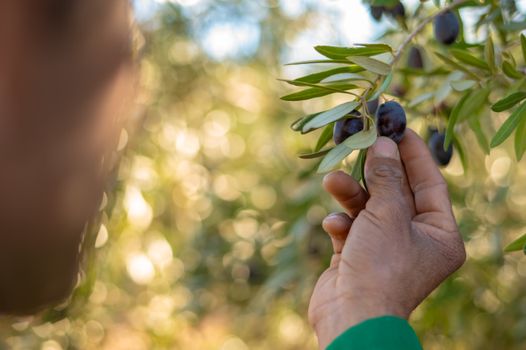
The olive harvest is a slower, more contemplative affair than the grape harvest, but no less rewarding. It’s a chance to connect with ancient rhythms and taste olive oil so fresh it sings on your tongue.
My olive picking adventure took me to a small, sun-drenched masseria in Puglia, Italy. The air was warm, even in late October, and the gnarled olive trees, some centuries old, shimmered with silver-green leaves and plump black olives. We learned to gently rake the olives from the branches onto nets spread beneath the trees. It was meditative work, the repetitive motion, the gentle rustle of leaves, the earthy scent of the olives. Later, we drove our bounty to a local frantoio (olive mill) and watched the "liquid gold" pour out – a vibrant green, intensely peppery oil that tasted nothing like anything I'd ever bought in a store. Dipping warm bread into that freshly pressed oil was a revelation.
Where to Go:
* Italy: Puglia, Sicily, Tuscany, Umbria.
* Greece: Crete, Peloponnese, Lesvos.
* Spain: Andalusia (Jaén is the "olive oil capital of the world").
* Portugal: Alentejo.
When to Go:
Late September to December, depending on the region and desired oil characteristics (early harvest yields greener, more pungent oil; later harvest is milder).
What to Expect:
Manual picking (sometimes with rakes or small hand tools), learning about olive oil production, tasting fresh oil, often included in farm stays.
Cost:
Many farm stays or agriturismos offer olive picking as part of a package, ranging from €80-€250+ per night depending on luxury. Dedicated day tours might cost €50-€150.
Tripsora Tip:
Seek out experiences that include a visit to a local olive mill and an olive oil tasting. Understanding the nuances of different oils and how they are pressed is fascinating. Many masseria in Puglia, for example, specialize in this.
4. Apple of My Eye: Apple Picking & Cider Making in North America & UK
For a taste of quintessential autumn, nothing beats apple picking. It's often a more family-friendly, nostalgic experience, especially popular in North America and parts of the UK.
I have fond memories of apple picking as a child in New England, scrambling up ladders to reach the reddest Macintosh apples, the smell of crisp fruit filling the air. More recently, I revisited this joy on a trip to a heritage orchard in Kent, England, often called "The Garden of England." Here, amidst rows of ancient apple varieties, we filled bushel baskets, then watched as some of our pickings were pressed into fresh, cloudy cider right before our eyes. The taste was pure autumn – sweet, tangy, and invigorating. Many farms also have corn mazes, pumpkin patches, and farm shops selling pies, jams, and other autumnal treats, making it a full day of fall fun.
Where to Go:
* USA: New England (Vermont, Massachusetts), Pacific Northwest (Washington State), Upstate New York, Michigan.
* Canada: Ontario, British Columbia (Okanagan Valley).
* UK: Kent, Herefordshire, Somerset.
When to Go:
Late August to late October, depending on the apple variety and region.
What to Expect:
Walking through orchards, picking your own apples (often paying by the pound or bushel), cider pressing demonstrations, corn mazes, hayrides, farm shops.
Cost:
Often an entry fee per person or per car, plus the cost of apples (e.g., $15-$30 per bushel). Cider tastings or other activities may be extra. Many farms, like Honey Pot Hill Orchards in Massachusetts, offer a range of activities for various prices.
Tripsora Tip:
Look for farms that offer unique or heirloom apple varieties you won't find in supermarkets. Many also have hard cider tastings for adults, making it a perfect blend of family fun and adult indulgence. Check local tourism boards for "pick-your-own" (PYO) farm listings.
5. A Crimson Tide: Cranberry Harvest in North America
If you want a truly unique and visually spectacular harvest experience, the cranberry harvest is it. Forget quaint orchards; imagine vast bogs flooded with water, a crimson sea of floating berries stretching to the horizon.
I first witnessed the cranberry harvest in Wisconsin, one of the largest cranberry-producing states in the US. It was an early October morning, the air still chilly, but the sight was breathtaking. Tractors churned through the flooded bogs, dislodging the berries from their vines, sending them floating to the surface. Workers in waders, often called "cranberry wranglers," corralled the bright red berries with booms, creating an impossibly vibrant carpet of color. While direct participation in the commercial harvest is rare for tourists, many farms offer tours and viewing opportunities, sometimes even allowing you to don waders and step into the bog for an epic Instagram shot. It’s an unforgettable sight, a true marvel of agricultural engineering and natural beauty.
Where to Go:
* USA: Massachusetts (Cape Cod), Wisconsin, Oregon, Washington.
* Canada: British Columbia, Quebec.
When to Go:
Late September to late October.
What to Expect:
Tours of cranberry bogs, witnessing the wet harvest process (often from a viewing platform), learning about cranberry cultivation, tasting cranberry products. Some specialized tours allow limited participation.
Cost:
Viewing is often free or part of a small farm tour fee ($10-$30). More immersive experiences or guided tours, like those offered by the Cape Cod Cranberry Growers' Association, can range from $50-$100+.
Tripsora Tip:
Dress warmly and wear waterproof shoes, as you'll likely be near damp areas. Check for local cranberry festivals, which often include bog tours, tastings, and live entertainment. This is prime Instagram material – prepare for a flood of likes!
6. The World's Most Precious Spice: Saffron Harvest in Morocco or Spain
This harvest is a testament to patience and precision. Saffron, the "red gold," comes from the delicate stigmas of the saffron crocus flower, each tiny thread picked by hand. It's a surprisingly intimate and incredibly rewarding experience.
My saffron journey took me to the Taliouine region of Morocco, nestled in the Anti-Atlas Mountains. We arrived at dawn, joining local women and men in the fields. The saffron crocus, a beautiful purple flower, blooms for only a few weeks in autumn. The task was simple yet delicate: gently pluck the entire flower, then carefully separate the three tiny, crimson stigmas from each blossom. It's painstaking work, requiring nimble fingers and incredible patience – it takes thousands of flowers to yield just a few grams of saffron. But holding those precious threads, smelling their unique aroma, and knowing the effort involved made every pinch of saffron I’ve cooked with since feel infinitely more valuable.
Where to Go:
* Morocco: Taliouine region.
* Spain: La Mancha region.
* Greece: Kozani.
When to Go:
Late October to mid-November, as the flowers bloom for a very short window.
What to Expect:
Early morning starts, gentle hand-picking of flowers, separating stigmas, learning about saffron cultivation and its culinary uses.
Cost:
Often integrated into cultural tours or farm stays in saffron-producing regions. A dedicated saffron farm visit might cost €30-€80, sometimes including a meal. Tours in Morocco might incorporate this into a multi-day itinerary.
Tripsora Tip:
This is a fantastic opportunity to learn about a unique agricultural tradition and appreciate the true value of this precious spice. You'll gain a profound respect for the labor involved. Don't forget to buy some directly from the farmers – it's often of superior quality and supports local communities.
7. The Great Pumpkin Patch & Corn Maze Adventure (USA/Canada)
While perhaps not a "harvest" in the traditional sense of gathering a staple crop, visiting a pumpkin patch and navigating a corn maze is an undeniable, quintessential autumn experience that involves active participation and a deep dive into fall festivities. It's pure, unadulterated seasonal joy.
Every autumn, I make it a point to visit a local pumpkin patch with friends. It's not just about picking the perfect pumpkin for carving; it's about the entire atmosphere. The smell of hay, the cheerful chaos of children, the vibrant orange sea of pumpkins, and the challenge of a sprawling corn maze. I remember one year getting utterly lost in a particularly elaborate maze in Pennsylvania, laughing until our sides hurt as we tried to decipher the twists and turns. It’s a chance to embrace the playful side of autumn, to support local farms, and to capture those iconic fall photos.
Where to Go:
* USA: Everywhere! Especially popular in rural areas, New England, Midwest.
* Canada: Ontario, British Columbia, Prairies.
When to Go:
Late September to late October.
What to Expect:
Hayrides, choosing your own pumpkin from a field, navigating elaborate corn mazes, petting zoos, farm stands with cider donuts and hot cider, photo opportunities galore.
Cost:
Varies greatly. Often an entry fee for the farm or specific attractions (corn maze: $10-$20; hayrides: $5-$10). Pumpkins are usually priced by weight. Many farms, like Bengtson's Pumpkin Fest in Illinois, offer various package deals.
Tripsora Tip:
Go on a weekday if possible to avoid crowds. Wear comfortable shoes suitable for walking in fields. Bring your camera – these places are incredibly photogenic! And don't leave without trying a fresh apple cider donut.
Practical Tips for Your Autumn Harvest Adventure
Ready to pack your bags and get your hands dirty? Here’s what you need to know:
- Book Ahead: Especially for popular or niche experiences like truffle hunting or specific farm stays, spots fill up quickly. Many farms finalize harvest schedules only a few weeks beforehand, so be flexible and check websites regularly.
- Be Flexible: Harvest dates depend entirely on Mother Nature. Be prepared for slight shifts in schedule due to weather or crop readiness.
- Dress Appropriately: Expect to get dirty! Wear comfortable, old clothes that you don't mind staining. Sturdy, closed-toe shoes or boots are essential, especially for vineyards or muddy fields. A hat, sunscreen, and layers are also wise.
- Respect the Farm: Remember, you are a guest on someone's livelihood. Follow instructions, be gentle with the crops, and respect the local traditions and property.
- Learn a Few Phrases: "Grazie" (thank you), "Per favore" (please), and "Buongiorno" (good morning) in the local language can go a long way in forging connections.
- Stay Local: Opt for farm stays (agriturismos, masseria, guesthouses) if available. This enhances the immersive experience and directly supports local communities.
- Budget Wisely: While some experiences can be free or low-cost, others (especially luxury truffle hunts) can be significant investments. Factor in transport, food, and any products you might buy.
- Capture the Moment: These experiences are incredibly photogenic. Bring your camera or smartphone, but remember to put it down and truly be in the moment too.
- Check for Festivals: Many harvest regions host festivals celebrating their bounty. These are fantastic opportunities to experience local culture, food, and traditions.
The Taste of a Lifetime
Participating in an autumn harvest is more than just a vacation; it's an education, a connection, a truly alive way to travel. It's about feeling the earth in your hands, smelling the fruits of labor, and tasting the freshest flavors imaginable. These are the moments that truly enrich your life, the stories you'll tell for years to come.
So, stop dreaming about the perfect fall foliage picture and start planning your next hands-on adventure. Which harvest will you add to your bucket list first? Share your dreams with us!