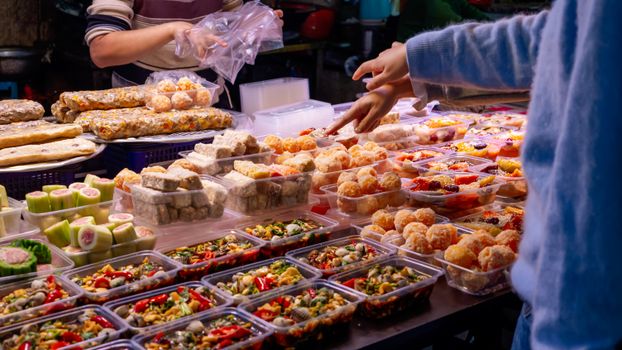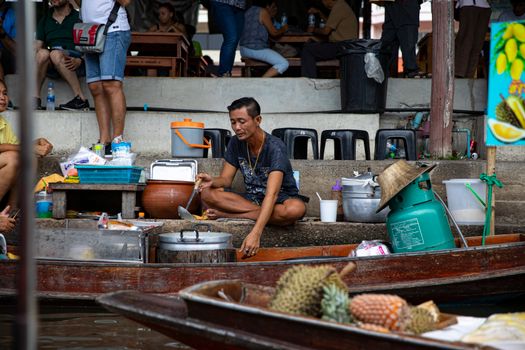
The Hook: A Symphony of Sizzles and Scents
I stepped off the overnight train in Chiang Mai, the air thick with the promise of something utterly delicious. It wasn't just the humid Southeast Asian warmth; it was a fragrant symphony. The sharp, invigorating zest of lemongrass mingled with the smoky char of grilled meats, undercut by the sweet, almost floral perfume of ripe mangoes. The rhythmic clang of woks echoed through the dawn, a percussive beat against the murmur of early risers. This wasn't just breakfast; it was an awakening for my senses, a vibrant prelude to the culinary odyssey that lay ahead, an odyssey that would soon redefine my understanding of 'best food markets' forever.
Beyond the Usual Suspects: Asia's Culinary Renaissance
For years, European cities have dominated the conversation around iconic food markets. Think Borough Market's artisanal cheeses or La Boqueria's dazzling displays. And while they hold their charm, a seismic shift is happening. Asia, a continent already synonymous with incredible food, is witnessing an explosion of street food innovation and a resurgence of its traditional markets, offering experiences that are not just comparable, but in many ways, surpass their European counterparts. This year, the culinary spotlight is firmly fixed on Asia, revealing hidden gems and revitalized classics that are setting new benchmarks for flavor, authenticity, and sheer deliciousness.
Why Asia is Stealing the Street Food Crown
It’s not just about affordability, though that’s a significant draw. Asia’s street food culture is deeply ingrained, a way of life passed down through generations. It’s about unpretentious perfection, where the focus is solely on the quality of ingredients and the mastery of cooking techniques.
- Generational Expertise: Many vendors are inheritors of family recipes, honed over decades, sometimes centuries. This isn't a trend; it's tradition.
- Hyper-Local Ingredients: Markets are often situated at the heart of their communities, sourcing the freshest produce, seafood, and spices directly from local farmers and fishermen.
- Unrivaled Diversity: From the fiery curries of Malaysia to the delicate dumplings of Taiwan, the sheer range of flavors and culinary influences is staggering.
- Sensory Overload (in the best way): The vibrant colors, the intoxicating aromas, the cacophony of sounds – it’s an immersive experience that engages all your senses.
Emerging Star: Chiang Mai, Thailand – The Northern Charmer
Chiang Mai, often overshadowed by Bangkok's frenetic energy, is quietly becoming a street food powerhouse. Its northern Thai cuisine, with its unique blend of Burmese, Chinese, and Laotian influences, offers a distinct flavor profile that’s both comforting and exciting.
Warorot Market (Kad Luang): A Local Institution
This isn't a tourist trap; it's where Chiang Mai comes to eat, shop, and socialize. Warorot Market is a sprawling, covered labyrinth of vendors selling everything from fresh produce and fragrant herbs to intricately woven textiles. But the real magic happens in the food section.
- Must-Try:
- Sai Oua: The famous Northern Thai sausage, bursting with herbs like lemongrass, galangal, and kaffir lime leaves. It’s smoky, slightly spicy, and utterly addictive. Look for vendors with large, sizzling grills.
- Khao Soi: A rich, creamy coconut curry noodle soup, often topped with crispy fried noodles. This is Chiang Mai's signature dish, and you'll find countless variations, each claiming to be the best. Pro-Tip: Try a few different bowls from different vendors to compare!
- Nam Ngiao: A spicy noodle soup with pork, tomatoes, and fermented soybean paste. It has a complex, tangy flavor that's incredibly satisfying.
Quick Facts: Warorot Market, Chiang Mai
| Category | Details |
| :-------------- | :------------------------------------------------------------------- |
| Estimated Cost | $1 - $5 per dish (USD) |
| Best Time to Visit | 6 AM - 6 PM (most vibrant in the morning and late afternoon) |
| How to Get There | Easily accessible by songthaew (red shared taxis) from most parts of the city. |
| Insider Tip | Wander into the smaller alleys; you'll often find the most authentic and affordable gems tucked away. |
Hanoi, Vietnam: The Quintessential Street Food Capital
Hanoi’s street food scene is legendary, a chaotic ballet of plastic stools, tiny kitchens on wheels, and flavors that dance on your palate. It’s an experience that’s both exhilarating and deeply satisfying.
Old Quarter's Culinary Maze
The narrow streets of the Old Quarter are a treasure trove. Forget sit-down restaurants; the real Hanoi experience is on the pavement.
- Must-Try:
- Pho Bo: The iconic beef noodle soup. While you can find it everywhere, the best bowls are often served from unassuming stalls with generations of history. Pro-Tip: Look for stalls with a constant stream of locals – that’s your sign of quality. The broth should be clear, deeply savory, and fragrant with star anise and cinnamon.
- Bun Cha: Grilled pork patties and slices served in a sweet and savory dipping sauce, with a side of rice vermicelli noodles and fresh herbs. This is a flavor explosion of smoky, tangy, and fresh. Obama famously ate this here!
- Banh Mi: The Vietnamese baguette sandwich, a perfect fusion of French colonial influence and Vietnamese flavors. Look for stalls with a variety of fillings, from grilled meats to pâté and pickled vegetables. Authenticity Alert: The bread should be crusty on the outside and soft on the inside.
Quick Facts: Hanoi Old Quarter Street Food
| Category | Details |
| :-------------- | :------------------------------------------------------------------- |
| Estimated Cost | $0.50 - $3 per dish (USD) |
| Best Time to Visit | 6 AM - 10 PM (some stalls open 24/7) |
| How to Get There | Located in the heart of the city; most hotels are within walking distance or a short taxi/Grab ride. |
| Insider Tip | Don't be afraid to sit on the tiny plastic stools. It's part of the authentic experience! |
Kuala Lumpur, Malaysia: A Melting Pot of Flavors
KL's street food scene is a testament to its multicultural heritage, a vibrant fusion of Malay, Chinese, and Indian influences. The sheer variety is astounding, and the flavors are bold and unforgettable.
Jalan Alor: The Legendary Food Street
Jalan Alor transforms from a quiet street into a bustling pedestrian food paradise as the sun sets. It’s a sensory feast, with countless hawker stalls vying for your attention.
- Must-Try:
- Satay: Skewered and grilled meats (chicken, beef, lamb) marinated in a rich spice blend, served with a peanut sauce. The char on the meat and the creamy, slightly sweet peanut sauce are a match made in heaven. Pro-Tip: Order a mix of meats to sample the best.
- Char Kway Teow: Stir-fried flat rice noodles with shrimp, cockles, Chinese sausage, and chives, cooked over high heat for that signature smoky "wok hei" flavor. Authenticity Alert: Look for vendors using charcoal fires for the most authentic taste.
- Nasi Lemak: The national dish of Malaysia, fragrant rice cooked in coconut milk and pandan leaves, served with sambal (spicy chili paste), fried anchovies, peanuts, and hard-boiled egg.
Quick Facts: Jalan Alor, Kuala Lumpur
| Category | Details |
| :-------------- | :------------------------------------------------------------------- |
| Estimated Cost | $2 - $7 per dish (USD) |
| Best Time to Visit | 6 PM - 2 AM (comes alive after dark) |
| How to Get There | Accessible by LRT (Bukit Bintang station) or a short Grab/taxi ride from most city center hotels. |
| Insider Tip | Prices can vary slightly. Don't be shy to walk a bit further down the street to compare options. |
Penang, Malaysia: The Street Food Capital of Malaysia
Penang is arguably the undisputed king of Malaysian street food. Its capital, George Town, is a UNESCO World Heritage site, and its streets are a living museum of culinary delights.
Gurney Drive and Chulia Street
These areas are legendary for their concentration of hawker stalls, each offering a taste of Penang's rich culinary heritage.
- Must-Try:
- Assam Laksa: A tangy, fish-based noodle soup with a spicy tamarind broth, topped with shredded fish, cucumber, pineapple, and mint. It’s a bold, unique flavor that defines Penang. Authenticity Alert: The broth should be a vibrant, almost shocking pink from the chili and tamarind.
- Rojak: A fruit and vegetable salad with a sweet and savory shrimp paste dressing, topped with crushed peanuts. It’s a refreshing and surprising mix of textures and flavors.
- Hokkien Mee: A rich, spicy noodle soup made with prawn broth, yellow noodles, and rice vermicelli, often topped with pork, shrimp, and hard-boiled egg.
Quick Facts: Penang Street Food
| Category | Details |
| :-------------- | :------------------------------------------------------------------- |
| Estimated Cost | $1.50 - $6 per dish (USD) |
| Best Time to Visit | 5 PM - 11 PM (most vibrant in the evening) |
| How to Get There | George Town is easily navigable by foot, bicycle, or Grab/taxi. |
| Insider Tip | Many hawker centers offer communal seating. Don't be afraid to share a table! |
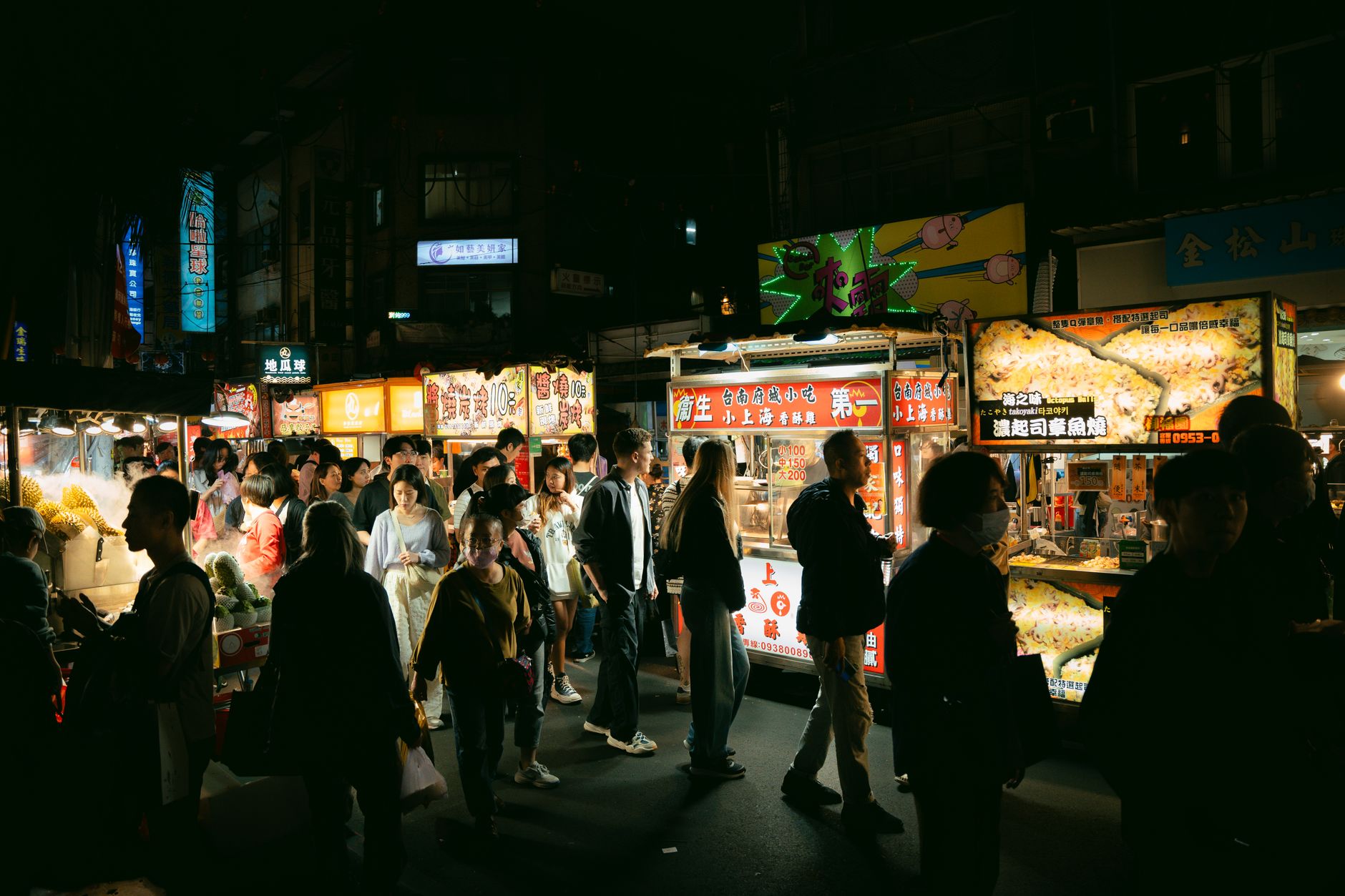
Taipei, Taiwan: A Night Market Wonderland
Taipei's night markets are legendary, not just for the food, but for the electric atmosphere. They are a vibrant microcosm of Taiwanese culture, a place where locals and tourists alike converge to eat, shop, and soak in the energy.
Shilin Night Market & Raohe Street Night Market
These are two of the most famous, offering an overwhelming array of food stalls, games, and shops.
- Must-Try:
- Oyster Omelet: A chewy, starchy omelet filled with plump oysters and a sweet chili sauce. The contrast of textures is divine.
- Stinky Tofu: Don't let the name (or the smell!) deter you. This fermented tofu is crispy on the outside, soft on the inside, and usually served with pickled cabbage and a savory sauce. It’s a rite of passage!
- Bubble Tea: Taiwan is the birthplace of this iconic drink. Try a classic milk tea with chewy tapioca pearls.
Quick Facts: Taipei Night Markets
| Category | Details |
| :-------------- | :------------------------------------------------------------------- |
| Estimated Cost | $1 - $5 per dish (USD) |
| Best Time to Visit | 5 PM - 1 AM (most markets are open late) |
| How to Get There | Easily accessible via Taipei's efficient MRT system. |
| Insider Tip | Go with an empty stomach and a sense of adventure. Try a little bit of everything! |
The Verdict: Why Asia Reigns Supreme This Year
While Europe’s established markets offer a certain refined charm, Asia’s emerging and revitalized street food scenes deliver an unparalleled combination of authenticity, affordability, diversity, and sheer sensory delight. It's a culinary adventure that’s accessible, exhilarating, and will leave you with memories – and flavors – that linger long after your journey ends. This year, for the discerning traveler seeking genuine culinary experiences, the answer is clear: head East. Your taste buds will thank you.