Urban exploration is often associated with entering abandoned buildings or climbing into restricted spaces, but a more practical and responsible version can be just as rewarding. Exploring your own city in depth means noticing its layers of history, architecture and everyday life, using public routes, libraries, archives and guided walks. It can turn familiar streets into a new subject of study and can suit travelers who want a local adventure without the costs or risks of distant trips. This guide describes a respectful approach to city exploration and explains why sites that are closed or unstable should remain off-limits.
Starting with public routes
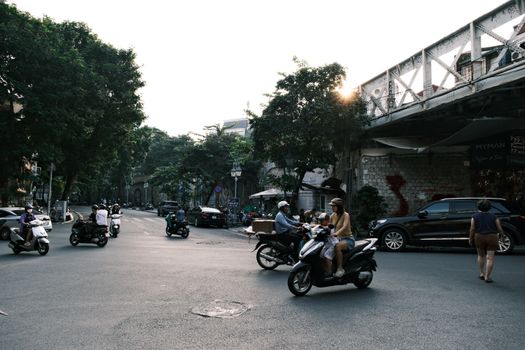
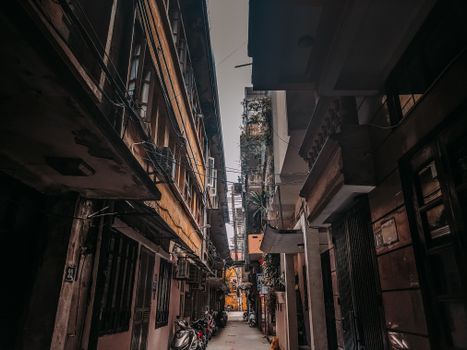
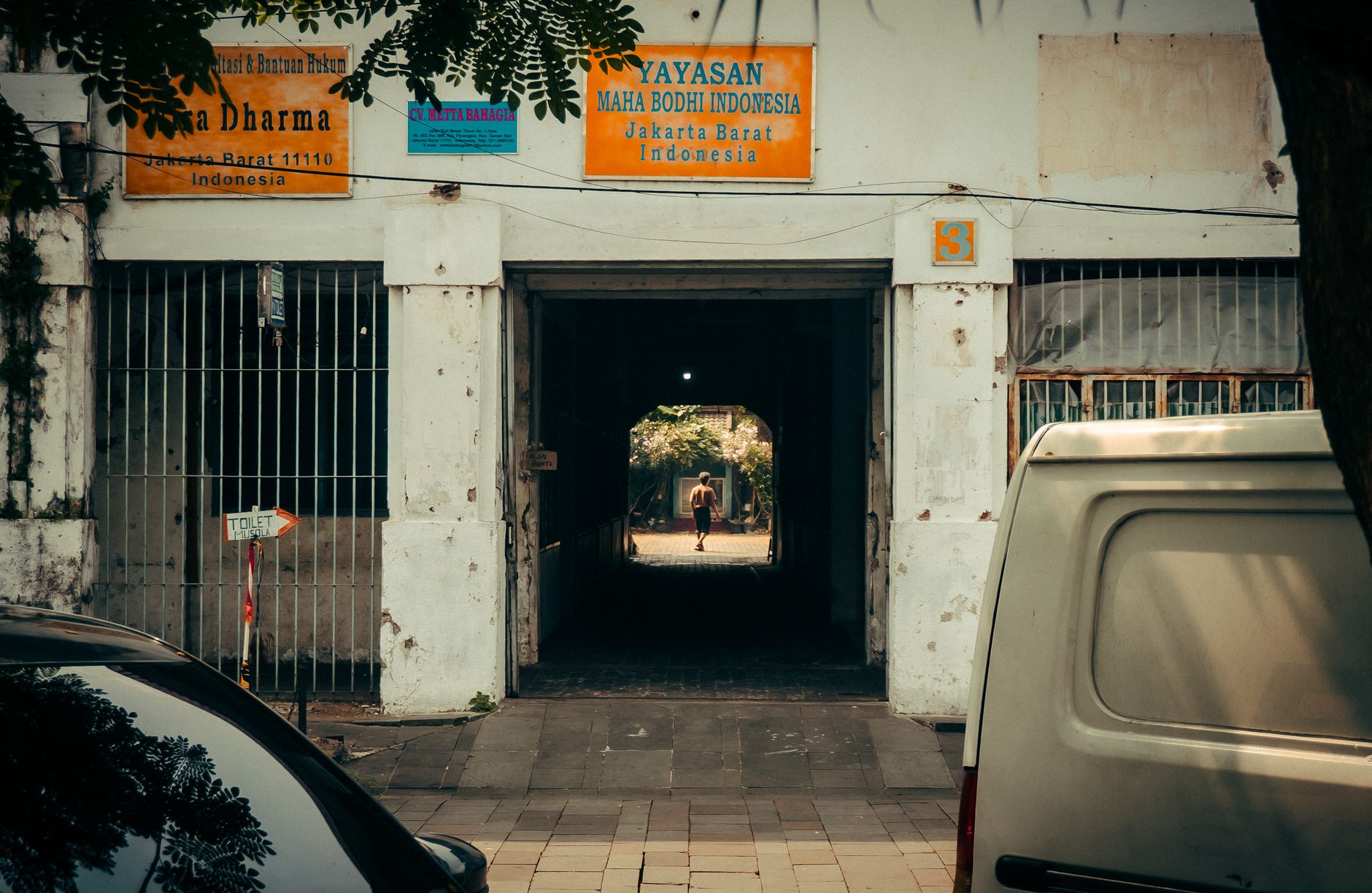
Public spaces offer a great deal of material. Plan walks that follow a theme, such as the history of a particular industry, the development of a neighbourhood or the changing use of riverbanks and squares. Look for plaques, markers, inscriptions and details on façades, which often reveal construction dates, former uses and changes over time. Public parks, markets and transport hubs can also show how a city has evolved. Keep to public rights of way and follow local rules on photography and behaviour.
Using archives and libraries
Libraries, municipal archives and local history societies can add depth to a walk. Old maps, photographs and planning documents can show how streets and buildings have changed. Many archives have reading rooms that are open to the public, although access may require registration and advance booking. Staff can often suggest sources for a specific neighbourhood or building. Digitised collections can also be useful before you visit, though their coverage varies.
Guided and self-guided walks
Guided walks led by local historians or architects can provide context that is hard to gather alone. Many cities also publish self-guided route leaflets or digital walks. Choose routes that suit your interests and fitness, and check whether they are current, since buildings and street names change. Walking at different times of day can reveal different aspects of a neighbourhood, such as how light falls on façades or how a street sounds in the early morning.
Recognising off-limits and unsafe places
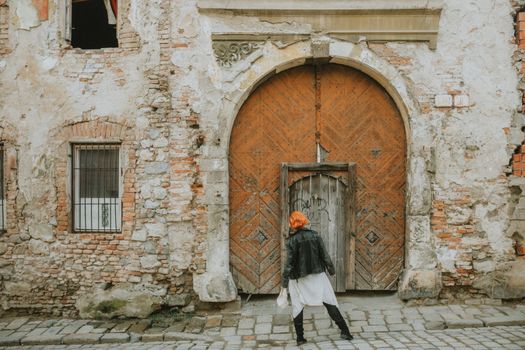
Some buildings and sites are closed for good reasons. Structures may be unstable, contaminated or subject to demolition, and entering them can cause serious injury. Many are private property or protected sites where unauthorised access is illegal. Trespassing can lead to fines or prosecution, and it can damage heritage. If a site is fenced, boarded or signposted as closed, respect that boundary. Viewing a building from a public area is usually enough to appreciate its architecture.
Respecting people and communities
City exploration involves people who live and work in the areas you visit. Be courteous, avoid intrusive photography of residents, and keep noise low in residential streets. Do not climb on walls, fences or monuments, and do not leave litter. Some neighbourhoods have sensitive histories or ongoing community projects, so approach them with humility and be open to learning from local voices. Supporting local cafés, shops and tours can also benefit the people who live there.
Safety and practical planning
Plan routes in daylight where possible, tell someone your plans and keep your phone charged. Wear comfortable shoes and weather-appropriate clothing. Carry water and a small map or offline navigation. Be cautious around construction sites, uneven pavements and busy roads. If you are exploring less frequented areas, consider walking with a companion. Check local guidance on safety and any areas that are currently restricted.
Practical tips
Choose a theme for each walk, such as architecture, transport or industry. Use libraries and archives before and after your walk. Stay on public routes and respect closures. Look up and down for details on façades. Avoid private property and fenced sites. Carry water, a charged phone and offline maps.
Common mistakes to avoid
A frequent error is trying to cover too much ground in one walk, which leaves little time to look closely at façades, plaques and small details. Another is using only online images to decide what is worth seeing, when many interesting features are visible only from specific angles on public land. Some explorers treat an open gate or unlocked door as an invitation, but access is not granted by an unlocked entrance. Others walk without a theme and end up with a list of places rather than a story about them. It is also easy to forget that archives and libraries have opening hours and reading room rules, so a visit planned around the wrong day can be wasted. Choosing one theme, checking access in advance and leaving time for reflection tend to make the walk more rewarding.
Who this suits and who it doesn't
City exploration on public routes can suit residents and visitors who enjoy walking, reading the built environment and learning local history. It often appeals to people who like combining a walk with a café stop, a library visit or a conversation with a local guide. It may be less suitable for people with limited mobility on uneven pavements or steep streets, unless they have checked the route in advance. Those who need frequent access to toilets, seating or shelter should plan around these facilities. People who are mainly drawn to restricted or closed sites will find that a public-route approach offers less of what they seek, although it still provides a rich and legal experience.
Frequently asked questions
Do I need permission to walk around my city?
Usually not, provided you stay on public routes and follow local rules. Private land, fenced areas and closed sites are different, and their boundaries should be respected.
Can I photograph buildings?
Often yes from public spaces, though rules on photography and on people differ. Be considerate of residents and check any guidance from museums, archives or guided tours.
Are archives free to use?
Costs and registration requirements vary. Many public archives allow reading room access, but some require booking or identification, so check the official website first.
Exploring your own city responsibly can bring a new sense of place without the need to travel far. By using public routes, archives and guided walks, and by respecting closed or unsafe sites, you can learn a great deal while staying safe and protecting the places you study. Curiosity and patience usually reveal more than trespass ever could.