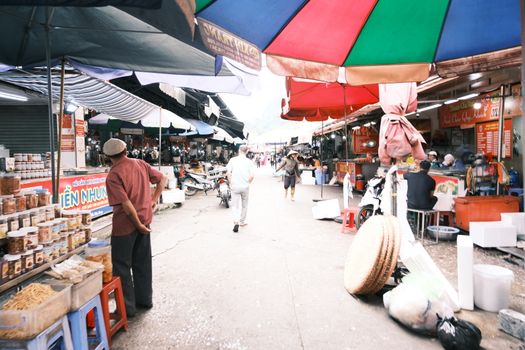
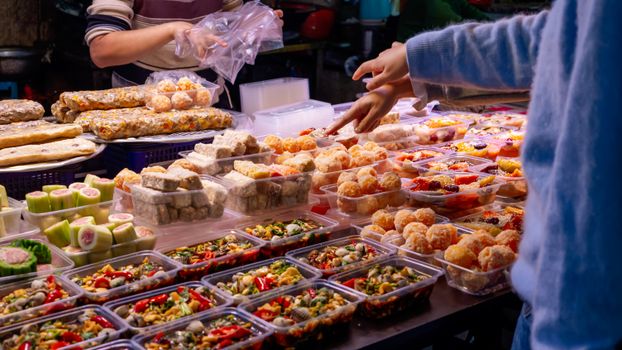
The aroma hits you first – a symphony of spices, sizzling meats, fresh herbs, and ripe fruit. Then the cacophony: vendors calling out, the clatter of pans, the murmur of conversations, the sheer energy of a thousand stories unfolding around you. This, my friends, is the magic of a food market, a beating heart in any city, a place where culture, community, and cuisine collide. For me, a professional travel blogger for Tripsora, these vibrant hubs are non-negotiable stops on any itinerary. They’re where I feel most connected to a place, most alive.
But here’s the thing I’ve learned over years of crisscrossing continents with an insatiable appetite: not all food markets are created equal. Some are sparkling, Instagram-perfect showcases designed to lighten tourist wallets, while others are gritty, glorious, and utterly authentic, holding secrets locals guard fiercely. I’ve fallen for both. I’ve paid €15 for a "local" paella that tasted suspiciously like instant rice, and I’ve paid €3 for a life-changing bowl of noodles from a stall where the vendor spoke no English, only smiles. The difference? One was a tourist trap, the other, a hidden gem. And today, I’m going to arm you with the knowledge to tell them apart, ensuring your market experiences are always the latter.
The Allure & The Trap: When "Authentic" Becomes a Performance
There’s an undeniable charm to the bustling, colorful market photos you see online. They promise an immersion into local life, a chance to taste traditional flavors, and a peek behind the curtain of a foreign culture. And many markets deliver on this promise. But then there are the others, the ones that have become victims of their own success, transforming into well-oiled machines designed purely for tourist consumption.
Think of it this way: when a market becomes a primary "attraction" listed in every guidebook and tour itinerary, its essence often shifts. The focus moves from serving the local community’s daily needs to catering to the tourist dollar. This isn't inherently bad – some markets manage to balance both beautifully. But often, it leads to inflated prices, generic offerings, and a palpable lack of genuine local interaction.
My first big "trap" moment? La Boqueria in Barcelona.
Years ago, it was a dream. A vibrant, chaotic sensory overload where grandmas haggled for produce and families bought their daily bread. Today? It’s a beautifully arranged, but largely soulless, spectacle. The fruit juice stalls, once a refreshing local treat, now line the entrance, selling tiny cups for €5, while the jamón vendors offer pre-packaged, overpriced samples. I saw more selfie sticks than shopping bags, and the only Spanish I heard was from other tourists trying to order. The magic, for me, had evaporated, replaced by a polished, curated experience that felt more like a food theme park than a living, breathing market. It’s still visually stunning, yes, but the soul has left the building.
Decoding the "Tourist Trap" Market: Red Flags to Watch For
So, how do you avoid falling into the same trap? Here are my tell-tale signs:
- The Price Tag Shock: This is the easiest indicator. If a simple street snack or a kilo of fruit costs significantly more than what you’d pay at a regular grocery store or a small local eatery just a few blocks away, you’re likely in a trap. At La Boqueria, I once saw "artisanal" olives for €10 a small tub that I knew cost €3 at a local supermarket.
- The Language Barrier (or Lack Thereof): While it's convenient when vendors speak English, if everyone speaks perfect English, often with a practiced sales pitch, it's a red flag. In a truly local market, you'll encounter more genuine communication attempts, smiles, and pointing, or perhaps a few key phrases in the local language.
- The Crowd Composition: Take a moment to observe. Are most people carrying cameras, guidebooks, and wearing fanny packs? Or are they locals with reusable shopping bags, chatting with vendors like old friends, and going about their daily errands? If it's 80% tourists, you're in a tourist market.
- The Product Selection: Is it filled with generic souvenirs alongside the food? Are there an overwhelming number of stalls selling the exact same "local specialty" in easy-to-carry, often overpriced, tourist-friendly packaging? True local markets focus on fresh, seasonal produce, meats, and daily necessities.
- Aggressive Sales Tactics: Being constantly called over, having samples shoved in your face, or feeling pressured to buy is a sign that the vendors are used to quick, one-off sales rather than building a loyal local customer base.
- The "Staged" Authenticity: Sometimes, a market can feel too perfect, too clean, too picturesque. While hygiene is important, a truly authentic market often has a bit of charming chaos, a lived-in feel, and isn't necessarily designed for the perfect Instagram shot at every turn.
I remember another time in Rome, wandering into a market near a major attraction. Every pasta stall had a laminated English menu with pictures, and the prices were double what I'd seen elsewhere. I ended up with an uninspired carbonara and a strong sense of buyer's remorse. Lesson learned: always look for the locals!
The Quest for Authenticity: Finding the Hidden Gems Locals Don't Want You to Know
Now, for the good stuff! The real treasures, the markets that make your taste buds sing and your heart swell with genuine connection. These are the hidden gems, often tucked away from the main tourist drag, where the air hums with genuine commerce and the food is simply divine. They're where you’ll find the best prices, the freshest ingredients, and the most memorable interactions.
So, how do you find these elusive spots? It takes a bit more effort, but the reward is immeasurable.
- Ask the Right Locals: Don't ask your hotel concierge or a tour guide – their recommendations are often geared towards ease for tourists. Instead, ask a barista at a local coffee shop, a shopkeeper in a non-touristy area, or a taxi driver. Phrase your question carefully: "Where do you go to buy fresh produce/eat lunch?" or "What's your favorite market that's not for tourists?"
- Go Early, Go Weekday: Locals typically do their shopping early in the morning, especially for fresh produce and seafood. Visiting between 7 AM and 10 AM on a weekday often means fewer crowds and a more authentic atmosphere. Weekends can sometimes draw more crowds, but still often predominantly local.
- Venture Off the Beaten Path: Look at a map and identify residential neighborhoods away from the main attractions. These areas are far more likely to host a true local market.
- Check Local Blogs and Forums: Before your trip, do some online research using local language keywords (Google Translate is your friend!). Search for "Mercado local [city name]" or "Comida callejera auténtica [city name]" to uncover hidden gems that might not appear in English guidebooks.
- Observe Where Locals Eat: This is my golden rule. If you see a line of locals patiently waiting at a food stall, join it! It's almost always a sign of incredible food.
Our Top Picks: Hidden Gem Markets That Will Change Your Trip
Here are a few examples of markets that have stolen my heart – places where I’ve found true culinary bliss and genuine connection. Remember, these aren't exhaustive, but they represent the type of market you should be seeking.
1. Or Tor Kor Market, Bangkok, Thailand:
* Why it's a gem: While Chatuchak Weekend Market is famous, Or Tor Kor (located opposite Chatuchak, but a world apart) is where affluent Thais go for gourmet produce, exotic fruits, and impeccably fresh seafood. It’s clean, organized, and offers an incredible array of ready-to-eat Thai dishes, curries, and desserts. You won't find tourist trinkets here, just pure culinary excellence.
* What to try: The mango sticky rice is legendary here (expect to pay around 100-150 THB, but it's worth every satang), as are the perfectly prepared curries (around 60-80 THB per serving) and the rare, pungent durian (seasonal, prices vary wildly). I once had the most intensely flavorful green curry of my life from a small stall tucked away in the back, served with perfectly fluffy rice. It was an explosion of sweet, spicy, and savory.
* Best time to visit: Weekday mornings for the freshest produce and fewer crowds, though it's bustling any day. Take the MRT to Kamphaeng Phet station.
2. Mercado de la Cebada, Madrid, Spain:
* Why it's a gem: Forget the tourist-packed Mercado de San Miguel. Mercado de la Cebada, located in the La Latina neighborhood, is a vibrant, multi-level market brimming with local life. The ground floor is a traditional wet market with butchers, fishmongers, and produce stalls. Upstairs, you’ll find small, independent eateries serving delicious, affordable tapas and drinks. It’s loud, lively, and authentically Spanish.
* What to try: Grab some fresh seafood at one of the bar-stalls (a plate of gambas al ajillo, garlic shrimp, might be €8-10, or a plate of razor clams for similar). The pinchos (small snacks) are fantastic and often just €2-3 each. I remember a stand serving bocadillos de calamares (fried calamari sandwiches) for €4 – simple, unpretentious, and utterly delicious. Wash it down with a caña (small beer) for €1.50.
* Best time to visit: Lunchtime (1 PM - 3 PM) for the best atmosphere and to see locals enjoying their midday meal. Closed Sundays.
3. Mercado de San Juan, Mexico City, Mexico:
* Why it's a gem: This isn't for the faint of heart, but it's a truly unforgettable experience. Mercado de San Juan is famous for its exotic meats – think venison, wild boar, crocodile, lion, even insects! But beyond the novelty, it’s a working market where locals come for specialty ingredients. The food stalls here serve incredible, authentic Mexican cuisine, often incorporating the market's unique offerings.
* What to try: Be adventurous! Try a tlayuda with chapulines (grasshoppers) for around 80-120 MXN, or a taco de venado (venison taco) for 40-60 MXN. There’s also fantastic traditional barbacoa (slow-cooked meat) and carnitas (fried pork). I once dared myself to try a scorpion taco – surprisingly crunchy and earthy! The fresh exotic fruits and cheeses are also fantastic.
* Best time to visit: Mid-morning (10 AM - 1 PM) on a weekday to avoid peak crowds and enjoy a leisurely exploration.
4. Borough Market, London, England (with a caveat):
* Why it's a "gem" (with a twist): I mention Borough Market because it's a prime example of a market that has become a tourist attraction but still retains some incredible, high-quality food stalls where locals genuinely shop. The key is knowing where to go and what to avoid. It's a "trap-gem" hybrid.
* What to try: Skip the generic cheese toasties and overpriced donuts. Head for the excellent produce stalls (Neal’s Yard Dairy for artisanal cheese, Brindisa for Spanish charcuterie), and seek out specific street food vendors known for quality. The fish and chips from Fish! Kitchen are usually top-notch (around £12-15), and the gourmet mushroom sandwiches from the dedicated mushroom stall are legendary (£7-9). I swear by the fresh oysters from Richard Haward's Oysters, shucked right in front of you (£1.50-£2.50 each). It's about being selective.
* Best time to visit: Early morning on a Thursday or Friday to avoid the weekend crush.
Navigating Like a Local: Tips for an Authentic Market Experience
Once you've identified your hidden gem, here’s how to make the most of your visit:
- Go with an Empty Stomach & an Open Mind: This is crucial! You'll want to sample everything. Be adventurous – try things you don't recognize.
- Learn a Few Local Phrases: Even "hello," "please," "thank you," and "how much?" in the local language will go a long way in showing respect and fostering genuine interaction. "Muchos gracias" in Madrid for that perfect bocadillo felt so much better than just a nod.
- Carry Small Bills/Cash: Many smaller vendors in local markets prefer or only accept cash. It also makes transactions quicker and easier. Break larger bills at a nearby bank or supermarket beforehand.
- Be Respectful and Observant: Ask before taking photos, especially of people. Don't block pathways. Observe how locals interact with vendors and follow suit. This isn't a museum; it's a place of commerce.
- Haggle Respectfully (if appropriate): In some cultures (like parts of Asia or North Africa), gentle haggling is expected, especially for non-food items. For food, prices are usually fixed. If you're unsure, observe others or simply pay the asking price. A smile goes a long way.
- Bring Your Own Bag: Many locals bring reusable bags, and it's an eco-friendly practice that will make you feel more integrated.
- Don't Be Afraid to Get Lost: Sometimes the best discoveries happen when you wander down an unexpected aisle. Embrace the chaos!
Savoring the Real Deal: Your Next Culinary Adventure Awaits
The difference between a tourist trap and a hidden gem market isn't just about price; it's about the soul of a place. It's the difference between a fleeting transaction and a genuine cultural exchange. It’s the feeling of truly being there, not just visiting.
So, on your next trip, skip the polished, overcrowded tourist traps. Do your research, ask the right questions, and venture a little further. The reward? An unforgettable sensory journey, incredible food, and stories that will last a lifetime. You'll discover not just new flavors, but a deeper connection to the heart of the destination.
What's the most amazing hidden gem market you've ever discovered? Or perhaps a trap you wish you'd avoided? Share your stories in the comments below! Let's build a community of authentic food market explorers. And don't forget to bookmark this guide for your next culinary adventure!
---