Master Ancient Trades in a Day: Your Ultimate Hands-On Bucket List
There’s a certain magic to travel, isn't there? We chase sun-drenched beaches, scale majestic mountains, and wander through bustling cityscapes, all in pursuit of that elusive feeling of connection. But lately, I’ve found myself yearning for something deeper, something that goes beyond the perfect selfie or the most delicious street food. I wanted to touch history, not just observe it. I wanted to understand the rhythms of life that shaped civilizations, not just read about them in a museum.
My moment of revelation came during a trip to Tuscany. I was strolling through a small, sun-drenched village, when the scent of woodsmoke and damp earth drew me to an open workshop door. Inside, an elderly potter, his hands dusted with clay, was coaxing a lump of earth into an elegant vase on a spinning wheel. There was a quiet intensity, a timeless grace in his movements. It hit me then: this was the real connection. This was history alive, tangible, and ready to be experienced.
That day, I booked a half-day pottery workshop, and it changed how I travel forever. I realized that some of the most profound experiences aren't about seeing, but about doing. About getting your hands dirty, learning an ancient skill, and walking away with not just a souvenir, but a story, a memory, and a piece of yourself forged in the fires of tradition.
And the best part? Many of these incredible ancient trades can be learned in a single day. Yes, you read that right – in a day. So, ditch the passive tours and prepare to unlock a new level of travel. Here are six ancient crafts you absolutely need to experience before you die, complete with tips on where to find them and what to expect.
1. The Earth's Embrace: Pottery & Ceramics
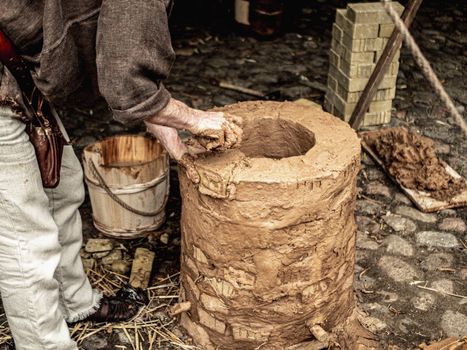
There’s something incredibly grounding about working with clay. It's the ultimate connection to the earth beneath our feet, a practice that dates back thousands of years across every continent. From the simplest pinch pots of our ancestors to the intricate glazes of imperial dynasties, pottery is a universal language of creation.
My Experience:
My Tuscan pottery adventure was a revelation. My instructor, Giovanni, spoke limited English, but his hands were eloquent. He showed me how to center the clay on the wheel, how to apply gentle pressure to coax it upwards, how to feel the rhythm of the spin. My first attempts were… lopsided, to say the least. But with each wobble, each collapse, I learned. And when I finally pulled my first vaguely symmetrical bowl from the wheel, still wet and fragile, a surge of primal satisfaction washed over me. It wasn't perfect, but it was mine. I chose a simple terracotta glaze, and Giovanni promised to fire it and ship it home. It arrived a few months later, a tangible memory of dusty hands and a quiet Tuscan afternoon.
Where to Learn:
* Italy (Tuscany, Umbria): Famous for terracotta and majolica. Many agriturismos and artisan studios offer day classes. Florence, Deruta, and Vietri sul Mare are hotspots.
* Japan (Kyoto, Mashiko): Experience traditional Raku firing or intricate Japanese pottery. Workshops are often part of cultural centers.
* Mexico (Oaxaca): Learn pre-Hispanic black pottery techniques.
* Global: Most major cities with an art scene will have studios offering beginner's wheel or hand-building classes.
What You'll Learn/Create:
In a day, you can typically learn basic hand-building techniques (pinch pots, coil building) or get an introduction to the potter's wheel. You'll likely create 1-3 small pieces (a bowl, a mug, a small vase) that will be glazed and fired for you to pick up or have shipped.
Practical Tips:
* Dress for mess! Wear old clothes you don't mind getting clay-splattered.
* Ask about shipping: If you're traveling, ensure they offer international shipping for your finished pieces.
* Look for small group classes: More personalized attention from the instructor.
* Price: Expect to pay €80-€200 for a half-day to full-day workshop, including materials and firing.
Instagram-Worthy Moment:
A shot of your hands covered in clay, the spinning wheel a blur, or your proud, if imperfect, creation drying in the sun. #PotteryLife #HandsOnHistory #ClayArt
2. The Art of the Pen: Calligraphy & Illumination
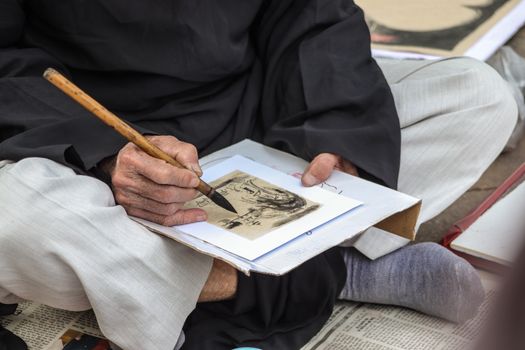
In an age of endless digital fonts, the elegance of handwritten script feels almost revolutionary. Calligraphy, the art of beautiful writing, is a meditative practice that connects you to scribes and scholars of centuries past. From the flowing lines of Arabic script to the precise strokes of Japanese Shodo or the elaborate flourishes of medieval European illumination, this trade is a journey into focus and aesthetic discipline.
My Experience:
My fascination with ancient manuscripts led me to a small workshop in Edinburgh, Scotland, focusing on medieval Celtic illumination. For six hours, under the patient guidance of a master calligrapher, I learned to hold a quill pen, mix ink, and form the intricate uncial script. The silence in the room was profound, broken only by the scratching of quills and the gentle rustle of parchment. My mind, usually buzzing with travel plans and social media notifications, became singularly focused on the curve of an 'S' or the perfect crossbar of a 'T'. By the end of the day, I had a small, beautifully inscribed quote on a piece of vellum, framed by a simple knotwork design I’d also learned to draw. It was a testament to patience and precision, a skill I never thought I possessed.
Where to Learn:
* Japan (Kyoto, Tokyo): Experience Shodo (Japanese calligraphy) or Sumi-e (ink painting).
* China (Beijing, Shanghai): Delve into traditional Chinese calligraphy.
* Europe (Italy, UK, France): Many art schools and cultural centers offer workshops in various historical scripts (e.g., Copperplate, Italic, Gothic, Uncial).
* Middle East (Morocco, Turkey): Explore beautiful Arabic calligraphy.
What You'll Learn/Create:
A day class will introduce you to basic strokes, letterforms of a specific script, and how to use a traditional pen or brush. You'll typically create a small framed piece, a personalized card, or a beautifully written quote.
Practical Tips:
* Choose your script: Research different styles and pick one that genuinely interests you.
* Good lighting is key: Ensure your workshop space has ample natural light.
* Patience is a virtue: This isn't a fast-paced skill. Embrace the meditative aspect.
* Price: Expect to pay $70-$180 for a half-day to full-day workshop, including materials.
Instagram-Worthy Moment:
A close-up of your beautifully formed letters, ink on parchment, or your finished piece with historical tools in the background. #CalligraphyArt #AncientScript #MindfulWriting
3. The Scent of History: Traditional Perfumery & Apothecary
Before mass-produced fragrances, perfumes were an art, a science, and a luxury crafted from natural essences. Learning traditional perfumery or apothecary skills connects you to ancient Egyptians, Roman perfumers, and medieval apothecaries who harnessed the power of plants for scent and healing. It's a deeply sensory experience, awakening your nose to a world of subtle nuances.
My Experience:
In Grasse, France, the historic capital of perfume, I signed up for a "Perfumer for a Day" workshop. We started in a botanical garden, learning about different aromatic plants and their extraction methods. Then, in a laboratory filled with hundreds of small bottles, each containing a pure essential oil or absolute, our instructor guided us through the "olfactory pyramid." Top notes, heart notes, base notes – it was like composing music, but with scents. I spent hours carefully selecting and blending, trying to capture the essence of a summer evening in Provence. I left with a small, personalized bottle of my own unique fragrance, a scent memory I still cherish. It wasn't just perfume; it was a story, bottled.
Where to Learn:
* France (Grasse, Paris): The ultimate destination for perfume. Many historic houses (Fragonard, Molinard, Galimard) offer workshops.
* Italy (Florence, Venice): Explore Renaissance apothecary traditions.
* Morocco (Marrakech, Fes): Discover traditional attar oils and spice blending.
* USA (New York, Los Angeles): Boutique perfumers often offer workshops.
What You'll Learn/Create:
A day workshop typically covers basic perfumery principles (top, middle, base notes), an introduction to different essential oils and absolutes, and the chance to blend your own small bottle of perfume or a personalized essential oil blend.
Practical Tips:
* Avoid wearing perfume: Come with a clean slate for your nose.
* Take notes: Document the oils you're using and your ratios.
* Trust your nose: Don't be afraid to experiment with combinations.
* Price: Expect to pay €90-€250 for a half-day to full-day workshop, including materials and your custom fragrance.
Instagram-Worthy Moment:
A flat lay of tiny amber bottles and pipettes, or a shot of you carefully blending your unique scent. #PerfumeWorkshop #Grasse #ScentOfHistory
4. The Enduring Craft: Leatherworking
From ancient nomads crafting shelters and tools to skilled artisans creating exquisite garments, leatherworking is a testament to durability and utility. It’s a craft that feels incredibly hands-on, transforming a raw hide into something beautiful and functional. There's a deep satisfaction in the smell of tanned leather, the feel of a sharp knife, and the rhythmic tap of a hammer on a punch.
My Experience:
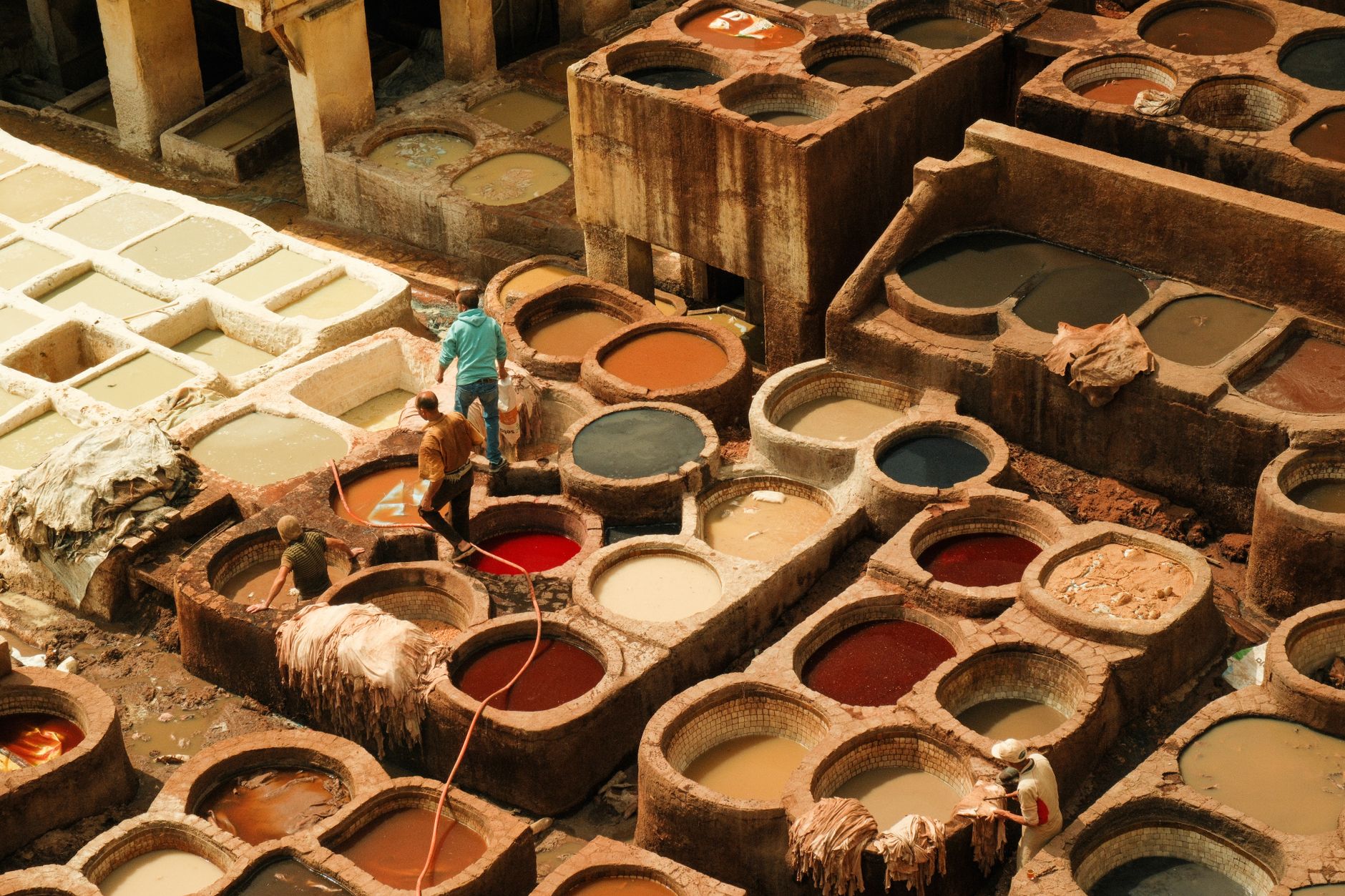
On a bustling trip through Marrakech, Morocco, I stumbled upon a tiny leather workshop tucked away in the labyrinthine souks. The air was thick with the scent of leather and spices. I negotiated a quick afternoon session with the artisan, Omar, who showed me how to cut, tool, dye, and stitch. We started with a simple design: a small, embossed cardholder. Omar patiently guided my hand as I learned to use a swivel knife for intricate patterns and a mallet for setting snaps. The process was surprisingly tactile and meditative. By the end of the day, I had a unique, hand-stitched leather cardholder that felt infinitely more precious than anything I could buy. It was a piece of Marrakech, crafted by my own hands.
Where to Learn:
* Morocco (Marrakech, Fes): Famous for its tanneries and leather goods. Many workshops offer short classes.
* Italy (Florence): Renowned for its high-quality leather and traditional techniques.
* Spain (Andalusia): Historically significant for embossed leatherwork.
* USA (Texas, Arizona): Western-style leather tooling workshops are common.
What You'll Learn/Create:
A day class will typically focus on a small project like a wallet, belt, keychain, or journal cover. You'll learn basic cutting, dyeing, tooling, stitching, and finishing techniques.
Practical Tips:
* Wear sturdy shoes: You might be standing for a while.
* Research the project: Know what you'll be making to manage expectations.
* Safety first: Pay close attention to instructions when using sharp tools.
* Price: Expect to pay $70-$180 for a half-day to full-day workshop, including materials.
Instagram-Worthy Moment:
A close-up of your hands stitching leather, the intricate tooling on your finished piece, or your newly crafted item alongside traditional tools. #LeatherCraft #MarrakechSouk #HandmadeLeather
5. The Fire & Fury: Basic Blacksmithing
There’s something undeniably primal about blacksmithing. The roar of the forge, the clang of hammer on anvil, the dance of sparks – it’s a craft that transforms raw metal into something useful and enduring. While you won't forge a full sword in a day, an introduction to basic blacksmithing is an incredibly empowering and unforgettable experience.
My Experience:
My husband, a history buff, convinced me to try a "Forge a Hook in a Day" workshop in a rural historical village in England. I was apprehensive – it seemed so… manly. But from the moment I held the glowing red metal with tongs and felt the shock of the hammer striking it, I was hooked. Our instructor, a burly man with surprisingly gentle hands, taught us how to heat the steel, how to draw it out, bend it, and twist it. It was physically demanding, but the sheer satisfaction of seeing the metal yield to my will, slowly taking shape, was exhilarating. By the end of the day, I had a rustic, slightly crooked, but undeniably hand-forged coat hook. It sits proudly in our entryway, a constant reminder that I can bend metal to my will.
Where to Learn:
* Historical Villages/Museums (UK, USA, Europe): Many living history museums or heritage sites offer beginner blacksmithing experiences.
* Artisan Studios: Independent blacksmiths often run introductory workshops.
* Rural Areas: Look for craft centers in the countryside.
What You'll Learn/Create:
A day class will introduce you to forge safety, hammer control, and basic techniques like drawing out, bending, and punching. You'll usually create a simple item like a hook, a bottle opener, or a small decorative piece.
Practical Tips:
* Wear sturdy, natural fiber clothing: No synthetics that can melt. Long sleeves and pants are a must.
* Closed-toe shoes are essential: Boots are ideal.
* Hydrate: It gets hot by the forge!
* Listen carefully: Safety is paramount in a blacksmithing workshop.
* Price: Expect to pay $100-$300 for a full-day workshop, including materials and safety gear.
Instagram-Worthy Moment:
Sparks flying as you strike the anvil, the glowing red metal, or your proud, soot-stained face with your finished metal creation. #Blacksmithing #ForgeLife #MetalArt
6. The Colors of Nature: Natural Dyeing & Textiles
Long before synthetic dyes, vibrant colors were coaxed from plants, insects, and minerals. Natural dyeing is an ancient art form that connects you to the earth's palette and the rich history of textiles. It’s a beautiful, often surprising process, where humble ingredients transform plain fabrics into works of art.
My Experience:
While exploring the textile traditions of Japan, I found a half-day workshop in Kyoto focused on Shibori, a traditional Japanese resist-dyeing technique using indigo. The studio was filled with the earthy, slightly sweet smell of the indigo vat. Our instructor showed us how to fold, twist, and bind fabric with string and clamps to create intricate patterns. Then came the magic: dipping the fabric into the deep blue vat. It emerged a murky green, but as it oxidized in the air, it slowly, dramatically, transformed into a brilliant indigo blue. I unbound my fabric to reveal a stunning pattern of circles and lines, unique and perfectly imperfect. I walked away with a beautiful, naturally dyed scarf, a piece of wearable art steeped in tradition.
Where to Learn:
* Japan (Kyoto, Arimatsu): Famous for indigo dyeing and Shibori techniques.
* India (Rajasthan, Gujarat): Explore block printing and natural dyes like indigo and madder.
* Peru (Cusco, Sacred Valley): Learn ancient Andean dyeing techniques using cochineal and local plants.
* Africa (Mali, Nigeria): Discover traditional indigo mud cloth and other natural dyeing methods.
* USA/Europe: Many artisan textile studios offer workshops in botanical dyeing.
What You'll Learn/Create:
A day class will typically cover basic natural dyeing principles, preparation of fabric (mordanting), and an introduction to one or two natural dye sources (e.g., indigo, cochineal, plant extracts). You'll usually dye a small item like a scarf, a tote bag, or a set of fabric swatches.
Practical Tips:
* Wear old clothes: Dyeing can be messy, especially with indigo.
* Be patient: Natural dyeing often involves waiting for the dye to set or oxidize.
* Ask about sourcing: Learn where they get their natural dyes.
* Price: Expect to pay $60-$150 for a half-day to full-day workshop, including materials.
Instagram-Worthy Moment:
The dramatic color change of fabric emerging from an indigo vat, a vibrant array of naturally dyed textiles, or your hands holding a beautiful, newly dyed creation. #NaturalDye #Shibori #IndigoLove
Ready to Unleash Your Inner Artisan?
These ancient trades offer more than just a skill; they offer a profound connection to human history, creativity, and the satisfaction of making something with your own two hands. They are moments of mindful creation, a break from the digital noise, and a chance to collect not just souvenirs, but stories and tangible memories.
So, how do you find these incredible experiences?
* Local Tourism Boards: Often have lists of artisan workshops.
* Airbnb Experiences: A growing platform for unique local activities.
* Specialized Tour Operators: Many focus on cultural immersion and craft tours.
* Google Search: Keywords like "[city name] pottery workshop," "learn [craft] in [country]," "artisan experience [destination]."
* Walk Around: Sometimes the best discoveries are made by simply wandering and following your curiosity, just like I did in Tuscany.
Don't let these incredible opportunities pass you by. Add one (or all!) of these ancient trades to your travel bucket list. Step out of your comfort zone, get your hands dirty, and discover the immense joy of creating something truly timeless.
What ancient trade are you most excited to try? Share your thoughts and dream destinations in the comments below! And if you've already experienced one of these, we'd love to hear your story!
---