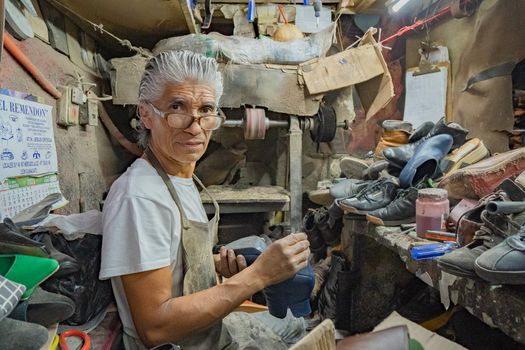
Beyond the Postcard: Unearthing Ancient Trades Locals Don't Want You to Know (Until Now!)
There’s a moment every seasoned traveler eventually encounters. You’re standing in front of another iconic landmark, surrounded by a sea of selfie sticks, and a quiet whisper in your mind asks, "Is this it? Is this truly experiencing a place?" I’ve been there countless times. My first trip to Venice, I fell head over heels for the gondolas and canals, but after the fifth souvenir shop selling identical, mass-produced masks, I craved something deeper. Something real.
That’s when I stumbled upon a tiny, unassuming workshop tucked away in a quiet calle. An elderly artisan, his hands gnarled with decades of practice, was meticulously painting a Venetian mask. No tourists, just the gentle scrape of his brush. I watched for an hour, mesmerized. That evening, over a glass of local wine, I found myself thinking: What if I could do that? What if I could learn a piece of this living history, not just observe it?
That thought sparked a new quest in my travels: to seek out the ancient trades, the hands-on skills passed down through generations, often hidden in plain sight, that you can actually learn in a single day. These aren't your typical tourist traps; these are the genuine, often family-run, workshops where locals practice and preserve their heritage. They're not always advertised on big billboards, and sometimes, the best way to find them is through a whispered recommendation or a keen eye. But trust me, the effort is worth it. Learning one of these skills isn't just about crafting a souvenir; it's about connecting with a culture on a profound level, creating a story that no postcard can ever tell.
Ready to trade your camera for a craftsman's tool? Let’s dive into some of the most rewarding ancient trades you can master in a day, complete with my personal experiences and tips on how to find these hidden gems.
1. The Potter's Wheel: Shaping Earth in Kyoto & Fès
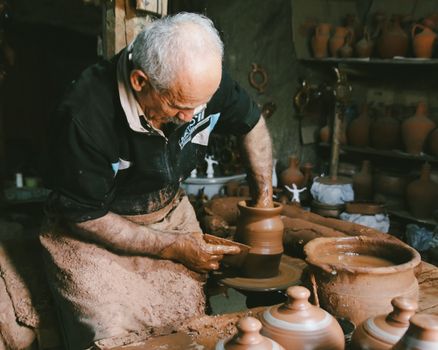
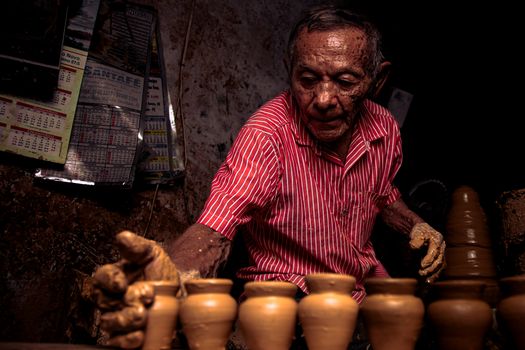
There’s something profoundly grounding about working with clay. The cool, malleable earth transforming under your hands feels almost magical. My first foray into pottery was in Kyoto, Japan, a city steeped in artisan traditions. I’d seen the beautiful Kiyomizu-yaki ceramics everywhere, but I wanted to make one.
Finding a workshop wasn't easy. Most places catered to long-term students. After a few dead ends and a friendly chat with my guesthouse owner, I was directed to a small, family-run studio in the Higashiyama district. It wasn't advertised online in English, but a quick call (with my guesthouse owner's help!) secured me a spot.
For about ¥3,500-¥5,000 (approx. $25-$35 USD), I spent three glorious hours with a patient sensei, learning the basics of the potter's wheel. My first attempts were wobbly, collapsing messes, but his gentle guidance and encouraging "Ganbatte!" (Do your best!) kept me going. By the end, I had a surprisingly decent, albeit slightly lopsided, tea bowl. They fired it for me, and it was shipped home a few weeks later – a truly unique souvenir that tells a story.
My Tip for Kyoto/Fès:
In Kyoto, look for smaller studios around Kiyomizu-dera or ask your ryokan/guesthouse for recommendations. In Fès, Morocco, the Fès el Bali medina is a labyrinth of artisan workshops. Many potters near the Chouara Tannery offer impromptu lessons. Just approach respectfully and ask. You might haggle a bit, but expect to pay around 200-400 MAD (approx. $20-$40 USD) for a few hours. The experience of shaping clay with the sounds and smells of the ancient medina around you is unforgettable.
Instagram Moment:
A close-up of your hands covered in clay, spinning a wobbly pot on the wheel, with a serene Japanese garden or bustling Moroccan alley in the background. #PotteryLife #KyotoCrafts #FesArtisan
2. Natural Dyeing & Block Printing: A Kaleidoscope of Color in Jaipur & Chiang Mai
Imagine creating vibrant patterns on fabric using only natural pigments derived from plants, roots, and minerals. This ancient art form is not only beautiful but also incredibly sustainable. My most vivid memory of this trade comes from Jaipur, India, the "Pink City," renowned for its textiles.
I initially signed up for a "block printing workshop" through a larger tour company, which was fine, but felt a bit manufactured. Determined to find something more authentic, I ventured into the Sanganer area, known for its traditional block printing. After wandering through dusty streets, following the rhythmic thud of printing blocks, I found a small, open-air workshop. No signs, just men bent over long tables, their hands stained with indigo and madder.
I awkwardly asked if I could learn. A kind man, Mr. Sharma, gestured me in. For 1,500-2,500 INR (approx. $18-$30 USD), I spent half a day learning about natural dyes (indigo, turmeric, pomegranate), how to mix them, and the intricate process of hand-carving wooden blocks (though I used pre-carved ones). The smell of natural dyes was intoxicating. My hands turned blue, then yellow, as I carefully pressed patterns onto a cotton scarf. It was messy, meditative, and utterly absorbing.
My Tip for Jaipur/Chiang Mai:
In Jaipur, head to Sanganer or Bagru. Don't book online. Just go, walk around, and look for active workshops. Be polite, ask if they teach, and be prepared to negotiate a fair price. In Chiang Mai, Thailand, many hill tribe villages offer natural dyeing and weaving experiences. Ask your guesthouse or a local guide for recommendations for small, community-run initiatives outside the city center. Expect to pay around 500-1000 THB (approx. $15-$30 USD).
Instagram Moment:
Your hands holding a freshly dyed, vibrantly patterned fabric, with drying textiles hanging in the background, catching the sunlight. #NaturalDye #BlockPrinting #JaipurTextiles #SustainableFashion
3. The Art of Calligraphy: Meditative Strokes in Seoul & Kyoto
Calligraphy is more than just writing; it's an art form, a meditation, a reflection of culture. The precision, the flow, the deliberate strokes – it's captivating to watch and even more so to try. My deep dive into this elegant trade happened in Seoul, South Korea.
I'd always admired the beauty of Hangul script, and during a visit to the Bukchon Hanok Village, I noticed a tiny sign for a "Calligraphy Experience" in a traditional hanok house. It wasn't a flashy tourist spot; it felt like stepping into someone's home. The class, led by a serene elderly woman, cost about 30,000-50,000 KRW (approx. $25-$40 USD) for a two-hour session.
We sat on cushions, surrounded by traditional art. She taught us the proper way to hold the brush, the importance of breath, and the basic strokes of Hangul characters. My first attempts were shaky and uneven, but as I focused, the ink flowed more smoothly, and a sense of calm washed over me. I left with a beautifully framed piece of my own (admittedly imperfect) calligraphy and a profound respect for the art.
My Tip for Seoul/Kyoto:
In Seoul, look for small cultural centers or hanok houses in Bukchon or Insadong. In Kyoto, Japan, many temples or cultural centers offer Shodo (Japanese calligraphy) workshops. Again, asking locals or looking for discreet signs near cultural sites is key. Some tea ceremony houses might also offer combined experiences. Prices are similar to pottery, around ¥3,000-¥6,000 (approx. $20-$45 USD).
Instagram Moment:
A close-up of your hand carefully guiding a brush across rice paper, with elegant ink characters forming. Or, your finished piece displayed in a traditional setting. #Calligraphy #KoreanArt #Shodo #MindfulTravel
4. Leather Tooling: Crafting History in Florence & Marrakech
The scent of leather immediately transports you to a bygone era. Leatherworking, from intricate tooling to simple stitching, is an ancient trade that still thrives in many parts of the world. My most memorable experience with this craft was in Florence, Italy, a city synonymous with exquisite leather goods.
I knew Florence had leather, but I wanted more than just a purse. I wanted to understand the craft. After visiting the famous San Lorenzo Market, I ventured away from the main tourist drag, down a narrow street, and found a small, almost hidden workshop. It had a worn wooden sign and the rich, unmistakable aroma of tanned leather. The artisan, Giovanni, was busy repairing a bag.
Hesitantly, I asked if he offered lessons. He initially seemed surprised, but after a friendly chat (and my broken Italian), he agreed to teach me how to tool a simple leather keychain. For €40-€70 (approx. $45-$80 USD), I spent an afternoon in his cramped but charming studio. He showed me how to dampen the leather, use various stamps and mallets, and even a bit of edge finishing. It was surprisingly therapeutic, the rhythmic tapping of the tools creating patterns on the sturdy leather. I walked away with a personalized keychain, a story, and the faint, beautiful smell of leather on my hands.
My Tip for Florence/Marrakech:
In Florence, explore the Oltrarno district, known for its artisan workshops. Look for small, non-descript storefronts away from the main squares. In Marrakech, Morocco, the tanneries are a major draw, but head into the souks for leather workshops. Many small stalls in the Bab Debbagh area offer short lessons. Be prepared to bargain, but expect to pay around 300-600 MAD (approx. $30-$60 USD) for a few hours of making a small item like a wallet or belt.
Instagram Moment:
A detailed shot of your hands pressing a design into leather with a tooling stamp, surrounded by rolls of leather and artisan tools. #LeatherCraft #FlorenceArtisan #MarrakechSouk #Handmade
5. Basket Weaving: The Rhythmic Art of Bali & Oaxaca
Basket weaving is one of humanity's oldest crafts, a testament to ingenuity and patience. Using natural fibers, artisans create functional and beautiful pieces. This was a trade I was eager to explore, and Ubud, Bali, with its lush landscapes and rich artistic traditions, was the perfect place.
I wanted an authentic experience, not a resort-organized tour. I asked my Balinese homestay host, who connected me with a local family in a nearby village. There was no formal class, just an invitation to sit and learn with them. For a modest fee of 200,000-400,000 IDR (approx. $13-$27 USD), which went directly to the family, I spent a morning learning to weave a small offering basket from palm leaves.
It was a slow, meditative process. The women of the family, with nimble fingers, guided my clumsy attempts. We sat on the floor of their open-air home, the sounds of roosters and children playing in the background. It wasn't about perfection; it was about the rhythm, the connection, and the sharing of a skill. I left with a simple basket, a deeper understanding of Balinese daily life, and a feeling of immense gratitude.
My Tip for Bali/Oaxaca:
In Bali, ask local guesthouse owners, drivers, or even warung (local restaurant) staff about weaving families in surrounding villages like Tegalalang or Penglipuran. Avoid larger, tourist-focused workshops for a more genuine experience. In Oaxaca, Mexico, look for Zapotec weaving villages like Teotitlán del Valle. While known for rugs, some families offer lessons in smaller basketry or textile arts. Expect to pay around 300-600 MXN (approx. $15-$30 USD).
Instagram Moment:
Your hands intricately weaving natural fibers, with a lush, tropical Balinese village scene or colorful Oaxacan textiles as a backdrop. #BasketWeaving #BaliCrafts #OaxacaArt #CulturalExchange
6. Silversmithing: Crafting Wearable Art in Ubud & Taxco
For those who dream of creating their own jewelry, silversmithing offers a unique opportunity to shape metal into wearable art. While complex pieces take years, simple techniques can be learned in a day, allowing you to craft a ring or pendant. My first attempt at this was also in Ubud, Bali.
Ubud is a hub for artisans, and while many jewelry shops abound, finding a genuine workshop that offers one-day classes requires a bit of digging. My search led me to a small studio just outside the main town, recommended by a fellow traveler I met at a yoga retreat. The studio was run by a local family, and the class cost around 500,000-800,000 IDR (approx. $35-$55 USD), including a set amount of silver.
Under the watchful eye of a master silversmith, I learned how to cut, file, solder, and polish sterling silver. The precision required was challenging, but the thrill of seeing a flat piece of metal transform into a beautiful, gleaming ring was immense. I chose a simple design, focusing on mastering the basic techniques. It was empowering to create something so personal and lasting.
My Tip for Ubud/Taxco:
In Ubud, look for studios slightly off the main Monkey Forest Road or ask at local art galleries. Many advertise "silver making classes," but inquire about small group or one-on-one sessions for a more focused experience. In Taxco, Mexico, the "Silver City," you'll find countless silversmiths. Ask around for workshops that offer short classes. Many are eager to share their craft. Expect to pay around 500-1000 MXN (approx. $25-$50 USD), often including a small amount of silver.
Instagram Moment:
A close-up of your hands using a tiny torch to solder silver, or proudly displaying your newly crafted silver ring/pendant. #Silversmithing #BaliJewelry #TaxcoSilver #HandmadeJewelry
How to Find These Hidden Gems (Locals' Secrets Revealed!)
The beauty of these experiences is their authenticity, which often means they're not on the main tourist circuit. Here’s how I’ve successfully sniffed them out:
- Ask Your Accommodation Host: This is my #1 tip. Guesthouse owners, B&B hosts, or even small hotel staff often have deep local connections and know who offers genuine lessons. They might even call ahead for you.
- Wander Away from the Main Drag: Get lost! Seriously. The best workshops are usually tucked away on side streets, in quiet neighborhoods, or just outside the main town center. Look for small, unpretentious signs, or simply the sounds and smells of active craftsmanship.
- Local Markets, Not Tourist Ones: Go to the markets where locals shop for everyday goods, not just souvenirs. You might find artisans selling their wares and be able to ask if they teach.
- Specialized Platforms (with a caveat): While I advocate for local discovery, platforms like Airbnb Experiences or GetYourGuide can sometimes list authentic, small-group workshops. However, always check reviews carefully and prioritize those led by local, independent artisans, not large tour operators.
- Look for Cultural Centers: Many towns have local cultural centers or heritage organizations that aim to preserve traditional crafts. They often offer workshops for both locals and visitors.
- Learn a Few Local Phrases: A simple "Do you teach?" or "Can I learn?" in the local language, along with a respectful smile, can open many doors. Google Translate is your friend!
- Be Flexible and Patient: These aren’t always rigidly scheduled classes. You might need to adjust your plans, wait a bit, or simply observe before an opportunity arises. That’s part of the adventure!
The Lasting Souvenir: More Than Just an Object
Learning an ancient trade in a day is about so much more than the object you create. It's about the connection you forge with a local, the understanding you gain of their culture, and the story you bring home that's uniquely yours. It’s about slowing down, engaging your hands and mind, and stepping into the shoes of someone who has dedicated their life to a craft.
These experiences are often the highlights of my trips – far more memorable than any iconic landmark. They’re the real "locals' secrets" because they require a bit of effort, a dose of curiosity, and a willingness to step off the well-trodden path. But once you do, you'll unlock a world of authentic travel that will enrich your journeys forever.
So, on your next adventure, skip one souvenir shop and seek out a workshop instead. You might just discover a hidden talent and create the most meaningful memento of your life.
What ancient trade would you love to learn in a day? Share your thoughts and dream workshops in the comments below!
---