Unplug, Create, Connect: Why Ancient Trades Are the New Travel Trend You Need to Try
The scent of damp clay, the rhythmic whisper of a calligraphy brush, the earthy aroma of simmering plant dyes – these are not just sensory details from a bygone era. They're the vibrant, living pulse of a travel trend that's sweeping the globe, inviting us to ditch the endless scroll and truly engage.
I remember my first trip to Florence. I spent days ticking off museums, snapping photos, and feeling… a little hollow. Don't get me wrong, the art was breathtaking, but I felt like an observer, not a participant. It was beautiful, but it wasn't mine. Fast forward a few years, and a spontaneous decision in Kyoto changed everything. Instead of another temple, I booked a half-day pottery workshop. My hands, clumsy at first, found their rhythm on the wheel. The focus was intense, the clay cool and malleable, and for three blissful hours, my phone was forgotten. I walked out with a lopsided, yet deeply satisfying, tea bowl and a profound sense of accomplishment. I hadn't just seen Kyoto; I had created something in Kyoto.
That’s the magic of ancient trades. In a world saturated with digital noise and fleeting experiences, there's a growing yearning for authenticity, for skill, for the tangible. Travelers are seeking more than just Instagrammable backdrops; they want stories, memories, and perhaps, a new skill to take home. And the best part? Many of these incredible, age-old crafts can be learned, or at least started, in a single, immersive day. Ready to trade your screen time for skill time? Let's dive into some of the most trending ancient trades you can master on your next adventure!
1. The Potter's Wheel: Throwing Clay and Stress Away
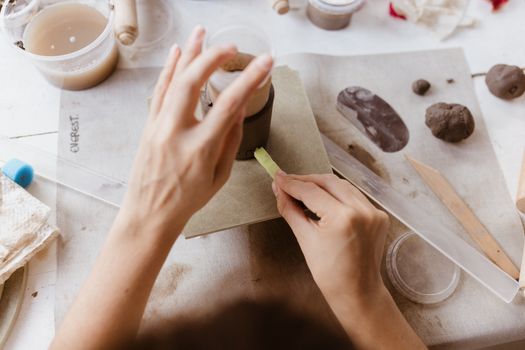
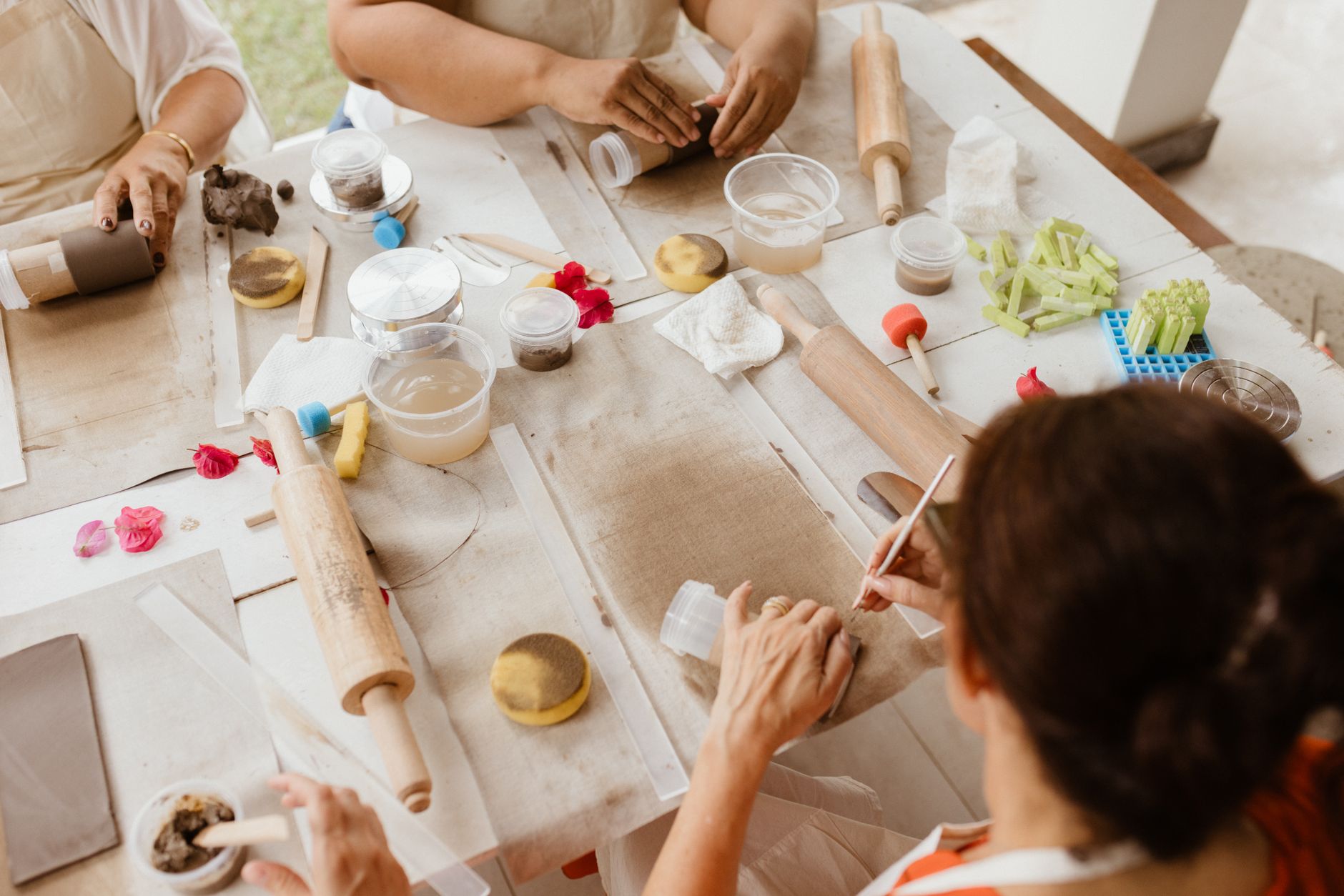
There's something deeply therapeutic about working with clay. It's primal, tactile, and incredibly satisfying. From the earliest civilizations, pottery has been essential for storage, cooking, and art. Today, it's experiencing a massive resurgence, driven by a desire for handmade goods, sustainable living, and a need for mindful, screen-free activities. It’s trending because it offers a tangible connection to the earth and a chance to create something truly unique.
My Experience:
My Kyoto pottery session was an eye-opener. The instructor, a patient elderly woman with hands gnarled from decades of throwing, guided me with gentle nudges and encouraging smiles. My first attempts were disastrous — collapsing lumps and wobbly towers. But slowly, with her help, a rudimentary bowl began to take shape. The sensation of the spinning clay, the cool water, the focused breathing – it was a meditation in motion. I felt a profound sense of calm and accomplishment. Plus, getting a little messy is part of the fun!
Why it's Trending Now:
* Mindfulness & Digital Detox: The intense focus required to center clay on a wheel forces you to be present, making it a perfect antidote to digital overload.
* Sustainable Living: A move towards handcrafted, durable items over mass-produced goods.
* Home Decor & Gifting: Unique, handmade pottery adds character to any home and makes for incredibly thoughtful gifts.
What You'll Learn in a Day:
Most introductory workshops focus on basic wheel throwing techniques (centering, pulling walls) or hand-building (pinch pots, coil pots, slab work). You'll typically create 1-3 pieces.
Practical Tips: Wear clothes you don't mind getting dirty (clay washes out easily, but better safe than sorry!). Short nails are a plus.
Locations & Prices:
* Kyoto, Japan: Many studios offer English-friendly workshops. I paid ¥3,500 (~$25 USD) for a 2-hour session, including firing and shipping (though shipping adds extra cost and time). Check out places like Uzumaki Ceramics or Kiyomizu-yaki Danchi.
* Pisa, Italy: Immerse yourself in Tuscan ceramic traditions. "Ceramiche d'Arte" studios often offer half-day classes. Expect €60-€100 (~$65-$110 USD) for a 3-4 hour session.
* Mexico City, Mexico: Explore vibrant Talavera-style pottery. Workshops can range from MXN 800-1500 (~$45-$85 USD) for a half-day experience.
Instagram-Worthy Moment:
A shot of your hands covered in clay, skillfully shaping a pot on the wheel, or your finished (even if slightly wonky) creation proudly displayed. #PotteryLife #ClayTherapy #HandmadeTravel
2. The Art of the Pen: Calligraphy for Inner Peace
From ancient scrolls to illuminated manuscripts, calligraphy has always been more than just writing; it's an art form steeped in discipline, history, and beauty. Whether it’s the fluid strokes of Arabic script, the meditative precision of Japanese Shodo, or the elegant flourishes of Western copperplate, learning calligraphy is a journey into focus and aesthetic appreciation. It’s trending as a powerful tool for mindfulness and a way to add a personal, artistic touch to communication in a digital age.
My Experience:
I signed up for an Arabic calligraphy workshop in Marrakech's bustling Medina. The instructor, a jovial man named Hassan, offered me mint tea as he patiently demonstrated the graceful curves and sharp angles of the Thuluth script. Holding the qalam (reed pen) for the first time felt awkward, but as I practiced, a rhythm emerged. Each stroke required breath control and steady hands. It was incredibly challenging, yet intensely calming. I left with a newfound appreciation for the written word and a beautiful, albeit imperfect, rendition of "Salam" (peace).
Why it's Trending Now:
* Mindfulness & Meditation: The slow, deliberate strokes are deeply meditative, promoting focus and reducing stress.
* Personalized Touch: Creating beautiful cards, gifts, or art for your home adds a unique, handcrafted element.
* Cultural Immersion: A direct link to the history and spirituality of various cultures.
What You'll Learn in a Day:
Beginners typically learn basic strokes, letterforms, and how to use the specific tools (qalam, ink, paper for Arabic; fude brush, ink, rice paper for Japanese; dip pen, ink, specific papers for Western). You'll usually complete a short phrase or your name.
Practical Tips: Bring reading glasses if you need them for fine detail. Wear comfortable clothing.
Locations & Prices:
* Marrakech, Morocco: Many cultural centers or local artists in the Medina offer workshops. I found mine through a local Riad. Expect MAD 300-600 (~$30-$60 USD) for a 2-3 hour session, including materials.
* Kyoto, Japan: Shodo (Japanese calligraphy) classes are widely available. Look for studios near Gion or Arashiyama. Prices range from ¥4,000-7,000 (~$28-$50 USD) for a 1.5-2 hour introductory class.
* London, UK: Numerous art schools and independent calligraphers offer workshops in various Western scripts. Prices can be higher, £70-£120 (~$90-$150 USD) for a half-day workshop, often including a starter kit.
Instagram-Worthy Moment:
A close-up of your hand gracefully guiding the pen, a beautifully arranged set of calligraphy tools, or your finished piece with a scenic background. #CalligraphyArt #MindfulWriting #AncientScript
3. Nature's Palette: The Magic of Natural Dyeing
Before synthetic dyes, the world was colored by plants, insects, and minerals. Natural dyeing is the art of extracting these vibrant hues to color textiles. This ancient practice is experiencing a massive comeback, fueled by a global movement towards sustainability, ethical fashion, and a desire to reconnect with nature. It’s trending because it's eco-friendly, visually stunning, and offers a unique way to create personalized, chemical-free items.
My Experience:
In a small village outside Ubud, Bali, I stumbled upon a textile workshop focusing on natural dyes. We collected leaves, flowers, and barks from the surrounding jungle. The process was fascinating: chopping materials, simmering them in huge pots, and then carefully submerging pre-mordanted fabric. The anticipation as you pull the fabric out, watching the color slowly reveal itself, is pure magic. I dyed a silk scarf with indigo (a deep, rich blue) and a cotton tote bag with marigold flowers (a sunny yellow). The instructor, Wayan, shared stories of his grandmother’s dyeing traditions, making the experience even richer.
Why it's Trending Now:
* Sustainability & Eco-Consciousness: A direct alternative to chemical dyes, reducing environmental impact.
* Slow Fashion Movement: Embracing unique, handcrafted textiles over fast fashion.
* Connection to Nature: Learning about local flora and their dyeing properties.
What You'll Learn in a Day:
You'll typically learn about different mordants (substances that help dyes bind to fabric), how to prepare fabrics, extract dyes from natural materials (e.g., indigo, madder root, cochineal, various plant leaves), and basic immersion or tie-dye techniques. You'll usually dye a small item like a scarf, tote bag, or t-shirt.
Practical Tips: Wear old clothes, as some dyes can stain. Bring a notepad to jot down recipes and tips.
Locations & Prices:
* Ubud, Bali, Indonesia: Many artisan workshops and eco-tourism centers offer natural dyeing classes. I paid IDR 500,000 (~$35 USD) for a 4-hour workshop, including materials and a light snack. Check out Threads of Life or local craft villages.
* Oaxaca, Mexico: Famous for its vibrant natural dyes, especially cochineal (reds) and indigo. Workshops are often offered by Zapotec weaving cooperatives. Expect MXN 1000-2000 (~$55-$110 USD) for a half-day session.
* Provence, France: Explore traditional French dyeing with local plants. Smaller, independent workshops may be found in rural areas. Prices can vary but expect €70-€150 (~$75-$160 USD) for a half-day.
Instagram-Worthy Moment:
Hands stained with indigo, colorful fabrics hanging to dry in the sun, a close-up of the plant materials used, or your beautifully dyed creation against a natural backdrop. #NaturalDyeing #EcoFashion #PlantDyes #SustainableStyle
4. The Art of "Mamma Mia!": Traditional Pasta Making
Okay, so maybe "ancient" is a stretch for pasta as we know it, but the tradition of making food by hand, from scratch, using simple ingredients, is as old as civilization itself. In Italy, crafting fresh pasta is a beloved culinary art passed down through generations. It’s trending because it connects us directly to the heart of Italian culture, offers a delicious, tangible skill, and provides an authentic taste of "la dolce vita."
My Experience:
In a sun-drenched kitchen in Rome, just a stone's throw from the Colosseum, I joined a small group for a pasta-making class. Our instructor, Nonna Elena (though she insisted we call her just Elena), was a whirlwind of flour, laughter, and wisdom. We started with a mound of flour on a wooden board, creating a well for the eggs. Kneading the dough, feeling it transform from sticky mess to smooth, elastic perfection, was incredibly satisfying. Then came the rolling – first with a heavy wooden pin, then through a hand-cranked machine. We made tagliatelle and ravioli, filling them with ricotta and spinach. The best part? Eating our creations afterward, drenched in a simple, fresh tomato sauce, paired with local wine. It was more than a cooking class; it was a feast for the senses and the soul.
Why it's Trending Now:
* Experiential Dining: More engaging than just eating out; you create your meal.
* Cultural Immersion: A deep dive into Italian culinary traditions and hospitality.
* Home Cooking Skills: A practical, delicious skill to impress friends and family back home.
* Mindful Eating: Appreciating the process of making food from scratch.
What You'll Learn in a Day:
Typically, you'll learn to make egg dough from scratch, how to knead, roll, and cut various pasta shapes (e.g., tagliatelle, fettuccine, ravioli, tortellini). You'll also learn to prepare a simple, traditional sauce.
Practical Tips: Wear comfortable shoes (you'll be standing!). An apron is usually provided, but wear clothes you don't mind getting a bit floury. Come hungry!
Locations & Prices:
* Rome, Italy: Countless cooking schools and local hosts offer pasta-making classes. My class was €80 (~$85 USD) for a 3-hour session, including ingredients, wine, and the meal. Look for "EatWith" experiences or reputable schools like "Cookly."
* Bologna, Italy: Known as the culinary capital of Italy, Bologna is a prime spot for pasta. Expect €70-€120 (~$75-$130 USD) for a 3-4 hour class.
* Florence, Italy: Similar offerings to Rome, often combined with market visits. Prices are comparable.
Instagram-Worthy Moment:
Hands covered in flour, perfectly rolled pasta sheets, colorful ravioli waiting to be cooked, or your delicious homemade meal with a glass of wine. #PastaMaking #ItalianCooking #FoodieTravel #HandmadePasta
5. The Craft of the Artisan: Basic Leatherworking
Leather has been a fundamental material for humanity for millennia, used for clothing, tools, and protection. Today, small-scale leatherworking is making a strong comeback, driven by a desire for durable, high-quality goods that stand the test of time, a rejection of fast fashion, and an appreciation for traditional craftsmanship. It’s trending because it’s a versatile skill that allows you to create beautiful, long-lasting items with your own hands.
My Experience:
On a trip through Portugal, I found a small leather workshop tucked away in a Lisbon alleyway. The artisan, Miguel, taught me how to make a simple cardholder. The smell of tanned leather was intoxicating. He showed me how to cut, punch holes for stitching, and then, the satisfying rhythm of saddle stitching – two needles moving in opposite directions, creating an incredibly strong seam. I learned about different leather types, tools, and finishing techniques. While my cardholder wasn't perfect, the process of transforming a flat piece of hide into a functional, beautiful object was incredibly rewarding.
Why it's Trending Now:
* Durability & Quality: A focus on creating items that last a lifetime, contrasting with disposable consumerism.
* Personalization: The ability to craft unique, custom items or gifts.
* Connection to Craftsmanship: Appreciating the skill and effort behind handmade goods.
* Tactile & Creative Outlet: Working with a natural material to create something functional and beautiful.
What You'll Learn in a Day:
Most introductory workshops focus on making small items like a cardholder, keychain, small wallet, or passport cover. You'll learn basic cutting, punching, stitching (saddle stitch is common), edge finishing, and potentially some simple stamping or dyeing.
Practical Tips: Listen carefully to safety instructions for sharp tools. Wear comfortable clothes.
Locations & Prices:
* Lisbon, Portugal: Many independent artisans offer workshops. I paid €75 (~$80 USD) for a 3-hour workshop, including all materials for my cardholder. Look for workshops in areas like Baixa or Alfama.
* Florence, Italy: Famous for its leather goods, Florence has numerous schools and workshops. Prices can range from €90-€150 (~$95-$160 USD) for a 3-4 hour session, often focusing on small accessories.
* Portland, Oregon, USA: A hub for modern craft, many independent leatherworkers offer workshops. Expect $100-$200 USD for a half-day class, often including a take-home kit.
Instagram-Worthy Moment:
Hands working with leather and tools, a close-up of the stitching process, your finished leather item with a beautiful background, or a flat lay of tools and materials. #LeatherCraft #HandmadeLeather #ArtisanSkills #DurableGoods
Why These Ancient Skills Are More Than Just a Day's Activity
Learning an ancient trade in a day isn't just about the finished product, though bringing home a handmade souvenir is pretty cool. It's about the journey:
* Digital Detox: A forced break from screens, offering true presence.
* Cultural Immersion: A deeper understanding of local traditions and history.
* Mindfulness: The focus required for these crafts is incredibly calming and meditative.
* Tangible Skills: You walk away with a real, usable skill and a sense of accomplishment.
* Unique Memories: These experiences stand out far more than another selfie in front of a landmark.
So, on your next adventure, dare to be different. Seek out a local artisan, book that workshop, and get your hands dirty. You might just discover a hidden talent, a new passion, or at the very least, an unforgettable story to tell.
Ready to get your hands dirty and make some incredible travel memories? Which ancient trade will you try first? Share your thoughts and experiences in the comments below!
---