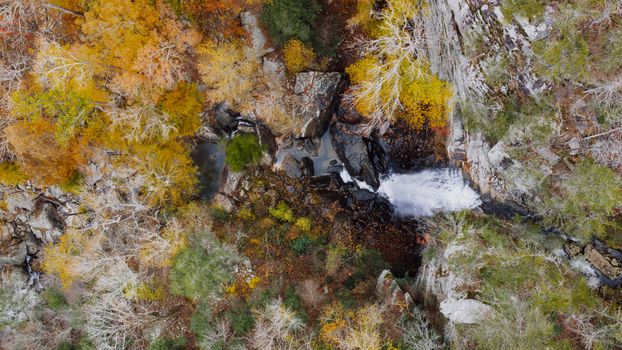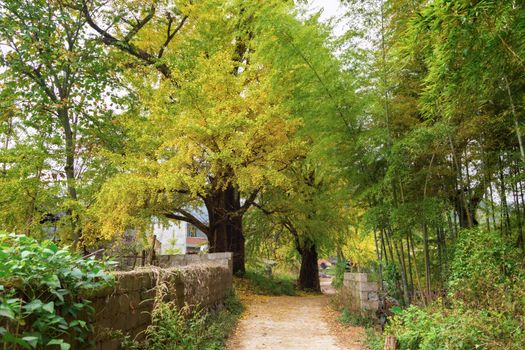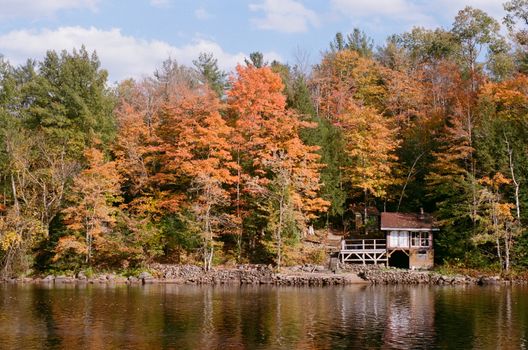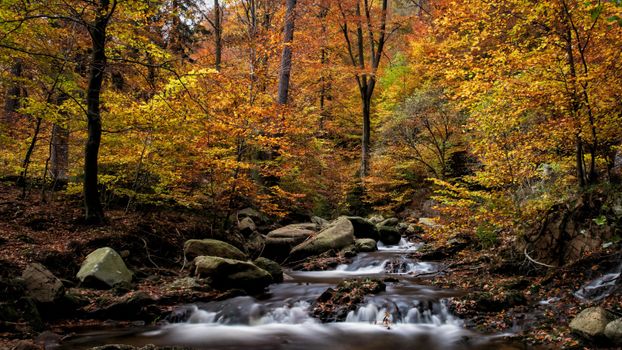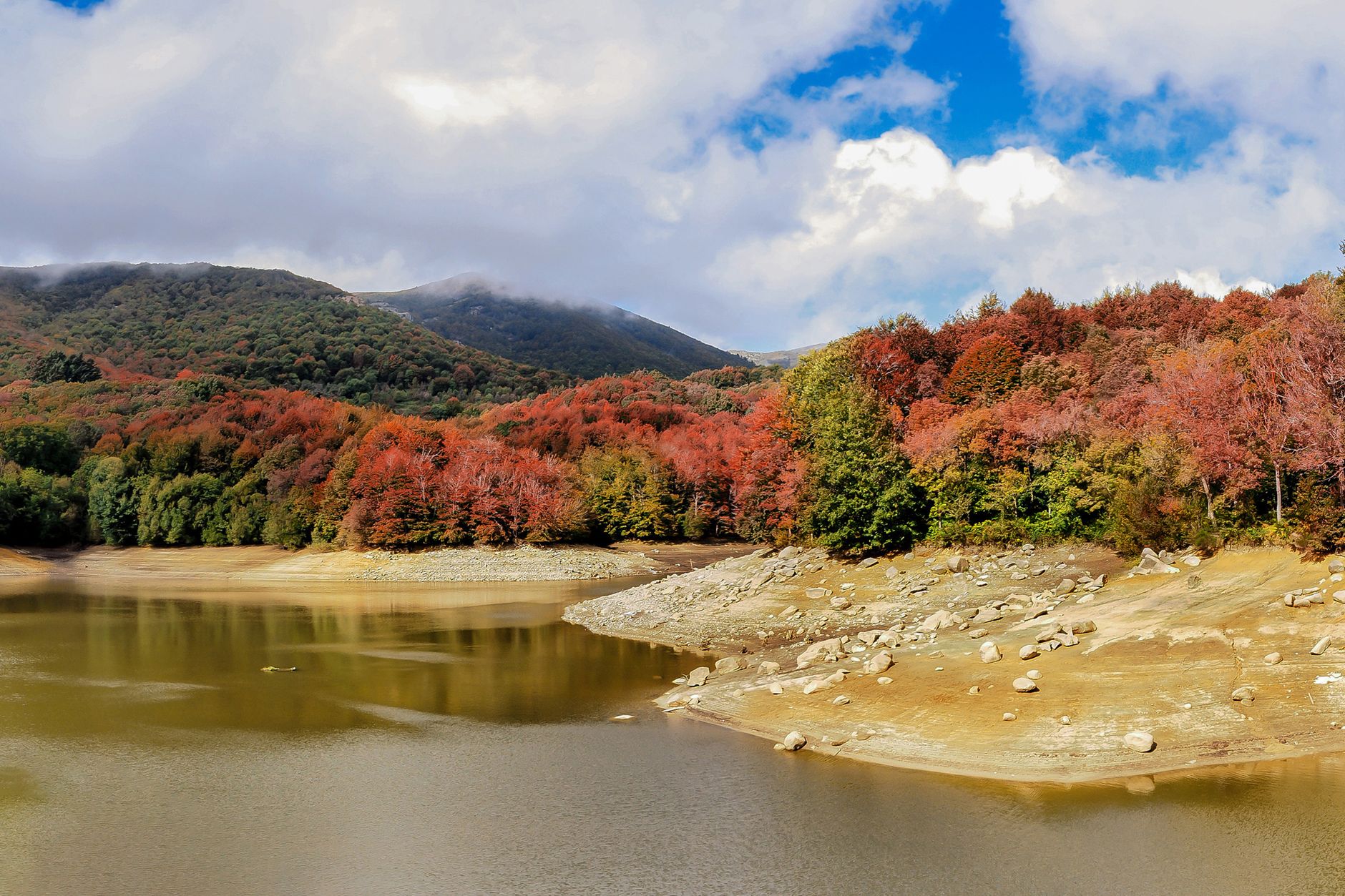
The crisp air, the scent of damp earth and woodsmoke, the sun painting the landscape in audacious strokes of crimson, gold, and burnt orange – there’s nothing quite like fall. But let’s be honest, chasing those iconic autumn colors often feels more like a competitive sport than a serene escape. I’ve been there, elbowing my way through leaf-peeping throngs in Vermont, stuck in traffic jams in the Smokies, all for a fleeting glimpse of beauty that feels slightly… diminished by the sheer volume of humanity.
It was during one such frustrating experience, stuck bumper-to-bumper on a winding road in upstate New York, that I had an epiphany. There had to be another way. There had to be places where the autumn magic was just as vibrant, but the crowds were non-existent. Places where you could hear the rustle of leaves underfoot instead of endless chatter, where the only competition for that perfect photo was a curious deer. I decided then and there that my next fall adventure would be a quest for the truly hidden, the genuinely local, the spots that haven't yet been plastered all over Instagram (or at least, not too much).
What I found blew my mind. These weren't just "less crowded" alternatives; they were destinations steeped in their own unique charm, offering a completely different perspective on autumn. They were places where the fall colors felt like a personal gift, a secret shared between me and the landscape. And yes, I'm fully aware I might be breaking some unspoken rules by sharing them with you now. But that's the Tripsora way, isn't it? To inspire you to go deeper, to explore further, and to experience the world like a local, even when the locals would prefer you didn't.
So, pack your hiking boots, grab your camera, and prepare to be amazed. Because these are the fall color destinations you've never considered, the ones locals have been trying desperately to keep to themselves.
*
1. Hocking Hills State Park, Ohio, USA: Midwest's Mystical Canyon Hues
When you think of fall colors in the US, Ohio probably isn't the first state that springs to mind. But tucked away in the southeastern part of the state, Hocking Hills State Park is a geological marvel that transforms into an absolute riot of color each autumn. Think deep gorges, towering cliffs, recessed caves, and waterfalls – all framed by a canopy ablaze with scarlet oak, golden hickory, and deep purple dogwood. It’s like a miniature, forested Grand Canyon, but with more water and vastly fewer people than its famous counterparts.
Why it's a secret:
Ohioans know and love Hocking Hills, but it rarely makes national "best fall foliage" lists, overshadowed by New England. Its unique topography means the colors are often viewed from the bottom of a gorge looking up, or from a cliff edge looking down, offering dynamic perspectives you won't find just anywhere. The microclimates within the gorges can also mean a slightly extended fall season, with vibrant pockets holding onto their leaves longer than the surrounding highlands.
My Anecdote:
I remember my first time descending into Ash Cave in late October. The air was cool and damp, and the massive sandstone recess felt like a natural cathedral. Above, the rim was a kaleidoscope of color, with leaves spiraling down into the open cave mouth like nature's confetti. A lone acoustic guitar player was softly strumming near the entrance, adding to the almost spiritual atmosphere. It felt incredibly intimate, a truly magical moment far removed from any "tourist trap" vibe.
Practical Tips:
* Best Time: Mid-October to early November. The colors peak a bit later here due to the varied elevation and protected gorges.
* Must-See Spots: Old Man's Cave (Upper Falls, Devil's Bathtub), Cedar Falls, Ash Cave, and Rock House. For a more strenuous hike and breathtaking views without the crowds, check out the Conkle's Hollow State Nature Preserve, particularly the Rim Trail. The views from the top are unparalleled.
* Accommodation: Book a cabin! There are countless charming, rustic cabins for rent in the surrounding area, often with hot tubs and fire pits, perfect for cozy fall evenings. Check out sites like Hocking Hills Cabins or Old Man's Cave Chalets.
* Local Eats: Grab a hearty breakfast at the Olde Dutch Restaurant in Logan for some true Midwestern comfort food before hitting the trails. For dinner, Hocking Hills Winery offers delicious wood-fired pizzas and local wines in a relaxed setting.
* Instagram Moment: The view from the top of the Rim Trail at Conkle's Hollow, looking down into the vibrant gorge. Or catch the reflection of the colored leaves in the still waters of Devil's Bathtub at Old Man's Cave.
*
2. The Ozark National Forest, Arkansas, USA: Southern Charm, Northern Hues
When you picture fall foliage in the South, you might think of the Great Smoky Mountains. But head west to Arkansas, and you'll discover the ancient, rolling hills of the Ozark National Forest, a sprawling wilderness that puts on a spectacular, uncrowded autumn show. Here, the colors are a rich tapestry of deep reds from sumac and oak, brilliant yellows from hickory and birch, and warm oranges from sassafras. The rugged terrain, punctuated by clear rivers, limestone bluffs, and hidden waterfalls, makes for a truly adventurous leaf-peeping experience.
Why it's a secret:
The Ozarks often fly under the radar for fall colors, perhaps because of their southern location or the perception that they're "just hills." But these aren't just any hills; they're ancient mountains, eroded over millennia, creating a complex landscape that holds color beautifully. The sheer size of the National Forest means you can drive for miles without seeing another car, truly immersing yourself in the quiet beauty.
My Anecdote:
One crisp morning, I drove the iconic Pig Trail Scenic Byway (Highway 23) – a winding, twisting road that truly lives up to its name. The fog was just lifting from the valleys, revealing layers of vibrant color. I pulled over at a small, unmarked overlook, and the only sound was the chirping of crickets and the distant rush of a creek. It felt like I had stumbled upon a private art gallery, with nature as the sole artist. Later, I hiked to Whitaker Point (Hawksbill Crag), a famous rock formation, and the view over the fiery valley was absolutely breathtaking, with only a handful of other hikers.
Practical Tips:
* Best Time: Late October to mid-November. The peak can vary depending on elevation and specific tree species.
* Must-See Spots:
* Scenic Drives: The Pig Trail Scenic Byway (Highway 23) is a must. Also, consider the Boston Mountains Scenic Loop (Highway 71 and I-540) for expansive views.
* Hiking: Whitaker Point (Hawksbill Crag) near Ponca offers an iconic photo op. For waterfalls amidst the fall colors, check out the trails around Lost Valley or Glory Hole Falls.
* Water Activities: Rent a canoe or kayak on the Buffalo National River for an incredible perspective of the bluffs and trees from the water.
* Accommodation: Small towns like Eureka Springs offer charming historic hotels and B&Bs. For a more immersive experience, consider camping in the National Forest or renting a cabin near Ponca or Jasper.
* Local Eats: In Eureka Springs, grab a bite at the quirky Local Flavor Cafe. For a taste of true Ozark hospitality, seek out a small-town diner – you'll find excellent pie and friendly faces.
* Instagram Moment: The dramatic overlook from Whitaker Point (Hawksbill Crag) framed by golden leaves. Or a long exposure shot of a waterfall like Glory Hole Falls surrounded by autumn hues.
*
3. Transylvania, Romania: Medieval Castles & Fiery Forests
Forget the spooky legends for a moment, and picture Transylvania in autumn: ancient forests ablaze with color, medieval villages nestled in valleys, and Dracula's castles standing sentinel against a backdrop of fiery red and gold. The Carpathian Mountains, which snake through this region, are home to vast, unspoiled forests of beech, oak, and hornbeam that transform into an otherworldly spectacle. This isn't your typical manicured fall landscape; it's wild, rugged, and deeply atmospheric.
Why it's a secret:
While Romania is gaining popularity, its fall foliage is still largely unknown to international tourists, who often visit in summer or winter. The country's rich history and cultural sites typically overshadow its natural beauty in travel guides. Plus, the sheer density of the forests means you can wander for hours without encountering another soul, truly feeling like you've stepped into a forgotten fairytale.
My Anecdote:
I rented a car and drove through the Prahova Valley towards Bran Castle one late October. The winding road was lined with trees displaying every shade of red, yellow, and orange imaginable. As I approached Bran Castle, it wasn't the gothic architecture that captivated me most, but the vibrant forest clinging to the hills around it, making the castle look even more dramatic against the colorful backdrop. Later, driving through the small villages, I stopped at a roadside stall selling locally made cheese and honey, chatting with the old woman who ran it, her face weathered but warm. It was a slice of authentic Romanian life, untouched by mass tourism.
Practical Tips:
* Best Time: Mid-October to early November. The higher elevations will peak earlier, while the valleys hold color longer.
* Must-See Spots:
* Scenic Drives: Drive the Transfagarasan Highway (if still open – usually closes late October) for incredible mountain views and hairpin turns through vibrant forests. Alternatively, the road between Sighisoara and Brasov offers stunning pastoral and forested landscapes.
* Castles & Fortified Churches: Visit Bran Castle and Peles Castle (in Sinaia) for their historical significance, but also for the incredible fall backdrops. Explore the fortified churches in places like Viscri or Biertan, surrounded by autumnal fields.
* Hiking: The Bucegi Mountains or Piatra Craiului National Park offer excellent hiking trails through old-growth forests that are simply spectacular in autumn.
* Accommodation: Stay in a charming guesthouse (pensiune) in a small village like Magura or Simon for an authentic experience, or in a larger town like Brasov for more amenities.
* Local Eats: Indulge in hearty Romanian cuisine – try sarmale (cabbage rolls), mici (grilled sausages), and ciorba (sour soup). Visit a local market for fresh produce and artisanal goods.
* Instagram Moment: Bran Castle framed by fiery autumn trees, or a panoramic view of the Prahova Valley from a mountain pass on the Transfagarasan Highway. Capture the mist rising over a medieval village at dawn.
*
4. Hokkaido, Japan (Daisetsuzan National Park): Japan's Earliest & Wildest Autumn
Everyone knows Japan for its spring cherry blossoms, and many also flock to Kyoto or Nikko for fall foliage. But for a truly wild, early, and utterly breathtaking autumn experience, head north to Hokkaido, Japan's northernmost island. Specifically, Daisetsuzan National Park, often called the "Playground of the Gods," is where Japan's fall colors begin, sometimes as early as mid-September. Here, volcanic peaks, alpine meadows, and vast forests of Japanese larch, mountain ash, and dwarf stone pine explode in a symphony of gold, crimson, and rust.
Why it's a secret:
Hokkaido is often seen as a winter destination for skiing or a summer escape for lavender fields. Its fall colors are earlier and more remote than the popular spots on Honshu, making it less accessible for a quick trip but incredibly rewarding for those who venture there. The rugged, volcanic landscape provides a dramatic contrast to the vibrant foliage, offering a unique Japanese autumn aesthetic.
My Anecdote:
My trip to Daisetsuzan was an unexpected detour, and it turned out to be one of the most memorable fall experiences of my life. I took the ropeway up Mount Asahidake, Hokkaido's highest peak, in late September. The lower slopes were a patchwork of greens and yellows, but as we ascended, the landscape transformed into a sea of brilliant reds and oranges. At the top, the volcanic vents steamed gently, surrounded by a carpet of dwarf stone pine that had turned a stunning, deep burgundy. The air was crisp, and the silence was profound, broken only by the wind and the crunch of volcanic gravel underfoot. It felt like walking on another planet, painted in autumn's most vivid hues.
Practical Tips:
* Best Time: Mid-September to early October for higher elevations (like Asahidake), extending into late October for lower areas. This is Japan's earliest fall foliage.
* Must-See Spots:
* Daisetsuzan National Park: Focus on the Asahidake Onsen area for the ropeway up Mount Asahidake. Also explore the Sounkyo Gorge for dramatic cliffs and waterfalls framed by autumn leaves.
* Shiretoko National Park: Further east, Shiretoko offers coastal fall colors and wildlife viewing (bears!).
* Drives: The roads through Daisetsuzan are incredibly scenic. Consider driving the Hokkaido Garden Path for a blend of gardens and natural beauty.
* Accommodation: Stay in an onsen (hot spring) resort near Asahidake or Sounkyo for a relaxing experience after hiking. Traditional Japanese guesthouses (ryokan) offer a cultural immersion.
* Local Eats: Hokkaido is famous for its fresh seafood (sushi, crab), ramen (especially miso ramen), and dairy products. Don't miss the local sake.
* Instagram Moment: The view from the top of Mount Asahidake, with the steaming volcanic vents surrounded by vibrant red alpine plants. Or the dramatic cliffs of Sounkyo Gorge with a waterfall cascading amidst the fall colors.
*
5. Bieszczady Mountains, Poland: Europe's Wild East in Autumn
If you're truly seeking an untouched, off-the-beaten-path fall experience in Europe, look no further than the Bieszczady Mountains in southeastern Poland. This remote region, bordering Ukraine and Slovakia, is one of the wildest and least populated areas in Europe. It's a land of rolling połoniny (alpine meadows), ancient beech forests, and sleepy villages, where bison and wolves still roam freely. In autumn, the vast beech forests turn a rich, warm gold, interspersed with the deep reds of maples and the dark greens of firs, creating an incredibly serene and majestic landscape.
Why it's a secret:
The Bieszczady region is far from Poland's main tourist routes (Krakow, Warsaw). Its history of forced resettlements and remoteness has kept it largely undeveloped, preserving its wild character. Locals cherish its tranquility and rugged beauty, often preferring to keep it a secret from the masses. It's a place for slow travel, for connecting with nature, and for experiencing a different side of Europe.
My Anecdote:
I spent a week hiking in the Bieszczady Mountains, staying in small agroturystyka (farm stays). One morning, I set out before dawn to hike up Połonina Wetlińska. The air was icy, and a thick mist shrouded the valleys below. As the sun rose, it began to burn off the fog, revealing layers of golden beech forests stretching as far as the eye could see, punctuated by the distinctive rounded peaks of the połoniny. I reached the Schronisko PTTK na Połoninie Wetlińskiej (a mountain hut) and warmed up with a cup of hot tea, sharing the moment with just a few other Polish hikers. It was an experience of profound peace and raw natural beauty, a world away from the bustling cities.
Practical Tips:
* Best Time: Mid-October to early November. The beech forests are particularly stunning in late autumn.
* Must-See Spots:
* Hiking: Hike the trails to the major połoniny: Połonina Wetlińska, Połonina Caryńska, and Tarnica (the highest peak in the Polish Bieszczady). The views from these open ridges are spectacular.
* Villages: Explore charming villages like Wetlina or Ustrzyki Górne, which serve as trailheads.
* Wilderness: Keep an eye out for wildlife – bison, deer, and even bears and wolves if you're lucky (and respectful).
* Accommodation: Stay in an agroturystyka (farm stay) or a small guesthouse in one of the villages. This is the best way to experience local hospitality.
* Local Eats: Try pierogi (dumplings), bigos (hunter's stew), and regional specialties like kwas chlebowy (a fermented bread drink). Many farm stays offer delicious home-cooked meals.
* Instagram Moment: The panoramic view from the top of Połonina Wetlińska or Połonina Caryńska, with endless golden beech forests stretching into the misty valleys. Capture the quiet charm of a wooden village church against the autumn backdrop.
*
6. Argentine Patagonia (Los Glaciares National Park Region): Southern Hemisphere's Fiery Fall
When you think of Patagonia, you probably picture towering granite peaks, massive glaciers, and vast steppes. And while that's all true, visit in autumn (their fall!) and you'll discover an entirely different, equally spectacular landscape. The deciduous lenga and ñire trees that cling to the lower mountain slopes transform into an incredible palette of fiery reds, oranges, and deep burgundies, contrasting dramatically with the icy blue glaciers and snow-capped peaks. This is fall foliage on an epic, raw scale, and because it's the shoulder season, you'll find far fewer crowds.
Why it's a secret:
Most tourists flock to Patagonia during the peak summer months (December-February) for trekking and warmer weather. Autumn (March-May) is often overlooked, considered "off-season" by some, which is precisely why it's a hidden gem for fall colors. The weather can be more unpredictable, but the reward of vibrant foliage against a glacial backdrop is unparalleled.
My Anecdote:
I decided to visit El Chaltén, Argentina's trekking capital, in late April. The winds were biting, and snow flurries dusted the peaks of Fitz Roy, but the lenga forests around the base were absolutely incandescent. Hiking to Laguna de los Tres, I passed through forests that were a blazing tunnel of red and orange, the leaves crunching underfoot. Reaching the viewpoint, the iconic Fitz Roy massifs stood majestically above a foreground of brilliant autumn foliage, and the glacier-fed lake was a deep, intense blue. There were only a handful of other hikers, and the silence, broken only by the wind, was profound. It felt like I had the world's most dramatic landscape almost entirely to myself.
Practical Tips:
* Best Time: Mid-April to mid-May. This is the heart of autumn in the Southern Hemisphere. The colors are at their peak, and while the weather can be colder, the crowds are significantly reduced.
* Must-See Spots:
* El Chaltén: The trekking capital. Hike to Laguna de los Tres (for Fitz Roy views) and Laguna Torre (for Cerro Torre views). The trails are lined with stunning lenga forests.
* El Calafate: Visit Perito Moreno Glacier, where the vibrant fall colors on the surrounding hills provide a spectacular frame for the massive ice field.
* Scenic Drives: Drive the Ruta 40 between El Calafate and El Chaltén, or explore the dirt roads around El Chaltén for remote viewpoints.
* Accommodation: In El Chaltén, you'll find a range of guesthouses (hosterías) and hostels. Book in advance, even in shoulder season, as options can be limited.
* Local Eats: Indulge in Patagonian lamb (cordero patagónico), excellent Argentine beef, and local craft beer. Don't forget a rich Malbec wine.
* Instagram Moment: Fitz Roy or Cerro Torre peaks framed by fiery red lenga trees. Or the stunning contrast of the blue Perito Moreno Glacier against the red and orange hillsides.
*
Ready to Uncover Your Own Fall Secret?
There's a special kind of satisfaction that comes with discovering a place before the guidebooks highlight it, before the tour buses roll in, and before every scenic overlook becomes a battleground for the perfect selfie. These hidden fall gems offer that rare opportunity: to connect with nature's most dazzling season on your own terms, in quiet contemplation, and with a sense of genuine discovery.
The locals may not want you to know, but now you do. These places are out there, waiting for you to respect their tranquility, marvel at their beauty, and leave nothing but footprints. So, ditch the crowded highways and predictable destinations. This autumn, venture off the well-worn path. Seek out the whispers of local knowledge, embrace the unexpected, and let the quiet magic of a truly secret fall unfold before you.
Have you stumbled upon your own hidden fall paradise? Share your respectful tips and inspire fellow Tripsora travelers in the comments below! And don't forget to tag us in your breathtaking, crowd-free fall photos – #TripsoraSecrets #HiddenFallGems.
---