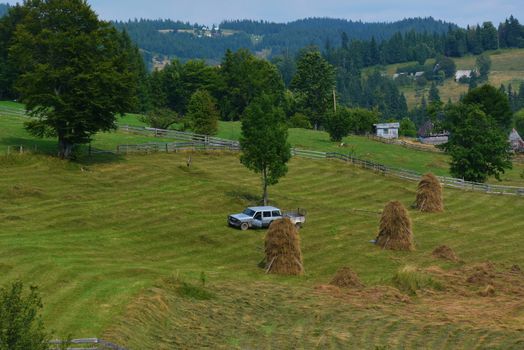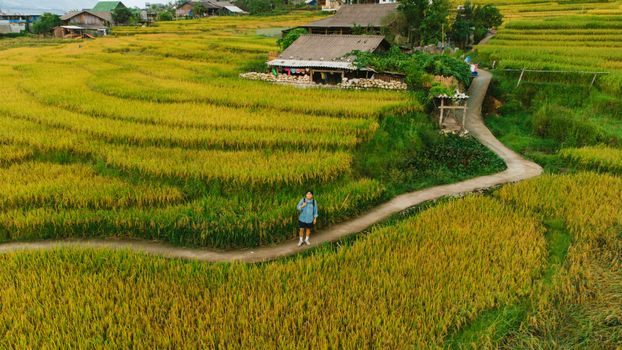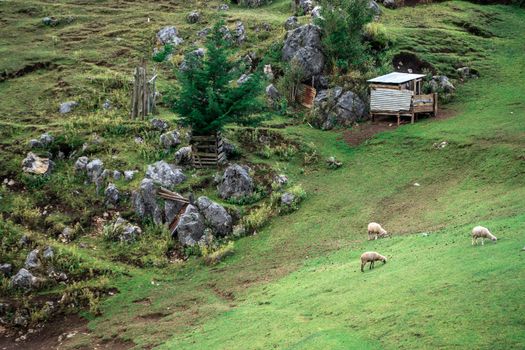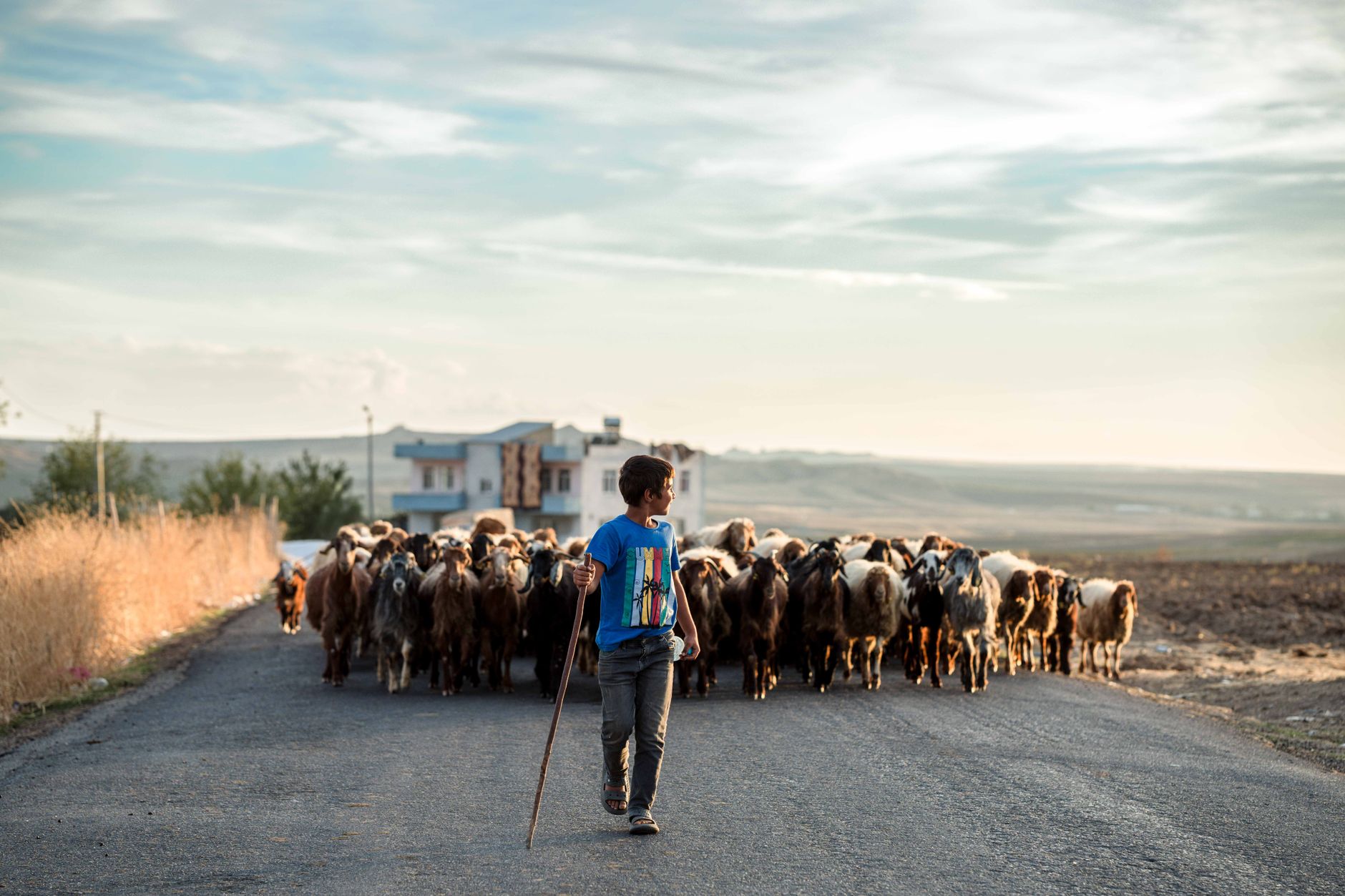
Agritourism, sometimes called agrotourism or farm tourism, covers visits to working farms, orchards, vineyards, dairies and smallholdings. Visitors may tour the land, help with a harvest, stay overnight, take a cooking class or buy produce directly from the grower. For small farms, these activities can provide an income stream that does not depend entirely on wholesale prices or seasonal sales. For travelers, they offer a closer look at how food is grown and a chance to spend time in rural areas that many itineraries skip. This guide explains how agritourism supports small farmers, the main types of experience, and how to choose operators that treat land and people well.
What agritourism covers
The term is broad. At one end are simple visits: a guided walk through a vineyard, a tasting of farm cheese or a stop at a roadside stand. In the middle are workshops, such as bread baking, olive pressing or preserving seasonal fruit. At the other end are farm stays, where guests sleep on the property and share meals with the family or staff. Some farms combine several activities, while others focus on one. Experiences depend heavily on the season, the crop and the size of the operation, so the same farm may offer very different things in different months.
How visits support small farmers
Small farms often operate on narrow margins and face competition from large producers. Direct sales to visitors can be valuable because they keep more of the price with the grower and reduce dependence on intermediaries. Guests who buy produce, preserves or cheese on site are paying the farmer directly. Farm stays and tours can also raise awareness of local food, which may encourage repeat visits, word-of-mouth recommendations and interest in regional products.
There are limits to these benefits. A visit cannot replace a stable market, and income from tourism can be uneven. Some farms are not set up for visitors and may find hosting disruptive. The best agritourism arrangements are those where the farm chooses how much access to offer and where the visitor's presence fits the working rhythm of the land rather than the other way around.
Types of farm experiences
Harvest days are popular with visitors who enjoy physical work and want to see how crops are picked. They are most common for fruit, vegetables, olives, grapes and nuts, and they depend on ripeness and weather. Cooking and preserving workshops let visitors learn traditional techniques, such as making jam, pasta or cured products, under the guidance of people who do them daily. Animal visits, such as seeing dairy or cheese production, offer insight into husbandry and food safety. Overnight farm stays range from simple guest rooms to converted barns and self-catering cottages.
Check what is included, since some experiences are free while others involve a fee, a minimum stay or a specific booking window. Many farms are small and take a limited number of guests, so advance reservations are often necessary.
Choosing responsible operators
Look for farms that are transparent about what they offer, how many visitors they accept and what is expected of guests. Clear information about accessibility, safety, hygiene and children's participation is a good sign. Reviews are useful, but read them for specifics rather than general praise. Ask whether the farm is a working business or a tourism product built around the land, and whether the people who work there are paid fairly. Farms that welcome questions about how they grow and sell food are usually more open to visitors.
Be wary of experiences that promise close encounters with wildlife, unusual animal handling or activities that seem unrelated to the farm's normal operations. Responsible farms usually keep visitor activity separate from animal welfare concerns and explain their practices honestly.
Making the visit worthwhile
Plan your visit around the season. Harvest, planting and preserving times vary by crop and region, and farms may have more or less capacity at different points. Arrive on time, follow instructions about gates, dogs, equipment and footpaths, and ask before taking photographs of people or animals. Buying produce, wine or crafts from the farm shop is one of the most direct ways to support the business. If you have dietary needs, let the host know in advance, since many farm meals are built around what is in season.
Consider staying more than one night if the location allows. Rural travel is often slower, and a longer stay gives you time to explore the surrounding area, visit neighboring producers and understand the place beyond a single property.
Practical tips
- Book early, especially for harvest days and small farm stays, and confirm details in writing.
- Check whether the experience is included in the price and whether there are minimum stays or fees.
- Bring suitable footwear, sun protection and clothing for working outdoors.
- Follow farm rules about gates, animals, equipment and areas that are off limits.
- Buy directly from the farm where possible, and pay in the way the operator accepts.
- Ask questions respectfully, and avoid interrupting people who are working.
Agritourism can be a rewarding way to travel, offering good food, quiet landscapes and a more personal connection with the people who produce what you eat. The benefits to small farmers depend on thoughtful choices by visitors and operators alike. Choosing farms that are open about their practices, visiting in the right season and respecting working routines will help make these experiences fair for everyone involved.