The Hook: A Whiff of True Portugal
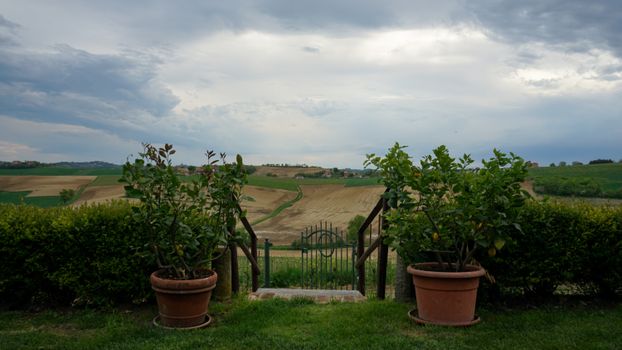
I stepped off the tiny train, the air thick and sweet with the scent of sun-baked earth and something undeniably floral – maybe lavender, maybe wild thyme. The gentle bleating of sheep, a sound so pure it felt like a forgotten melody, drifted from a nearby hillside. This wasn't the manicured perfection of a resort; this was raw, vibrant life. I was in Alentejo, Portugal, on a mission to uncover the heart of agricultural tourism, the kind that doesn't just offer a picturesque backdrop, but actively supports the very hands that cultivate the land.
The Meat: Cultivating Connection Through Agriturismo
Agricultural tourism, or agriturismo as it’s known in many parts of the world, is more than just a holiday. It’s a conscious choice to connect with the source of our food, to understand the labor and love that goes into every bite, and crucially, to inject vital income directly into the hands of small, often family-run, agricultural operations. Experts are increasingly highlighting its profound benefits, not just for the traveler seeking authenticity, but for the preservation of rural communities and traditional farming practices.
1. Beyond the Brochure: Experiencing Life on the Land
Forget staged photoshoots. True agriturismo immerses you. Imagine waking up to the sunrise painting the vineyards in hues of gold, the farmer’s dog nudging your hand for an early morning pat. My days were spent not just observing, but participating. I helped harvest sun-ripened tomatoes, their skins still warm from the vine, and learned the art of cheese-making from Dona Elvira, her hands weathered but nimble, her laughter as rich as the olive oil she produced.
Pro-Tip:
Don't be shy! Engage with your hosts. Ask about their heritage, their challenges, and their joys. The most profound experiences often come from these genuine conversations.
2. The Taste of Authenticity: Farm-to-Table, Truly
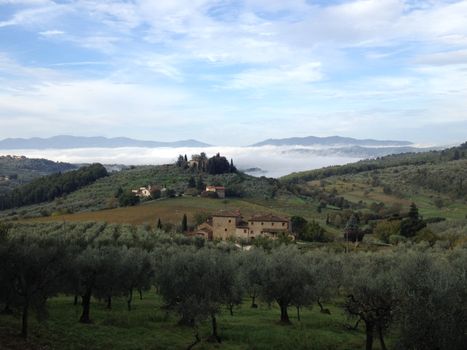
This is where agriturismo truly shines. The food isn't just fresh; it's a direct reflection of the land and the season. At a small olive farm in Tuscany, I tasted olive oil so peppery and vibrant, it redefined my understanding of the condiment. We dined under a canopy of stars, the meal prepared by the farmer’s wife using ingredients harvested that very morning. The simplicity was breathtaking, the flavors extraordinary.
Insider Language:
You'll hear terms like "cucina povera" (peasant cooking) – don't let the name fool you. This is about ingenious use of simple, high-quality ingredients, a testament to generations of culinary wisdom.
3. Supporting the Backbone: Economic Empowerment for Small Farmers
This is the core of expert recommendations. Agriturismo provides a diversified income stream for farmers, reducing their reliance on volatile market prices and large distributors. It allows them to invest in their land, preserve their heritage, and continue their vital work of stewardship. By choosing to stay, dine, and buy directly from these farms, you are making a tangible difference.
Data Point:
Studies show that agriturismo can significantly boost the local economy, creating jobs and keeping money within rural communities.
4. The Slow Travel Revolution: Reconnecting with Pace
In a world obsessed with speed, agriturismo offers a welcome antidote. It encourages slow travel, a philosophy of deeper engagement with a place and its people. You’re not rushing from one landmark to another; you’re savoring the moments, the smells, the conversations. This mindful approach allows for a richer, more meaningful travel experience.
Pro-Tip:
Embrace the slower pace. Read a book under an olive tree, take a leisurely walk through the fields, or simply sit and observe the rhythm of farm life.
5. Preserving Heritage: More Than Just Crops
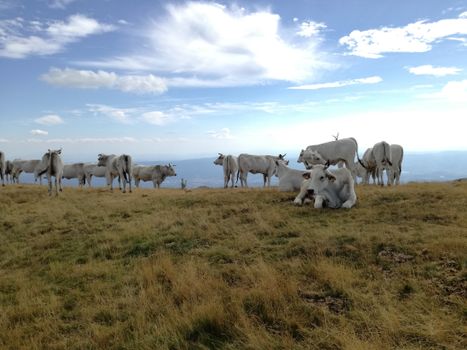
Agriturismo often goes hand-in-hand with the preservation of traditional farming methods, heirloom seed varieties, and local breeds of livestock. These practices are not just nostalgic; they are often more sustainable and resilient. A family in the Pyrenees shared their pride in cultivating ancient grain varieties, their flour producing bread with an unparalleled depth of flavor and texture.
Insider Language:
Look for farms that emphasize "biodynamic" or "organic" practices. These often signify a deep commitment to ecological balance and traditional methods.
6. Unique Experiences: From Grape to Glass, Soil to Table
The range of experiences is as diverse as the agricultural landscape itself. You can learn to make pasta from scratch with a nonna in Italy, participate in a grape harvest in France, or learn about traditional beekeeping in Greece. Each experience is a unique window into a specific way of life.
Pro-Tip:
Many farms offer workshops or courses. Book these in advance, especially during peak season, for a truly hands-on immersion.
The Budget/Logistics: Making it Happen
| Aspect | Estimated Cost ($) | Best Time to Visit | How to Get There |
| :--------------- | :----------------- | :----------------- | :--------------------------------------------------------------------------------------------------------------- |
| Accommodation| $70 - $250 per night | Varies by region | Fly into nearest major airport, then rent a car or utilize local public transport (trains/buses). Some farms offer pick-up. |
| Farm Activities| $30 - $150 per activity | Varies by season | Often accessible by car. Some remote locations may require pre-arranged transport. |
| Food & Drink | $40 - $100 per day | Year-round | Many farms offer on-site dining; local markets are abundant. |
| Total Estimated | $140 - $500 per day | | |
Quick Facts:
- Best Time to Visit: This is highly dependent on the region and the type of agriculture. Spring (blooming flowers, lambing season) and Autumn (harvest season) are often ideal. Summer offers abundant produce but can be hot.
- Getting There: Generally, a car offers the most flexibility for exploring rural areas. However, research train and bus routes as they can be efficient and eco-friendly options for reaching specific regions.
- Booking: Many agriturismo experiences can be booked directly through farm websites or specialized agriturismo platforms. Booking directly often means more of your money goes to the farmer.
Authenticity Redefined: The Subtle Nuances
It’s not just about the picturesque rolling hills or the rustic charm. It’s in the specific way the terracotta tiles are laid, the faint scent of woodsmoke clinging to the air in the early morning, the way a farmer describes their soil as if it were a living entity. It's in the robust, slightly bitter flavor of locally pressed olive oil, or the way a traditional recipe calls for a pinch of a specific wild herb gathered from the roadside. These are the details that elevate a trip from ordinary to extraordinary.
Pro-Tip:
Learn a few basic phrases in the local language. Even a simple "hello" and "thank you" can open doors and foster deeper connections.
The Ripple Effect: Travel That Matters
Choosing agricultural tourism is an act of conscious travel. It’s about understanding the interconnectedness of our food systems and the vital role small farmers play. Experts are united in their praise for this model, recognizing its power to foster sustainable livelihoods, preserve cultural landscapes, and offer travelers an unparalleled opportunity for genuine connection.
When I left Alentejo, I carried not just souvenirs, but a deeper understanding of the land, the people, and the profound satisfaction of knowing my travels had contributed to something truly meaningful. This is the future of travel – richer, more responsible, and infinitely more delicious.