The Ultimate Coffee Plantation Tours for True Enthusiasts Right Now
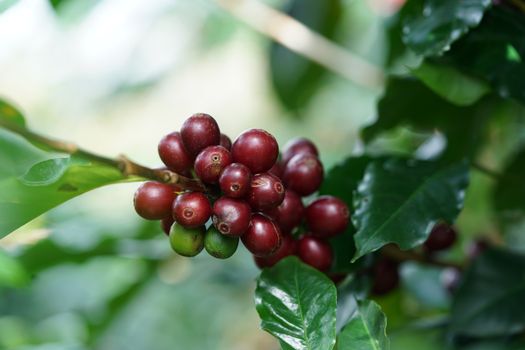
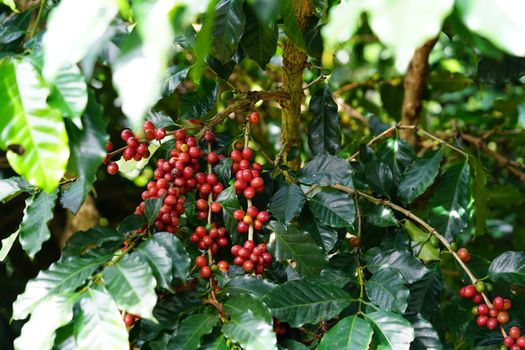
I stepped off the rickety bus, the air thick with the intoxicating aroma of damp earth and something else… something rich, roasted, and undeniably divine. It was the scent of pure coffee, a perfume that clung to the humid air of the Colombian highlands, promising an adventure far beyond a simple morning cup. The mist swirled around ancient trees, their branches heavy with crimson cherries, and the distant murmur of conversation in Spanish mingled with the gentle rustle of leaves. This wasn't just a visit; it was an immersion.
For too long, coffee lovers have been content with the finished product. We savor the nuanced flavors, debate the merits of single-origin versus blends, but how many of us have truly understood the journey? The sweat, the science, the soul that goes into every single bean? For the true enthusiast, the one who dreams in crema and speaks in tasting notes, there's a world of coffee plantation tours waiting to be explored. And right now, more than ever, these experiences are offering unparalleled access to the heart of coffee culture.
Beyond the Tourist Trail: Unearthing Authentic Coffee Experiences
The key to a truly transformative coffee tour lies in authenticity. We’re not talking about a quick stop for a pre-packaged tasting. We’re talking about getting your hands dirty, understanding the microclimates, and connecting with the farmers who dedicate their lives to cultivating this beloved beverage. This isn't just about drinking coffee; it's about understanding it, from the volcanic soil to the final pour.
Pro-Tip:
Look for tours that emphasize small group sizes. This ensures more personalized attention from the farmer or guide and a deeper connection to the land. Avoid tours that feel overly commercialized; the best ones often feel like you've stumbled upon a well-kept secret.
The Magic of the Harvest: Witnessing Coffee Come Alive
There's a visceral thrill in witnessing the coffee harvest. Depending on the region and the specific varietal, this can be a delicate hand-picking of ripe cherries or a more extensive process. It's a moment where the raw potential of the plant is realized, and the immense labor involved becomes palpable.
H3: The Art of the Cherry Pick
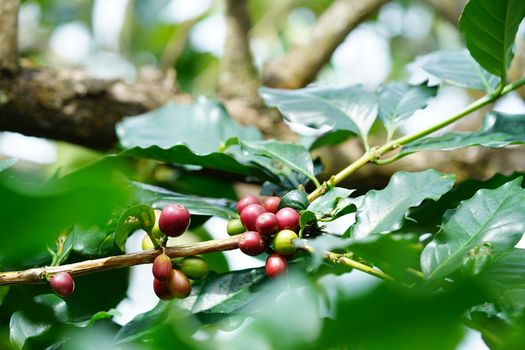
In countries like Colombia, Ethiopia, and Costa Rica, the harvest is often a meticulous process. You'll learn to distinguish between ripe, underripe, and overripe cherries, understanding how this directly impacts the final cup's sweetness and acidity. Some tours even offer you the chance to try your hand at picking, a surprisingly challenging and rewarding experience.
Pro-Tip:
If you want to witness the harvest, research the specific harvest seasons for your chosen destination. For example, the main harvest in many parts of Central America runs from late autumn to early spring, while Ethiopia's primary harvest is typically from October to January.
From Cherry to Bean: Demystifying the Processing Stages
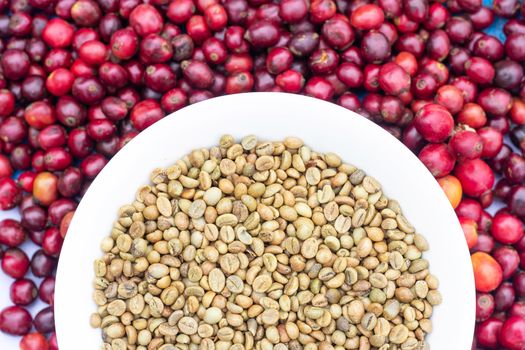
This is where the magic truly begins to unfold. The journey from a ripe coffee cherry to a green bean ready for roasting is a complex dance of science and tradition. Understanding these stages is crucial for appreciating the subtle differences in flavor profiles.
H3: Washed, Natural, or Honey? Decoding the Methods
* Washed Process: Cherries are pulped, then fermented in water to remove the mucilage, resulting in a cleaner, brighter cup.
* Natural Process: Cherries are dried whole, allowing the fruit's sugars to infuse the bean, leading to fruitier, more complex flavors.
* Honey Process: A hybrid where some of the mucilage is left on the bean during drying, offering a balance of sweetness and acidity.
Pro-Tip:
Many high-quality coffee farms will offer tastings that highlight the difference between beans processed using various methods. Pay close attention to the tasting notes described by your guide and try to identify them yourself.
The Roaster's Craft: Unveiling the Secrets of the Flame
While many plantation tours focus on the growing and processing, the truly exceptional ones extend to the art of roasting. This is where the green bean’s potential is unlocked, transforming it into the aromatic, flavorful commodity we know and love.
H3: The Nuances of the Roast Profile
Understanding how different roast levels (light, medium, dark) affect the coffee's acidity, body, and flavor notes is a revelation. You'll learn about the 'first crack' and 'second crack,' critical audible cues for roasters.
Pro-Tip:
Seek out tours that include a cupping session with a skilled roaster. This is your chance to ask the burning questions and develop your palate under expert guidance. Some farms even allow you to participate in a small-batch roast.
A Taste of Terroir: Experiencing the Land in Every Sip
The concept of 'terroir' – the unique environmental factors that influence a crop's flavor – is paramount in specialty coffee. Altitude, soil composition, rainfall, and surrounding flora all contribute to the distinct characteristics of coffee from different regions and even different farms within the same region.
H3: Beyond the Usual Suspects: Exploring Niche Coffee Regions
While Colombia, Brazil, and Ethiopia are renowned, consider venturing to lesser-known but equally remarkable coffee-growing areas like:
- Indonesia (Sumatra, Java): Known for earthy, bold, and often spicy notes.
- Kenya: Famous for bright acidity, wine-like complexity, and berry notes.
- Guatemala: Offers a spectrum from floral and citrusy to chocolatey and nutty.
- Vietnam: Primarily known for robusta, but a growing number of specialty arabica farms are emerging.
Pro-Tip:
Don't be afraid to ask about the farm's specific altitude and soil type. This information will give you a deeper appreciation for the nuances in the coffee's flavor.
The People Behind the Bean: Connecting with Coffee Communities
The most profound aspect of these tours is the human connection. You’ll meet the farmers, the families, and the workers who are the backbone of the coffee industry. Their stories, their passion, and their challenges offer a vital perspective that transcends mere consumption.
H3: Supporting Sustainable and Ethical Coffee Practices
Many of the best tours are run by farms committed to sustainable agriculture and fair labor practices. By choosing these tours, you're directly contributing to the well-being of these communities and the preservation of the environment.
Pro-Tip:
Engage with the locals. Ask about their lives, their families, and their hopes for the future of their farms. A genuine conversation can be more enriching than any tasting note.
Quick Facts: Planning Your Coffee Plantation Adventure
| Feature | Estimated Cost (USD) | Best Time to Visit (General) | How to Get There |
| :---------------- | :------------------- | :--------------------------- | :---------------------------------------------------------------------------------------------------------------------------------------------- |
| Colombia | $100 - $300+ (per day) | December - June | Fly into Medellín or Bogotá, then take buses or domestic flights to coffee regions like Salento or Manizales. |
| Ethiopia | $150 - $400+ (per day) | October - January | Fly into Addis Ababa, then domestic flights or private transport to areas like Yirgacheffe or Sidamo. |
| Costa Rica | $80 - $250+ (per day) | November - April | Fly into San José, then rent a car or use public transport to reach regions like Tarrazú or the Central Valley. |
| Indonesia | $70 - $200+ (per day) | Varies by island (e.g., Sumatra: April-October) | Fly into major hubs like Jakarta or Denpasar, then domestic flights and local transport. |
| Guatemala | $90 - $280+ (per day) | November - March | Fly into Guatemala City, then shuttle services or private drivers to regions like Antigua or Huehuetenango. |
Note:
Costs are estimates and can vary significantly based on the tour operator, accommodation choices, and duration of stay. Always book tours directly with reputable farms or through trusted travel agencies specializing in coffee tourism.
Your Next Great Cup Starts Here
A coffee plantation tour is more than a vacation; it's an education, a sensory revelation, and a deep dive into a world that fuels our daily lives. It's about understanding the dedication, the passion, and the intricate processes that culminate in that perfect cup. So, if you consider yourself a true coffee enthusiast, it's time to stop just drinking coffee and start experiencing it. The journey from bean to cup is waiting, and it’s more rewarding than you can ever imagine.