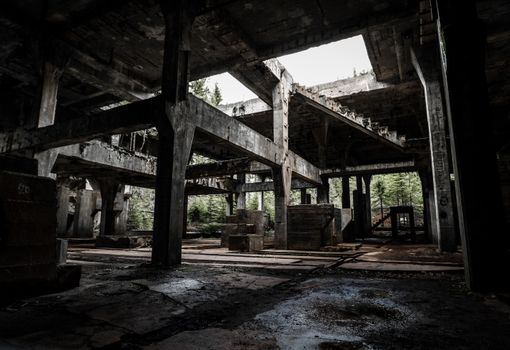
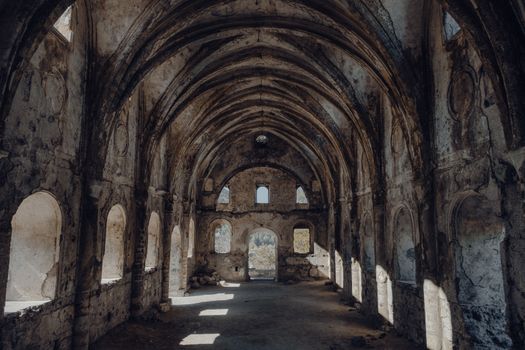
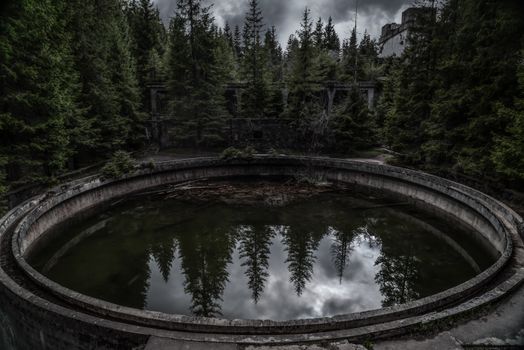
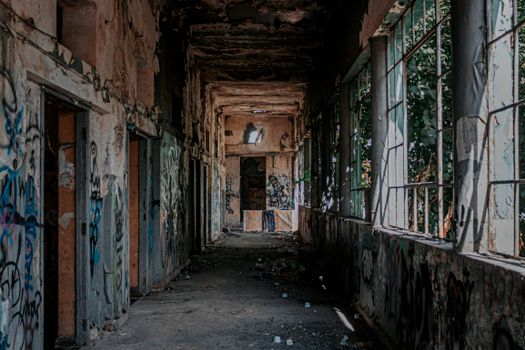
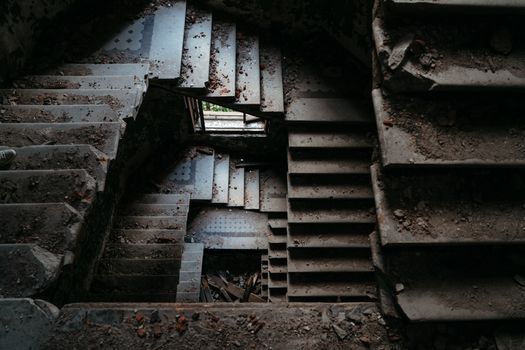
The wind whipped through my hair, carrying with it the scent of salt and distant memories. Before me, the skeleton of a once-grand hotel stood sentinel against the crashing waves, its empty windows staring out like hollow eyes. It was a place where laughter once echoed, where dreams were once spun, now reclaimed by nature and the relentless march of time. I wasn't trespassing; I was on a guided tour of a forgotten coastal resort, one of countless abandoned places around the world that are no longer just ruins, but celebrated tourist attractions.
There’s a unique thrill, isn't there, in stepping into a place frozen in time? A place where the last inhabitants left behind not just their belongings, but an palpable sense of history, mystery, and untold stories. For years, "urban exploration" or "urbex" was a niche, often clandestine pursuit. But today, thanks to a growing fascination with history, photography, and the sheer desire for unique, off-the-beaten-path experiences, abandoned places are shedding their shadows and emerging as some of the most trending travel destinations on the planet.
Welcome to Tripsora, and welcome to a journey into the heart of decay, beauty, and rebirth. If you’re tired of crowded landmarks and crave an adventure that sparks both awe and introspection, then buckle up. We're diving deep into the world of forgotten wonders, offering you a guide to places that will challenge your perceptions and fill your feed with truly unforgettable shots.
The Irresistible Allure of Decay: Why We're Drawn to the Forgotten
What is it about a crumbling mansion, a sand-swallowed town, or a silent, overgrown theme park that captivates our imagination? For me, it’s the profound sense of narrative. Every peeling paint chip, every rusted artifact, every shard of broken glass whispers a tale. These aren't just empty spaces; they're canvases of time, painted with the brushstrokes of human endeavour, sudden abandonment, and nature's persistent reclamation.
In an age saturated with polished perfection, there's an authenticity to decay that resonates deeply. It’s raw, real, and often breathtakingly beautiful. Photographers flock to these sites for their dramatic backdrops and unique light. History buffs find a tangible connection to the past that textbooks can't replicate. And for the adventurous, it’s a chance to explore the road less traveled, to uncover secrets, and to feel a rush of adrenaline that comes with stepping into the unknown – albeit, now, a carefully managed unknown.
Social media, particularly platforms like Instagram and TikTok, has played a massive role in this trend. Stunning, eerie visuals of abandoned hospitals, forgotten castles, or overgrown amusement parks go viral, inspiring millions to seek out similar experiences. The desire for a unique, shareable story drives many to these once-forbidden zones. But beyond the likes and shares, there's a deeper connection – a human curiosity about what once was, and what could have been.
From Ghost Towns to Global Hotspots: My Top Trending Picks
Having chased ghosts and stories across continents, I’ve compiled a list of some of the most incredible abandoned places that have successfully transitioned into legitimate, thriving tourist attractions. Each offers a distinct experience, a different slice of forgotten history, and a guarantee of unforgettable memories.
1. Kolmanskop, Namibia: A Diamond in the Desert Sands
Imagine a bustling German colonial town in the middle of the Namib Desert, rich with diamond miners, their families, and all the amenities of a European city. Then imagine it utterly abandoned, left to the mercy of the shifting sands. That’s Kolmanskop. I first visited Kolmanskop years ago, and it remains one of the most surreal experiences of my life. Walking through houses where sand dunes have breached windows and doors, filling entire rooms, is like stepping into a dreamscape. A piano half-buried in sand, a bathtub overflowing with grains of quartz, a bowling alley with pins long gone – it’s an incredible testament to nature's power.
- What to See: The doctor’s house, the bowling alley, the theatre, the ice factory, and various residential homes. Each tells a silent story of a life abruptly ended. The interplay of light and shadow, especially in the early morning or late afternoon, is a photographer's paradise.
- Practical Tips: Kolmanskop is located a few kilometers inland from Lüderitz. You need a permit to enter, which is typically included in guided tours. Tours run daily (usually morning, around 9:30 AM and 11:00 AM) and are the best way to understand the history. Wear sturdy shoes (sand gets everywhere!), bring plenty of water, and a wide-angle lens for your camera.
- Price: Entry fees are approximately NAD 300 (around $16 USD) for adults, including a guided tour.
- My Anecdote: I remember standing in the living room of what was clearly a family home, the sand reaching my waist, and feeling a profound sense of emptiness, yet also wonder. How quickly prosperity can turn to dust.
2. Oradour-sur-Glane, France: A Village Frozen in Time
This isn't an attraction for thrill-seekers; it’s a profoundly moving memorial. Oradour-sur-Glane is a French village where, on June 10, 1944, a Nazi Waffen-SS company massacred 642 of its inhabitants and then razed the village. Charles de Gaulle decreed that the village be preserved in its ruined state as a permanent memorial. Visiting Oradour is an incredibly somber experience, a powerful reminder of the atrocities of war. The silence is deafening, punctuated only by the crunch of gravel underfoot and the whispers of other visitors.
- What to See: The church where women and children were burned alive, the car of the village doctor, sewing machines, bicycles, and other everyday objects left exactly as they were found after the massacre. The new Centre de la Mémoire (Memorial Centre) provides crucial context and historical information.
- Practical Tips: Approach with respect and reverence. Photography is allowed but should be done discreetly and thoughtfully. There are clear pathways to follow. Allow at least 2-3 hours to fully absorb the weight of the place. It's a sobering visit, not one for lighthearted tourism.
- Price: Entry to the ruined village is free. The Centre de la Mémoire typically costs around €8 (approx. $9 USD) for adults.
- My Anecdote: I walked through the main street, past the skeletal remains of buildings, and saw a child’s bicycle, rusted and overgrown with weeds, leaning against a wall. It was a heart-wrenching image that brought home the human cost of such senseless violence in a way no history book ever could.
3. Hashima Island (Battleship Island), Japan: A Concrete Ghost in the Sea
Off the coast of Nagasaki lies Hashima, famously known as "Battleship Island" due to its distinctive silhouette. Once a thriving coal mining community with apartment blocks, schools, and hospitals, it housed over 5,000 people at its peak in the 1950s, making it one of the most densely populated places on earth. When the coal ran out in 1974, it was abruptly abandoned. Today, it stands as a UNESCO World Heritage site, a stark monument to Japan's rapid industrialization and subsequent decline.
- What to See: The iconic concrete apartment complexes, the school, the hospital, and the remains of the mining facilities. The designated tour route takes you along a safe, well-maintained path, offering incredible views of the decaying structures and the vast ocean.
- Practical Tips: Access is strictly by guided boat tour from Nagasaki. Weather conditions can cancel tours, so book in advance and be flexible. Wear comfortable shoes and be prepared for strong winds. Photography is a must, especially of the dramatic skyline.
- Price: Tour prices vary by operator, but generally range from ¥4,500 to ¥5,500 (approx. $30-$37 USD) for adults.
- My Anecdote: Seeing Hashima emerge from the mist as our boat approached was like something out of a sci-fi movie. The sheer scale of the concrete city, now silent and crumbling, was overwhelming. It felt like walking through a post-apocalyptic movie set, but with a deeply resonant history.
4. Bodie State Historic Park, California, USA: The True American Ghost Town
If you want to experience an authentic American Gold Rush ghost town, Bodie is your unparalleled destination. Unlike many "restored" towns, Bodie is preserved in a state of "arrested decay." This means buildings are stabilized, but nothing is restored or removed. When the last residents left in the 1940s, they literally walked away, leaving their belongings behind. It's a time capsule of the Wild West.
- What to See: Over 100 structures remain, including the general store (stocked with goods), the saloon, the church, a schoolhouse with desks still arranged, and a cemetery with fascinating headstones. You can peek into windows and imagine life here in its heyday.
- Practical Tips: Bodie is remote, high in the Sierra Nevada mountains. The last few miles are unpaved, but generally passable by standard cars (check road conditions, especially in winter). Dress in layers as weather can change rapidly. Respect the "leave no trace" policy – everything is protected. Rangers offer tours in summer.
- Price: Entry is $8 per adult (approx. $8 USD) and $5 per child.
- My Anecdote: Stepping inside the general store, seeing shelves still laden with dusty cans and bottles, felt like I’d just missed the last customer. The silence of Bodie, broken only by the wind, created an incredibly immersive experience, making the lives of the miners and their families feel incredibly real and immediate.
5. Pripyat, Ukraine: The Heart of the Chernobyl Exclusion Zone
Perhaps the most famous abandoned city in the world, Pripyat was home to the workers of the Chernobyl Nuclear Power Plant. It was evacuated in 1986 after the catastrophic disaster, leaving behind a city perfectly preserved in its Soviet-era state, now slowly being reclaimed by nature. Visiting Pripyat and the wider Exclusion Zone is a profound, eerie, and utterly unique experience.
- What to See: The iconic Ferris wheel and bumper cars of the amusement park, the swimming pool, the Palace of Culture, the kindergarten with toys scattered on the floor, the hospital, and the infamous Duga radar array. You'll also see the New Safe Confinement structure over Reactor 4.
- Practical Tips: This is not a DIY trip. You MUST go with an officially licensed tour operator. Tours typically depart from Kyiv. Safety is paramount: follow your guide's instructions strictly, stay on designated paths, do not touch anything, and wear long sleeves/trousers. You'll go through radiation checks. It's safe for short visits but requires diligence.
- Price: Full-day group tours typically range from $90-$150 USD per person, depending on the operator and group size. Private tours are significantly more.
- My Anecdote: Walking through the deserted streets of Pripyat, with trees growing through apartment buildings and moss covering playgrounds, was an experience that truly humbled me. The silence was absolute, broken only by the crunch of leaves underfoot. Seeing the abandoned Ferris wheel, a symbol of childhood dreams never realized, sent shivers down my spine. It’s a powerful testament to human resilience and the devastating consequences of technological hubris.
Essential Tips for the Urbex-Curious Traveler
Venturing into abandoned places, even those turned into official attractions, requires a different mindset and preparation than your average beach holiday. Here’s my actionable advice for a safe, respectful, and unforgettable experience:
- Safety First, Always:
- Go with a Guide: For officially managed sites like Chernobyl or Hashima, a licensed guide is mandatory and crucial for safety (radiation, unstable structures). For places like Kolmanskop or Bodie, guided tours offer invaluable historical context.
- Stay on Designated Paths: This is vital for your safety (unstable floors, hidden hazards) and for preserving the site.
- Check Conditions: Research current weather, road conditions, and any specific warnings for your chosen destination.
- Appropriate Gear: Sturdy, closed-toe shoes are non-negotiable. Long pants and sleeves can protect against scrapes and insects.
- Respect the Site and Its History:
- Leave No Trace: This is the golden rule. Do not take souvenirs, move objects, or leave trash. These places are preserved for everyone.
- Respect the Dead: If visiting cemeteries (like in Bodie or Oradour), be mindful and respectful.
- No Vandalism: Absolutely no graffiti or damage to structures.
- Understand the Context: Read up on the history before you go. It will deepen your appreciation and ensure you approach the site with the appropriate reverence.
- Photography Prowess:
- Golden Hour Magic: Early morning or late afternoon light can dramatically enhance the mood and texture of abandoned structures.
- Wide Angles: Many abandoned spaces are vast or have intriguing interiors; a wide-angle lens can capture the scale.
- Details Matter: Don't just shoot the big picture. Look for the small, forgotten details – a rusted toy, a faded photograph, peeling wallpaper – that tell a story.
- Drone Photography (Check Regulations!): For some sites (like Hashima), drone footage can offer a breathtaking perspective, but always check local laws and site-specific rules before flying.
- What to Pack:
- Water & Snacks: Many of these sites are remote with limited facilities.
- Power Bank: For your phone and camera. You'll be taking a lot of photos!
- First-Aid Kit: For minor scrapes or blisters.
- Headlamp/Flashlight: Useful for exploring darker corners (where permitted).
- Binoculars: For spotting details from a distance.
The Ethical Dilemma: Preservation vs. Exploitation
The rise of abandoned places as tourist attractions brings with it an important ethical conversation. How do we balance the desire to explore and learn with the need to preserve these fragile historical sites?
Responsible tourism is key. By visiting officially managed sites and booking tours with reputable operators, your tourism dollars often contribute directly to the preservation and maintenance of these locations. These funds help stabilize structures, protect against vandalism, and educate visitors.
It’s crucial to distinguish between sanctioned attractions and truly illegal "urbex" sites. The latter often carry significant risks (structural collapse, legal penalties, exposure to hazardous materials) and contribute to the degradation of unprotected historical sites. As responsible travelers, we should always choose the former. Our presence should be one of respectful observation and appreciation, not intrusion or damage.
Your Next Adventure Awaits: Planning Your Journey
Ready to trade the predictable for the profound? Here’s how to plan your own journey into the forgotten:
- Research, Research, Research: Start with this blog post, then dive deeper. Look for official websites, reputable tour operators, and recent traveler reviews.
- Book in Advance: Especially for popular or restricted sites like Hashima or Chernobyl, tours can sell out quickly.
- Consider Off-Season Travel: You might encounter fewer crowds and more serene conditions, enhancing the eerie atmosphere.
- Share Your Story (Responsibly!): Once you’ve visited, share your photos and experiences! Use hashtags like #AbandonedWonders #TripsoraTravel #ForgottenPlaces #UrbexAdventures. But also, share your tips for responsible tourism and encourage others to respect these incredible sites.
There’s a profound beauty in decay, a silent symphony playing in the empty halls and overgrown paths of places left behind. These abandoned sites, now trending tourist attractions, offer more than just photo opportunities; they offer a chance to connect with history on a deeply personal level, to reflect on the transient nature of human endeavor, and to witness the relentless power of nature.
So, what are you waiting for? Pack your bags, charge your camera, and prepare to step into a world where the past is not just remembered, but vibrantly, hauntingly alive.
Which abandoned wonder is calling your name? Share your top picks or dream destinations in the comments below, and let's inspire each other to explore the extraordinary!
---