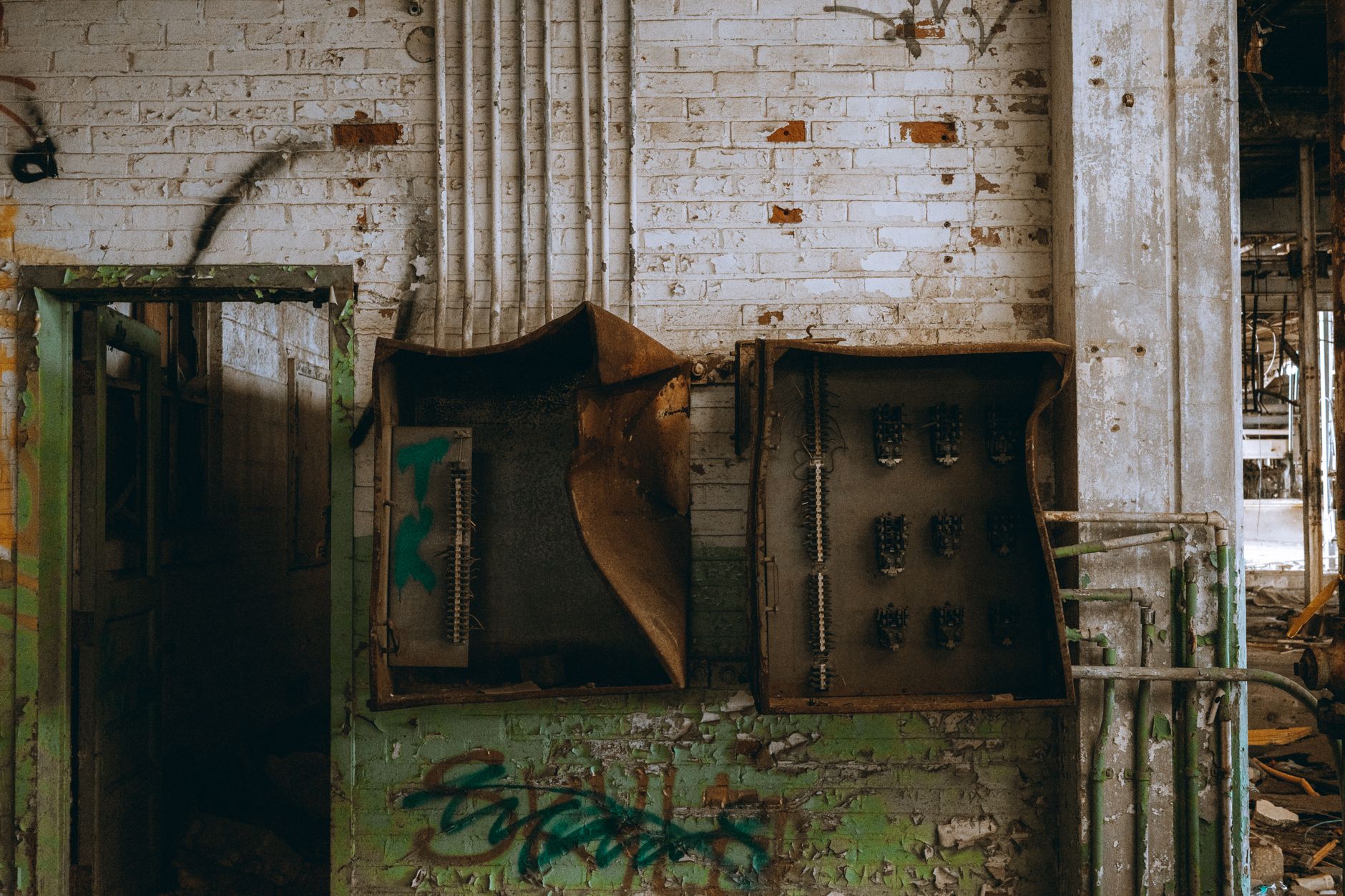
Beyond the Filter: Why Abandoned Places are the Ultimate Hidden Gems
I remember it vividly. I was scrolling through my Instagram feed, thumb numb from seeing the same infinity pools, the same perfectly posed matcha lattes, the same over-edited sunsets. Don't get me wrong, I love a good sunset as much as the next traveler, but a profound sense of déjà vu had set in. Had I seen this exact photo before? Was everyone just going to the same five "hot spots" and calling it an adventure?
That night, I stumbled upon a grainy documentary about a ghost town swallowed by the desert, and something clicked. There was a whole world out there, far removed from the curated perfection of social media, waiting to be explored. Places where history whispered through crumbling walls, where nature had begun its slow, beautiful reclamation, and where every single photograph would tell a story utterly unique to me.
These aren't your typical tourist traps. These are abandoned places – former towns, industrial behemoths, ancient sanctuaries – that have been thoughtfully preserved, repurposed, or simply made accessible for those craving a deeper, more authentic travel experience. They offer a potent blend of history, mystery, and unparalleled photographic opportunities that most influencers, chasing the latest trend, simply overlook. Or maybe, they just don't want you to know about them, because these spots require a little more effort, a little more grit, and a lot more soul than a quick photoshoot by a popular landmark.
So, if you’re ready to trade the crowds for quiet contemplation, the clichés for genuine connection, and the predictable for the profoundly unique, then buckle up. We're diving into the captivating world of abandoned places that have been reborn as incredible tourist attractions.
1. Kolmanskop, Namibia: Where the Desert Swallows Dreams
My first encounter with an "abandoned attraction" was Kolmanskop in Namibia, and it left an indelible mark. Imagine a once-thriving diamond mining town in the heart of the Namib Desert, abruptly abandoned in the 1950s. Today, it stands as a surreal ghost town, its elegant German colonial houses slowly being reclaimed by the relentless, golden sands.
Walking through Kolmanskop felt like stepping onto a movie set, or perhaps into a dream. Sand dunes had breached windows and doors, filling entire rooms, their soft, undulating curves contrasting sharply with the peeling wallpaper and decaying furniture. In one house, a bathtub was half-submerged in sand; in another, a staircase led to a sand dune rather than an upper floor. The sheer force of nature here is breathtaking, a stark reminder of human impermanence.
Why it's Instagram-worthy:
Forget filters; Kolmanskop provides natural, ethereal backdrops. The interplay of light and shadow through sand-filled windows, the stark contrast of human architecture against the desert's embrace, and the muted color palette offer endless opportunities for moody, evocative photography that screams "adventure" rather than "vacation." You won't find another shot like yours.
Personal Anecdote:
I remember standing in what was once a grand ballroom, the floor now a smooth, golden dune. The silence was profound, broken only by the whisper of the wind. I closed my eyes and could almost hear the faint echoes of laughter and music from decades past. It was a moment of pure, unadulterated awe.
Practical Details:
* Location: Near Lüderitz, Namibia.
* Getting There: You'll need a car, or you can join a guided tour from Lüderitz. The last few kilometers are on a gravel road.
* Cost: Entrance fee is around N$100-150 (approx. $7-10 USD), which often includes a guided tour of some buildings. Photography permits for commercial use are separate, but general tourist photography is included.
* Tips: Visit early morning for the best light and fewer crowds, or late afternoon for golden hour magic. Wear sturdy shoes, bring plenty of water, and protect your camera gear from sand. Guided tours are highly recommended for historical context.
2. Landschaftspark Duisburg-Nord, Germany: Industrial Artistry Reimagined
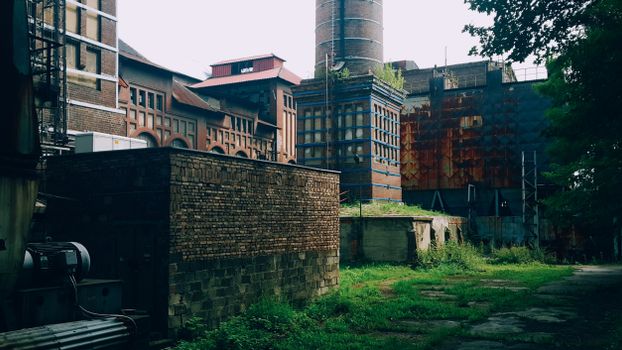
From the desolate beauty of the desert to the gritty grandeur of industrial decay, Landschaftspark Duisburg-Nord in Germany is a masterclass in urban regeneration. This former ironworks, operational from 1901 to 1985, has been ingeniously transformed into a public park, a recreational space, and a unique cultural venue.
Instead of demolition, the site was preserved and repurposed. Old ore bunkers are now climbing walls, a former gasometer is one of Europe's largest artificial diving centers, and the massive blast furnaces offer panoramic views from accessible platforms. At night, the park comes alive with a spectacular light installation by Jonathan Park, turning the colossal structures into an otherworldly illuminated landscape.
Why it's Instagram-worthy:
This is an urban explorer's dream. The raw, imposing architecture of the industrial age, juxtaposed with lush greenery and vibrant public art, creates a dynamic visual narrative. Think dramatic angles, leading lines, and the stark beauty of rusting steel against a twilight sky. The night illumination offers truly unique, long-exposure shots that will make your feed stand out.
Personal Anecdote:
I spent an entire afternoon climbing one of the blast furnaces, feeling tiny against its immense scale. Reaching the top, the sprawling industrial landscape stretching out before me, green shoots emerging from cracks in the concrete, was a powerful testament to resilience and transformation. Later, watching divers disappear into the depths of the gasometer, I felt a strange blend of history and futurism.
Practical Details:
* Location: Duisburg, Germany (easily accessible from Düsseldorf).
* Getting There: Public transport (trains and buses) connect directly to the park.
* Cost: Entry to the park is generally free. There are fees for specific activities like diving or guided tours.
* Tips: Allow several hours to explore. Don't miss the night illumination – check their website for timings. Wear comfortable walking shoes. It's a fantastic spot for families, too, with playgrounds and plenty of open space.
3. Beelitz-Heilstätten, Germany: A Treetop Walk Through History
Just southwest of Berlin lies Beelitz-Heilstätten, a sprawling former sanatorium complex with a fascinating, often dark, history. Built in the late 19th century as a tuberculosis sanatorium, it later served as a military hospital in both World Wars (Hitler himself was treated here in 1916). Abandoned after the fall of the Berlin Wall, many of its buildings fell into disrepair, becoming a haunting symbol of decay.
However, rather than simply letting it crumble, a unique attraction has emerged: the Baumkronenpfad Beelitz-Heilstätten (Treetop Walk). This elevated walkway allows visitors to stroll above the decaying hospital ruins, offering a bird's-eye view into the ivy-choked rooms and crumbling facades, all while being immersed in the forest that has begun to reclaim the site. It's urbex from a safe, elevated perspective.
Why it's Instagram-worthy:
The juxtaposition of nature's relentless embrace and man-made decay is incredibly photogenic. From the treetop walk, you can capture unique perspectives of the skeletal buildings being consumed by trees, creating a powerful narrative about time and resilience. The elevated vantage point allows for stunning wide shots and intimate details of the decaying interiors.
Personal Anecdote:
Looking down into the operating theatre, now open to the sky, with trees growing through the floor, was incredibly poignant. It felt like peeking into a forgotten world, a place where countless stories had unfolded, now quietly fading back into the earth. The silence, punctuated only by birdsong, was deeply moving.
Practical Details:
* Location: Beelitz, Brandenburg, Germany (a short train ride from Berlin).
* Getting There: Take a regional train to Beelitz-Heilstätten station, then it's a short walk.
* Cost: The Treetop Walk costs around €12-15 for adults. Guided tours of the ground-level ruins are sometimes available for an additional fee.
* Tips: Check opening hours, especially in winter. Wear layers as it can be breezy on the walkway. Combine it with a visit to the nearby Spargelhof (asparagus farm) for local delicacies if visiting in spring.
4. Derinkuyu Underground City, Turkey: A Subterranean Secret
Cappadocia, Turkey, is famous for its fairy chimneys and hot air balloons, but beneath the surface lies an even more astonishing secret: entire ancient cities carved deep into the earth. Derinkuyu is the deepest and largest of these excavated underground cities, capable of housing up to 20,000 people along with their livestock and food stores.
Built by early Christians to escape persecution, this multi-level labyrinth is a marvel of ancient engineering. You can descend through narrow tunnels, past ventilation shafts, stables, churches, schools, and even wineries, imagining life lived entirely beneath the earth. It's a chilling, yet awe-inspiring experience that transports you thousands of years back in time.
Why it's Instagram-worthy:
The cramped, ancient tunnels and cavernous rooms create a dramatic, atmospheric setting. Play with light and shadow, capture the intricate rock carvings, and convey the sense of ancient mystery. Wide-angle lenses are your friend here to capture the scale of the underground spaces. It's a visual narrative of survival and ingenuity.
Personal Anecdote:
Navigating the tight passages, sometimes having to duck low, I felt a mix of claustrophobia and immense wonder. How did they build this with primitive tools? How did they breathe? Imagining families living for months underground, reliant on these meticulously planned systems, was a powerful, humbling experience.
Practical Details:
* Location: Cappadocia region, Turkey (near the town of Derinkuyu).
* Getting There: Often visited as part of a "Green Tour" or "Red Tour" of Cappadocia, which departs from Göreme. You can also drive or take a local bus.
* Cost: Entrance fee is around 60 TRY (approx. $2-3 USD).
* Tips: Wear comfortable, non-slip shoes. If you are severely claustrophobic, this might not be for you, but there are plenty of wider sections. Hire a local guide at the entrance for invaluable historical context. Go early to avoid the tour bus crowds.
5. Craco, Italy: The Ghost Town Perched on a Precipice
High in the Basilicata region of southern Italy, perched precariously on a rocky outcrop, lies Craco. This medieval hill town, with a history stretching back to the 8th century, was gradually abandoned in the latter half of the 20th century due to a series of devastating landslides and floods. Today, it stands as a captivating ghost town, its crumbling stone buildings and empty streets a poignant testament to a bygone era.
Craco isn't just a ruin; it's a dramatic landscape of historical memory. Its iconic silhouette against the rugged Italian countryside has made it a popular filming location for movies like "The Passion of the Christ" and "Quantum of Solace." While you can't freely wander through the most unstable parts, guided tours allow safe access to designated areas, offering a unique glimpse into its tragic beauty.
Why it's Instagram-worthy:
The dramatic, almost theatrical setting of Craco makes for stunning photography. Capture the panoramic views of the desolate town against the rolling hills, the intricate details of ancient stone arches, and the haunting beauty of empty streets. The golden light of sunrise or sunset casts long shadows, enhancing its melancholic charm.
Personal Anecdote:
Standing on the edge of the designated path, looking into the gaping maw of a collapsed church, I felt a deep sense of respect for the generations who had called this challenging landscape home. The wind whistling through the empty windows sounded like a lament, a powerful reminder of nature's ultimate power.
Practical Details:
* Location: Basilicata region, Southern Italy.
* Getting There: A car is essential. It's quite remote. The nearest major cities are Matera or Potenza.
* Cost: Access to the historic center is restricted to guided tours for safety reasons, costing around €10-15.
* Tips: Book your guided tour in advance, especially during peak season. Wear sturdy shoes suitable for uneven terrain. Respect the safety barriers – landslides are a real risk. Embrace the quiet and the history.
6. Ta Prohm Temple, Cambodia: Where Stone and Root Become One
While not "abandoned" in the traditional sense, Ta Prohm in the Angkor complex near Siem Reap, Cambodia, embodies the spirit of nature reclaiming man-made structures in the most spectacular way. Unlike many other temples in Angkor, Ta Prohm has been deliberately left largely unrestored, allowing giant silk-cotton and strangler fig trees to grow directly out of its stone foundations, their massive roots intertwining with the ancient walls.
Exploring Ta Prohm is like stepping into a scene from an adventure movie (indeed, it was famously featured in "Lara Croft: Tomb Raider"). The sheer scale of the trees, their roots snaking over doorways and through courtyards, creates an otherworldly atmosphere. It's a powerful visual narrative of the jungle's slow, inexorable triumph over human endeavor.
Why it's Instagram-worthy:
The surreal fusion of ancient architecture and colossal tree roots provides endless opportunities for dramatic, intricate shots. Focus on the textures, the play of light filtering through the canopy, and the sheer scale of nature's embrace. It's a photographer's paradise for capturing the raw beauty of decay and renewal.
Personal Anecdote:
I spent hours just wandering, mesmerized by the way the roots seemed to "melt" into the stone, holding the temple in a delicate, powerful grip. Finding a quiet corner, I leaned against a cool stone wall, listening to the jungle sounds, and felt a profound connection to the passage of time and the enduring power of nature.
Practical Details:
* Location: Angkor Archaeological Park, near Siem Reap, Cambodia.
* Getting There: A tuk-tuk or taxi from Siem Reap is the most common way to get around the Angkor complex.
* Cost: Entry is included in the Angkor Pass (e.g., $37 for 1 day, $62 for 3 days).
* Tips: Go early in the morning (before 7 AM) to beat the crowds and experience the cool, mystical atmosphere. Hire an official guide for historical insights. Wear light, breathable clothing and comfortable shoes. Be respectful of the ancient structures and the natural environment.
Responsible Exploration: Your Guide to Ethical Urbex Tourism
Venturing into these unique abandoned attractions is an incredible experience, but it comes with a responsibility. These aren't just cool backdrops; they are historical sites, natural wonders, and sometimes, fragile environments.
- Safety First, Always: Stick to designated paths, obey all warning signs, and if a place feels unsafe, turn back. Research local regulations and potential hazards before you go.
- Leave No Trace: This is paramount. Do not litter, do not graffiti, and do not take souvenirs. Leave everything exactly as you found it so others can experience its raw beauty.
- Respect the History: These places often have poignant, sometimes tragic, pasts. Treat them with reverence. Avoid disruptive behavior or anything that disrespects the site or its former inhabitants.
- Know the Rules: Some sites require permits or have restricted access. Always check local laws to avoid trespassing or legal issues.
- Gear Up: Sturdy closed-toe shoes are a must. A flashlight, water, snacks, and a basic first-aid kit are always good ideas, especially in remote locations.
- Support Local: If you're hiring guides or buying food/souvenirs, choose local vendors. Your tourism dollars can help preserve these unique places and support the communities around them.
- Photography Ethics: While these places are incredibly photogenic, prioritize the preservation of the site over "the shot." Don't move things, climb on fragile structures, or block pathways for your perfect photo.
The Unfiltered Adventure Awaits
The world is full of hidden wonders, places that defy the ordinary and offer a narrative far richer than any carefully curated feed. These abandoned places, transformed into accessible attractions, are more than just photo opportunities; they are portals to the past, canvases for nature's artistry, and profound reminders of the ever-changing world.
So, next time you feel the travel itch, consider stepping off the well-trodden path. Seek out the places influencers might deem "too gritty" or "not pretty enough." Because it's in these forgotten corners, these whispers of history, that you'll find the most authentic adventures, the most unique stories, and the most unforgettable moments.
What abandoned gems have YOU discovered? Share your stories and tips in the comments below! Don't forget to tag #TripsoraExplores and inspire fellow adventurers to look beyond the filter.
---