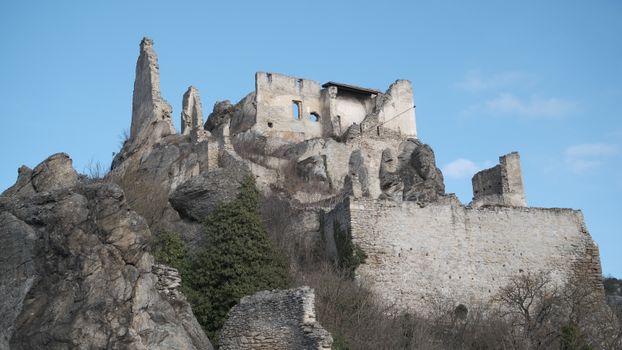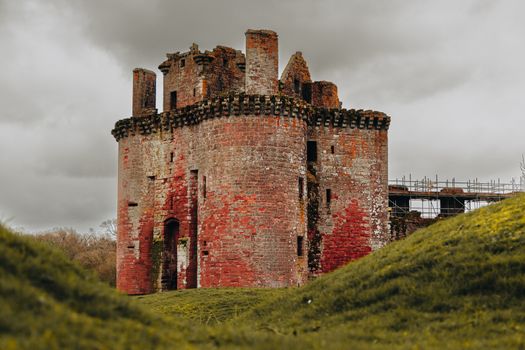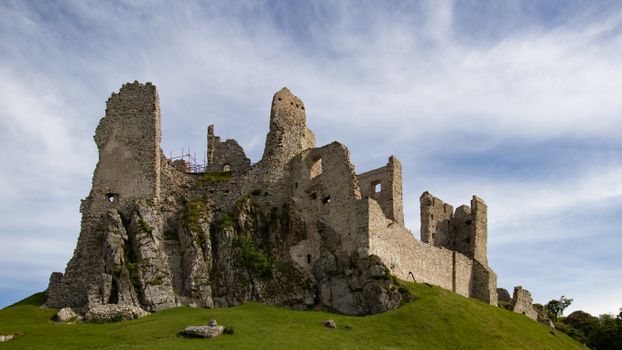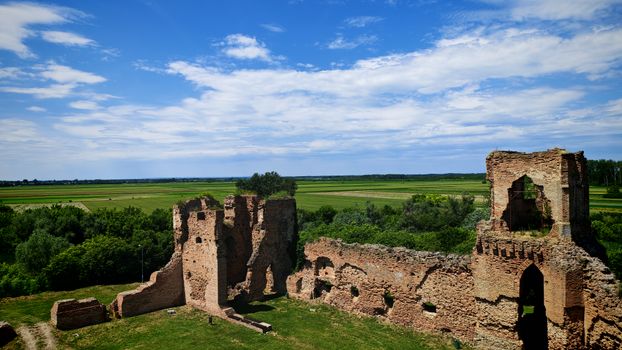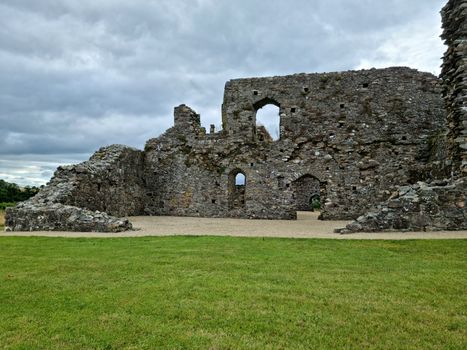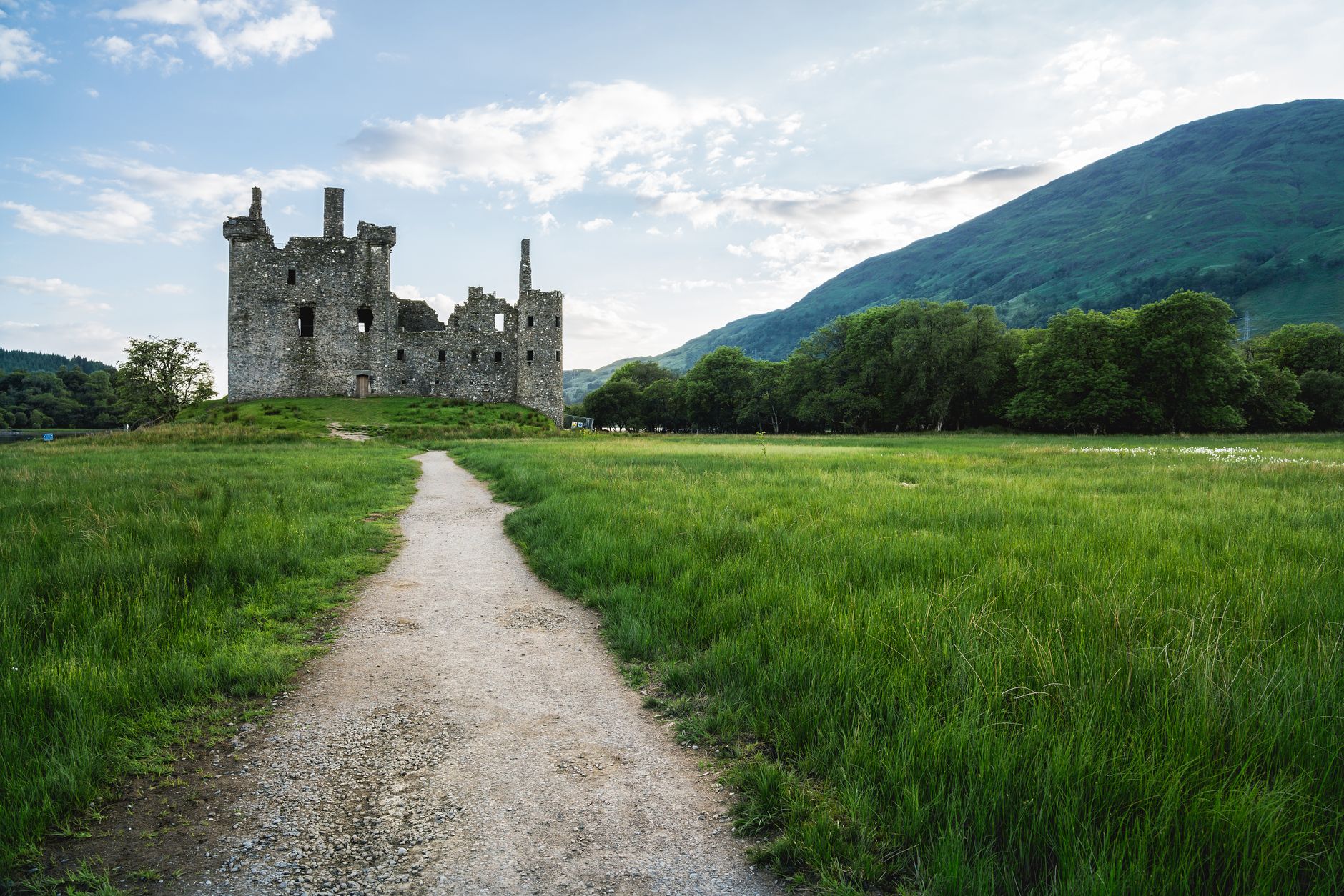
The wind whipped through my hair, carrying the scent of damp earth and ancient stone. Below me, the vast expanse of Loch Awe stretched out, reflecting a sky bruised with impending rain. And there it was, rising from a small peninsula, Kilchurn Castle – a skeletal silhouette against the dramatic Scottish landscape. No ticket booth, no gift shop, no selfie-stick-wielding hordes. Just me, the elements, and centuries of history whispering through its crumbling walls.
That moment, perched on a rocky outcrop, feeling the raw, untamed beauty of a truly abandoned place, was when I realized something profound about travel: the most magical experiences aren't always the ones plastered across glossy magazines or curated Instagram feeds. They’re often the hidden gems, the forgotten ruins, the places you have to work a little harder to find, and which, ironically, cost you nothing but your effort.
Welcome to Tripsora, and welcome to my quest to unearth Europe's most incredible abandoned castles that you can explore for free. Yes, you read that right. While influencers queue for perfect angles at overcrowded, expensive sites, we're going off-grid. We're seeking the wild, the mysterious, the truly authentic. Are you ready to trade the polished for the profound? Let's dive in.
The Allure of the Forgotten: Why Abandoned Castles Are the Ultimate Adventure
There’s a unique magic to an abandoned castle. It’s not just a structure; it’s a time capsule, a silent witness to epic battles, royal intrigues, and the relentless march of time. Unlike their meticulously restored counterparts, these ruins invite you to imagine, to touch the raw stone, to feel the echoes of history without the interruption of a guided tour or a velvet rope.
For me, it’s the thrill of discovery. It's the feeling of being an archaeologist for a day, deciphering clues in the fallen masonry, picturing life within those crumbling walls. It’s the unparalleled photographic opportunities – the play of light and shadow, the textures of weathered stone, the way nature reclaims what man built. And let’s be honest, in an increasingly commercialized travel world, finding these places for free feels like uncovering a secret, a rebellious act against the "pay-to-play" mentality. It's about authentic connection, not consumerism.
These aren't just budget-friendly alternatives; they are superior experiences for the adventurous soul. They offer solitude, a chance for introspection, and a profound connection to the past that a crowded, ticketed attraction simply can’t provide.
Your Secret Map to Europe's Free Ruins: Six Unforgettable Locations
I've scoured maps, hiked countless trails, and whispered with locals to bring you this curated list of genuinely free, genuinely incredible abandoned castles. Pack your sturdy boots, a sense of wonder, and prepare for an adventure that will make your Instagram feed (and your soul) sing.
1. Kilchurn Castle, Scotland: The Lochside Specter
- Location: Lochawe, Dalmally, Scotland (Argyll and Bute)
- Why it's special: This is the castle that started it all for me. Nestled dramatically on a rocky peninsula at the northeastern end of Loch Awe, Kilchurn Castle is one of Scotland's most photographed ruins, and for good reason. Its gaunt silhouette against the backdrop of mountains and water is utterly breathtaking. Built in the mid-15th century by the Campbells of Glenorchy, it was once a formidable five-storey tower house. Today, it’s a magnificent shell, open to the elements and free to explore.
- How to get there: The castle is accessible by a short walk from a car park just off the A819 road, near Dalmally. In summer, when water levels are low, you can often walk across the causeway. Otherwise, a scenic boat trip (small fee for the boat, but castle access is free) can get you there. Check local conditions.
- What to expect: Uneven ground, exposed to weather. The interior is largely open, allowing you to wander through the roofless halls and climb (carefully!) some of the remaining stairs for incredible views. The atmosphere is thick with history and melancholy.
- Tripsora Tip: Visit at dawn or dusk for ethereal lighting and an even greater sense of solitude. The reflections in Loch Awe are phenomenal. Bring a wide-angle lens!
2. Rocca Calascio, Abruzzo, Italy: The Mountain Fortress
- Location: Rocca Calascio, L'Aquila, Abruzzo, Italy (Gran Sasso e Monti della Laga National Park)
- Why it's special: Perched at an astonishing altitude of 1,460 meters (4,790 ft) in the heart of the Abruzzo Apennines, Rocca Calascio is one of the highest castles in Italy, and arguably one of the most stunningly situated. This 10th-century watchtower, later expanded into a formidable fortress, offers panoramic views that stretch for miles across a rugged, untouched landscape. It’s been featured in films like "Ladyhawke" for its sheer, majestic beauty. The best part? It's completely free to explore.
- How to get there: Drive to the charming, partially abandoned village of Rocca Calascio. From there, it's a relatively easy 20-30 minute uphill walk on a paved path to the castle. Parking is available in the village.
- What to expect: A moderate uphill walk, but the views are worth every step. The castle itself is a magnificent ruin, with its four circular corner towers and central keep largely intact. You can wander freely through its structure, feeling the wind howl through the ancient stones.
- Tripsora Tip: Combine your visit with a stop at the nearby octagonal church of Santa Maria della Pietà, which stands equally dramatically below the castle. Pack a picnic to enjoy with the epic vistas. The golden hour here is pure magic.
3. Poenari Citadel, Romania: Dracula's True Fortress
- Location: Arefu, Argeș County, Romania (near the Transfăgărășan Road)
- Why it's special: Forget Bran Castle; Poenari Citadel is the real fortress associated with Vlad the Impaler, the inspiration for Dracula. This formidable stronghold, built on a mountain peak overlooking the Argeș River, was Vlad's sanctuary and prison. Today, it stands as a dramatic, partially restored ruin, accessible only by climbing a grueling 1,480 concrete steps. But once you reach the top, the sense of accomplishment, the chilling history, and the jaw-dropping views are absolutely priceless – and completely free.
- How to get there: Located along the famous Transfăgărășan road (DN7C), about 27 km north of Curtea de Argeș. There's a small car park at the base of the steps. The road is typically open only from June to October.
- What to expect: A very strenuous climb! Wear good hiking shoes, bring plenty of water, and be prepared for a workout. The steps are well-maintained but steep. The castle itself is a collection of walls and towers, offering incredible vantage points.
- Tripsora Tip: Go early in the morning to beat the heat and any potential crowds (though it's rarely crowded compared to other "Dracula" sites). The mist rising from the valley below can create an incredibly atmospheric scene.
4. Burg Frankenstein, Germany: Gothic Legends & Spooky Views
- Location: Mühltal, Hesse, Germany (near Darmstadt)
- Why it's special: Yes, that Frankenstein. While Mary Shelley reportedly got the inspiration for her novel from a visit to this region, the castle itself is much older, dating back to the 13th century. Burg Frankenstein is a striking hilltop ruin offering spectacular views over the Rhine Valley. It's shrouded in local legends of alchemists and experiments, making it a perfectly atmospheric place for free exploration.
- How to get there: Easily accessible by car from Darmstadt (about 15-20 minutes). There's ample free parking at the base, followed by a short, pleasant walk up to the castle grounds.
- What to expect: The main castle structure is largely ruined, but several towers and walls remain, along with a chapel. You can freely wander the grounds and climb the accessible towers for panoramic views. There’s a restaurant on site (the only thing that costs money), but access to the ruins is free.
- Tripsora Tip: Visit around Halloween for a truly spooky vibe, although the castle hosts a popular (and ticketed) Halloween festival, so plan your free exploration for a different day if you want solitude. The sunset views are particularly stunning, painting the ancient stones in warm hues.
5. Castelo de Paderne, Portugal: Moorish Echoes in the Algarve
- Location: Paderne, Albufeira, Algarve, Portugal
- Why it's special: Tucked away in the rural Algarve, far from the bustling beaches, lies the red-earth ruins of Castelo de Paderne. This Moorish castle, built of rammed earth (taipa), is one of the seven castles depicted on Portugal’s national flag. Its unique construction and tranquil setting amidst orange groves and cork trees offer a different kind of castle experience – one of quiet contemplation and ancient history. It’s a peaceful, free-to-explore ruin.
- How to get there: Best accessed by car. Paderne village is about a 20-minute drive inland from Albufeira. From the village, follow signs for the castle; it’s a short drive on a dirt track to a small parking area, then a very short walk to the ruins.
- What to expect: The castle is a partial ruin, with its distinctive red walls standing against the blue sky. You can walk around and within the remaining walls, enjoying the silence and the rural views. It’s less about grand interiors and more about the historical significance and unique architecture.
- Tripsora Tip: Visit in spring when the surrounding countryside is green and wildflowers bloom. Pack a light picnic and enjoy the peaceful atmosphere. It’s a fantastic escape from the coastal crowds.
6. Château Gaillard, Les Andelys, France: Richard the Lionheart's Masterpiece
- Location: Les Andelys, Normandy, France
- Why it's special: Perched dramatically on a high chalk cliff overlooking a bend in the River Seine, Château Gaillard was built by Richard the Lionheart in a record-breaking two years (1196-1198). This once-impregnable fortress was a marvel of medieval engineering. Though largely ruined after being dismantled in the 17th century, its strategic location and impressive scale still inspire awe. While some interior parts might have a small seasonal fee, the vast majority of the outer baileys and the breathtaking views are free to explore year-round.
- How to get there: Les Andelys is about an hour's drive from Rouen or Giverny. You can drive up to a parking area near the ruins, followed by a short walk. Alternatively, a scenic hike from the town below offers stunning views as you ascend.
- What to expect: A sprawling ruin with multiple defensive layers. You can wander through the outer walls, marvel at the ingenious defenses, and soak in the incredible panoramic views of the Seine valley. The "beak" of the inner keep is particularly iconic.
- Tripsora Tip: Combine your visit with a stroll through the charming town of Les Andelys below, with its half-timbered houses and riverside cafés. The best photographic angles of the castle are often from the riverbanks or from the opposite side of the Seine.
Beyond the Map: Finding Your Own Hidden Gems
My list is just a starting point. Europe is dotted with thousands of forgotten ruins. Want to find your own secret castle? Here’s how:
- Google Maps Satellite View is Your Friend: Seriously, spend some time zooming in on rural areas, especially in regions known for castles (e.g., Wales, Scotland, parts of France, Germany, Italy, Eastern Europe). Look for unusual shapes, clearings, or clusters of trees on hills.
- Local Tourist Offices (Yes, Really!): Sometimes the small, local tourist offices in less-traveled towns hold the keys to truly local secrets. Ask about "ruined castles," "old fortresses," or "château en ruine."
- Historical Societies & Blogs: Search for local historical societies online. They often document lesser-known sites. Regional travel blogs (not the big commercial ones) can also be goldmines.
- "Ruined Castle [Region Name]" Searches: Be specific. Instead of "castles France," try "ruined castle Limousin" or "free castle ruins Tuscany."
- Geocaching: Geocaching apps often lead you to interesting, off-the-beaten-path locations, including ruins.
The Art of Exploration: Practical Tips for Adventurous Souls
Exploring abandoned sites comes with responsibility. These aren't theme parks; they're historical treasures and often wilderness areas.
- Safety First:
- Check conditions: Weather can change rapidly, especially in mountainous or coastal areas.
- Wear appropriate gear: Sturdy hiking boots are a must. Layers of clothing are essential.
- Tell someone your plans: Let a friend or family member know where you're going and when you expect to return.
- Watch your step: Uneven terrain, loose stones, hidden drops, and unstable structures are common. Do not climb on walls that look unstable.
- Be aware of local wildlife: Especially in remote areas.
- Bring a first-aid kit: For minor cuts, scrapes, and blisters.
- Leave No Trace:
- Pack it in, pack it out: Take all your trash with you. Leave nothing behind.
- Respect the ruins: Do not graffiti, carve, or remove anything (stones, artifacts). These are fragile historical sites.
- Stay on established paths: To protect vegetation and prevent erosion.
- What to Bring:
- Water and snacks: Essential, especially for longer hikes.
- Map/GPS: Even if you have service, download offline maps.
- Power bank: For your phone and camera.
- Headlamp/flashlight: If there's any chance you'll be there at dusk or exploring dark corners (use with caution!).
- Camera gear: Extra batteries, lenses, tripod for epic shots.
- Respect Local Property: Some ruins might be on private land (though usually accessible). Be mindful of signs and respect any restrictions.
Capturing the Magic (Responsibly): Your Anti-Influencer Guide to Instagram
You don't need a perfectly curated feed or a drone shot of you in a flowing dress to capture the magic of these places. This is about authenticity, story, and atmosphere.
- Focus on the Story: Instead of just a selfie, try to capture the scale, the texture, the way nature intertwines with man-made structures. What does the castle feel like?
- Details, Details, Details: Zoom in on a weathered gargoyle, the pattern of moss on a stone, a forgotten archway. These tell a richer story.
- Embrace the Elements: Rain, fog, dramatic clouds – these often make for the most atmospheric and unique photos. Don't be afraid of "imperfect" weather.
- No Posing, Just Being: Capture candid moments of discovery, contemplation, or simply soaking in the view. Your genuine reaction is far more compelling than a forced pose.
- Hashtag Responsibly: Use hashtags like #AbandonedCastle #RuinExploration #OffTheBeatenPath #HiddenGems #AuthenticTravel #FreeTravel #CastleHunting #EuropeRuins. But also, consider keeping some truly secret spots to yourself, or at least encourage responsible visitation.
- Share the Wonder, Not Just the Location: Encourage others to seek out their own adventures, to respect these sites, and to find the beauty in the forgotten.
The True Treasure Lies in the Journey
Exploring abandoned castles isn't just about seeing old stones; it's about connecting with history on a visceral level, challenging yourself, and discovering the profound beauty that lies beyond the well-trodden path. It’s about experiencing travel as an adventure, not just a photo opportunity.
So, ditch the queues, ignore the curated feeds, and start planning your own journey into the past. These castles are waiting, silent and majestic, ready to share their secrets with those brave enough to seek them out.
Which forgotten fortress will you explore first? Share your discoveries (and your tips for responsible exploration!) in the comments below! Let’s inspire a new wave of authentic, free-spirited travel.